
The Vibrant Visual World of Peter Max
The work of artist Peter Max (October 19, 1937 – September 14, 2026) defined the signature aesthetic of the 1960s, replete with bold line work, radiant rainbows, floating celestial bodies, and electric Day-Glo palettes. Known globally as a titan of Pop Art and the pioneer of “Cosmic Art,” Max’s mind-bending style didn’t emerge in a vacuum, and is tied closely to our neighborhoods as a center of the countercultural revolution.
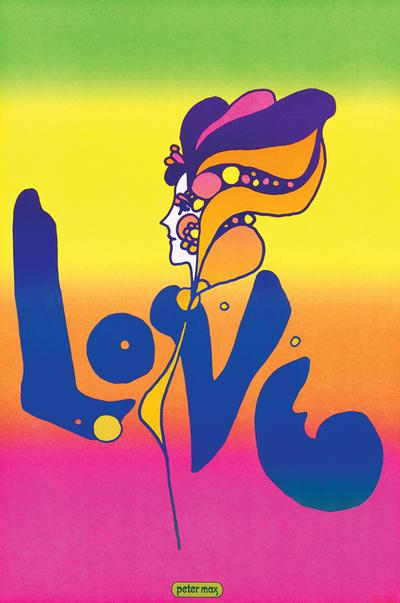
Born Peter Max Finkelstein, Max’s family fled Berlin in 1938, narrowly escaping the Holocaust by fleeing to China, where the family lived for ten years. In 1948, like many other WWII Jewish refugees, they moved to Israel, where Max began studying art. After four years the family moved to Paris, where he took art classes at the Louvre. Although only in Paris for only nine months, Max noted this experience greatly influenced his appreciation for art. The family finally settled in Bensonhurst, Brooklyn in 1953, where he attended Lafayette High School, followed by formal art training at the Art Students League of New York on West 57th Street.
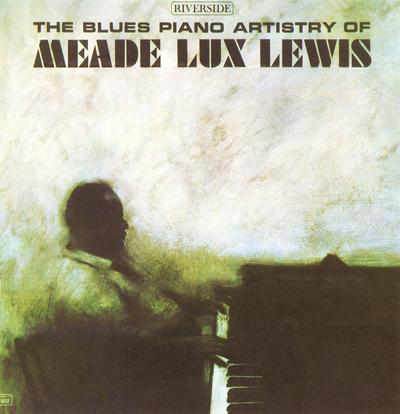
Max had extensive ties to Greenwich Village during the counterculture revolutions of the 1960s. He and his art school friend Tom Daly opened a small Manhattan arts studio, The Daly and Max Studio, in 1962 in Greenwich Village. His first acclaim was winning a Gold Medal at the Society of Illustrators’ 1962 annual exhibition, for his Riverside Records blues pianist Meade Lux Lewis featuring an abstracted, stylized painting of a piano player.
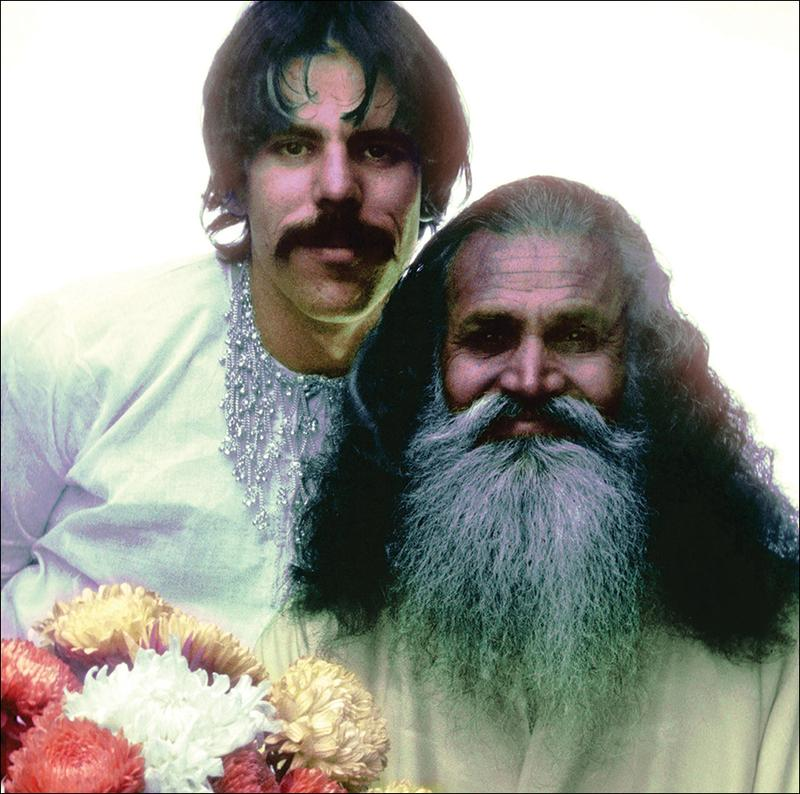
In 1966, Max met Yoga Master Swami Satchidananda while in Paris for work. Max invited him to New York, where he would found the Integral Yoga Institute, which is still providing classes, workshops, and more at 227 West 13th Street.
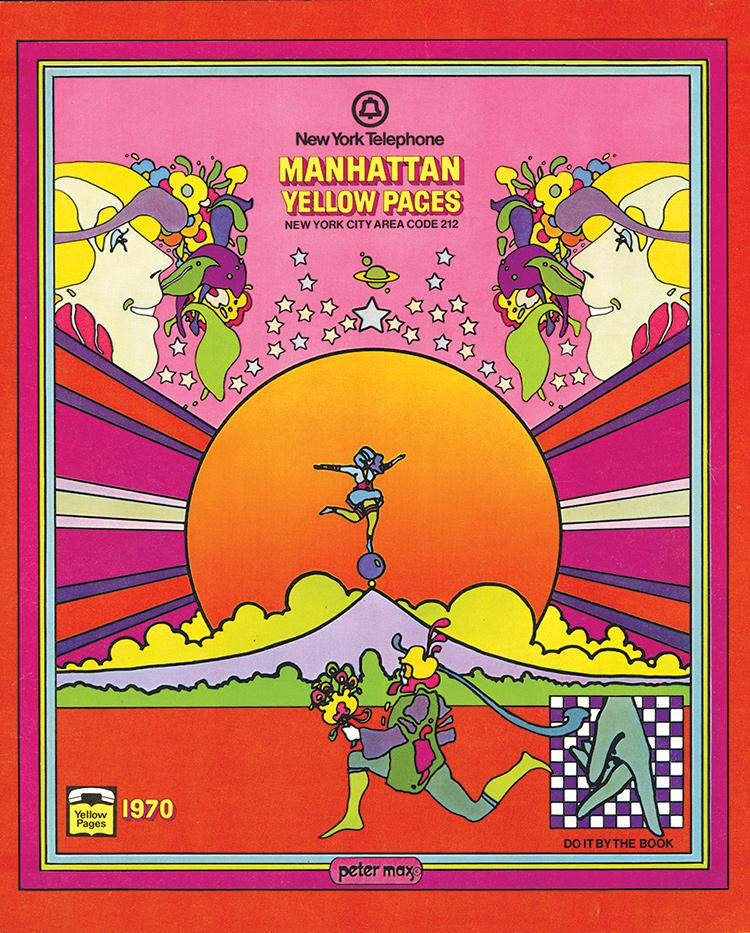
By the late 1960s, Max was a pop culture icon. His art was ubiquitous and defined an era. It could be found from posters and album covers to home goods, telephone book covers, and postage stamps.
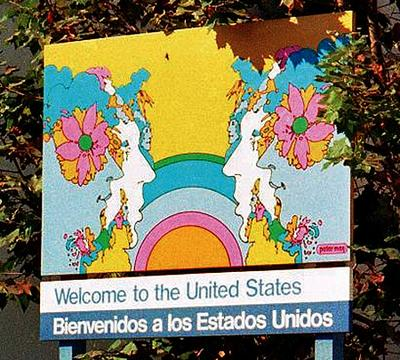
For the bicentennial in 1976, he was commissioned by the federal government to design a billboard to welcome foreign visitors. However, a national controversy over the project occurred and the billboard project was stopped, citing psychedelic art’s association with and promotion of illicit drugs. Jimmy Carter later approved their installation in 1978, which Ronald Reagan then tried to remove when he was elected.
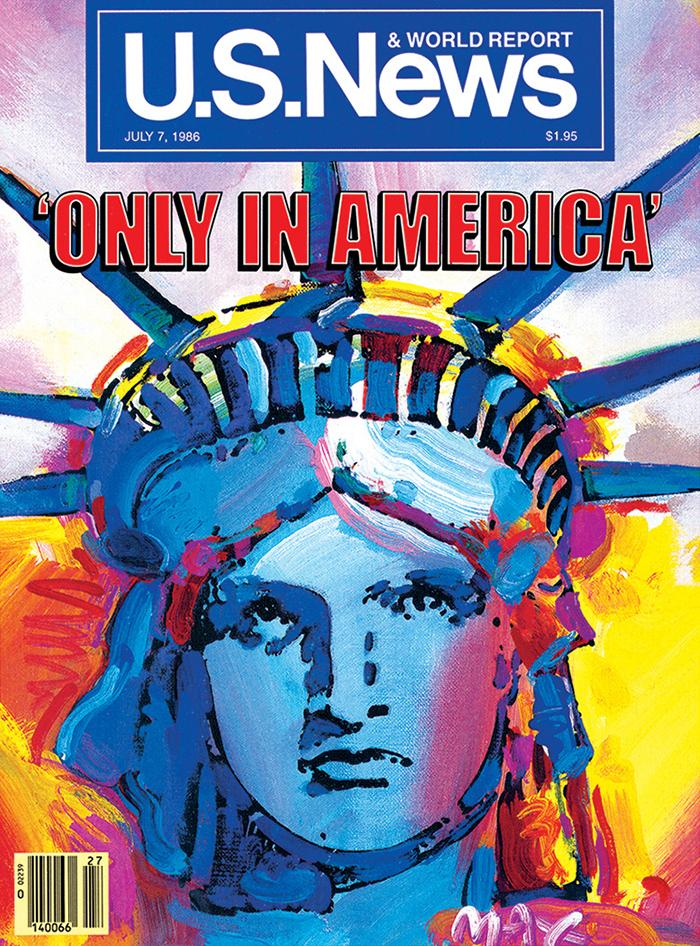
In 1986, Max spearhead a campaign to restore the Statue of Liberty for its centennial.
Max would go on to participate in numerous additional projects, including peace initiatives around the end of the Cold War, the 1994 World Cup, September 11th, the Rock and Roll Hall of Fame, and many other charitable and commercial projects.