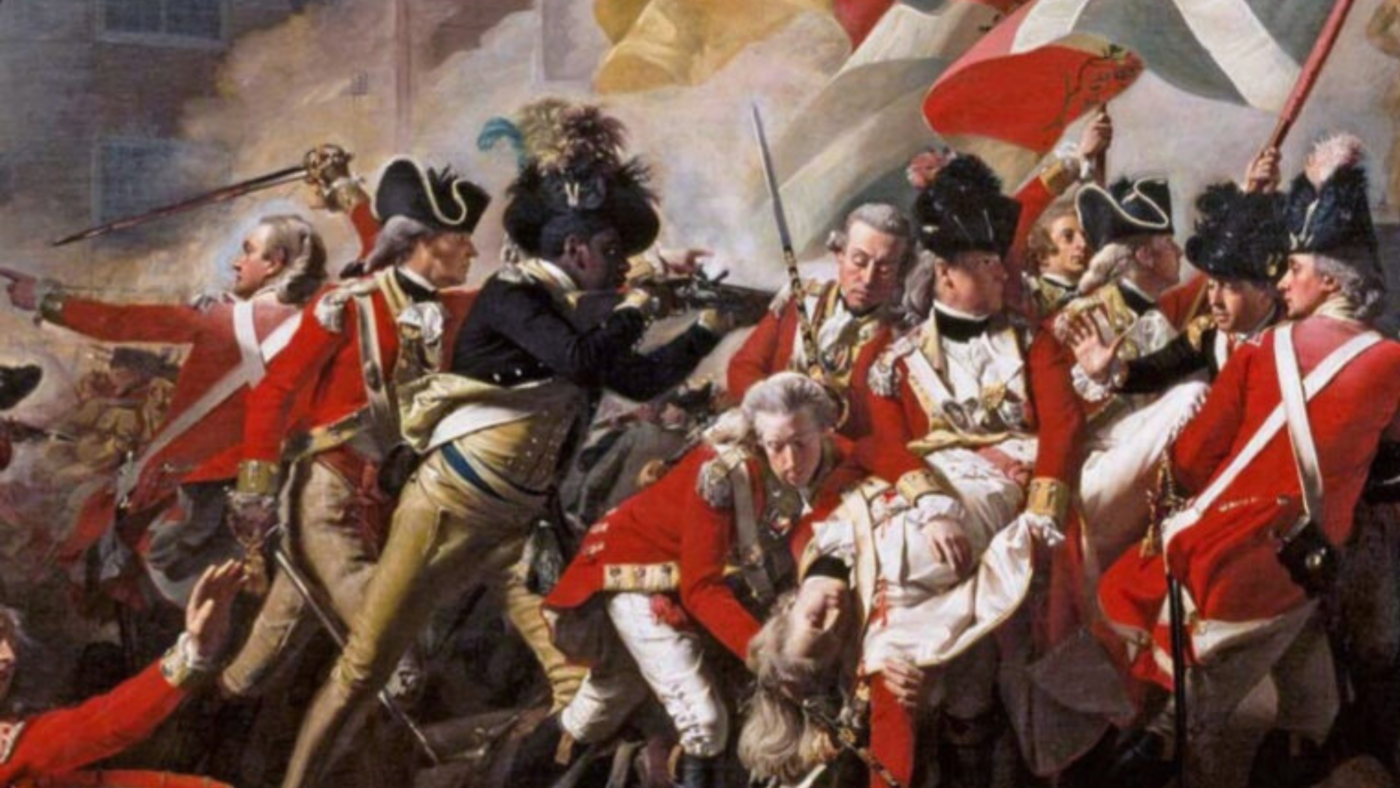
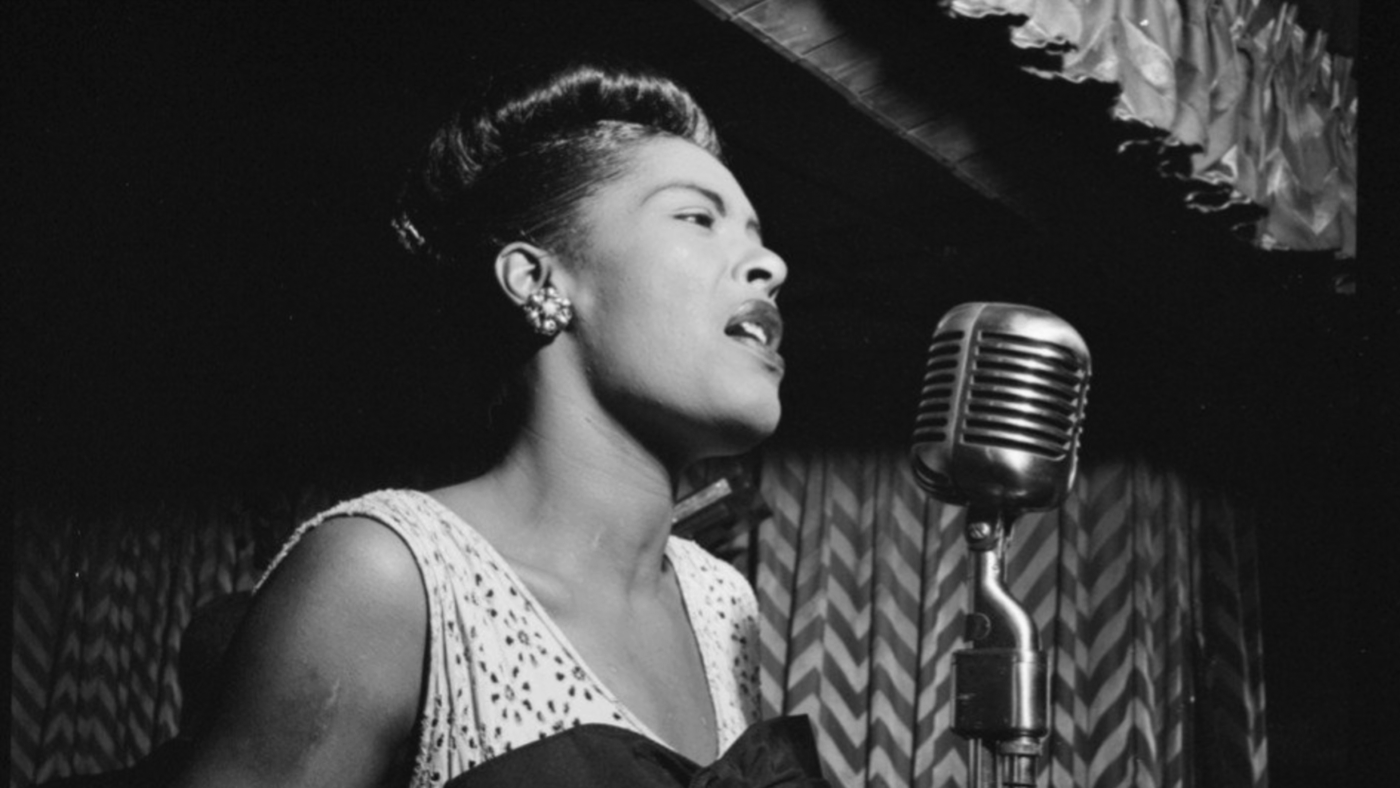
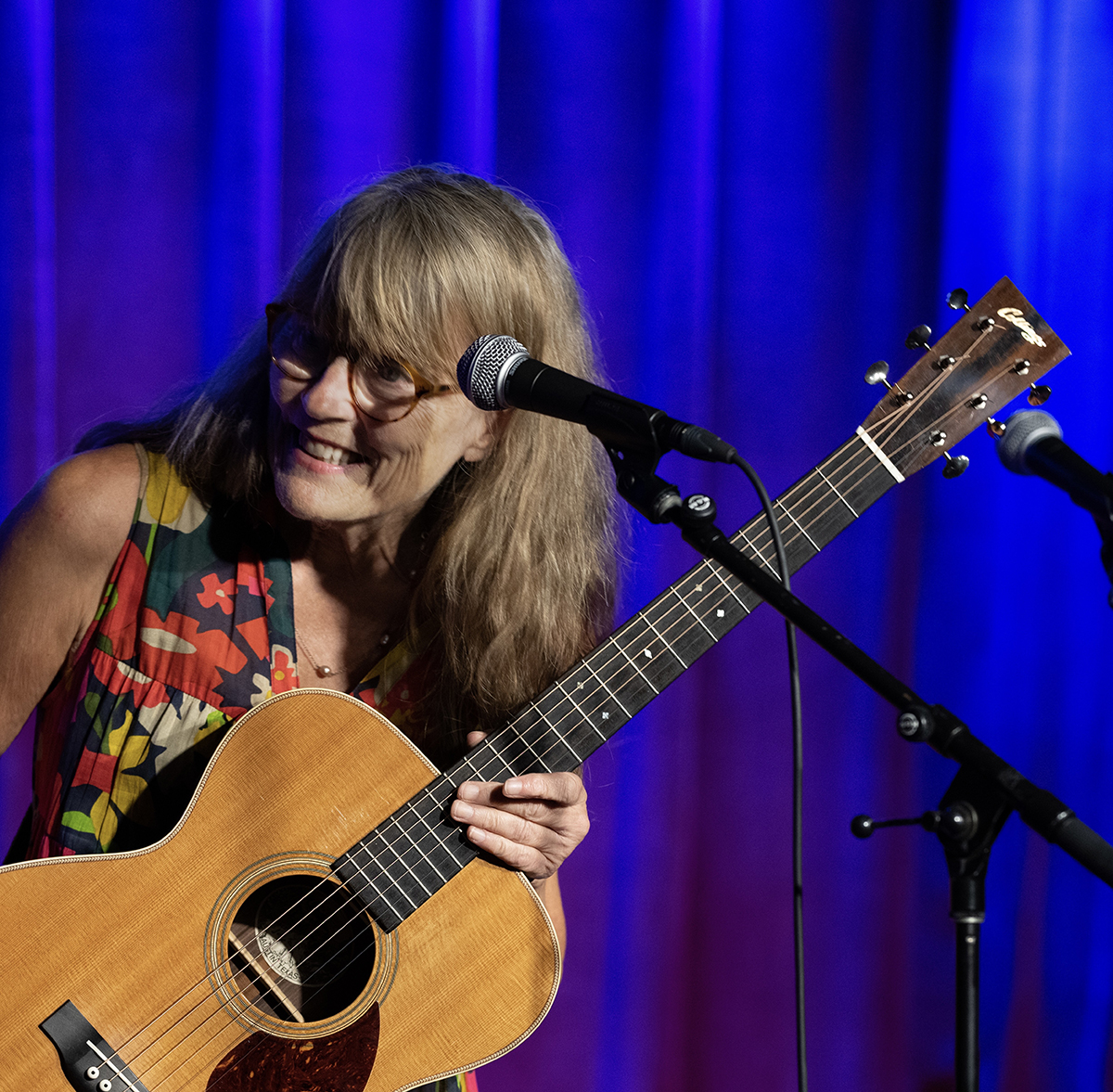
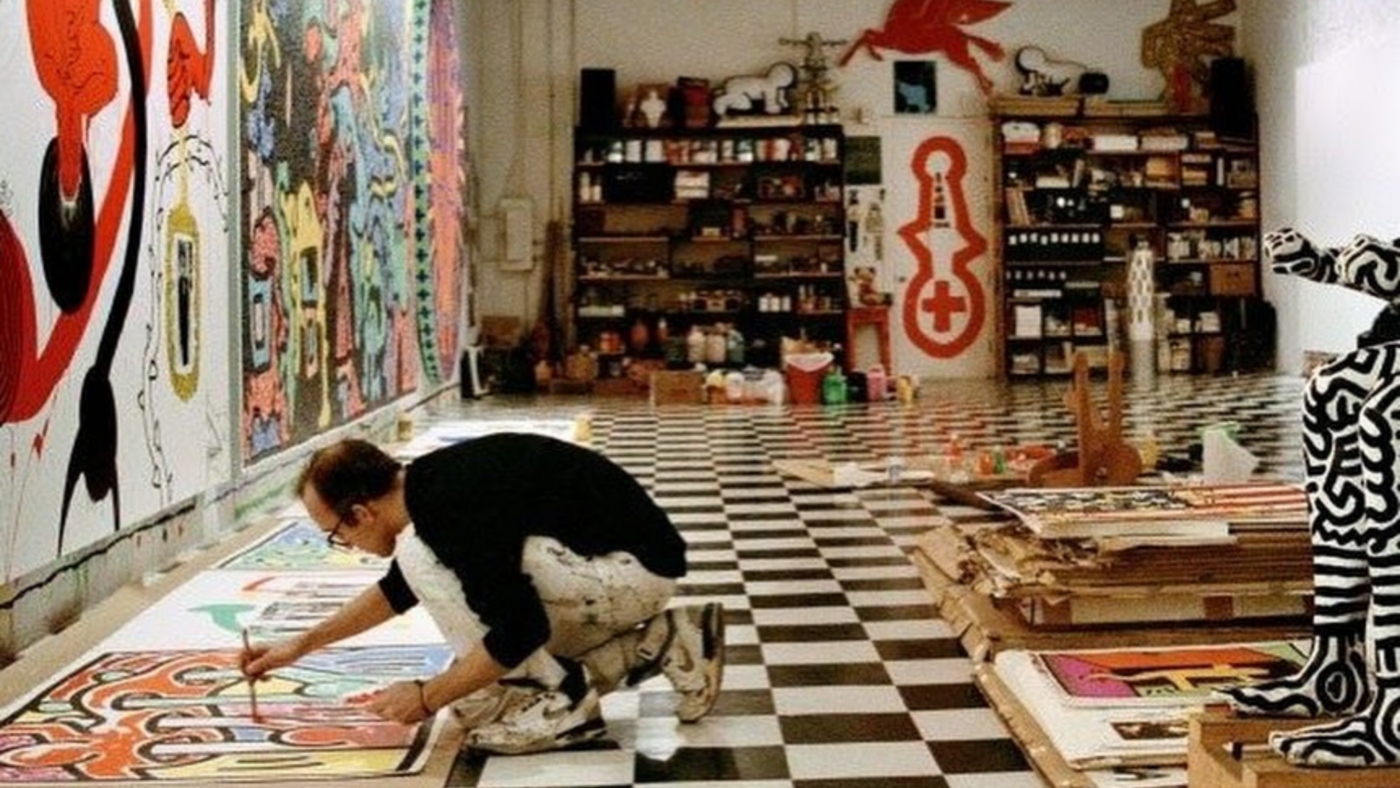
As the United States celebrates its Semiquincentennial in 2026, marking 250 years since the Declaration of Independence, Village Preservation is proud to stage our “Revolutionary Village,” a thematic framework guiding programs, publications, and public engagement over the course of the year. Greenwich Village, the East Village, and NoHo have shaped and been shaped by 250 years of American culture, politics, and reform movements.
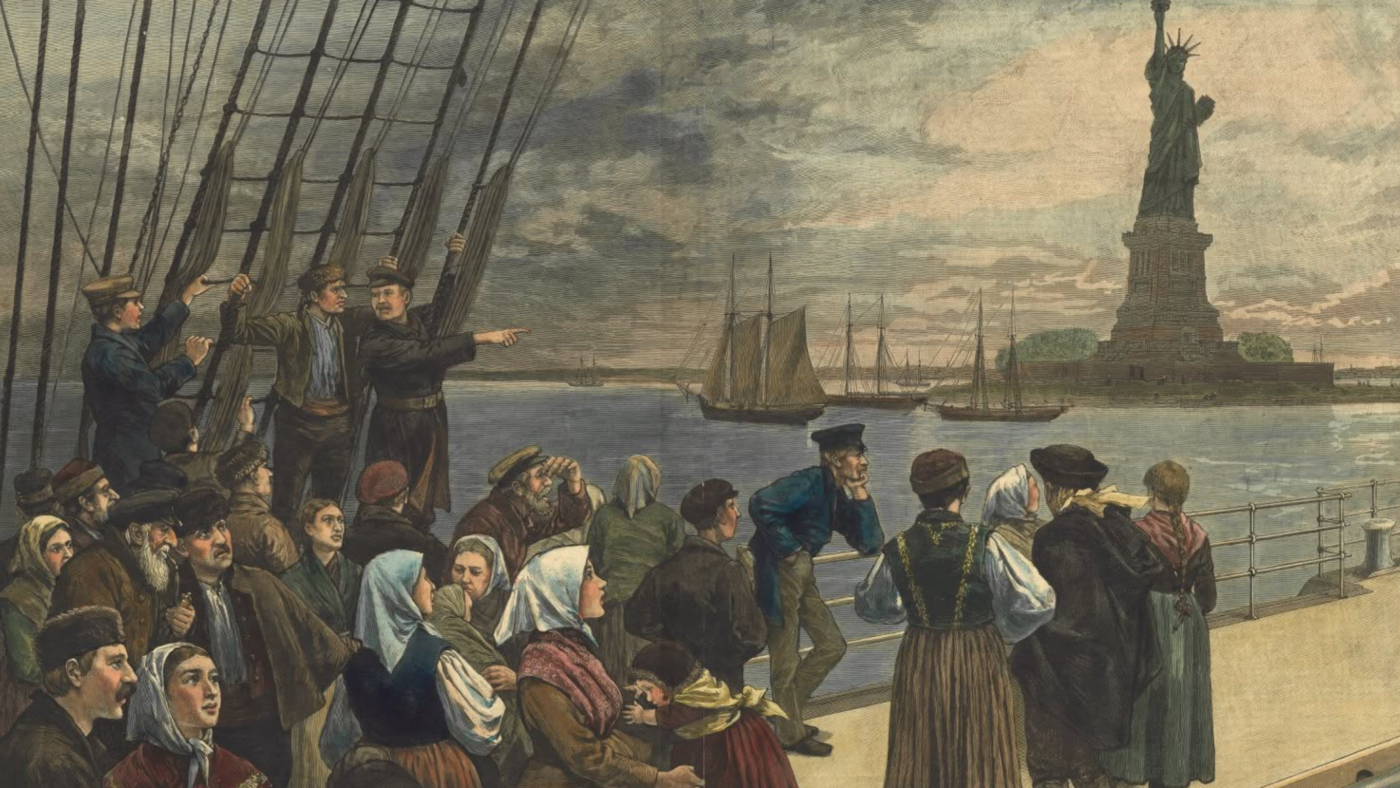
Our Revolutionary Village initiative embraces this long view of history. Rather than focusing solely on the Revolutionary War era, Revolutionary Village highlights 250 years of ongoing revolution in politics, culture, the arts, and society that have unfolded in our communities.
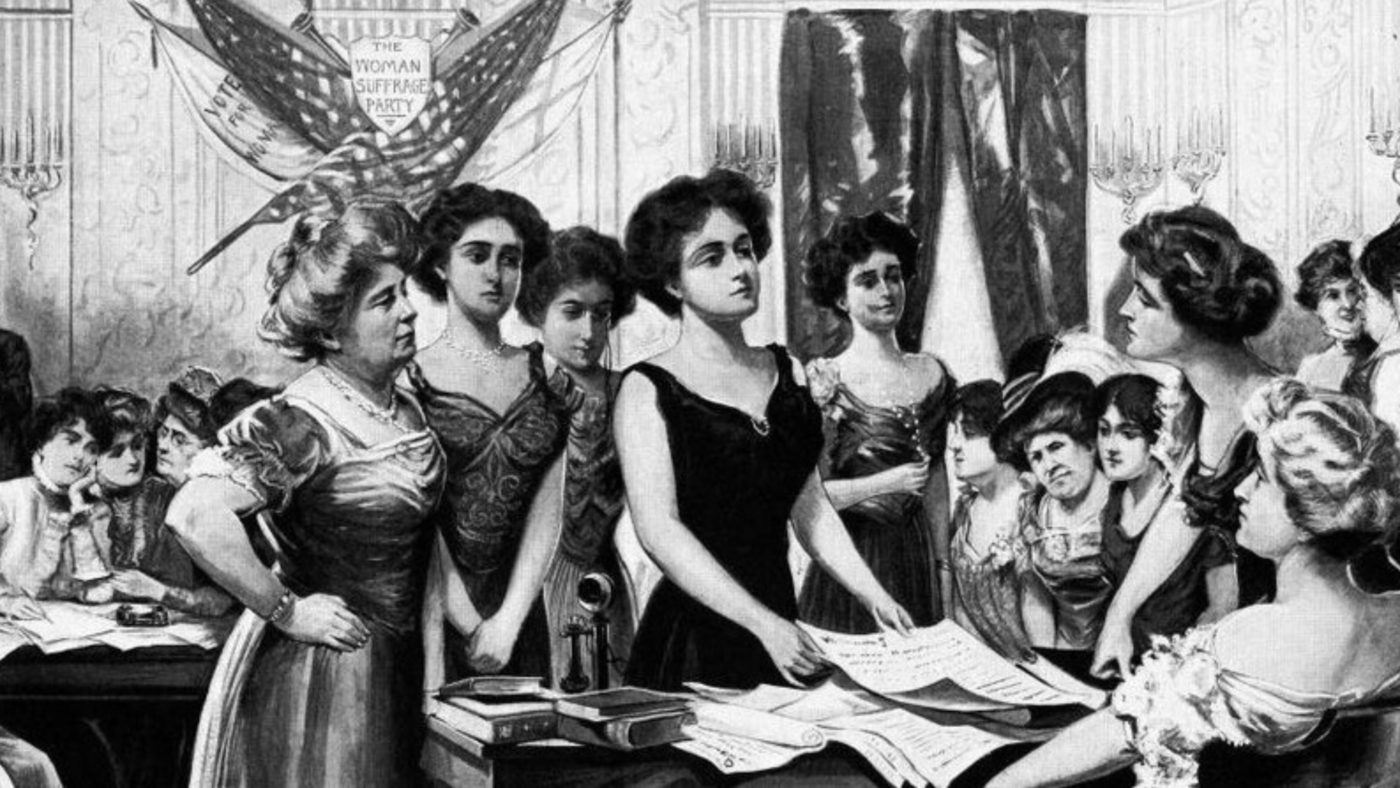
From abolitionism and women’s suffrage to labor organizing, LGBTQ+ rights, free speech, and artistic experimentation, these neighborhoods have consistently served as laboratories for American democracy. Revolutionary Village recognizes the spirit that animated the struggle for independence also fueled later movements that expanded and challenged the meaning of freedom and equality in the United States.
Scroll down to see more about upcoming events and resources

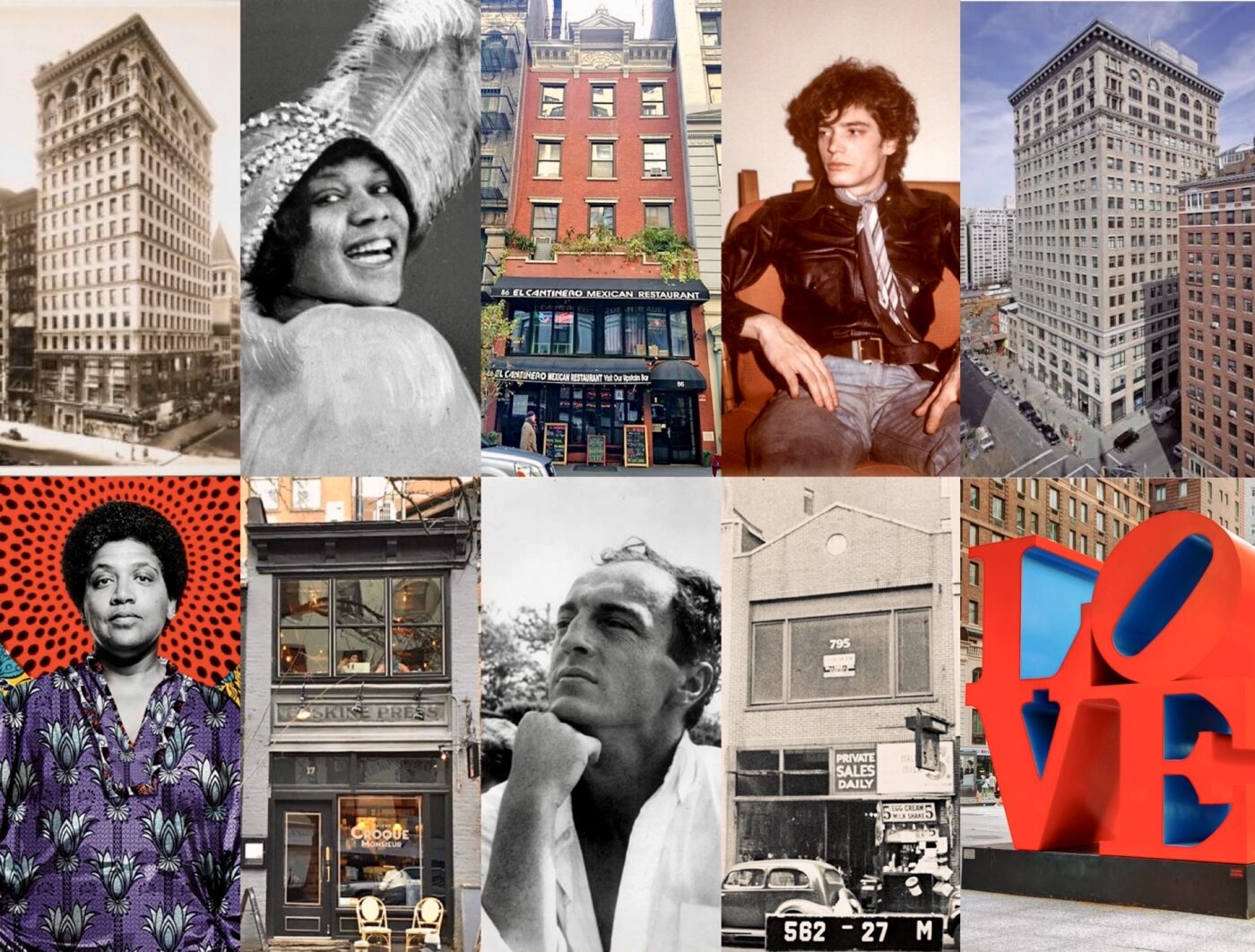
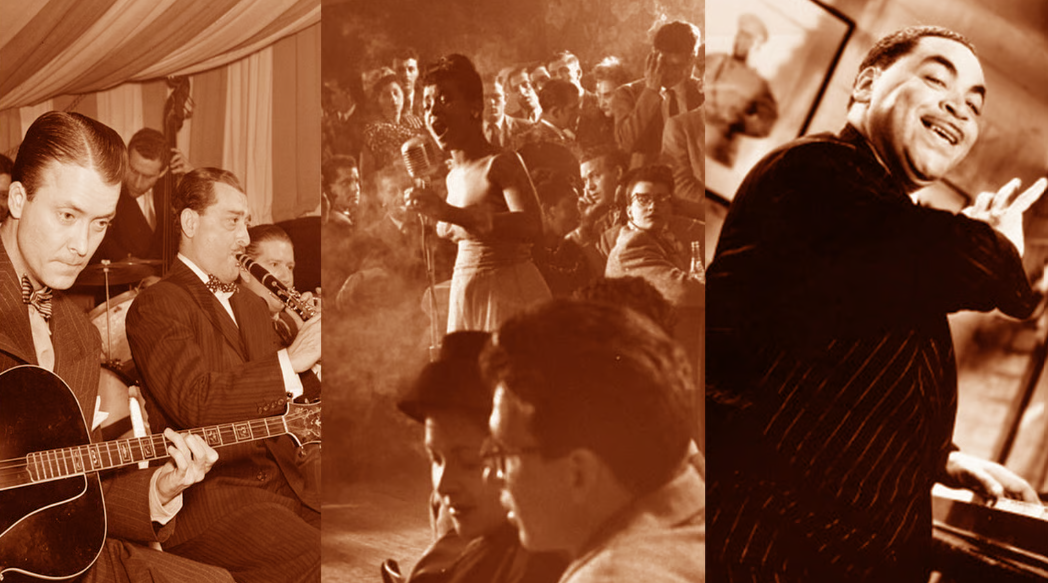
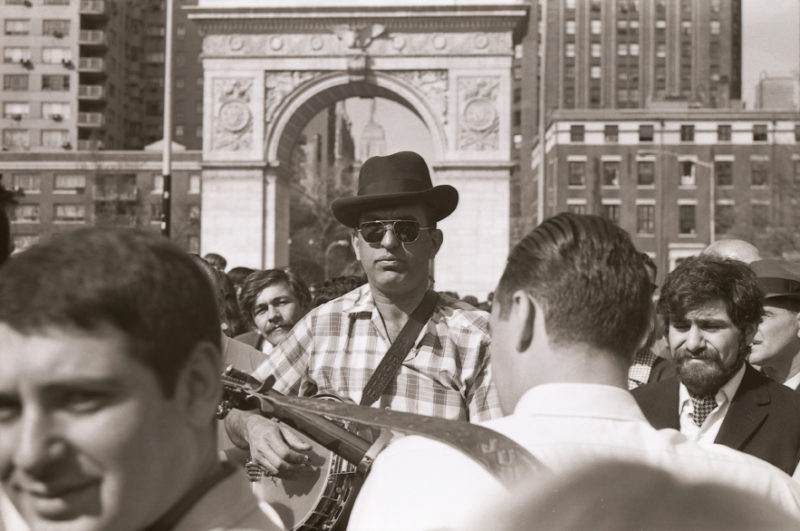
Under the Revolutionary Village banner, this year’s public programs will examine 250 years of local and national history using the themes of sounds, ideas, words, performance, and place. Our neighborhoods’ extraordinary contribution to American music, politics, literature, dance and theater, and social development would have been impossible without the incredible individuals who made it all happen. A large part of the Revolutionary Village theme will shine a light on the life of these individuals who we are calling “Rebels with a Cause.” Revolutionary Village encourages us to see American history not as a finished story, but as an ongoing process deeply embedded in our very own community. The Village’s streets, buildings, public spaces, and residents bear witness to that process, from the nation’s earliest days through the present.
Want to stay up to date with our Revolutionary Village events? Sign up for our e-newsletter here.
Upcoming Revolutionary Village Events
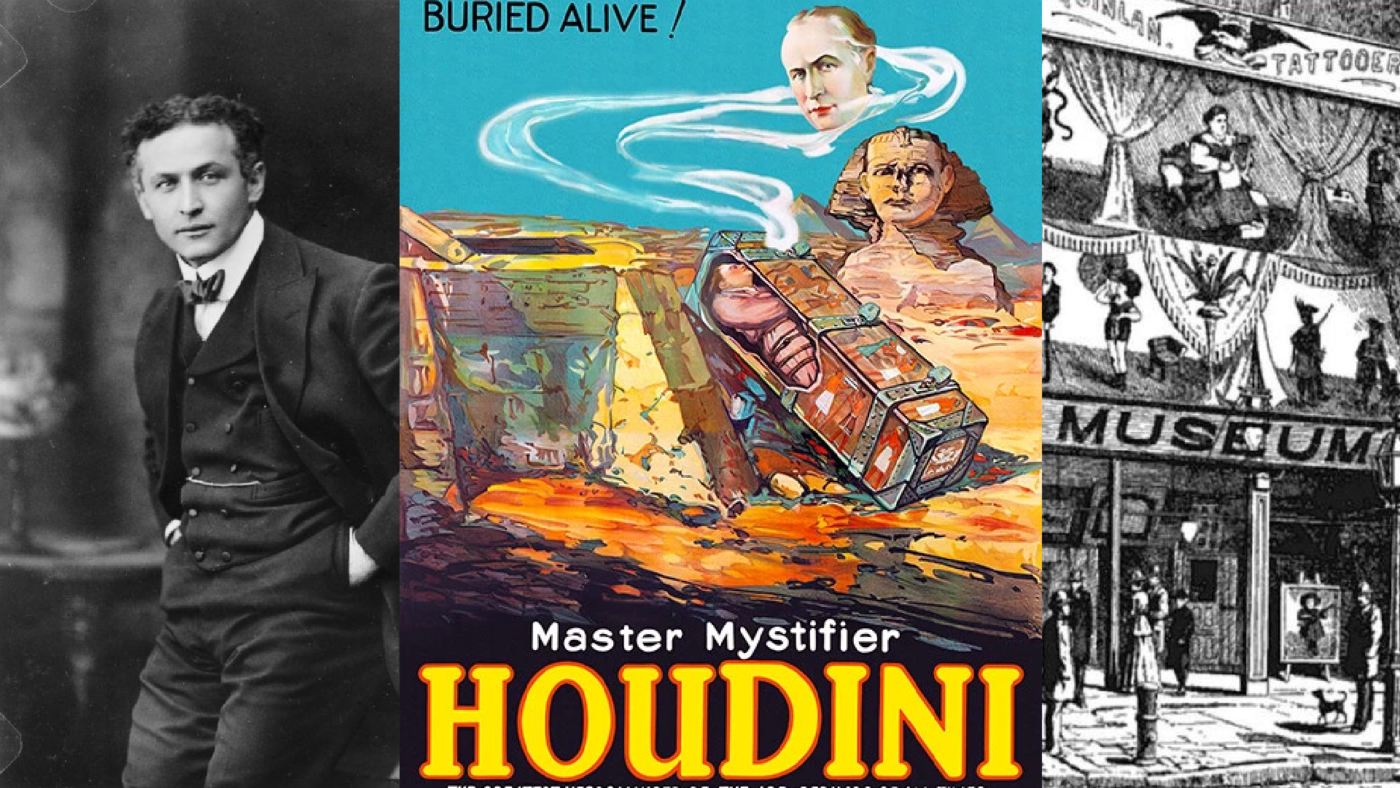
Houdini Among the Villagers: The Magician’s Life and Afterlife in Greenwich Village
October 28, 6:00 PM
In person | Free | Pre-registration required
Student Education Programs

Revolutionary Streets is a three-part, interactive history workshop that uses the street names of Lower Manhattan to explore Patriot and Loyalist figures from the American Revolution. Through maps, debate, and games, students investigate how New York City’s streets reflect power, politics, and historical memory.
Key Resources
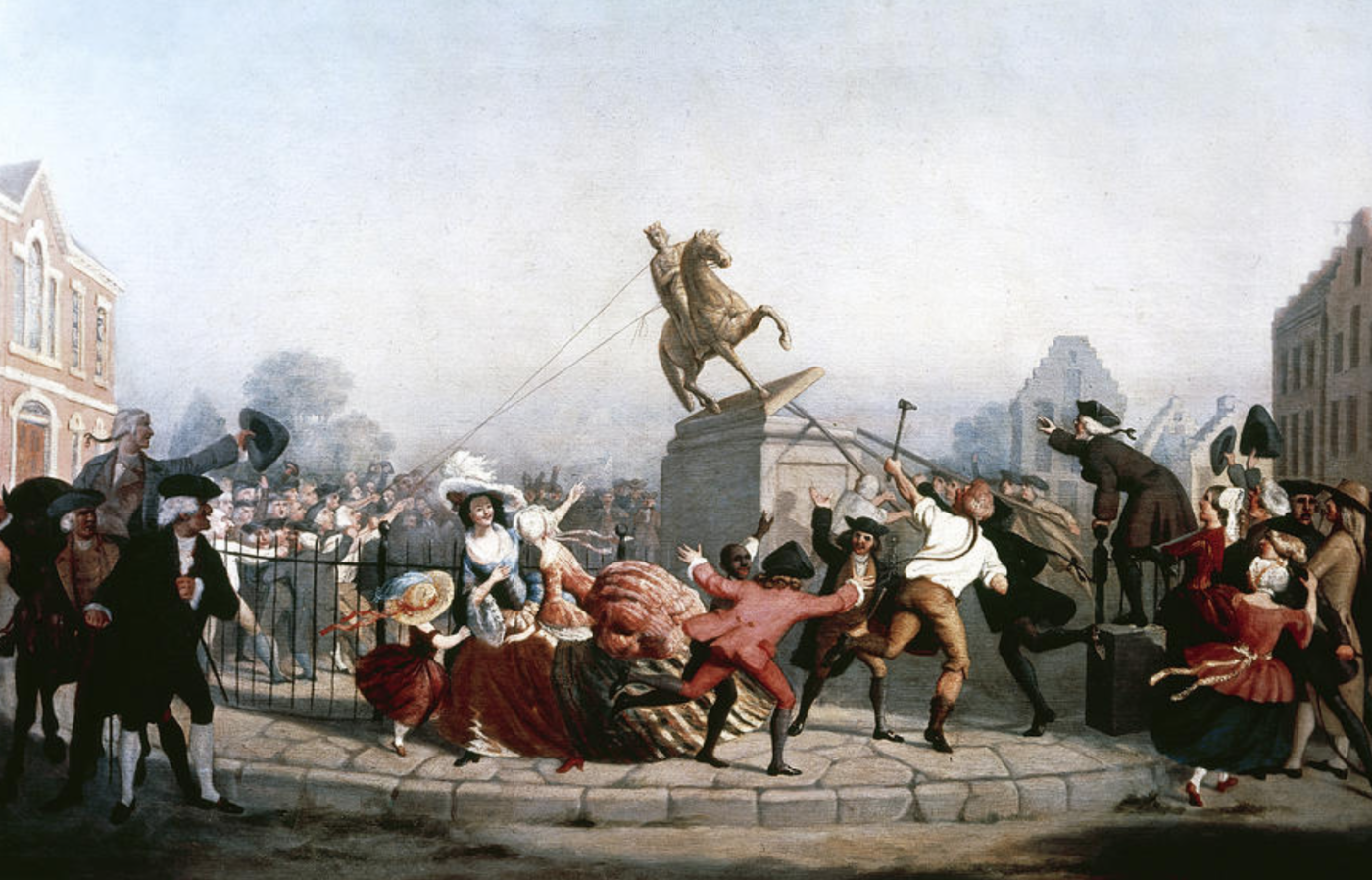
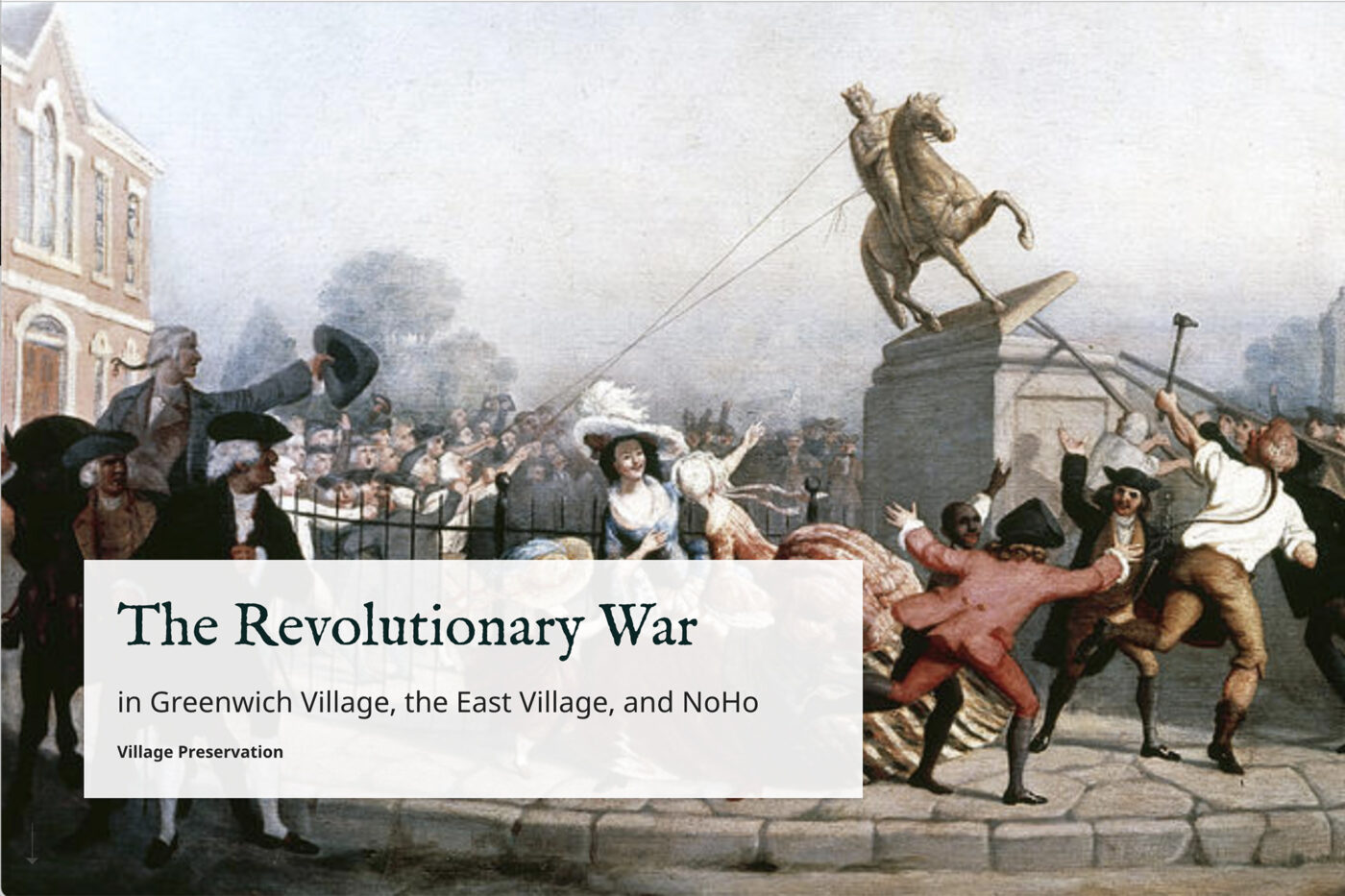
Map: The Revolutionary War in Greenwich Village, the East Village, and NoHo
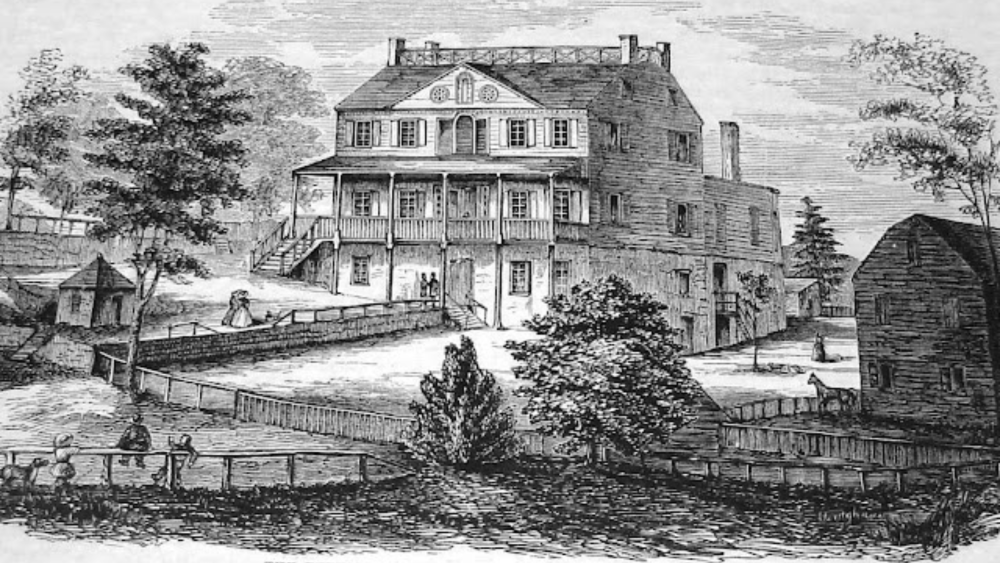
The War for American Independence ran right through our neighborhoods, with George Washington and his Continental Army headquartered here in 1776, and a patchwork of farms and estates located here that were owned by prominent colonial families with loyalties divided between the Crown and the Revolution. Many of our nation’s Founding Fathers — including the “Father of the American Revolution” — lived, worked, helped lay the foundation for our country, and even died here. And leading Revolutionary War figures are memorialized here and returned here to celebrate the legacy of the War for Independence in the early years of the Republic.
This StoryMap explores them all, allowing you to see how the American Revolution was fought, played out, and left a lasting imprint upon our neighborhoods, through the people and places that shaped it.
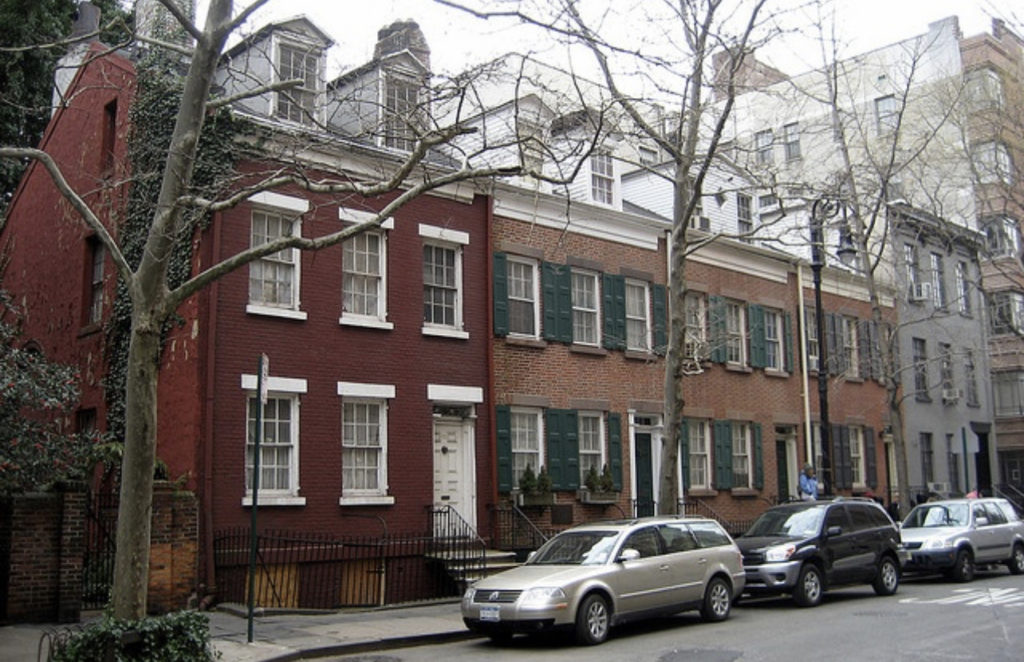
Federal-Era Row Houses
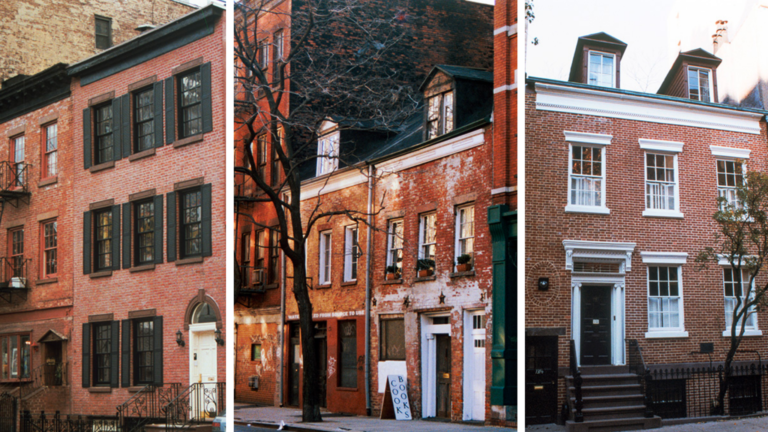
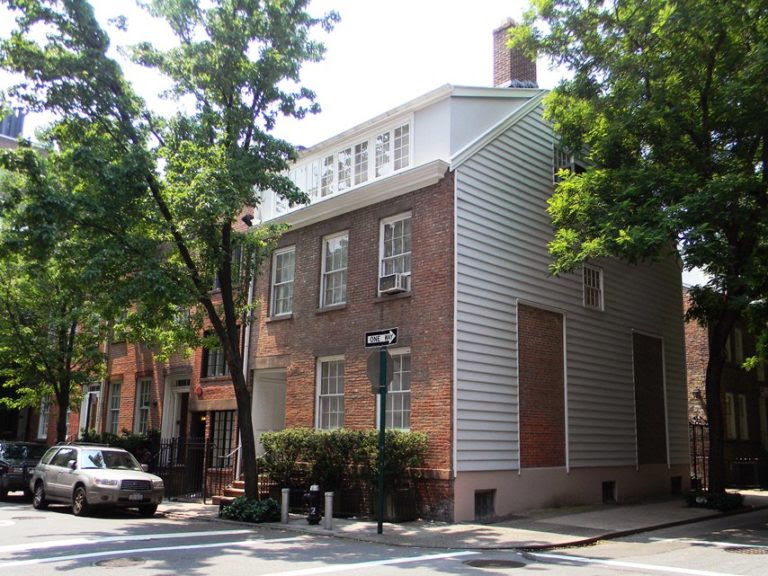
A special part of Village Preservation’s mission is the documentation and preservation of Federal Era (1790-1835) rowhouses in Lower Manhattan. Village Preservation has successfully advocated for landmark designation of more than one hundred twenty-five federal rowhouses throughout Lower Manhattan, as individual landmarks, and within historic districts.
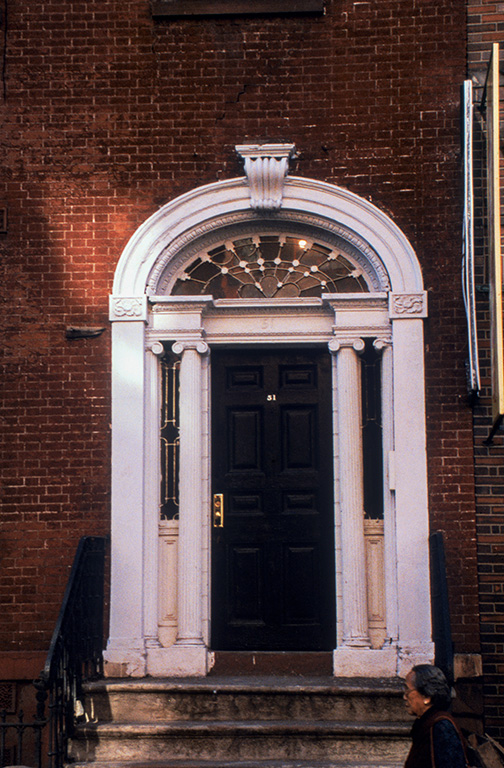
Related Historic Image Archive Collections
Our image archive highlights the history of the people and built environment of Greenwich Village, the East Village, and NoHo, and New York City in general. It has been assembled over the years through generous donations and consists of several dozen different collections.
Learn how you can help build these collections by donating images here.
Additional Resources