
Five Writers and Literary Organizations Connected to South of Union Square
South of Union Square has long been a place where writers, publishers, and literary organizations have crossed paths. Poet Frank O’Hara once lived on University Place, Anaïs Nin operated her own printing press on East 13th Street, and the League for Industrial Democracy, founded by writers Upton Sinclair and Jack London, was headquartered on Fifth Avenue. Village Preservation’s South of Union Square map documents many of these connections. Here are five places that tell part of the story.
Frank O’Hara at 90 University Place
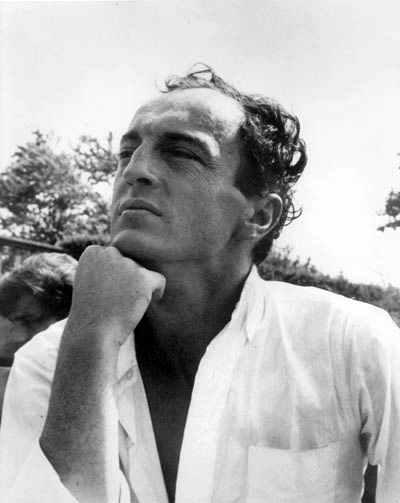
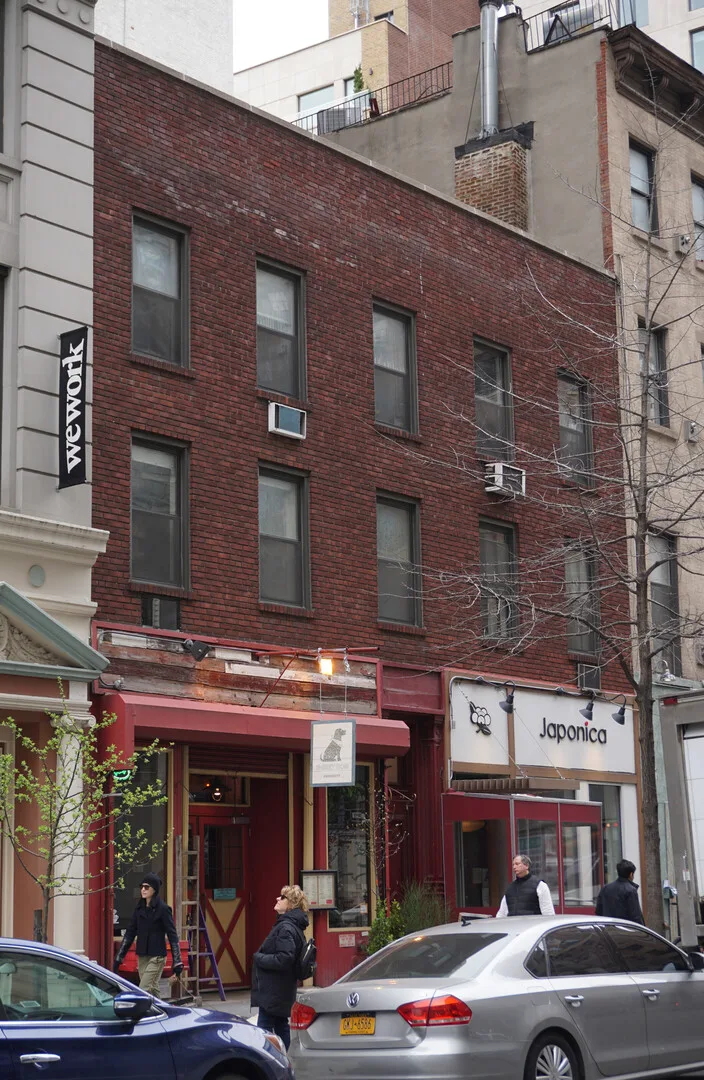
From 1957 to 1958, poet Frank O’Hara lived at 90-92 University Place while working as a curator at the Museum of Modern Art. O’ Hara was a central figure in the New York School of poets and was closely connected to the neighborhood’s artistic community, specifically the abstract expressionists. He chose the location in part because of its proximity to the Cedar Tavern, a space where artists often gathered together, and its association with the movement. He also references his home in his poem “University Place.”
Upton Sinclair and Jack London at 70 Fifth Avenue

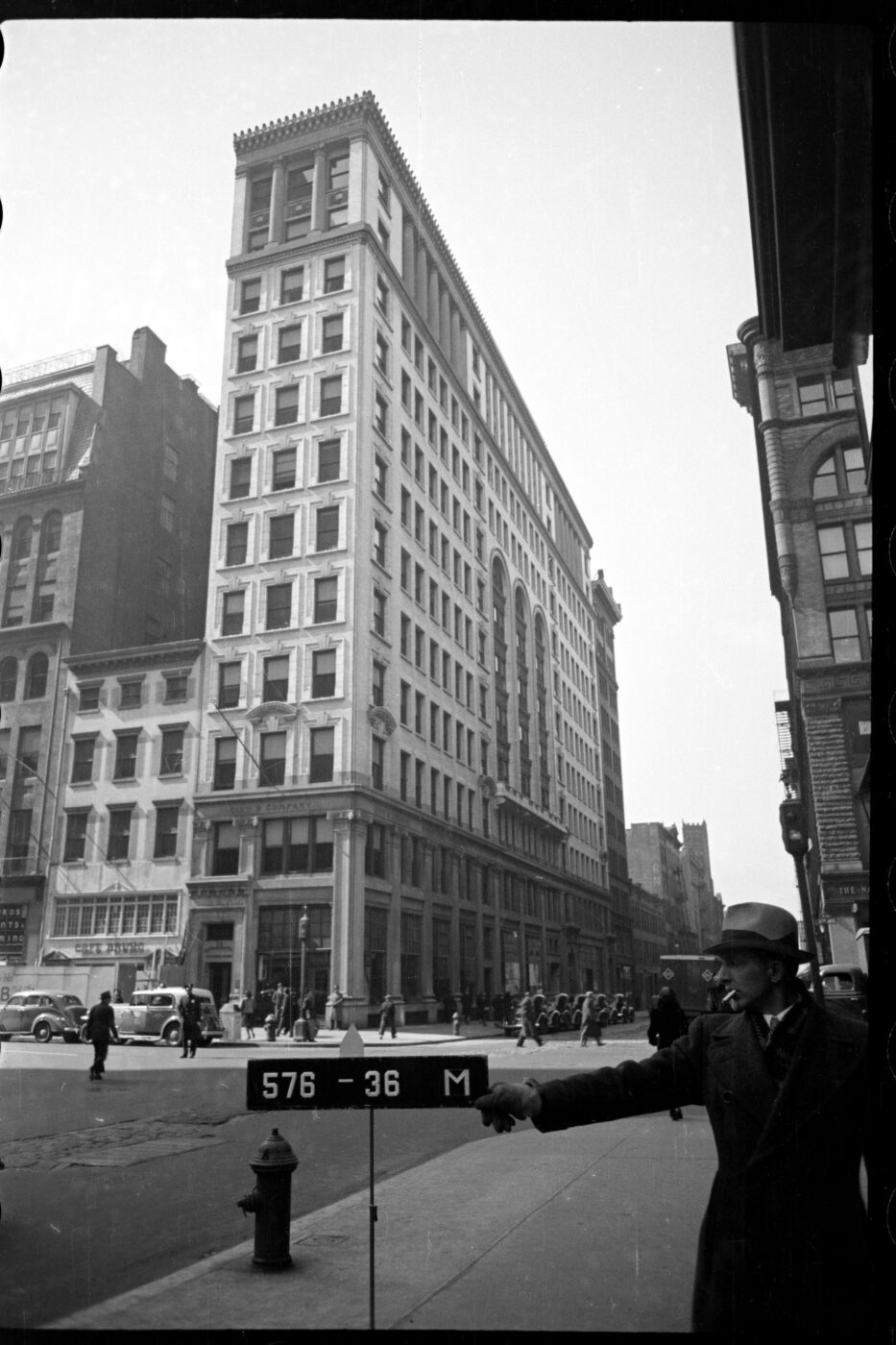
The League for Industrial Democracy headquartered at 70 Fifth Avenue was an organization founded by writers and activists including Upton Sinclair and Jack London. Sinclair is best known for The Jungle (1906), a novel depicting the difficult conditions faced by immigrant workers in Chicago’s meatpacking industry. London, a novelist, journalist, and activist, wrote works including The Call of the Wild and White Fang. The address was also home to the National Civil Liberties Bureau, which later became the American Civil Liberties Union (ACLU).
Pearson’s Magazine at 57 Fifth Avenue

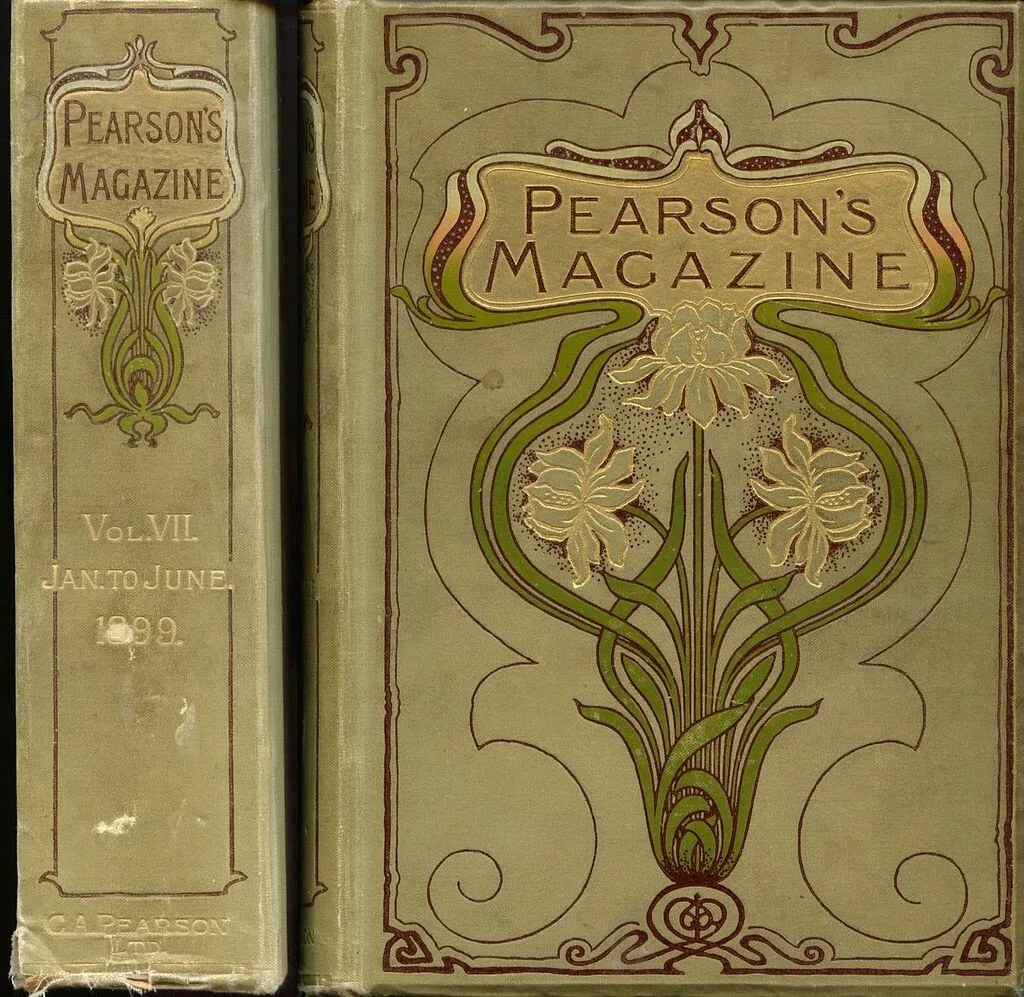
Pearson’s Magazine was originally established in Britain in 1896. The magazine published works by authors including Upton Sinclair, George Bernard Shaw, and H.G. Wells. Its American edition, founded in 1899 and located at 57 Fifth Avenue, developed a greater focus on American writers and issues. During the 1910s and 1920s, Irish-born writer and editor Frank Harris led the publication from this location. Harris was also an author and biographer whose autobiography, My Life and Loves, was banned in both the United States and Britain for 40 years.
Anaïs Nin and Gemor Press at 17 East 13th Street

In 1944, writer Anaïs Nin and her partner Gonzalo More moved their printing business, Gemor Press, to 17 East 13th Street. Nin was closely involved in the publishing process, paying attention to everything from typography and paper quality to the illustrations accompanying her books. The press published her own writing as well as works by other authors, including Max Ernst and Hugh Chisholm. Its 1945 publication of This Hunger helped bring Nin to the attention of larger publishers. Shortly after the publication in November of 1946 of her first book with Dutton, Ladders to Fire, Gemor Press left 17 East 13th Street due to (as Nin wrote in her diary) “Gonzalo’s irresponsibility.” She established the Anais Nin Press to distribute her limited-edition paperbacks until she partnered with Swallow Press in the late 1950s.
The Lotos Club and Thomas J. Hall at 814 Broadway
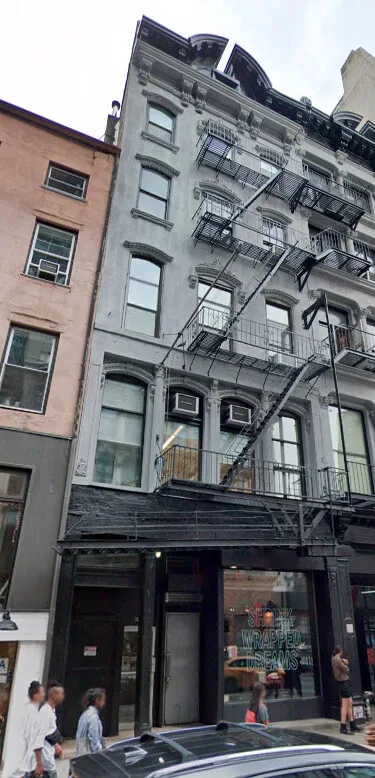
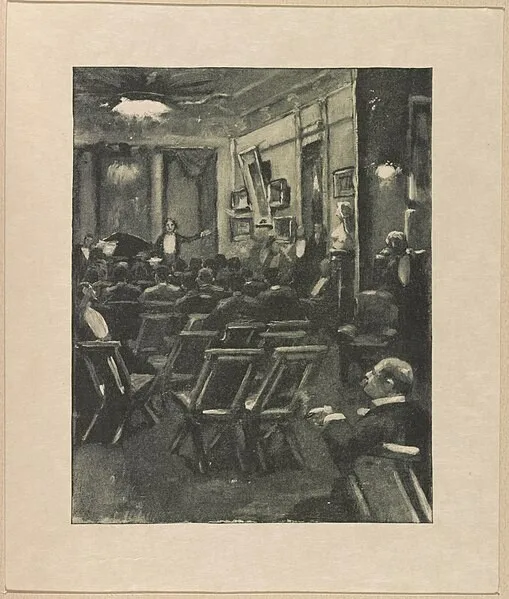
The building at 814 Broadway once housed Thomas J. Hall Music Publishers. Hall was also one of the founders of the Lotos Club, established in 1870 as a literary club. Over the years, the club counted writers, artists, musicians, and other notable figures among its members, including Mark Twain, Margaret Mead, Tom Wolfe, and Mary Higgins Clark. Its history reflects the connections between literature and the other creative communities that have long been part of New York.
You can learn more about these sites and others connected to the extraordinary literary history South of Union Square on our Writers and Authors Tour on our South of Union Square Map. You’ll also find dozens more tours there, focused on Black history, civil rights history, LGBTQ history, Women’s history, and much more. If you want to show support for our proposed South of Union Square Historic District to help preserve this special history, send a letter to city officials urging they support its designation HERE.