- Events
- Lecture
Co-sponsored by the Merchant’s House Museum, Historic Districts Council, East Village Community Coalition, the Lower East Side Preservation Initiative, and the CNU NYC.
This program is part of Village Preservation’s Semiquincentennial series of programs celebrating our Revolutionary Village. Revolutionary Village not only celebrates the founding of our country, but the exceptional role our neighborhoods played in its development and the realization of its ideals over the last 250 years and beyond.
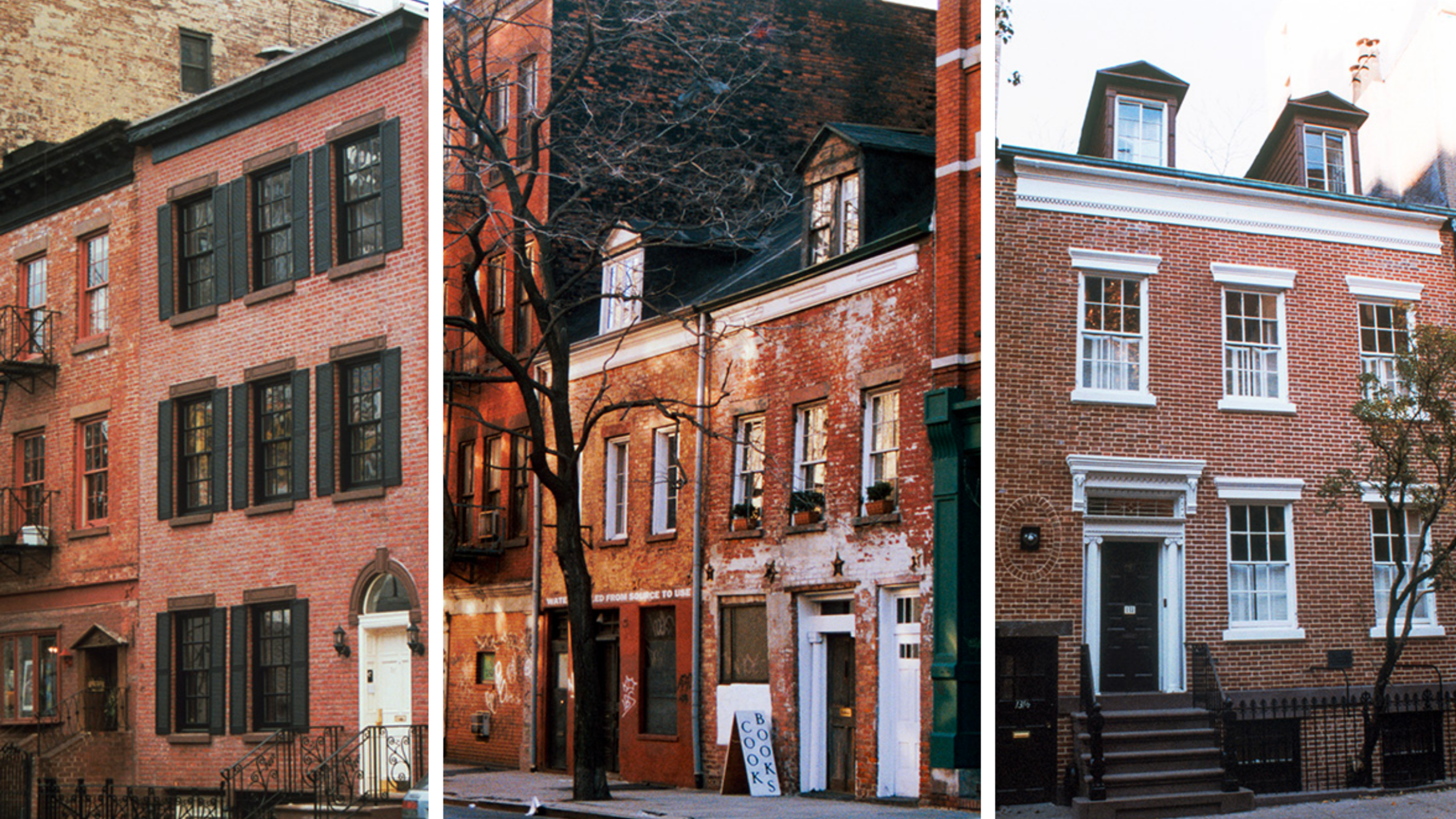
The United States may have declared its independence from Great Britain on July 4, 1776, but it didn’t actually win its independence until the Treaty of Paris in 1783, nor decide what the new country’s government would look like until the Constitution was adopted in 1789. This period led to the first real architectural expression of American independence, the “Federal Style,” which appeared in the years following the adoption of the Constitution and our federal system of government, and dominated American design until the 1830s.
Our neighborhoods of Greenwich Village, the East Village, and NoHo are rich in Federal Style architecture, this earliest architectural expression of an independent America. Since the 1990s, Village Preservation has worked tirelessly to document and help preserve Federal Style architecture in our neighborhoods and throughout Lower Manhattan. The result: literally hundreds of these structures connected to our country’s first generation survive here, mostly in local, state, and federal historic districts which we’ve helped secure and closely monitor to ensure they’re protected. Some are well-known and beloved landmarks; many others are easily-overlooked structures that quietly dot our streets. The charming and diminutive scale and handcrafted details of these structure tell us much about life in our city over two centuries ago, how we envisioned ourselves as no longer a colony, and the growth and evolution of our newly-independent nation in its earliest days.
Join Village Preservation Executive Director Andrew Berman as he takes us on a virtual tour of Federal Style architecture in our neighborhoods and Lower Manhattan, and offers insights into what it shows about life in late 18th and early 19th century New York, and efforts over three decades to help document and preserve them.
- Date
- Wednesday, July 1, 2026
- Time
- 6:00 pm
- Details
Webinar
Free
Pre-registration required