
Tracing Elizabeth Blackwell’s Village Career
No. 58 Bleecker Street is a more than 200-year-old house with a particularly storied past. While it was built in 1822-1823 for James Roosevelt, President Franklin Delano Roosevelt’s great grandfather, he is far from the building’s most significant occupant. On May 12th, 1857, Elizabeth Blackwell, opened the New York Infirmary for Women and Children in this two and half story federal style row house. Blackwell was the country’s first female medical doctor, and despite facing frequent opposition, practiced in a number of sites around our neighborhoods.

80 University Place
Blackwell earned her medical degree from Geneva College in 1849 and moved to New York City in 1851. After being denied work opportunities due to her gender, she began treating patients out of her home at 80 University Place.
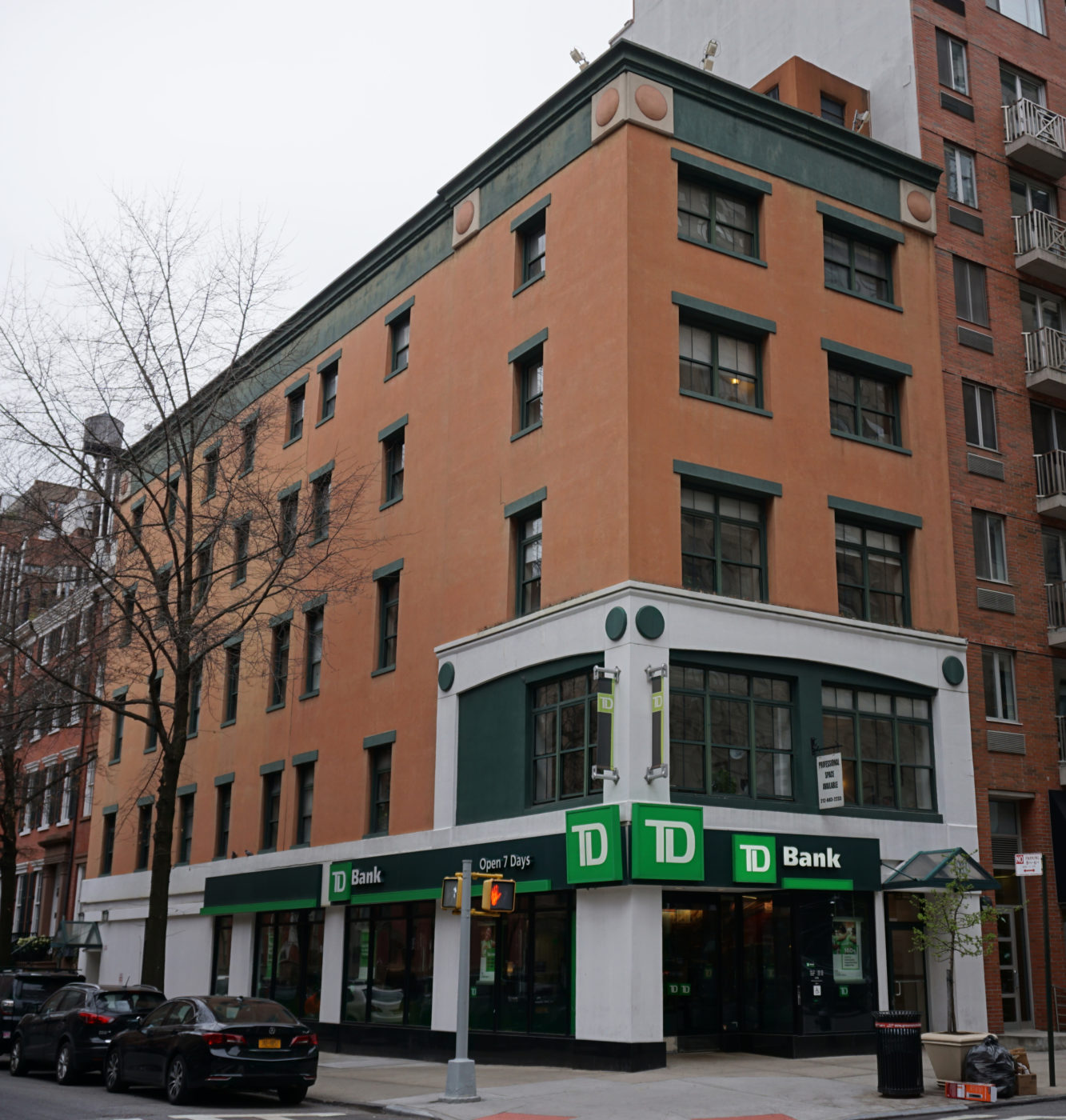
Constructed as a private house from 1841-1842, 80 University Place would later become a hotel. Over the years it has undergone major alterations, including the addition of the current postmodern façade around 1990, but remains the same building Blackwell lived and worked in. No. 80 University Place is part of Village Preservation’s ongoing South of Union Square landmarking advocacy campaign.
New York Dispensary for Poor Women and Children, 207 East 7th Street
Early in her career, Blackwell was particularly interested in working with the poor immigrant communities in surrounding areas. After witnessing the inadequate treatments the community was receiving, Blackwell sought to open her own dispensary. After facing difficulty in finding a space to practice out of, she ended up renting her own house at 207 East 7th Street.
It opened in 1853, and was called the New York Dispensary for Poor Women and Children. Its first annual report announced that its purpose was to “give to poor women an opportunity of consulting physicians of their own sex.” Blackwell lived in the attic and treated patients in the main room. The building which housed the dispensary has since been demolished.
New York Infirmary for Women and Children, 58 Bleecker Street
Blackwell’s operation soon outgrew the small East 7th Street dispensary, leading her to establish the New York Infirmary for Women and Children at 58 Bleecker Street in 1857.
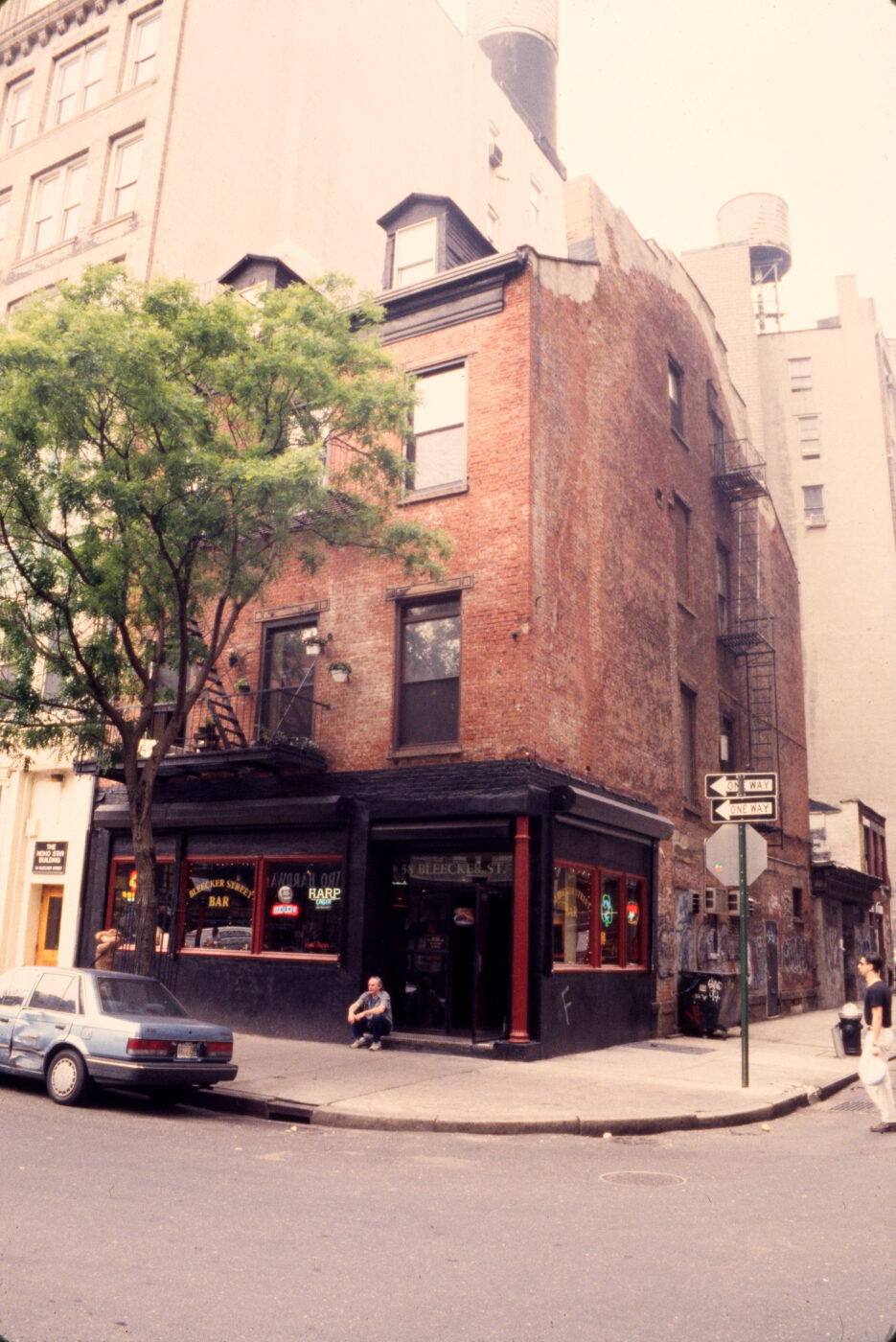
The hospital was open seven days a week and provided medical care for needy women and children free of charge. The staff first consisted of Elizabeth Blackwell, director; her sister Emily Blackwell, surgeon; and Dr. Marie Zakrewska. The hospital provided practical medical instruction for women studying for their medical degree, which was unavailable elsewhere.
The practice faced opposition, including police shutdowns and lack of funding. It would continue to operate, and eventually views on women in medicine evolved. The hospital was responsible for innovations in hygiene critical to preventing disease and in educating the public on those benefits, such as bathing ailing patients and encouraging them to keep clean. Blackwell launched a “Sanitary Visitor” program to visit the needy in their homes in and improve hygiene. The program later expanded into the hospital’s “Out Practice Department,” a precursor of the Visiting Nurse Service. The first Sanitary Visitor, Rebecca Cole, was also the second African American woman to become a doctor in America.
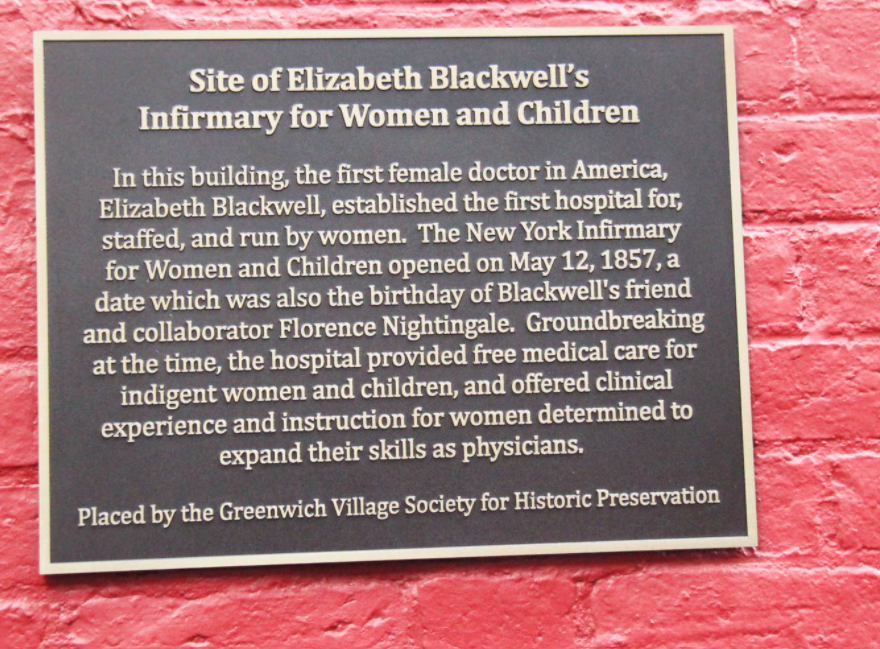
The building still stands and is located within the Noho Historic District. On May 14th, 2018, Village Preservation placed a historic plaque on 58 Bleecker Street to commemorate Blackwell’s work and the legacy of the Infirmary.
Women’s Medical College of the New York Infirmary, 128 Second Avenue
In 1868, Blackwell, her sister Emily, and Dr. Marie Zakrzewska, opened the Women’s College of the New York Infirmary at 128 Second Avenue. The facility offered training to aspiring female doctors and medical care for poor women and children. It was revolutionary in its offering of four-year educational programs when medical schools, typically catering to men, only offered two-year programs. In its thirty-one years of successful operation, the Women’s Medical College educated more than 350 female physicians.

The infirmary was in a converted rowhouse built in the early 19th century; that building was demolished, and the site is currently occupied by a tenement built in 1899.
Women’s Central Association of Relief (WCAR) at 814 Broadway
During the Civil War, 814 Broadway housed the Women’s Central Association of Relief (WCAR). Blackwell founded the WCAR on April 25th, 1861, after discovering that the Union Army needed a system for distributing supplies. She organized four thousand women into the organization, and eventually the WCAR grew into chapters around the county. They would systematically collect and distributed life-saving supplies such as bandages, blankets, food, and clothing.

Blackwell also partnered with several prominent male physicians in New York City to offer a one-month training course for women who wanted to be nurses for the army. This was the first formal training for women nurses in the country. By July 1861, the WCAR prompted the government to form a national version — the United States Sanitary Commission, the precursor to the American Red Cross.
814 Broadway is a masonry structure constructed in 1854. Village Preservation continues to advocate for its preservation through our South of Union Square Campaign.
Click HERE to learn more about South of Union Square Historic District Campaign, and to see more figures honored through our historic plaque program click HERE.