
Lesbian Icons of the Village
This Pride Month, we celebrate the legacies of some of our neighborhood’s most notable lesbian figures. From poets to activists to politicians, the impact of these multifaceted individuals continues to be felt in the Village, New York, and the world.
To learn more about many of these icons, as well as many other queer and feminist women, check out our Civil Rights and Social Justice map HERE.
Eve Adams, Business Owner, Author, Activist
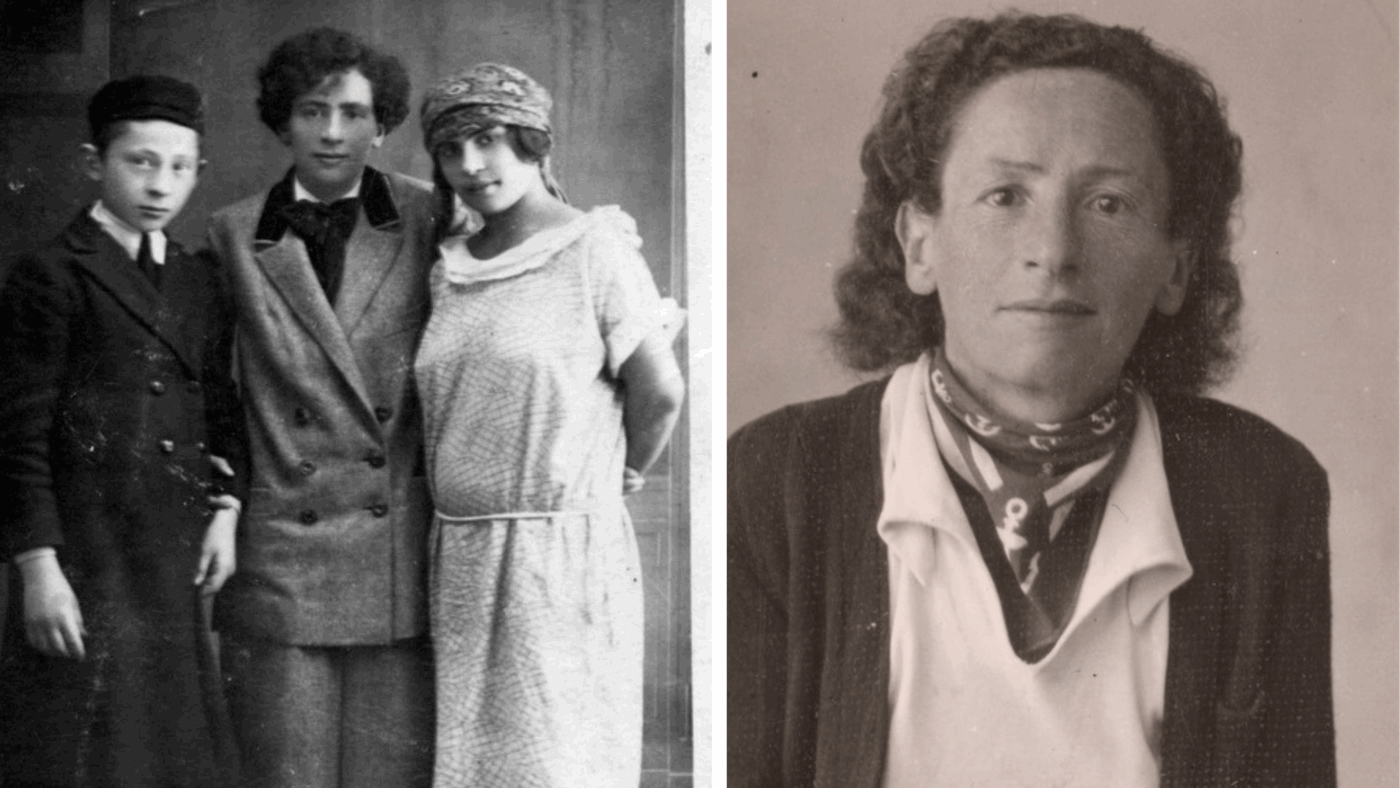
In 1925, a Jewish-Polish immigrant named Eve Adams opened a tearoom at 129 MacDougal Street in Greenwich Village. The spot quickly became a gathering place for artists, poets, activists, and, most notably, members of the lesbian community. An outspoken lesbian and activist herself, Eve undoubtedly changed the course of queer culture and history in our neighborhoods forever.
Born Chawa Złoczower in Mława, Poland, Eve Adams left her home country in 1912 at 20 years old to pursue a life in the United States. She first landed in New York and made some money, as many young immigrant women did at the time, working in garment factories.
Following her great passion, she began working for a variety of radical publications, including Emma Goldman’s Mother Earth. She then found a space in the basement of 129 MacDougal (now home to Village Award winner La Lanterna) and opened her tearoom, which quickly became known as “Eve’s Hangout”.
Eve’s Hangout became an intentional gathering place for lesbian and queer women. The Greenwich Village Quill called the tearoom a place where ‘ladies prefer each other,” and a sign on the door to the tearoom read “Men are admitted but not welcome.”
Eve published her book, Lesbian Love, in 1925, which is thought to be the first ethnography of lesbians in America. This powerful series of short stories captures “scores of women who flirted, courted, or were in love with one another, and some who played with the presentations of their genders” (the New Yorker). To learn more about Eve’s seminal book, you can watch our program with Jonathan Ned Katz from 2021, who wrote about it in length in his book, The Daring Life and Dangerous Times of Eve Adams.
While Lesbian Love was never meant to make its way out of a small circuit of friends, activists, and community members, it soon caught the attention of the police department. After an undercover operation, Eve was arrested in 1926 for “obscenity” and “disorderly conduct,” broad charges that criminalized Eve’s public life as a lesbian. Eve was sentenced to a year and a half in prison. For at least part of her sentence, Eve was jailed at the Jefferson Market Prison in Greenwich Village. As a result of her conviction, Eve was then deported to Poland in 1927. She was later arrested in France in 1943 and deported to the Auschwitz concentration camp, where she was killed.
Deborah Glick, Politician, Preservationist, Community Leader
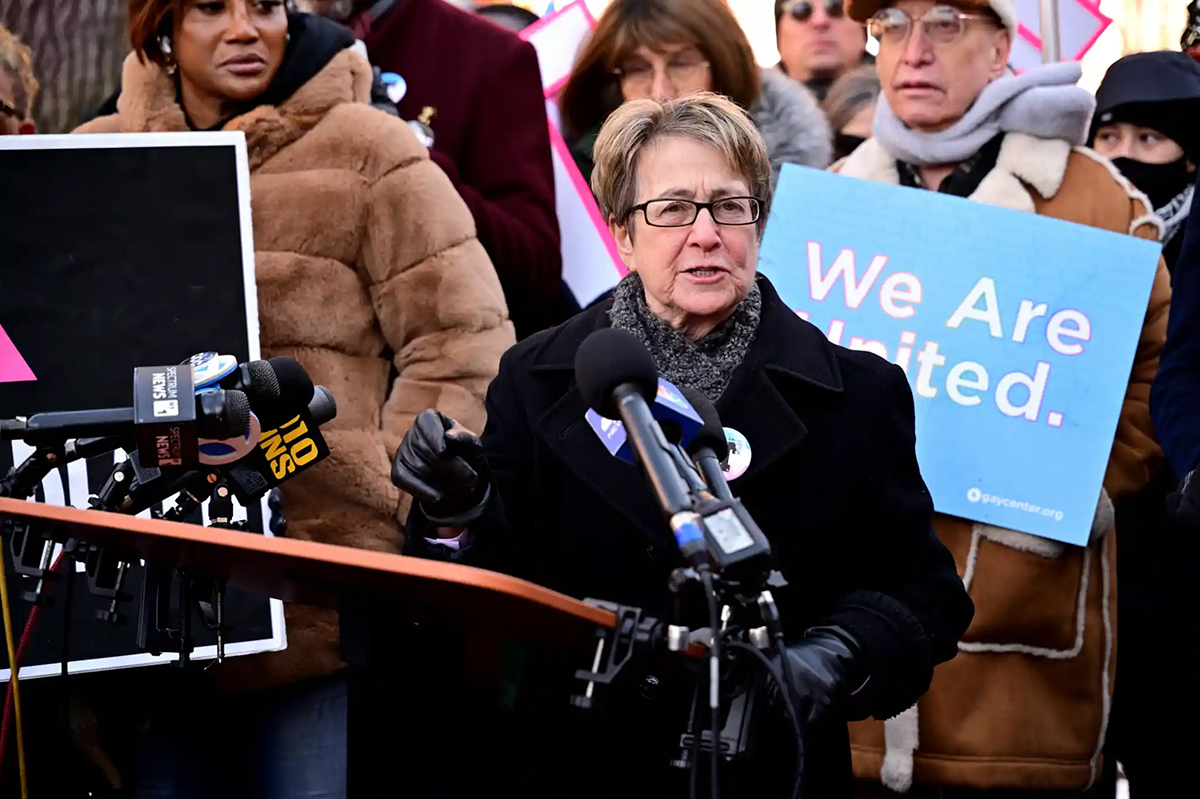
Deborah Glick has proudly served Greenwich Village in the New York State Assembly for three and a half decades. When elected in 1990, she became the first openly gay member of the legislature, and continued to break ground throughout her career, including leading the fight for marriage equality in the state. Shortly before she announced her retirement at the end of her current term, the longtime Village resident sat down with Village Preservation for a recent interview in our series of oral histories.
Born in Queens, Glick became familiar with Greenwich Village at an early age thanks to her father’s and uncle’s printing and stationery business on Hudson Street and St. Luke’s Place. Moving to the Village in the early 1970s while still a student in Queens College, Glick found a community with a vibrant social life and nascent gay culture primarily found in bars.
Glick came out “in, I guess, ’72. There was the Gay Activists Alliance Firehouse on Wooster Street. Friday night, there were women’s dances. On Saturday night, men.” On Sunday afternoons, the alliance held social programming through panels and social events. In 1973, “I came out on a public affairs television program” called New York Illustrated that came to interview the Lesbian Liberation Committee of the Gay Activists Alliance. “And I was willing to be out, thinking, Well, I have this job. If I lose it, I’ll get another one. [H]aving that sort of carefree early twenties attitude of … it’s not a great job anyway, what the hell. … I had to tell my family before they learned TV-wise.”
The future assemblymember shifted into formal political engagement after Ronald Reagan’s election as president in 1980, when she recognized a broader need for political action. Her activism in groups like Lesbian Feminist Liberation and Gay & Lesbian Independent Democrats laid the groundwork for her later campaigns. When Glick ultimately decided to run for office, she did so with the support of community advocates who felt representation was long overdue.
Once in the State Assembly, Glick’s work continued to reflect her Village roots and broader commitments. She faced such legislative battles as pushing the Sexual Orientation Non-Discrimination Act through the Assembly in her third session — it took 10 more years to pass in the Republican-controlled State Senate — as well as securing the wider protections embodied in the Gender Expression Non-Discrimination Act, both in the midst of the AIDS crisis.
Lorraine Hansberry, Playwright, Civil Rights Activist, Journalist

Born in 1930, Lorraine Hansberry was a playwright and activist most commonly associated with Chicago, despite the fact that she attended school and lived much of her life in Greenwich Village.
Hansberry first attended the University of Wisconsin-Madison but left in 1950 to pursue her career as a writer in New York City. She moved to Harlem in 1951, attended the New School in the Village, and began writing for the Black newspaper “Freedom.” In 1953, she married Robert Nemiroff, and they moved to Greenwich Village.
It was during this time that she wrote A Raisin in the Sun, the first play written by a Black woman to be performed on Broadway. The play brought to life the challenges of growing up on the segregated South Side of Chicago, telling the story of a Black family’s challenges in trying to buy a house in an all-white neighborhood. Hansberry’s first apartment in the Village was at 337 Bleecker Street, where she lived from 1953 to 1960. After that, with the success of A Raisin in the Sun, she bought and moved to 112 Waverly Place. Village Preservation unveiled a historic plaque at 112 Waverly Place in celebration of Hansberry’s time there.
Hansberry separated from Nemiroff in 1957 and they divorced in 1964, though they remained close until her death. It was revealed in later years that Hansberry was a lesbian and had written several anonymously published letters to a lesbian magazine, “The Ladder,” discussing the struggles of a closeted lesbian. She was also an early member of Daughters of Bilitis, the first lesbian civil and political rights organization in the United States. According to the NYC LGBT Historic Sites Project, “Hansberry lived parallel lives: one as the celebrated playwright of A Raisin in the Sun, the first play by a black woman to appear on Broadway, and the other, as a woman who privately explored her homosexuality through her writing, relationships, and social circle.” Sadly, she died of pancreatic cancer at the age of 34.
Eileen Myles: Poet, Novelist, Political Commentator

Eileen Myles is many things: an acclaimed poet and novelist. A dog lover. A lesbian and transgender icon. An East Village local. A political commentator. A photographer. A feminist. A neighborhood preservationist. Their contributions to the fabric of New York’s counterculture place them as one of the most influential poets of the city’s past half-century.
Myles is best known for their work as a celebrated poet (An American Poem, Peanut Butter, Working Life), novelist (Chelsea Girls, Cool for You, Inferno: [a poet’s novel], Afterglow), and performer. Their accolades include a Guggenheim Fellowship, an Andy Warhol/Creative Capital Arts Writers grant, four Lambda Book Awards, the Shelley Prize from the Poetry Society of America, the Clark Prize for Excellence in Arts Writing, and a poetry award from the Foundation for Contemporary Arts. The hit show “Transparent” recently quoted their poetry and featured a character based on their likeness.
Myles’ first poetry reading in the city occurred at CBGB in 1974, cementing their affinity with the punk/alternative/DIY culture that defined the East Village in the late 20th century. Myles quickly became a member of the poetry community at St. Mark’s Church in the Bowery, home to The Poetry Project.
A die-hard East Village local, Myles’ love for and dedication to the neighborhood is palpable in writing and action. Myles has gotten involved in many local actions to protect the community and built environment of the East Village and Lower East Side, including opposing the city-planned destruction and redevelopment of East River Park in the early 2020s.
Sarah Schulman, Author, Activist, Historian
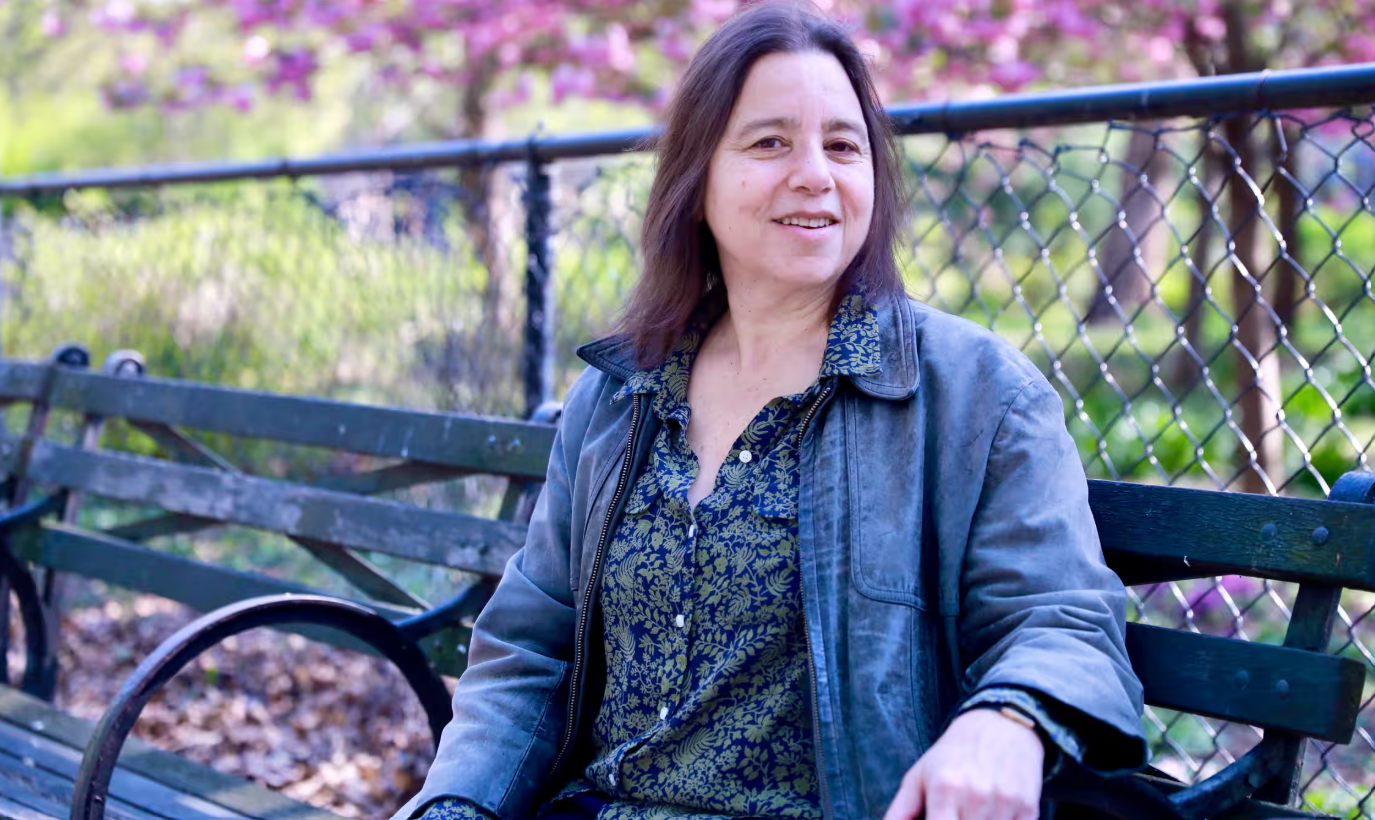
A native Villager, Sarah Schulman was born on 10th Street and has lived on 9th Street for over 40 years. Her deep understanding of our neighborhoods, prowess as a writer, and care for others have allowed Schulman to create work that provides nuanced and candid portrayals of New York culture and queer/feminist activism.
Schulman is best known for her work as a celebrated author (Conflict is Not Abuse, Rat Bohemia, Let the Record Show: A Political History of ACT UP New York, The Gentrification of the Mind, The Cosmopolitans), playwright (Mercy, Carson McCullers), screenwriter (notably working with director Cheryl Dunye), and activist.
Schulman has documented the past 50 years of queer life in New York City through fictional and historical lenses. A vocal lesbian and member of the queer community, Schulman has used her writing as a way to increase representation for fictional lesbian and queer characters. She has also made massive contributions to the documentation of the AIDS crisis in New York, writing about her own experience in activist circles and collecting oral histories of many other participants. Schulman joined Village Preservation in 2022 to discuss her book documenting these oral histories, Let the Record Show. You can watch the recording of this program on our YouTube page.
Schulman was an active member of ACT UP (AIDS Coalition to Unleash Power) from 1987 to 1992. ACT UP was a direct-action group that radically changed how AIDS was perceived and treated in the United States. ACT UP’s strategies targeted the FDA, NIH, Big Pharma, and religious institutions, forcing public accountability at a time of immense governmental neglect.
In 1992, Schulman co-founded the Lesbian Avengers along with Ana Maria Simo, as well as Anne Maguire, Anne-Christine D’Adesky, Marie Honan, and Maxine Wolfe.
Ana Maria Simo, Playwright, Activist, Novelist
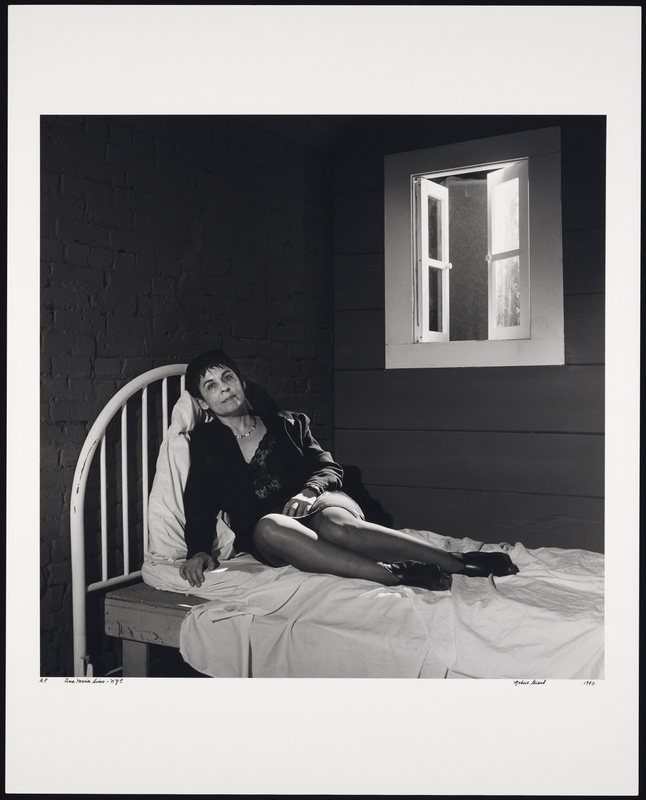
Ana Maria Simo was born in Cuba and worked as a journalist in Havana before moving to Paris and eventually settling in New York in the 1970s. Since that time, she’s worked tirelessly creating her own artistic material that explores themes of Latin culture, sexuality, and gender identity. Simultaneously, Simo has worked to build social foundations for others like her to find support, solace, safety, and strength in community.
In 1976, she co-founded Medusa’s Revenge, the first lesbian theater in New York City. In 1992, she co-founded the Lesbian Avengers, a direct action group dedicated to issues of lesbian survival and visibility. Right here in the East Village, in Simo’s East 1st Street apartment, Simo and longtime lesbian activists Maxine Wolfe, Anne-Christine d’Adesky, Sarah Schulman, Marie Honan, and Anne Maguire created a community that reached legions of women looking for like-minded comrades.
The collective was a direct-action group centering lesbian visibility and empowerment. Their iconic Dyke March continues as a staple of NYC Pride each year. The first meeting took place in July at the New York Lesbian and Gay Community Center in the West Village at 208 West 13th Street, with over fifty women in attendance. It was not long before the group expanded in numbers and took to the city’s streets.
In 1993, after their first successful march on Washington, the Lesbian Avengers organized their first New York City Dyke March down Fifth Avenue to Washington Square Park on the eve of the NYC Lesbian and Gay Pride Parade. It was evident that the Lesbian Avengers’ momentum continued to grow, drawing thousands from across the country for what became an International Dyke March down Fifth Avenue, which coincided with the anniversary of the Stonewall Riots. Today, the Dyke March is still held on the eve of the Gay Pride parades across the world.
Edie Windsor and Thea Clara Spyer: Trailblazers, Activists, Scholars
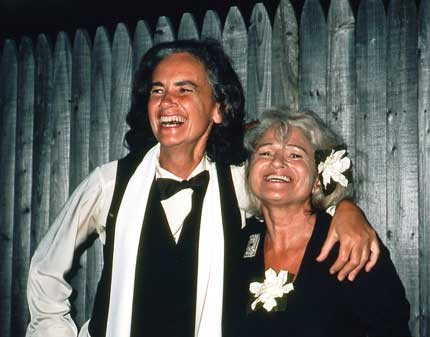
Edie Windsor and her lifetime partner, Thea Clara Spyer, moved to an apartment at 2 Fifth Avenue in 1986, just when it was being converted into a co-op. The couple met in 1963 at the lesbian hangout Portofino, started dating in 1965, and were engaged in 1967.
Windsor, who had a masters degree in mathematics, and Spyer, who had a Ph.D. in clinical psychology, were both active in several LGBT organizations, including SAGE, which sought to enhance the lives of LGBT older adults. The couple became one of the first to register for domestic partnership when New York City made this option available in 1993. They married in 2007 in Toronto, Canada, which was recognized by their home state.
Spyer was diagnosed with multiple sclerosis in 1977 and passed away due to the disease in 2009. Because the federal government did not recognize the couple’s marriage, Windsor was required to pay a large sum of federal estate taxes upon Spyer’s death. Windsor requested a tax refund but was denied due to the Defense of Marriage Act, which prohibited the federal government from recognizing same-sex marriages.
Windsor pushed her case until it reached the Supreme Court in the 2013 case United States v. Windsor. In a landmark moment, the court cited the Fifth Amendment guarantee that people cannot be “deprived of life, liberty or property without due process of law,” and ruled in Windsor’s favor. In states that recognize same-sex marriage, it stated that couples are entitled to the same federal benefits.
Windsor was the Grand Marshall for the NYC Pride parade in 2013 and led the NYC Dyke March in 2016.