
Refugee Week: Preserving Stories of Resilience Through Oral History
Refugee Week takes place every year in the middle of June, coinciding globally with World Refugee Day, recognized annually on June 20. At Village Preservation, one way we honor these experiences is through our Oral History Project, which captures firsthand accounts of the people who have shaped the cultural fabric of Greenwich Village, the East Village, and NoHo.
Among these remarkable stories are those of individuals whose lives were profoundly affected by war, political upheaval, and displacement, and who ultimately helped transform New York City’s creative and cultural landscape.
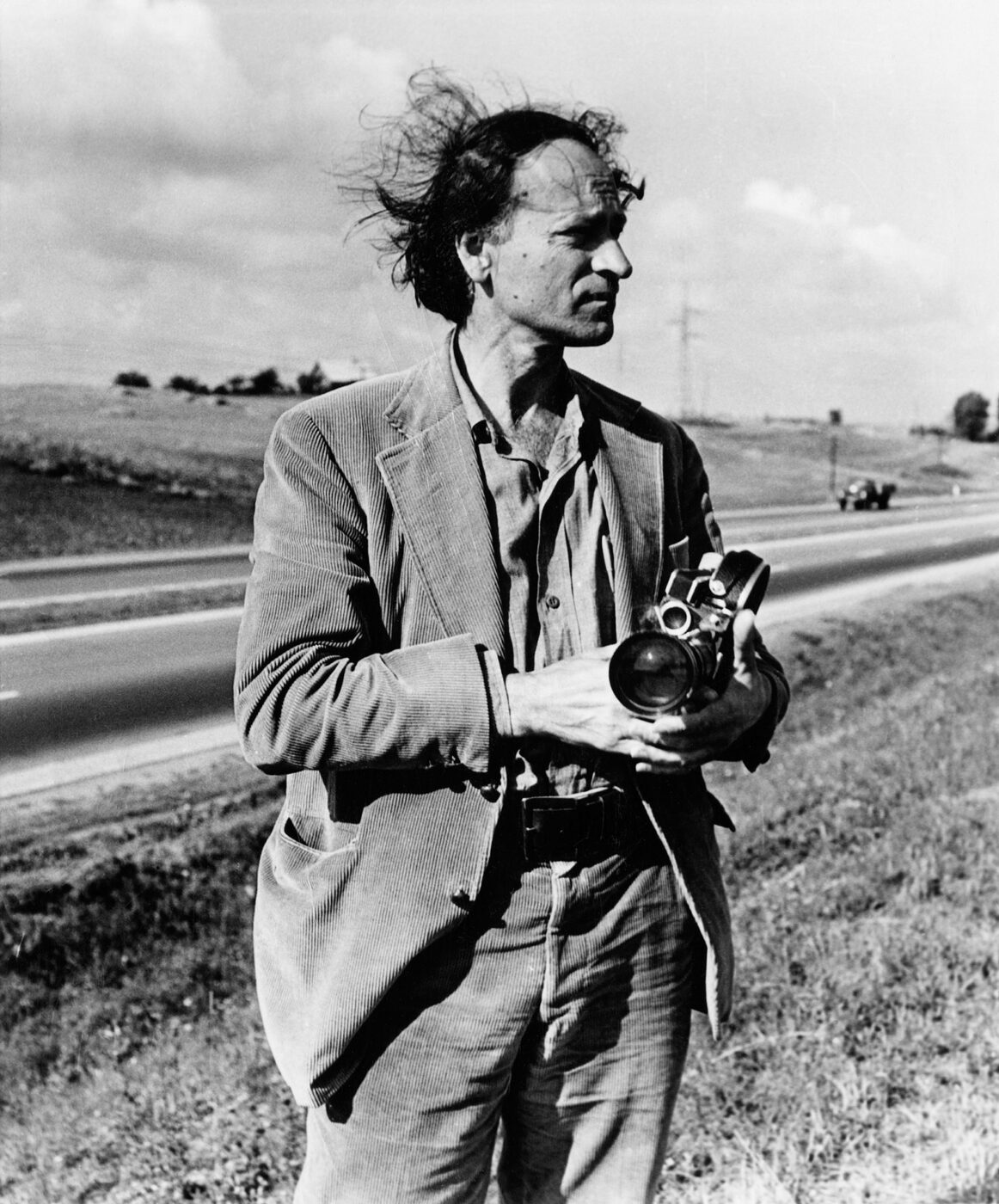
One of the most compelling is filmmaker, poet, and artist Jonas Mekas. Born in Lithuania, Mekas and his brother fled their homeland during World War II, only to be captured by the Nazis and forced into labor camps. After years as displaced persons in Germany, they immigrated to the United States in 1949, settling in Williamsburg before Mekas became a central figure in New York’s avant-garde film movement. His oral history reflects on exile, artistic expression, and the ways in which rebuilding a life in America led to an extraordinary cultural legacy rooted in downtown New York.
To learn more about Jonas’ fascinating life and work in the neighborhood, listen to his entire interview and/or read the transcript, click HERE. To access the entire Village Preservation Oral History Collection, click HERE.
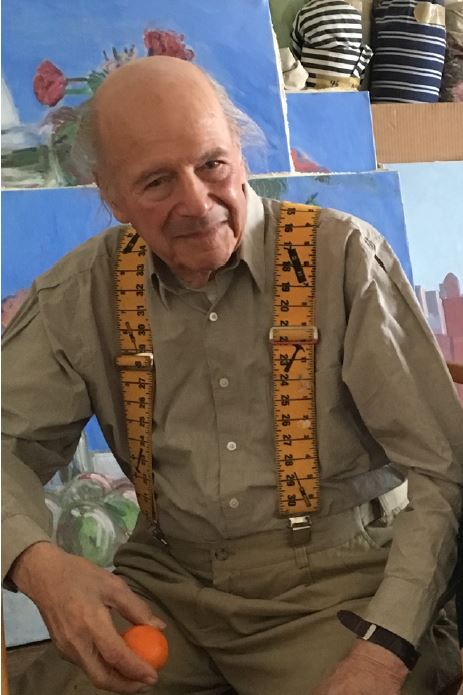
Artist Peter Ruta likewise experienced the upheaval of twentieth-century Europe. Born in Budapest, he survived World War II and eventually left Hungary amid the political turmoil that followed. Establishing himself in New York, Ruta became known for his luminous paintings and stained glass while making his home and career in the Village’s vibrant artistic community.
Village Preservation did some remarkable programs with Peter over the years, including co-sponsoring an exhibition of his work at the Museum of the City of New York. He generously allowed Village Preservation to include three of his paintings in Greenwich Village Stories, Village Preservation’s book published in 2014. His oral history offers a deeply personal perspective on displacement and the enduring power of creativity in forging a new identity. You can access that oral history here.
These oral histories, and so many more in our archives, remind us that refugees and displaced people have long enriched the neighborhoods Village Preservation works to protect. They have founded businesses, created groundbreaking art, built communities, and contributed immeasurably to the civic and cultural life of New York City. Their stories underscore that preservation is about more than buildings; it is about safeguarding the memories and experiences that give those places meaning.
This Refugee Week, we invite you to explore Village Preservation’s entire Oral History Collection and discover the voices that have shaped our neighborhoods. By preserving these stories, we ensure that future generations will understand not only where these communities came from, but also the resilience and hope that helped define them.