
LGBTQ Life 100+ Years Ago: the Havens of the South Village
Just South of Washington Square Park, north of West Houston Street, and nestled between Sixth Avenue and LaGuardia Place are the highly compact blocks that make up the South Village Historic District, for which Village Preservation won landmark designation in 2013. Known for its rich immigrant history, its streets are a hodgepodge of modest Federal and Greek Revival rowhouses, later tenements, small industrial buildings, and commercial storefronts. As a neighborhood, it evolved from a place of affluence to a working-class immigrant quarter to a vibrant epicenter for artists, writers, musicians, and bohemians. Theaters, clubs, nightlife, restaurants, cafes and more began popping up, cementing the area’s role as a true cultural hub. Through it this all, starting in the late 19th century and well into the 20th century, the South Village also become vital and rare center for LGBTQ+ life.
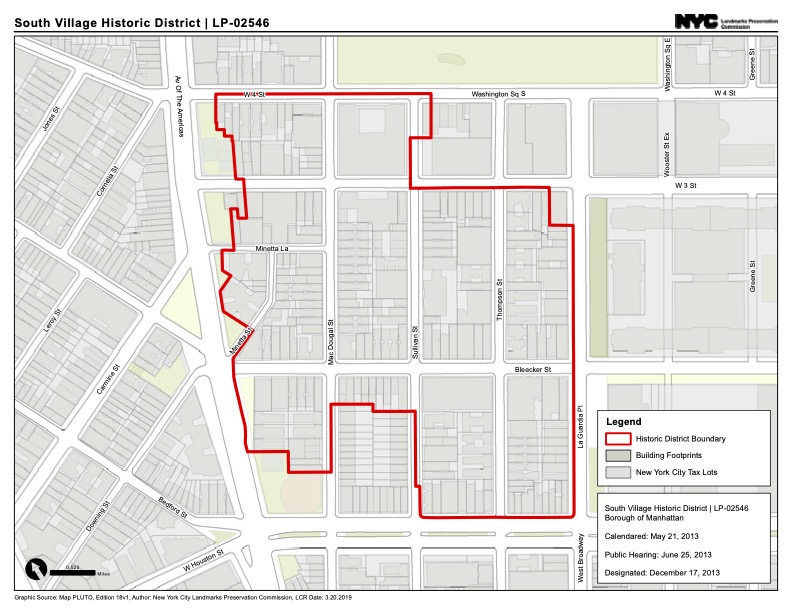
The South Village contained LGBTQ+ communities more than three quarters of a century before the Stonewall Riots. With the help of our Civil Rights and Social Justice Map, as well as the South Village Landmark Designation report, we are exploring two spots that helped shape the neighborhood’s rich LGBTQ+ history and provided spaces for community, visibility, and resistance long before the modern gay rights movement emerged.
The Slide
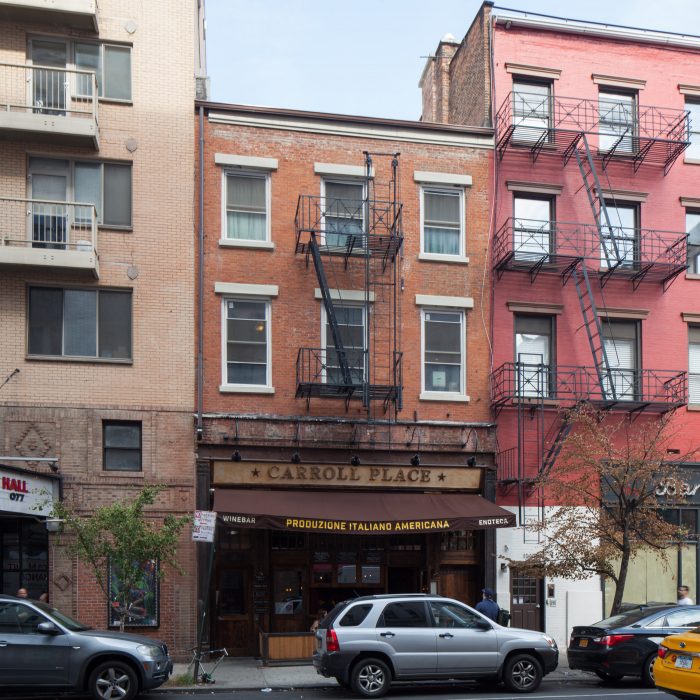
Once called the worst dive in New York because of the “fairies” who gathered there, The Slide, located at 157 Bleeker Street, was one of the Village’s first gay bars. Built in 1835, the building was originally a Federal rowhouse, but was then altered at various points in the nineteenth century to a Greek Revival style home with a storefront. For a short time in the early 1890s, Frank Stevenson owned and operated the bar, giving space for men who might want to “cross-dress” and/or connect with other men. The club garnered quite an infamous reputation, with publications like the New York Press calling it: “the wickedest place in New York.”
A New York Herald reporter wrote:
‘It is a fact that the Slide and the unspeakable nature of the orgies practiced there are a matter of common talk among men who are bent on taking in the town, making a night of it…’ (Gay New York, 37)
But the Slide was much more than a place for taboos and trysts. Rather, it was a meeting place, a hangout spot where individuals already on the outskirts of accepted society could congregate and socialize freely, without judgment or danger. Moreover, the Slide also served as a way for LGBTQ+ men to find emotional support and an entry point into a much larger ‘gay’ world. (Gay New York, 40-41). The Slide was closed by the police in 1892.
Eve Addams Tea Room
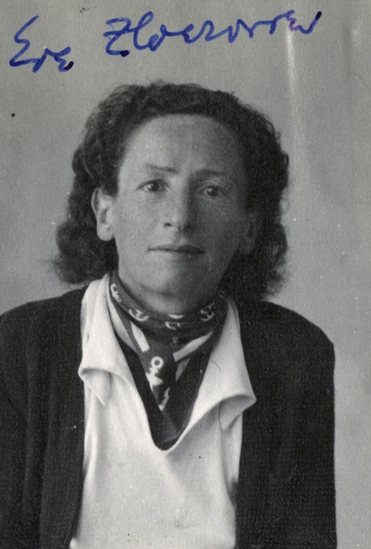
In the years that followed, the neighborhood’s connection to the LGBTQ+ community only deepened. By 1914, the block of MacDougal Street, just south of Washington Square, had emerged not only as a cultural and social center of the bohemian world, but also the lesbian and gay community as well. In 1925, Eve Kotchever (better known by her pseudonym, Eve Addams) opened her tearoom at 129 MacDougal Street. 129 Macdougal Street is now home to the 2025 Village Award winner, La Lanterna; in 2004, Village Preservation won landmark designation of the building.
Born in Mława, Poland, Kotchever emigrated to the United States, through Ellis Island, at 20 years old, in hopes of a better life. After arriving in New York, she worked in garment factories while also contributing to radical publications—namely, anarchist and East 13th Street resident Emma Goldman’s Mother Earth. Kotchever spent the next few years living more nomadically, traveling the country as a saleswoman for a variety of leftist radical publications. Like other feminist anarchists of the time, she was under surveillance by the “Radical Division” of the Bureau of Investigation, run by J. Edgar Hoover, because she was considered an “agitator.”
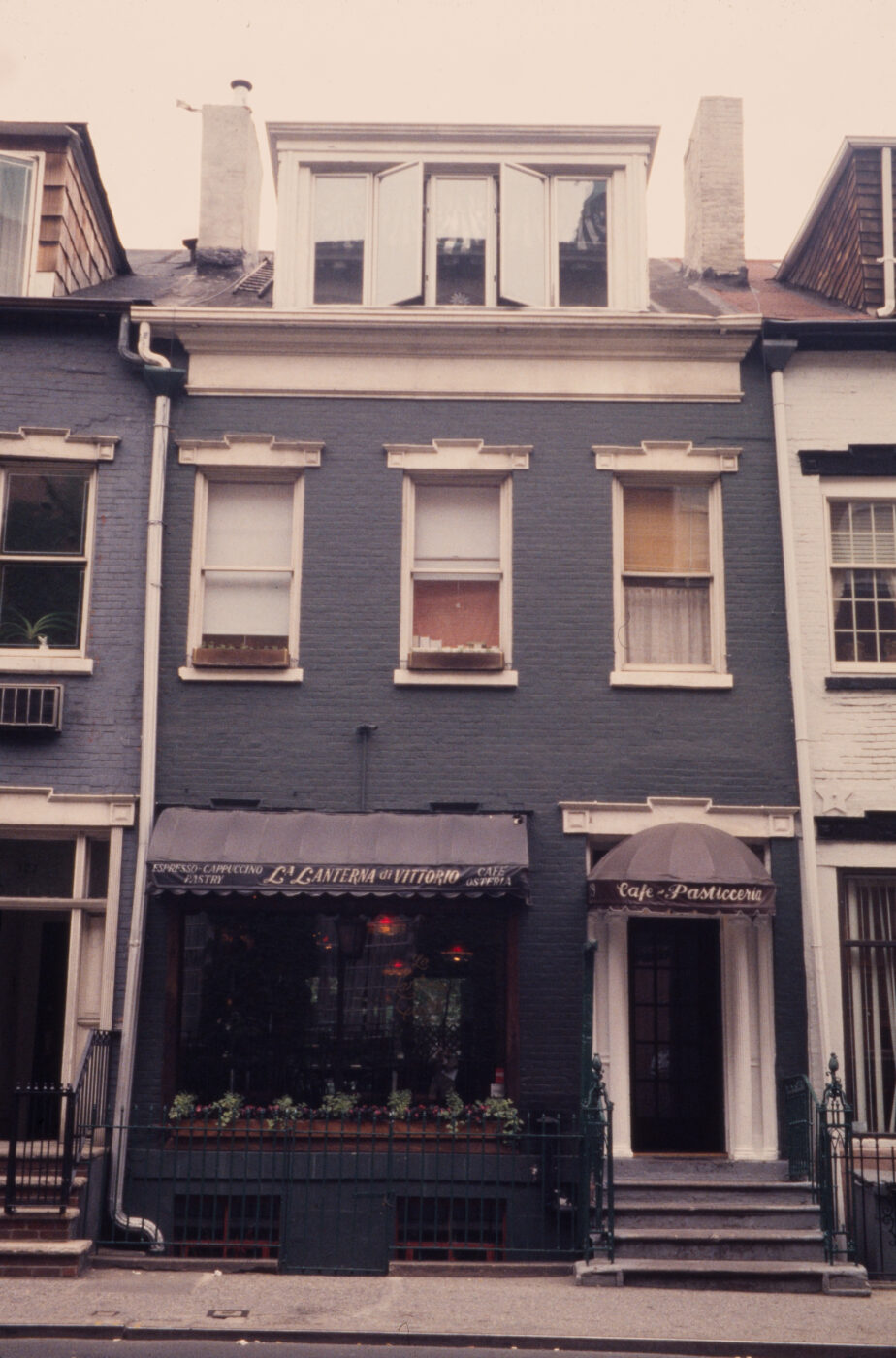
By 1923, Kotchever landed back in New York, and by 1925, she opened Eve’s Hangout, also known as Eve Addams Tearoom, at 129 MacDougal Street. Quickly, the joint became a go-to hangout spot for lesbians to socialize, fraternize, and freely exist. The tearoom sponsored weekly poetry readings, musical performances, and salons, supporting the work of local artists.
Built in 1828-1829, 129 MacDougal is pretty unassuming—a Federal 2 ½ story rowhouse with Flemish bond brickwork and cast-iron finishings—Eve’s Hangout, however, was anything but. On the front door hung a sign that read Men are admitted but not welcome. The Greenwich Village Quill called the tearoom a place where ‘ladies prefer each other.” Many consider the spot the first lesbian bar in New York City. Unfortunately, the free love fun did not last long. On June 17, 1926, the club was raided by police, and Addams was charged with disorderly conduct and obscenity for her collection of short stories, Lesbian Love. She was deported and was later said to have opened a lesbian club in Paris; eventually caught by the Nazis, she was murdered at Auschwitz.
Since the late nineteenth century, the South Village has offered refuge, connection, and visibility to LGBTQ+ New Yorkers in an era when such spaces were rare and often dangerous to maintain. From The Slide to Eve Addams’ Tearoom, these sites remind us that long before Stonewall, the neighborhood played a vital role in fostering queer community, expression, and resistance. To learn about other LGBTQ+ landmarks and institutions, explore our Social Justice and Civil Rights Map here, as well as our collection of Landmark Designation Reports here.
I’m blown away. As an ocassional visitor from California (love it), I really enjoy your newsletter. I had no idea LGBTQ was so much older than the Stonewall riot. Fascinating story about Eve Kotchever (Addams). I was shocked and heartbroken to read of her demise.