
Marking Lafayette’s Lasting Legacy: From Revolutionary Hero to Historic District
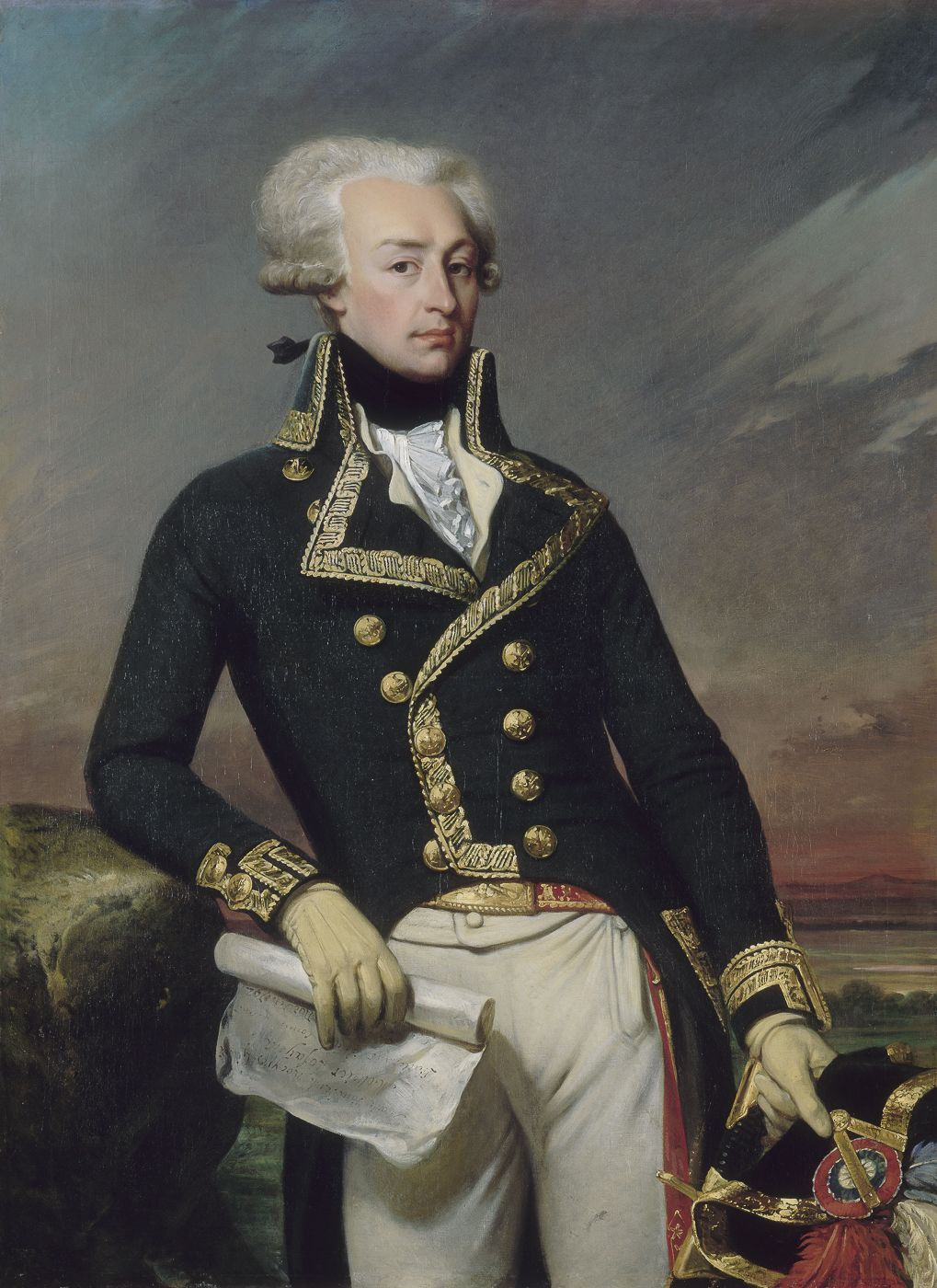
Two important events in New York history took place that, while separated by nearly two centuries, are deeply connected through one of the city’s most historic thoroughfares: Lafayette Street.
In June 1825, the Marquis de Lafayette returned once more to New York City for a final visit during his triumphant farewell tour of the United States. Nearly 174 years later, in June 1999, New York City designated the NoHo Historic District, protecting many of the remarkable nineteenth-century buildings that line Lafayette Street and tell the story of the city’s extraordinary growth after the Revolutionary War era.
Together, these anniversaries remind us that many of New York’s streets are living memorials to individuals and the history they inspired.
Lafayette Returns to a Grateful Nation
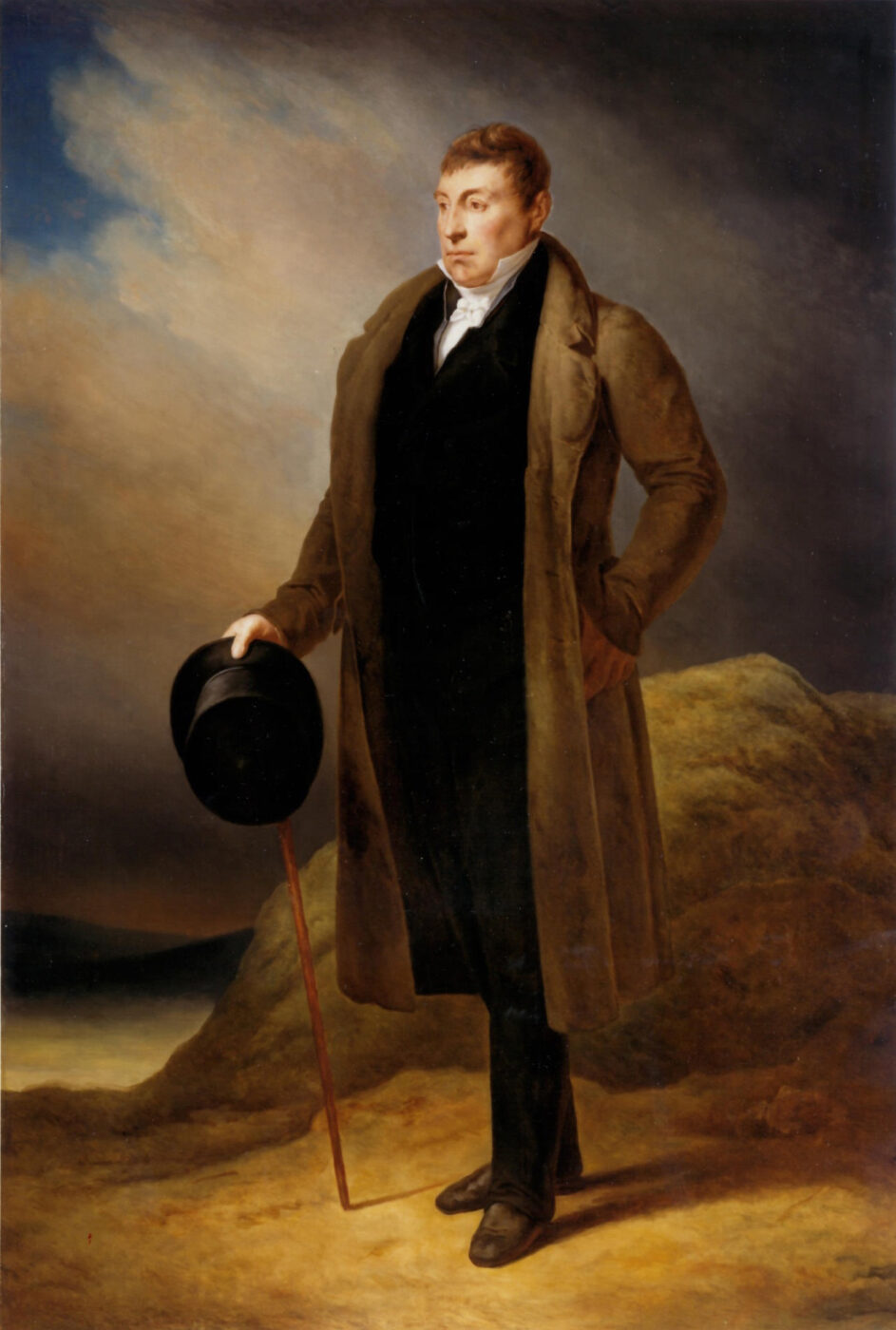
By the time the Marquis de Lafayette arrived in New York in 1825, he had become something more than a Revolutionary War hero. To many Americans, he represented one of the few still-living embodiments of the Revolutionary-era ideals of liberty, democracy, and the close friendship between France and the young United States.
Lafayette had first come to America as a nineteen-year-old volunteer in 1777, serving under George Washington and becoming one of the Continental Army’s most trusted generals. He fought in several pivotal campaigns and played an indispensable diplomatic role in securing French military support, culminating in the decisive victory at Yorktown.
Lafayette’s place in American history extends far beyond his military service. Defying the wishes of the French court, the young aristocrat purchased a ship with his own money and sailed to America, determined to support the cause of independence. Commissioned as a major general in the Continental Army, he quickly earned the confidence of Washington, with whom he developed a lifelong friendship. Lafayette fought bravely at several battles, but equally important were his diplomatic efforts in France, where he successfully persuaded King Louis XVI to increase French military and financial support for the American cause. That alliance proved indispensable to the colonies’ victory. More than a celebrated battlefield commander, Lafayette became one of the Revolution’s most influential international advocates, helping transform a colonial rebellion into a successful struggle for independence and leaving an enduring imprint on the founding of the United States.
Nearly fifty years later, President James Monroe invited the aging general to return as the “Nation’s Guest.” Between August 1824 and September 1825, Lafayette visited all twenty-four states, receiving an enthusiastic welcome unlike almost any other visitor in American history.
Everywhere he traveled, crowds gathered to greet him. Cities staged elaborate parades. Veterans embraced an old comrade. Children born decades after the Revolution celebrated a man they knew only through stories.
His arrival in New York was among the tour’s grandest celebrations.
New York’s Farewell
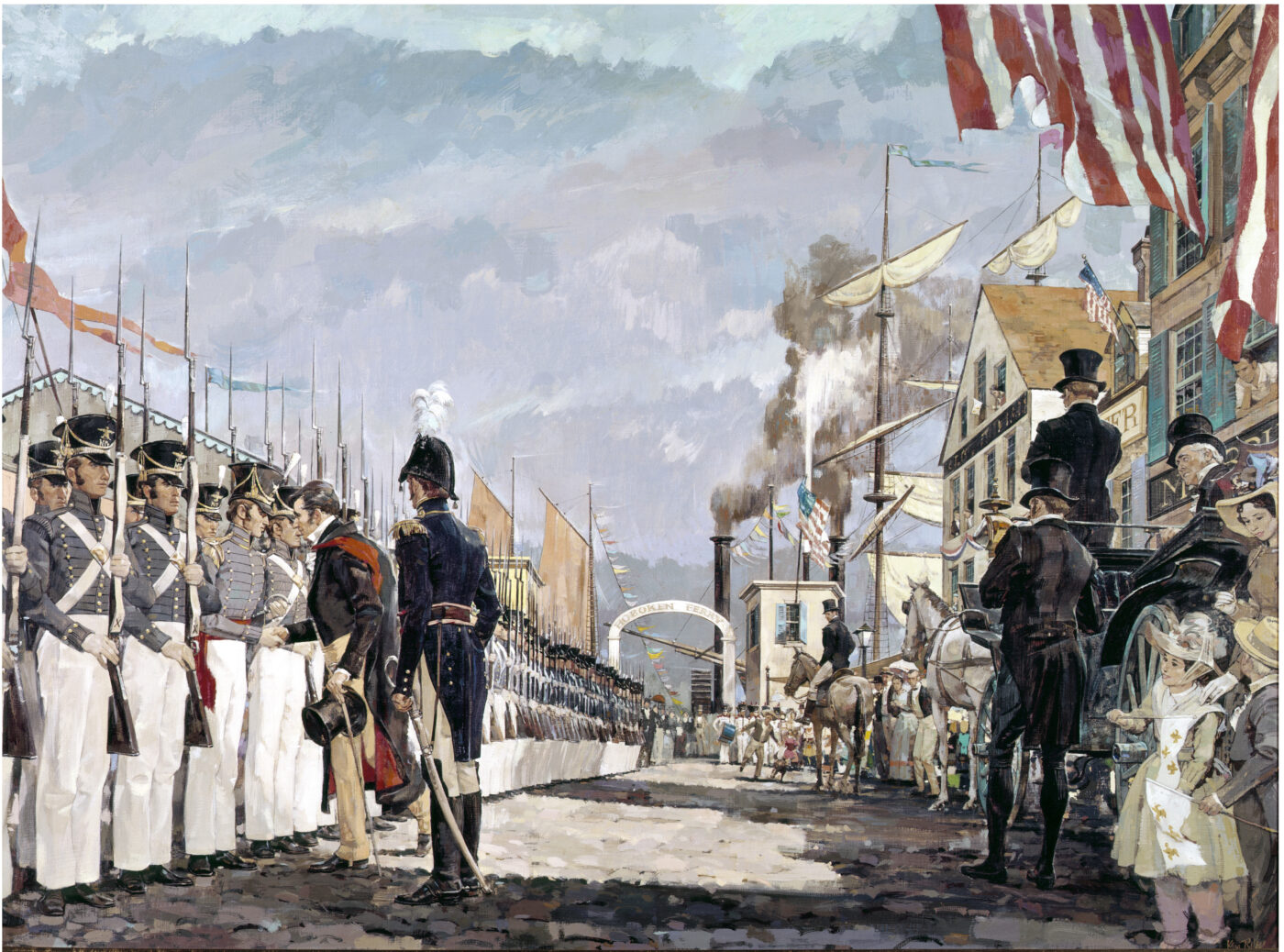
The visit of the Marquis de Lafayette to the U.S., in 1824-25, was in every sense a triumphal procession. The 2d Battalion, 11th New York Artillery, was one of the many militia commands turned out in welcome. This unit decided to adopt the title “National Guard,” in honor of Lafayette’s celebrated Garde Nationale de Paris. The Battalion, later the 7th Regiment, was prominent in the line of march on the occasion of Lafayette’s final passage through New York en route home to France. Taking note of the troops named for his old command, Lafayette alighted from his carriage, walked down the line, clasping each officer by the hand as he passed. “National Guard” was destined to become the name of the U.S. militia.
During Lafayette’s final visit to New York City in June 1825, public receptions, civic ceremonies, military escorts, and celebrations filled the streets. Tens of thousands of spectators turned out to honor the last surviving major general of the Continental Army.
The city Lafayette encountered was changing rapidly.
New neighborhoods stretched northward from the colonial city. Elegant rowhouses rose where country estates had once stood. Commerce flourished, and ambitious public works reshaped Manhattan’s landscape.
The Revolutionary War generation was fading, but New Yorkers were determined to preserve its memory, and few figures embodied that memory more completely than Lafayette himself.
When he departed New York later that summer, many Americans recognized they would never see him again. Indeed, Lafayette returned to France after completing his national tour and died in 1834, forever remembered as “The Hero of Two Worlds.”
A Street Worthy of a Revolutionary
The city found a lasting way to commemorate Lafayette.
Today’s Lafayette Street was created in stages during the nineteenth century as Manhattan expanded northward. In 1826, just one year after Lafayette’s celebrated visit, a portion of the route was renamed in his honor. John Jacob Astor carved a street through the site of Vauxhall Gardens, a pleasure garden and theater, stretching from Astor Place to what is today Great Jones Street, and named it Lafayette Place. The timing was no coincidence. New Yorkers were eager to memorialize Lafayette while memories of his farewell visit remained fresh. Naming one of Manhattan’s major streets after him permanently linked the city’s future growth with its Revolutionary past.
By the early twentieth century, the Lafayette Street as we know it today was born, as older streets originally disconnected from it to the south, such as Elm Street and Marion Street, were widened, extended, and eventually unified with Lafayette Place into a grand north-south boulevard known as Lafayette Street. Unlike many commemorative street names that gradually lose their historical association, Lafayette Street continues to evoke one of the Revolution’s greatest international figures every time New Yorkers walk, bike, or drive along it.
Lafayette Street and the Rise of NoHo
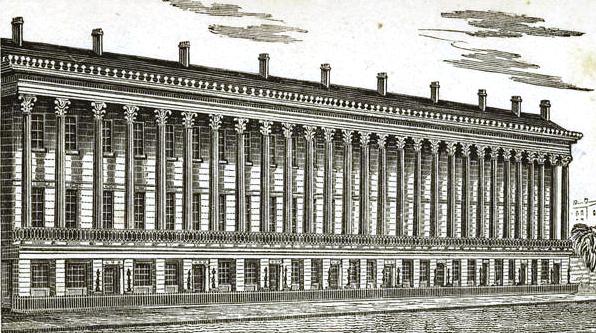
Although Lafayette never saw the buildings that now line much of the street, they stand as monuments to the city that emerged in the decades following the Revolution he helped secure.
Developers embraced cast-iron construction, allowing larger windows, taller buildings, and increasingly elaborate façades. Architects experimented with Italianate, French Second Empire, Renaissance Revival, Beaux-Arts, and Romanesque Revival styles, creating an extraordinary streetscape that reflected New York’s emergence as a global metropolis.
Lafayette Street became home to warehouses, manufacturers, publishers, artists’ studios, and commercial enterprises serving an expanding city.
Many of these remarkable structures survive today.
Protecting an Architectural Legacy
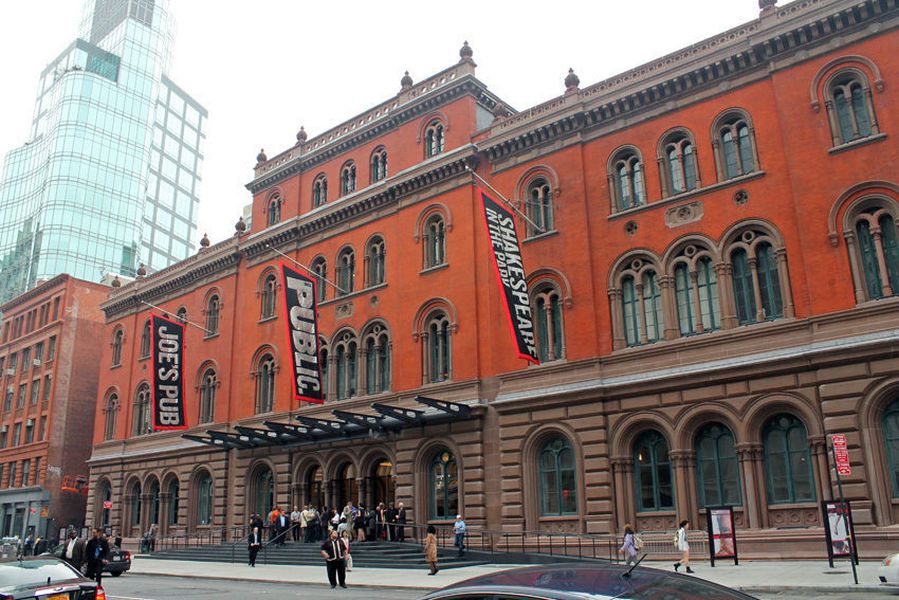
On June 29, 1999, the Landmarks Preservation Commission designated the NoHo Historic District, recognizing the neighborhood’s exceptional architectural and historical significance.
Lafayette Street forms one of the district’s defining corridors. Walking along it today reveals a remarkable cross-section of New York’s architectural evolution—from elegant loft buildings and ornate commercial palaces to later institutional structures that illustrate the neighborhood’s continuing reinvention.
Historic district designation has ensured that these buildings continue to tell the story of New York‘s transformation from an early republic into one of the world’s great cities.
Village Preservation has long advocated for protecting NoHo’s remarkable architectural heritage while documenting the neighborhood’s history through research, educational programs, and advocacy.
Two centuries after New Yorkers cheered the Marquis de Lafayette through their streets, his name remains woven into the city’s landscape, while the historic district that surrounds it ensures that future generations can continue to experience one of Manhattan’s most remarkable neighborhoods.