
The Church of the Ascension, Parish House and Rectory – Greenwich Village Historic District
The block of Lower Fifth Avenue between West 10th and West 11th Streets is notable for reflecting the development of this prominent thoroughfare in the period from 1841-1929. During that time, it was transformed from an area of open meadows to the home of grand freestanding houses and churches of prominent members of New York society, to an avenue in which handsome pre-War and early post-War apartment buildings now predominate.
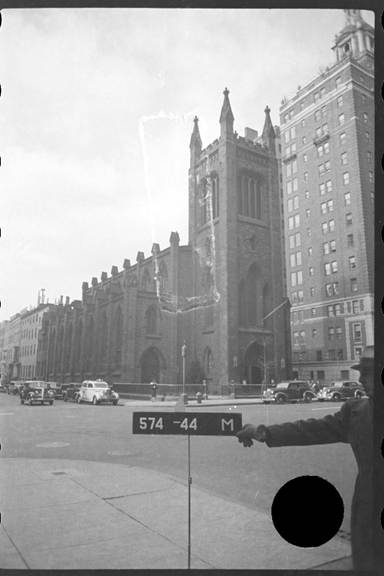
Figure 1 – The Church of the Ascension, c.1940 (NYC Municipal Archives)
The Church – 36-38 Fifth Avenue
The story of the church begins in 1827 at its founding, and its physical journey over the following years is a story that is not uncommon for houses of worship in New York. At the outset, this new parish did not have a home to meet in, and as such they accepted the offer to be hosted by a French Huguenot parish (The L’Eglise Francais du Saint-Esprit) that was located downtown at the northeast corner of present-day Pine and Nassau Streets.
In 1827 the church secured a site for the parish located on the north side of Canal Street, a bit east of Broadway, where they completed the new building in 1829. The church would be located at this site for the next twelve years until that Greek-Revival style building was destroyed in 1839 in a fire that started in the carpenter’s shop. As had occurred over a decade earlier, the church once again relied on the kindness of other houses of worship and took refuge at the Dutch Reformed Church located at Astor Place and East 9th Street.
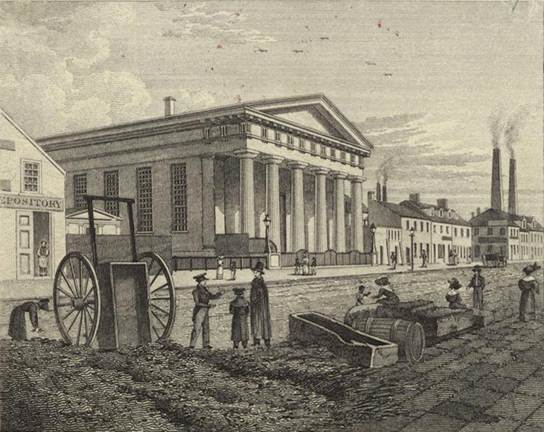
Figure 2 – The Church of the Ascension – Canal Street, c.1831
As the city continued its unending march north on the island of Manhattan, the church sought a location further uptown, and identified a prime site located on the developing Fifth Avenue corridor at the corner of West 10th Street. The church purchased the site for the considerable sum of $32,000. Wanting to make a statement that both the church and the developing neighborhood had arrived, they sought out the noted New York architect Richard Upjohn to design the new building.
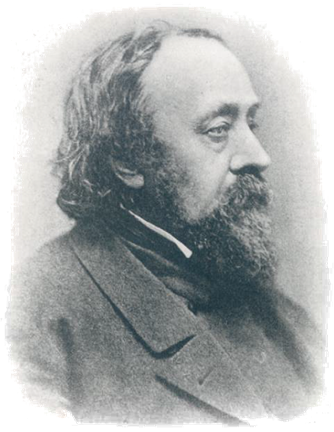
Figure 3 – Richard Upjohn (Architectural Research Centers Consortium)
Upjohn had established his place in New York with the design of the third Trinity Church downtown. He had become an architect of choice for prominent members of society along the East Coast designing many prominent homes in locations such as Newport, Rhode Island that would come to be the primary summer retreat for the elite of the period.
For the church, Upjohn’s vision for the design was strongly influenced by the European Gothic style, and he chose to design it in a Low-Gothic style. While the design employed Gothic style influences, it was notably understated and largely free of decoration. This lack of ornamentation carried over to the windows that were free of any imagery.
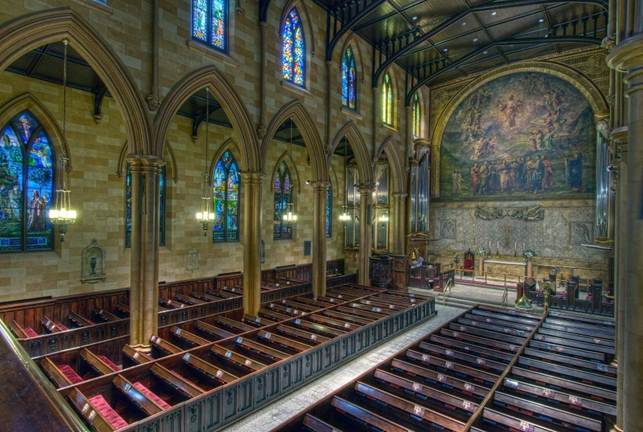
Figure 4 – The Church of the Ascension – Interior, c.2009 (Evergreene Architectural Arts)
The present-day church is the work of not one, but two notable New York architects, with later alterations to the interior overseen by Stanford White. White was responsible for the removal of the galleries on both the north and south sides of the nave in 1885, and in 1894 for the installation of a new organ and related work.
The interior saw several additional significant alterations, including the mural added in 1888 by noted artist John La Farge of “The Ascension,” and the installation of a stained-glass window by Tiffany and Company in 1894. A more recent alteration in 2011 saw the installation of a new organ that is said to be the first in New York built in France.
From its opening in 1841, the church played an important role in the life of Greenwich Village. In 1842, they established a parish school to serve the poor residents of the neighborhood (the school would later occupy a new building at 12 West 11th Street that was completed in 1844). In 1907, the church established the Public Forum program that would see notable speakers including Booker T. Washington and Mayor Fiorello La Guardia. The church’s food pantry was established in 1982.
Noted members of the church over the years have included Mark Twain, the celebrated writer and author of such works as the Adventures of Huckleberry Finn (1884); James Renwick, Jr., the noted architect of St. Patrick’s Cathedral (1879) and a host of landmarks throughout Greenwich Village and East Village; and members of the New York society that shaped the development of the city such as the Astors and Belmonts.
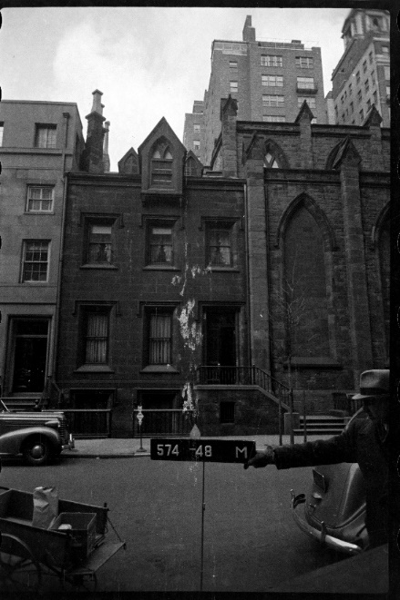
Figure 5 – The Church of the Ascension – Rectory, c.1940 (NYC Municipal Archives)
The Rectory – 7 West 10th Street
“Despite its humble background as an inexpensive local substitute for marble or limestone, brownstone came to epitomize luxury and architectural sophistication.”[1]
The Rectory was constructed in coordination with the church, in 1841, though it’s unclear who the building’s architect was. For the Rectory, the Gothic Revival style is used, much as for the church, with a three bay wide composition with punched openings, hooded lintels, and a central pointed dormer that projects out from the cornice supported by brackets.
In addition to its design, the material palette for the Rectory is notable as quite possibly the first residential building in Manhattan to use brownstone for its façade, in this case with the rough finish for the blocks.
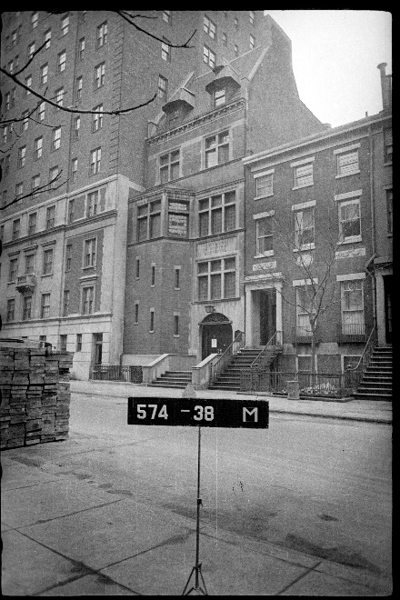
Figure 6 – The Church of the Ascension – Parish House, c.1940 (NYC Municipal Archives)
The Parish House – 12 West 11th Street
The distinctive Parish House was constructed in 1888 by the notable New York architectural firm of McKim, Mead & White. It’s notable for its asymmetrical façade with distinctive features, including a three-story projecting bay, varied fenestration including single and ganged windows of varying types, and a mansard roof with paired dormer windows. The façade is clad in Roman brick and limestone, and was designed in the Northern Renaissance Revival style, adding to the varied architectural styles found along this block. The careful design of the building carried over into the interior, including the notable main gathering space of the parish hall.
The Parish House occupies what had been the location of the church’s four-story school building, which itself had been constructed in 1844.
To learn more about the history of buildings like the Church of the Ascencion on Lower Fifth Avenue, explore our Fifth Avenue: 1824 to Today Map. To explore the history of more buildings like the church within the Greenwich Village Historic District, explore our Greenwich Village Historic District Map , and take the tour of the Greenwich Village Historic District churches . To learn more about the history and architecture of the Church of the Ascension, read its National Register of Historic Places report on our website.
[1] Charles Lockwood & Patrick W. Ciccone with Jonathan D. Taylor, Bricks & Brownstone (New York: Rizzoli International Publications, 2019), 129.