
Before She Was the Queen of Pop: Madonna, Lower East Side Girl
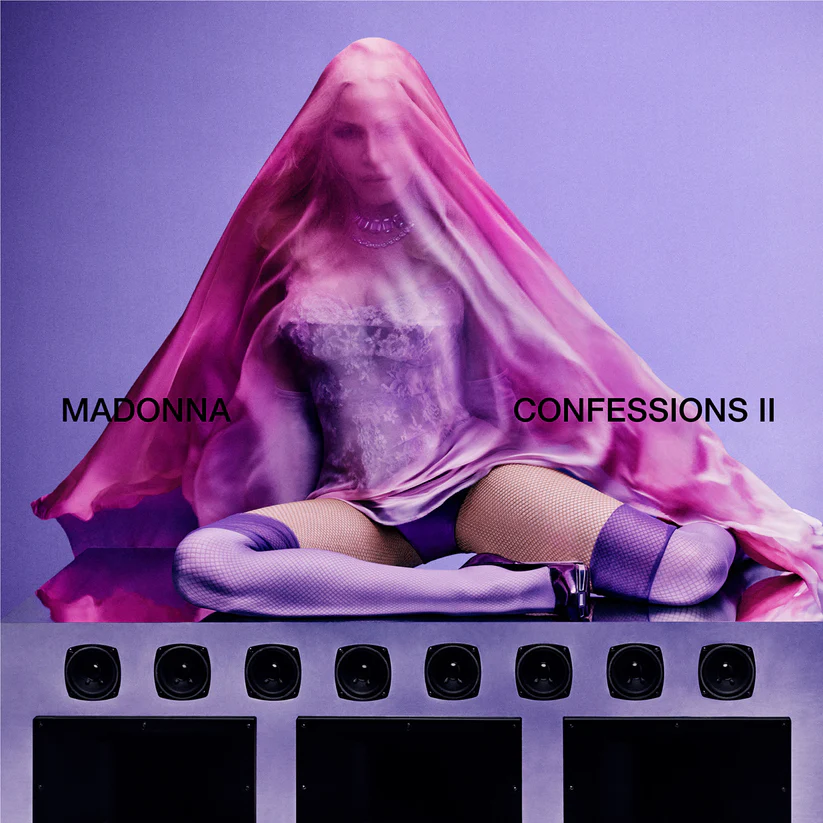
More than four decades after arriving in New York with little more than ambition and determination, Madonna has come full circle. Her album, Confessions II, released in the summer of 2026, is not simply a sequel to her landmark 2005 dance record Confessions on a Dance Floor. It is a love letter to the New York neighborhood that shaped her as an artist. It is also a return to her title as the Queen of Pop with its homage to the power and appeal of nightlife and dance. But is also a reflection of the powerful musical and artistic influences of New York, the East Village and the Lower East Side, particularly in the 1980s, which helped shape and sharpen her talent through the decades.
For those interested in the history of the East Village and Lower East Side, the album is especially fascinating. Several tracks are steeped in memories of the neighborhood’s clubs, artists, musicians, and creative energy during the late 1970s and early 1980s, when the area was a global center for artistic experimentation. For Madonna it was home in the early 1980s, having lived at 230-232 East 4th Street.
A Lower East Side Girl
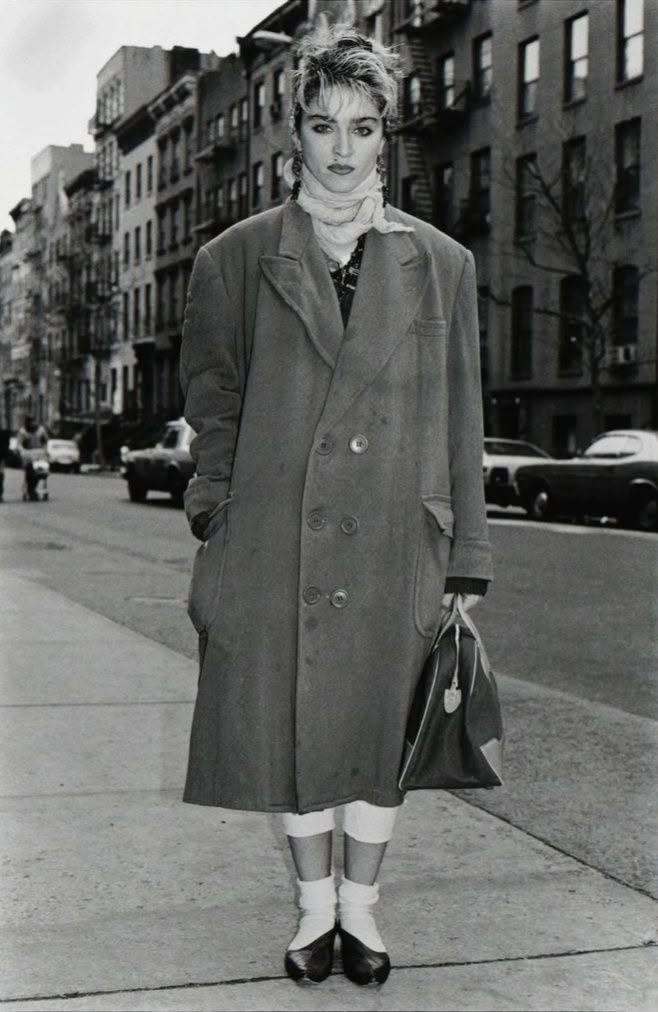
Confessions II closes with “L.E.S. Girl,” an introspective tribute to Madonna’s early years living in the East Village and the Lower East Side. Rather than presenting the neighborhood through nostalgia alone, the song reflects on the struggles, friendships, and resilience that defined her earliest years in New York. Critics have described it as one of the album’s most personal moments, balancing memories of hardship with gratitude for the community that helped launch her career.
The song begins:
“On Avenue B, she paints her lips cherry red
Mirror cracked in her hand
Eyeliner smeared, running out the door
Still there from the night before
Lower East Side girl
Lost in a fragile world…“
And continues:
“He played guitar on St. Mark’s Place
Had a Marlon Brando face
Painted nails the same shade as his boots
Bleach blonde dirty roots
Lower East Side girl
Lost in a fragile world
Drink too much whiskey
Cigarettes when he kissed me
Lower East Side boy
I wasn’t meant for you…“
When Madonna moved to New York in 1978, the Lower East Side was very different from the neighborhood we know today. Vacant lots, abandoned buildings, affordable apartments, and a flourishing underground arts scene made it a magnet for young artists, musicians, dancers, and performers. The neighborhood’s rough edges became fertile ground for creativity, producing an extraordinary generation of artists whose influence continues to shape popular culture.
Dancing Through Downtown History
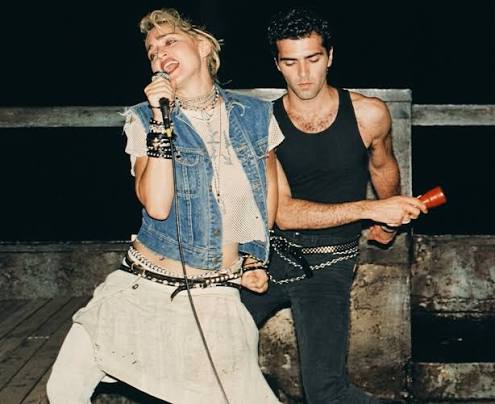
Perhaps the album’s most exuberant celebration of New York nightlife is “Danceteria,” named after the legendary nightclub that became one of Madonna’s earliest artistic homes. While the club itself was located just outside our neighborhoods, the lyrics of this incredible dance track reads like a roll call of the artists, musicians, and cultural figures who transformed the East Village and Lower East Side into one of the world’s most exciting creative communities.
The third verse of “Danceteria” is:
“This is how we start the party
There’s Fab Five Freddy and Basquiat
Keith Haring and Kenny Scharf
Everyone came from Shafrazi
Sha-fra-zi to the beat
There’s Maripol and a guy named Fred
See these guys spinning on their heads
There’s Rock Steady Crew and Crazy Legs
Puerto Rican boys, they make me crazy
They made me crazy
Nile Rodgers and David Byrne
B-52s had money to burn
Lounge Lizards had so much style
Lower East Side, take a walk on the wild side“
Some of the most recognizable names Madonna mentioned in her song with neighborhood connections include:
- Fab Five Freddy, whose work helped bridge the worlds of hip hop, graffiti, and contemporary art.
- Jean-Michel Basquiat, whose groundbreaking paintings emerged from the downtown art scene.
- Keith Haring, whose iconic murals and public art became synonymous with New York in the 1980s.
- Kenny Scharf, another central figure of the East Village art movement.
Many of these figures lived, worked, performed, or exhibited in the East Village and Lower East Side, where inexpensive lofts, galleries, clubs, and performance spaces fostered collaborations across artistic disciplines. Music, visual art, dance, fashion, and performance blended together in ways that continue to inspire artists today.
The Neighborhood That Made a Superstar
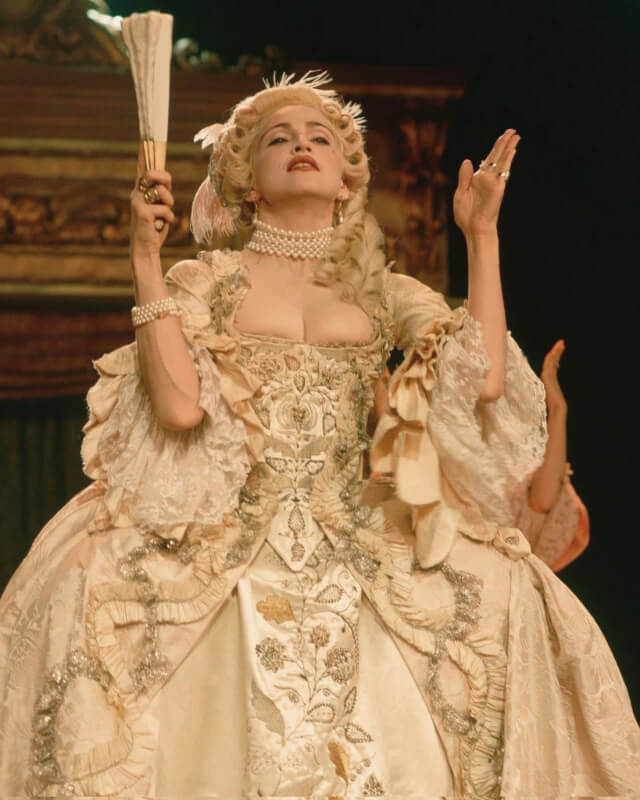
Madonna has often credited New York with giving her the freedom to reinvent herself. In her song “I Love New York” from her original Confessions album, Madonna sang:
“Other cities always make me mad
Other places always make me sad
No other city ever made me glad except New York
I love New York
I love New York
I love New York“
This city has been and remains an empire of talent, with an unbelievable concentration of such in the clubs, galleries, and streets of the East Village and Lower East Side that have provided a place where ambitious young artists could experiment, fail, collaborate, and ultimately thrive.
While much of the neighborhood has changed dramatically over the past forty years, countless buildings and streetscapes still evoke the world that nurtured Madonna alongside Basquiat, Haring, Fab Five Freddy, Talking Heads, Blondie, and so many other cultural innovators.
Confessions II reminds listeners that behind Madonna’s global superstardom was a young artist finding her voice in one of New York City’s most dynamic neighborhoods. Through songs like “L.E.S. Girl” and “Danceteria,” she pays tribute not only to her own journey, but to the remarkable East Village and Lower East Side community whose creativity transformed music, art, and popular culture around the world.
Celebrate this city and our neighborhoods by listening to the instructive lyric repeated many times in the song “Danceteria”:
Everybody get up and dance.