
Margot Gayle’s Oral History and the Fight to Save Jefferson Market
The year was 1996. The first mobile flip phone had just hit the market, the Spice Girls were topping the charts with their hit single Wannabe, and President Bill Clinton won reelection. The year’s technological, social, and political innovations laid the groundwork for what became the world we know and enjoy today.
And in New York? Jonathan Larson’s Rent opened on Broadway, and quickly became a total sensation; a massive nor’easter dumped some 30 inches of snow on the city, effectively shutting everything down; and on July 23rd of that year, Village Preservation interviewed long-time Greenwich Village resident and preservationist Margot Gayle.
Oral histories are a time capsule, offering listeners lived experiences full of emotional depth, the personal charm and character of the speaker, and an incredible retelling of the realities of someone from that era. Village Preservation has a vast collection of oral histories in our archive, preserving firsthand accounts from people who helped shape our neighborhoods. Today we are revisiting Margot Gayle’s oral history to hear, in her own words, how a grassroots movement helped save one of the Village’s most beloved landmarks.
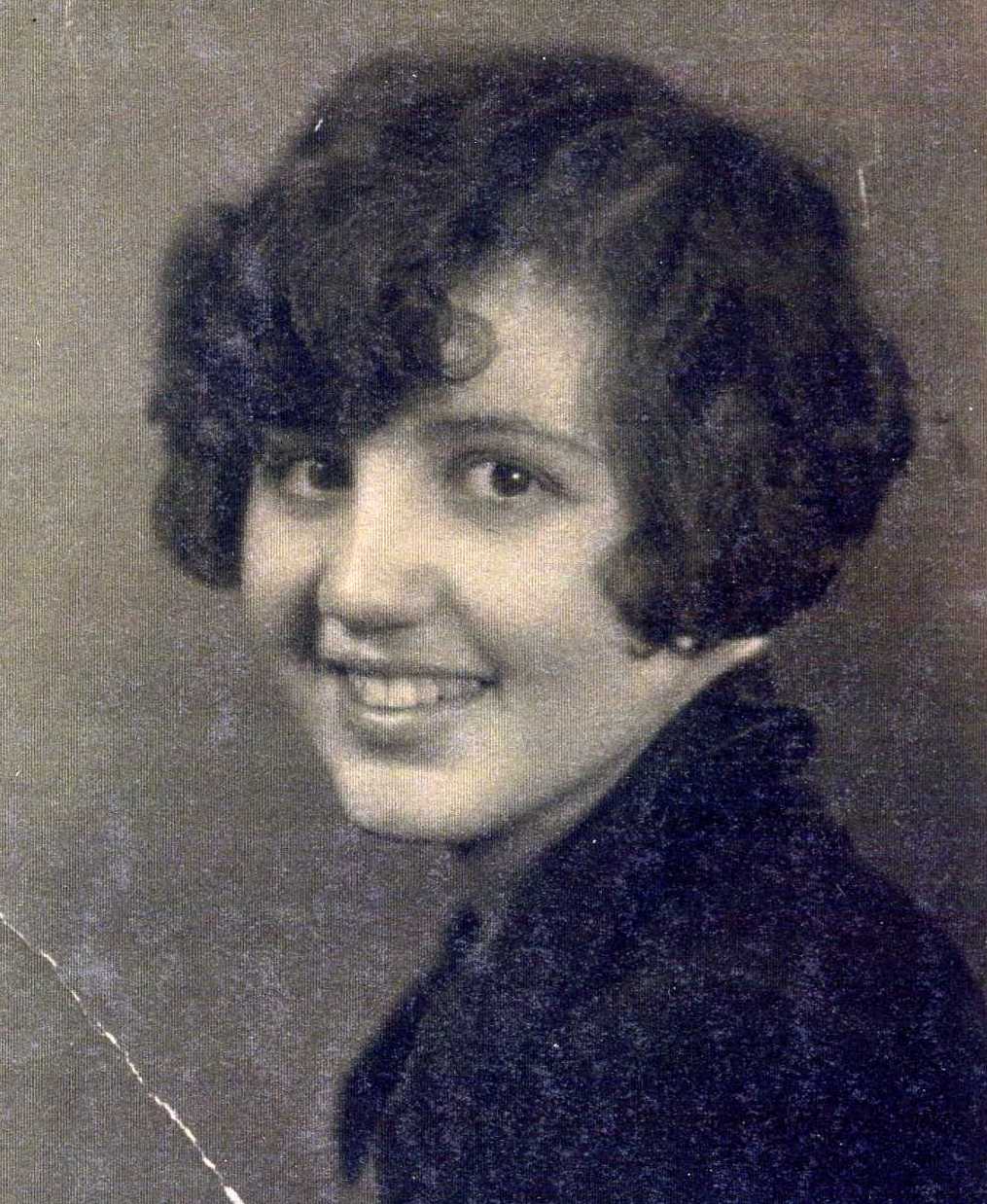
Born May 14, 1908, in Kansas City, Missouri, Margot Gayle moved to Greenwich Village after earning a Master’s Degree in bacteriology from Emory University. Always an active member of the Democratic Party, Gayle became particularly involved in New York City politics through her dedication to historic preservation. And by the end of the 1950s, Gayle organized the Village Neighborhood Committee and, with its support, led a successful grassroots campaign to save the Jefferson Market Courthouse from demolition and transform the building into a library.
Gayle’s introduction to the preservation movement came through Alan Burnham of the Municipal Art Society, who recognized the architectural significance of the Jefferson Market Courthouse. Around 1956 or 1957, while working for the New York City Planning Department, Gayle joined the Municipal Art Society. And as the organization’s first female member, Gayle was not allowed to attend their meetings, as they were held at the male-only Century Club. As Gayle put it,
So they went to lunch, and they had the meetings, and then I’d read the minutes. [Laughs] Looking back, you’d think I should be annoyed, but I was just glad to be involved.
Gayle’s work in city government also introduced her to many of New York’s most influential political figures. Through the Planning Commission, City Council members, and even the mayor’s office, she built relationships that proved invaluable to her preservation campaign. And those connections paid off when Manhattan Borough President Ed Dudley agreed to pull the Jefferson Market Courthouse from auction.
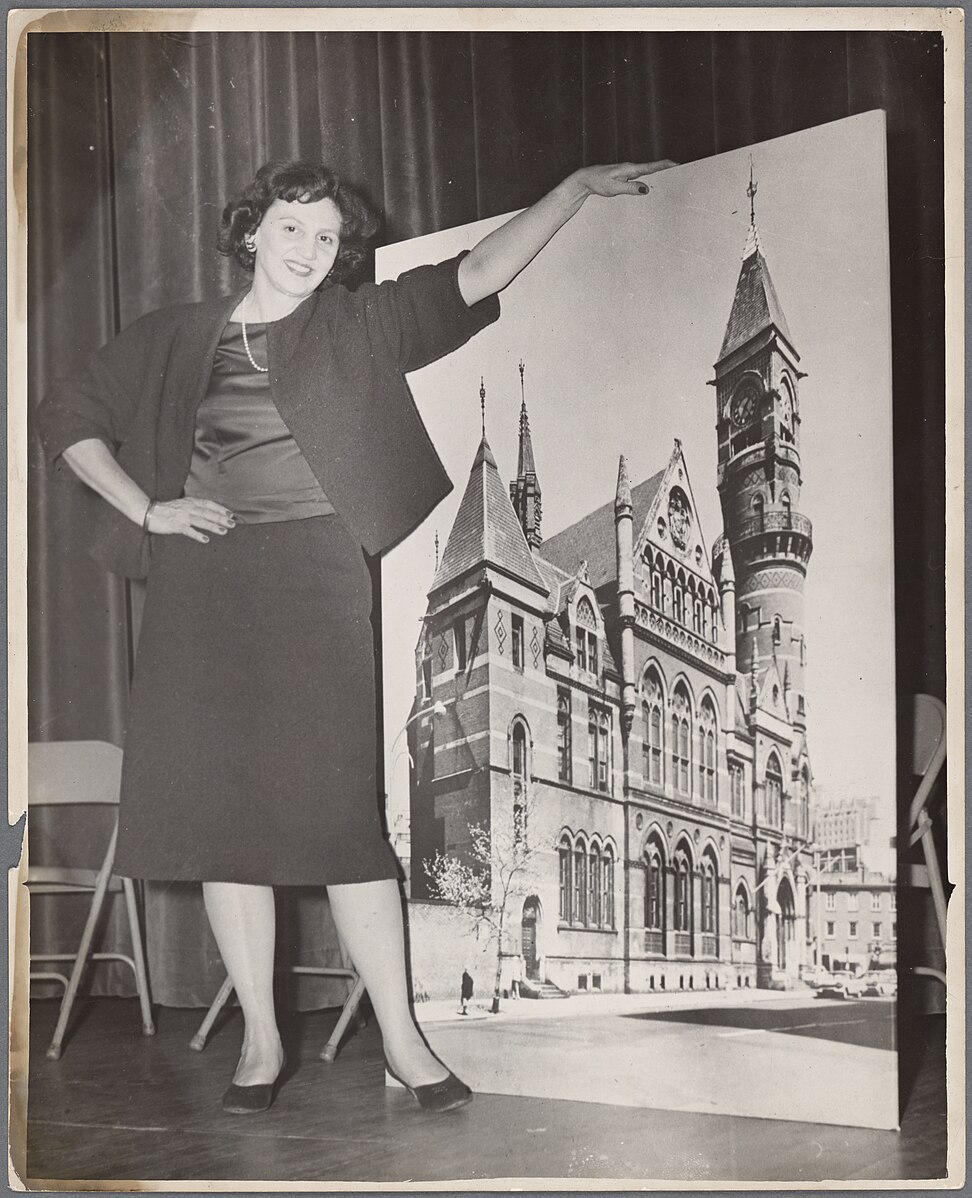
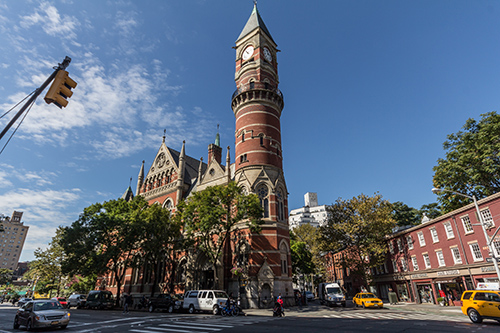
Gayle worked with a group of similarly-minded Villagers and activists to save the Jefferson Market Courthouse, located at 425 Sixth Avenue, from demolition. In addition to Alan Burnham, people like Harold Birns, Ruth Spurte, and Jane Jacobs were involved in the fight. Eventually, the group settled on converting the building into a library. First, there was a committee to save the clock and get it working—because everyone from schoolchildren to commuters needed that four-faced clock! And the clock came with the building, so saving it garnered a lot of neighborhood interest and attention. Gayle reflects how the group joked, “we can’t have the clock if there’s not a building to hold it up.”

Designed by Frederick Clarke Withers and Calvert Vaux, the Jefferson Market Courthouse was built in 1877, equipped with its fire-watch bell tower and lighted clock dial. And the clock was hand-wound. As Gayle describes, George Spinner, who ran an antique shop on 10th Street, would climb the tower once a week to wind up all the weights that would power the clock for the week. Gayle remembers it would take Spinner about “20 minutes to wind up the weights that have to be lifted. Then they, for about a week, would keep descending and descending and descending, and would operate the hands of the clock.”
Gayle’s committee of experts and preservationists continued to help honor the integrity of Jefferson Market. She cites Jack Felt, who was chairman of the Planning Board at the time: “he almost single-handedly reduced the zoning on that block so that we’d have a view of that tower in both directions.” And Mayor Robert Wagner Jr. put pressure on the New York Public Library, saying that capital budget funds for a new library in the Village could only be used if those funds were applied toward rehabilitating the historic Jefferson Market Courthouse.
Gayle went on to meet Sir Nikolaus Pevsner, who aptly reminded her and three other New Yorkers that “if you Americans don’t save your 19th century things, you don’t have all that much to safeguard. You don’t have Roman ruins, you don’t have Gothic cathedrals.” Inspired, Gayle cofounded the Victorian Society in America, hosting the first meeting in her West 9th Street apartment.
Gayle’s work to save the Jefferson Market Courthouse was only the beginning of her lifelong commitment to historic preservation. She went on to save much of SoHo’s cast iron architecture, helped enact the Landmarks Law of 1965, and became a preservationist icon for generations to come. Without her efforts, our neighborhood would look starkly different.
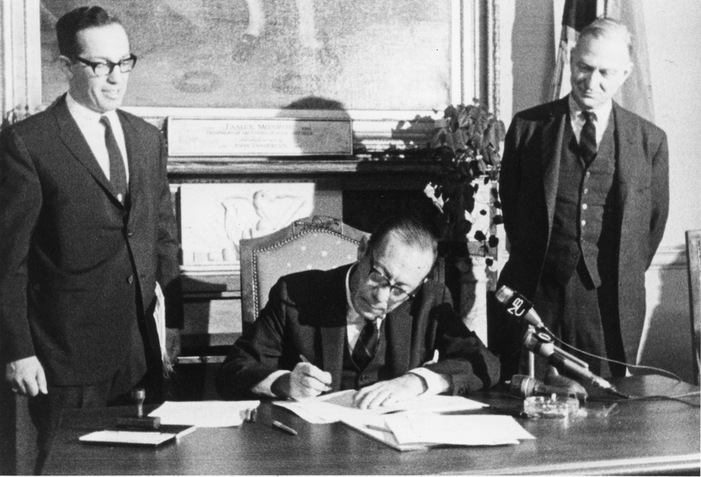
Photo: Margot Gayle/NY Preservation Archive Project
Read the full Margot Gayle oral history HERE, and explore our entire oral history collection to read or hear the stories of other influential Villagers who helped shape our neighborhoods. Take our tour of the homes of great preservationists of the Greenwich Village Historic District, such as Margot Gayle, HERE.
What an interesting and well-written article. As a frequent visitor from California, I had no idea.