
The Long Fight for the Vote: Exploring Our Women’s Suffrage History through Maps, Stories, and Research
The story of women’s suffrage is not simply a national story. It is deeply embedded in the streets, buildings, organizations, and many important figures from Greenwich Village, the East Village, and NoHo. For decades, our neighborhoods were centers of political activism and social reform, and they were home to many of the people and organizations that helped advance the cause of women’s suffrage.
On August 18, 1920, the 19th Amendment to the U.S. Constitution was ratified, declaring that the right to vote could not be denied or abridged on account of sex. The amendment represented the culmination of generations of activism, organizing, protest, advocacy, and sacrifice by women and men across the the country and from our neighborhoods.
Village Preservation has explored this history extensively through several blog posts, maps, and other digital resources. Together, these resources reveal the remarkable local story behind the struggle for the vote and the complicated legacy of the 19th Amendment.
Explore the Women’s Suffrage History Map
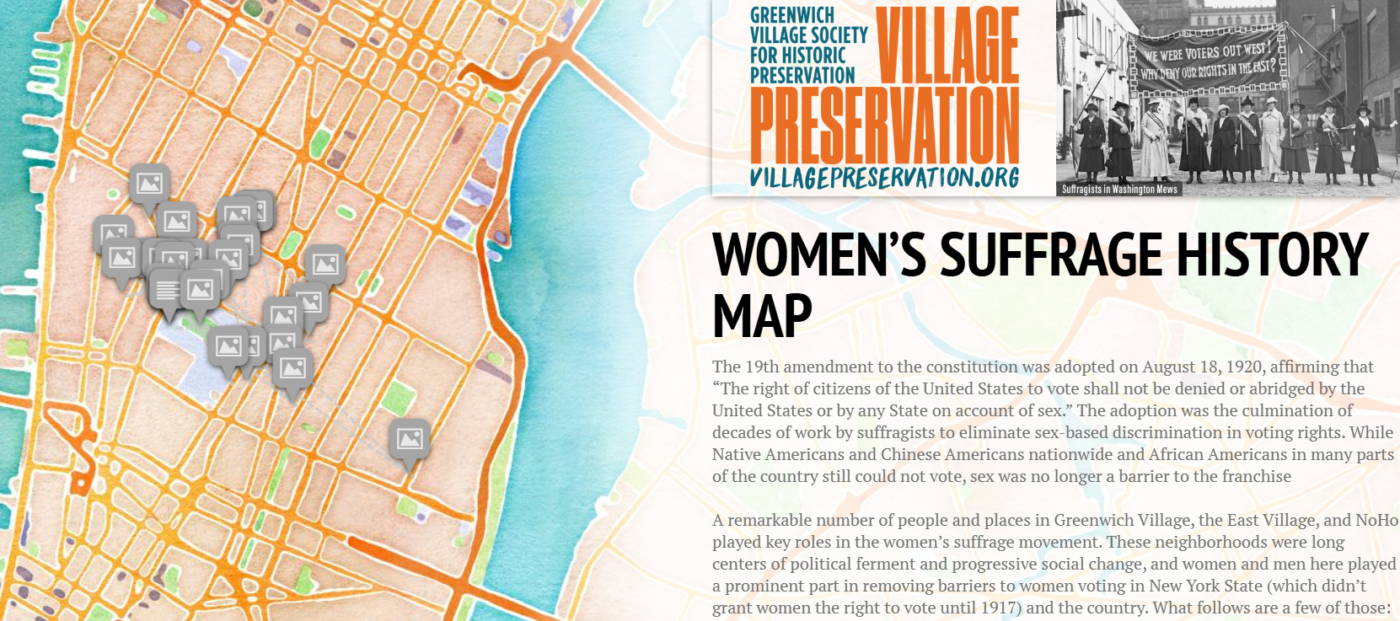
A great place to begin is Village Preservation’s Women’s Suffrage History Map, created to commemorate the amendment’s centennial in 2020. The interactive map documents the people and places in Greenwich Village, the East Village, and NoHo that played important roles in the suffrage movement.
The map brings together an extraordinary range of stories: prominent suffragists and their homes, labor leaders and social reformers, political organizations, gathering places, marches, rallies, and other sites connected to the movement. It also explores the sometimes complicated relationships between suffragists and other progressive movements, including labor, civil rights, and temperance activism.
The result is a reminder that major historical changes rarely happen in isolation. The campaign for women’s suffrage unfolded through countless meetings, conversations, demonstrations, organizations, and acts of political courage, and many of those activities took place right here in our neighborhoods.
In addition to our digital resources, we have written extensively on our neighborhoods’ connections to the history of suffrage.
Suffragists of Greenwich Village
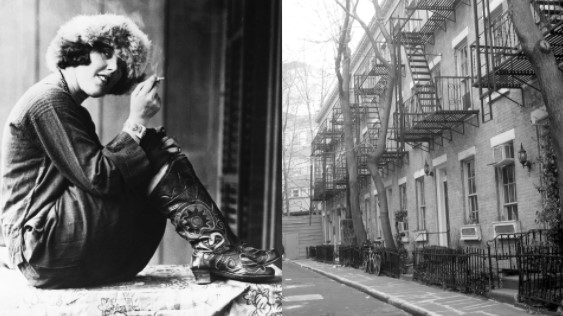
The neighborhood’s long tradition as a center of political and social experimentation made it fertile ground for suffrage activism. Greenwich Village was also connected to organizations and gathering places where suffragists debated strategies, organized campaigns, and built alliances.
The neighborhood was also the starting point for some of New York’s most spectacular suffrage demonstrations. These demonstrations transformed the struggle for suffrage into a highly visible public movement, bringing the issue directly into the streets of New York.
Suffragists of the East Village
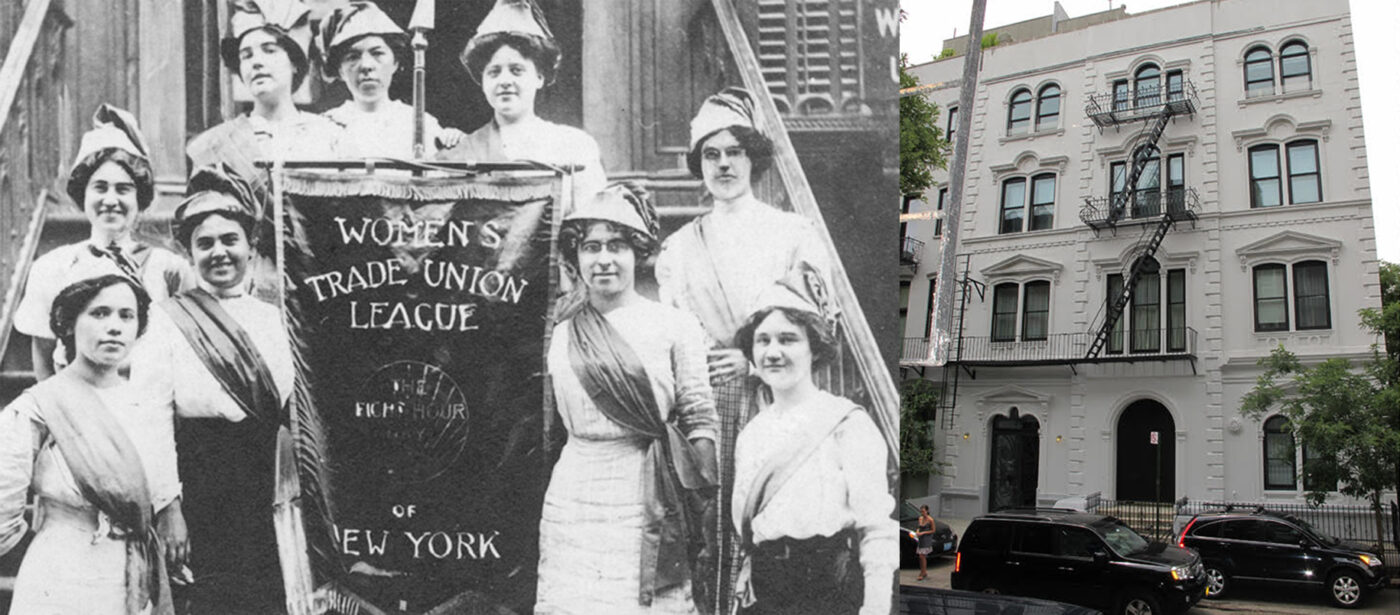
The East Village was particularly important as a place where women’s suffrage intersected with the labor movement. The Women’s Trade Union League, for example, formally endorsed women’s suffrage in 1907. The organization brought together working-class and more affluent women and advocated for labor rights and improved working conditions, demonstrating how the fight for political equality was intertwined with broader campaigns for economic and social justice.
Alice Paul: An Architect of the 19th Amendment
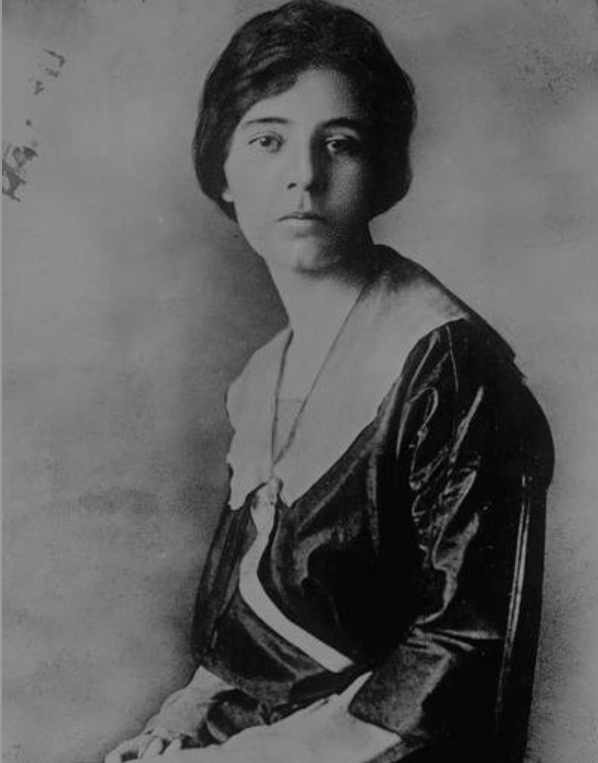
One of the most consequential figures in the final years of the suffrage campaign was Alice Paul.
Paul first came to New York after graduating from Swarthmore College and lived on the Lower East Side, where she worked in the settlement house movement. Her experiences there exposed her to the economic and gender inequalities facing working women and helped inspire her lifelong commitment to social reform.
After returning from England, where she had participated in the militant British suffrage movement, Paul became one of the leading advocates for a federal constitutional amendment guaranteeing women’s suffrage. Her National Woman’s Party became famous for its increasingly confrontational tactics, including the 1917–1919 Silent Sentinels demonstrations outside the White House.
The protesters were arrested, imprisoned, and subjected to brutal treatment, including forced feedings when they went on hunger strikes. Their persistence helped keep pressure on the federal government and contributed to the eventual passage of the amendment by Congress in 1919 and its ratification in 1920.
Paul’s story is a powerful reminder that constitutional change was not inevitable. It required people willing to organize, protest, endure imprisonment, and continue fighting despite enormous opposition.
Suffrage’s Legacy in Greenwich Village, the East Village, and Noho
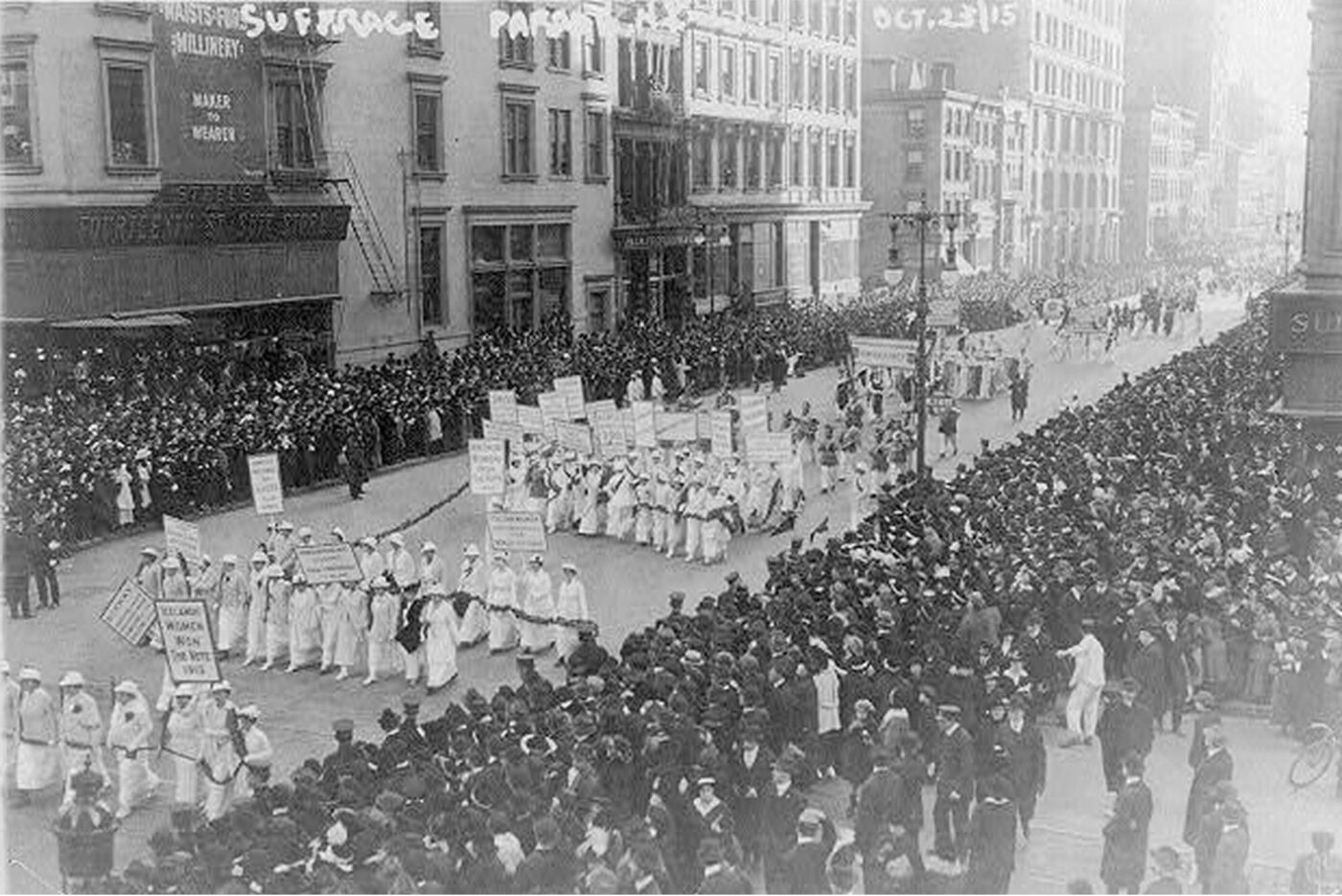
The ratification of the 19th Amendment was a monumental achievement, but it did not immediately create universal voting equality. African Americans remained disenfranchised throughout much of the country, while many Native Americans and Chinese Americans continued to face barriers to citizenship and voting rights.
This piece post looks at that larger history while highlighting local sites connected to the suffrage movement. These include the former Heterodoxy Club at 137 MacDougal Street, a feminist discussion group founded in 1912; the former location of the New York City Woman Suffrage League at 10 East 14th Street; the Women’s Trade Union League on East 5th Street; and the former Mother Zion AME Church on West 10th Street.
The latter site offers a particularly important connection between the women’s suffrage and Black freedom movements. Sojourner Truth, Harriet Tubman, and Frederick Douglass were all associated with Mother Zion AME Church and were also prominent advocates for women’s suffrage.
Explore the Story for Yourself
Our women’s suffrage resources offer an opportunity to explore this history from multiple perspectives. The Women’s Suffrage History Map provides an interactive geographic journey through the people and places connected to the movement, while our writings delve deeper into individual activists, organizations, neighborhoods, and the movement’s continuing legacy.
You can also explore our blog by using the Women’s Suffrage tag for additional posts about figures such as Rose O’Neill, Mabel Ping-Hua Lee, Inez Milholland, and Margaret Woodrow Wilson.
More than a century after the 19th Amendment’s ratification, these stories remain relevant as ever. They show how change can begin locally, how movements are built through the collective efforts of individuals and organizations, and why preserving the places where that history happened is essential to understanding it.
Explore Village Preservation’s women’s suffrage resources and discover the remarkable history of the fight for the vote that happened right here in Greenwich Village, the East Village, and NoHo.