
Little Spain and the Enduring Legacy of Our Lady of Guadalupe Church
Today, West 14th Street between Seventh and Eighth Avenues is a bustling corridor connecting several subway lines and serving a wide range of businesses and institutions. But before it became the busy stretch we know today, it was at the heart of a large and vibrant Spanish immigrant community known as “Little Spain.”
Spanish immigration to New York was relatively small compared to immigration from countries like Italy and Ireland. Many of the Spanish immigrants who came to New York settled around West 14th Street. As Robert Sanfiz, Executive Director of La Nacional, explained in a Village Preservation oral history, Spanish ships carrying immigrants and goods docked at the Hudson River piers, which led to the area becoming a center for the growing community. By the middle of the 20th century, Spanish businesses, restaurants, community organizations, and churches had developed in the area. According to Sanfiz, the block of West 14th Street between Seventh and Eighth Avenues had as many as 80 Spanish establishments during the 1950s, 1960s, and into the 1970s.
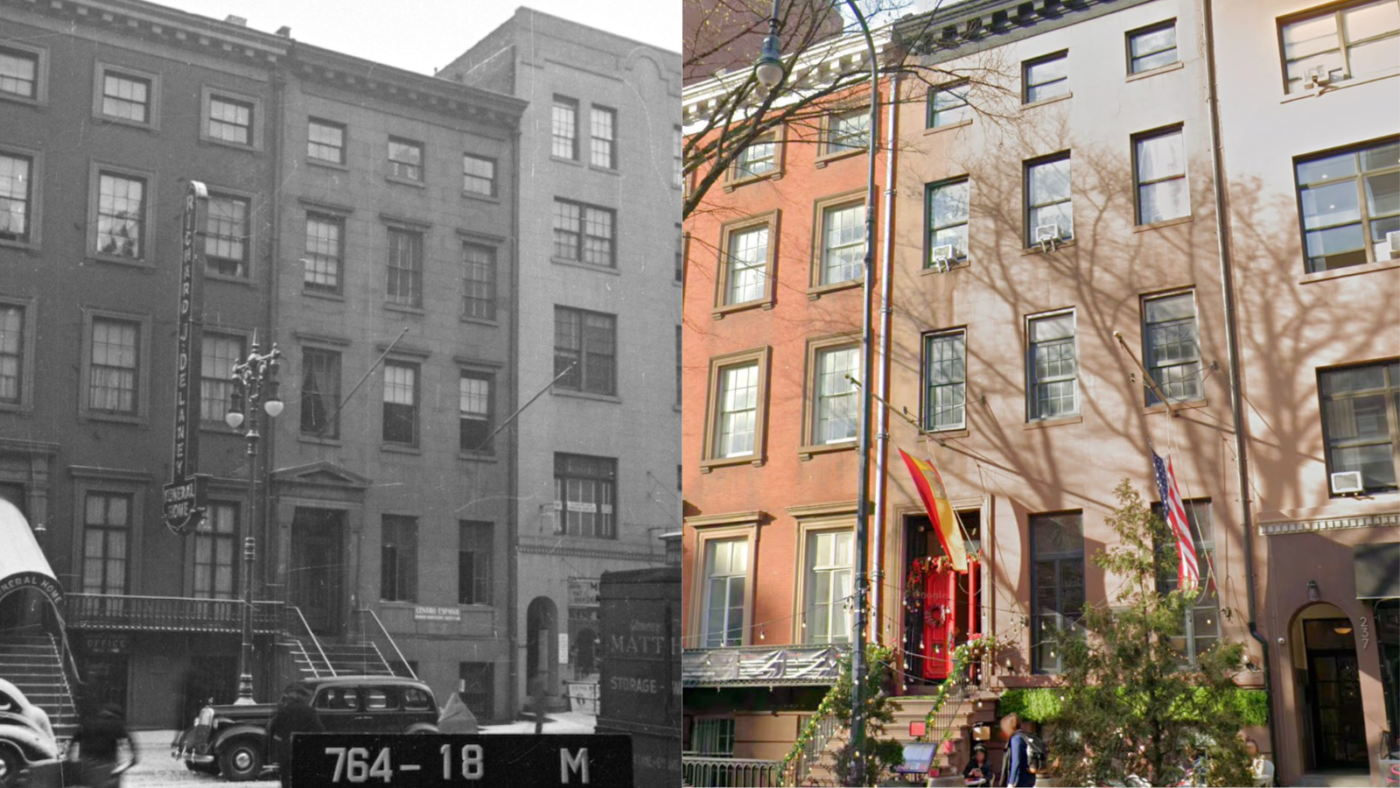
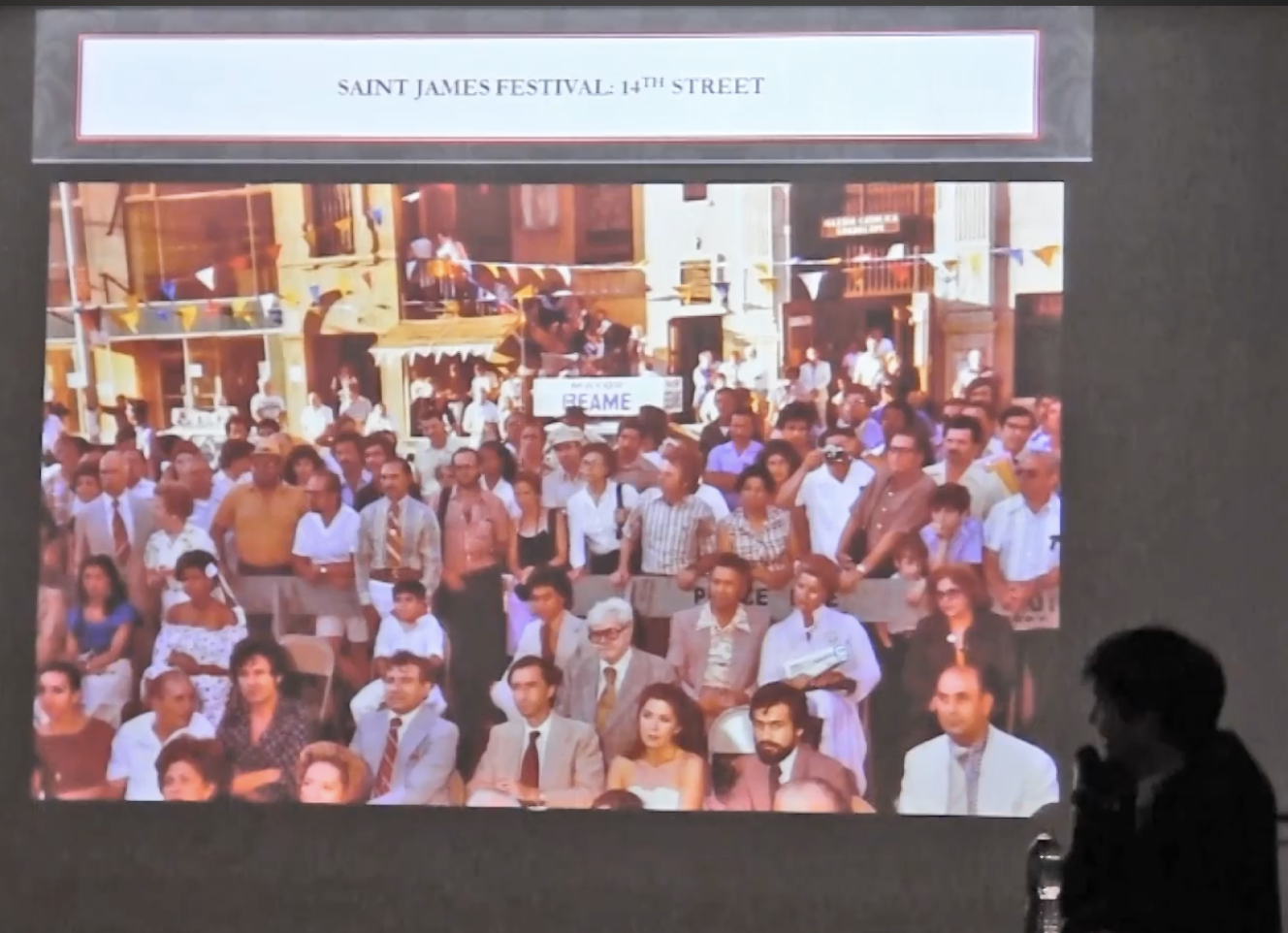
Among them was La Nacional, the Spanish Benevolent Society, founded in 1868. The organization provided support for Spanish immigrants while also serving as a place to socialize and maintain connections to Spanish culture. During the annual Fiesta de Santiago, the community would close the block to traffic for a week of outdoor dining, music, flamenco dancing, and Galician bagpipes.
“It would just be a full week of that,” Sanfiz recalled. “Those were the things that, you know, really made the neighborhood a special place.”
Just a few doors away, another institution became an enduring anchor of the community: Our Lady of Guadalupe Church.
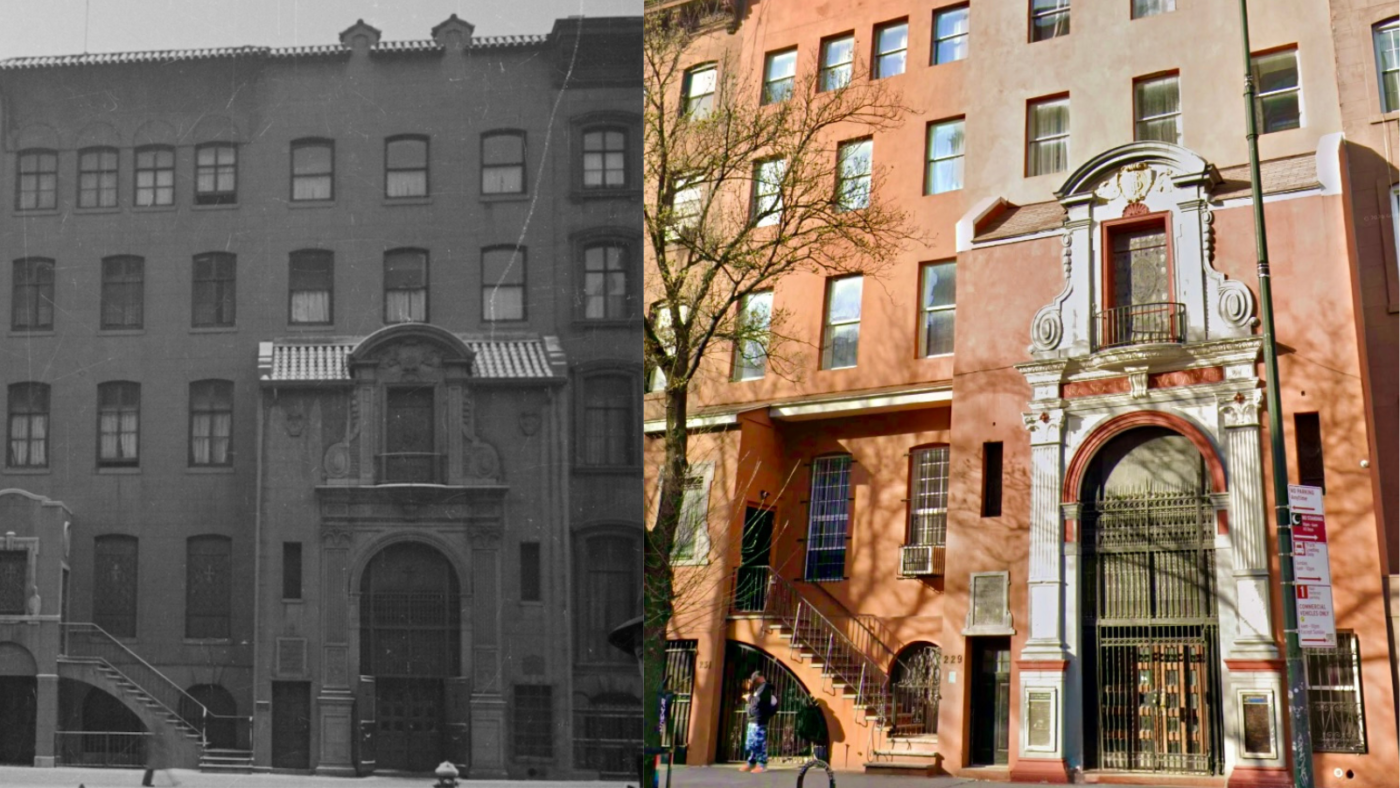
Located at 229-231 West 14th Street, Our Lady of Guadalupe Church was founded in 1902 as New York City’s first church established for a Spanish-speaking congregation. For many years, the church provided a space where parishioners could worship and receive sacraments in their own language. As the community changed, the church’s impact on Spanish immigrants and Spanish-Americans extended beyond West 14th Street, welcoming Mexican immigrants and, following World War II, a growing Puerto Rican population. By the 1970s, the church was an important religious and cultural center, serving immigrants from throughout Latin America.
The building itself reflects this history. Two mid-19th-century row houses were transformed with a distinctive Spanish Baroque-style facade, creating an outward expression of the Spanish heritage of the surrounding neighborhood.
The changing community was reflected in the annual Fiesta de Santiago. In 1984, The New York Times described an outdoor Mass held in front of Our Lady of Guadalupe, followed by a procession along West 14th Street. Though the neighborhood had changed considerably since the height of Little Spain, the celebration continued to bring together residents, merchants, and parishioners around their shared Spanish and Hispanic heritage. The pastor described the fiesta as creating “a cross-cultural unity to the Spanish and Hispanic peoples.”
Our Lady of Guadalupe’s history also extends into the cultural history of Greenwich Village. As Village Preservation has previously explored, Jack Kerouac and other members of the Beat Generation attended Mass at the church during the 1950s, adding another unexpected layer to the building’s history.
Although many of the Spanish restaurants and businesses that once lined West 14th Street have closed, important connections to Little Spain remain. La Nacional continues to occupy its historic home, maintaining a connection to more than 150 years of Spanish immigrant history in New York. Just a few doors away, Our Lady of Guadalupe remains an important reminder of the Spanish-speaking community that helped shape the West Village.
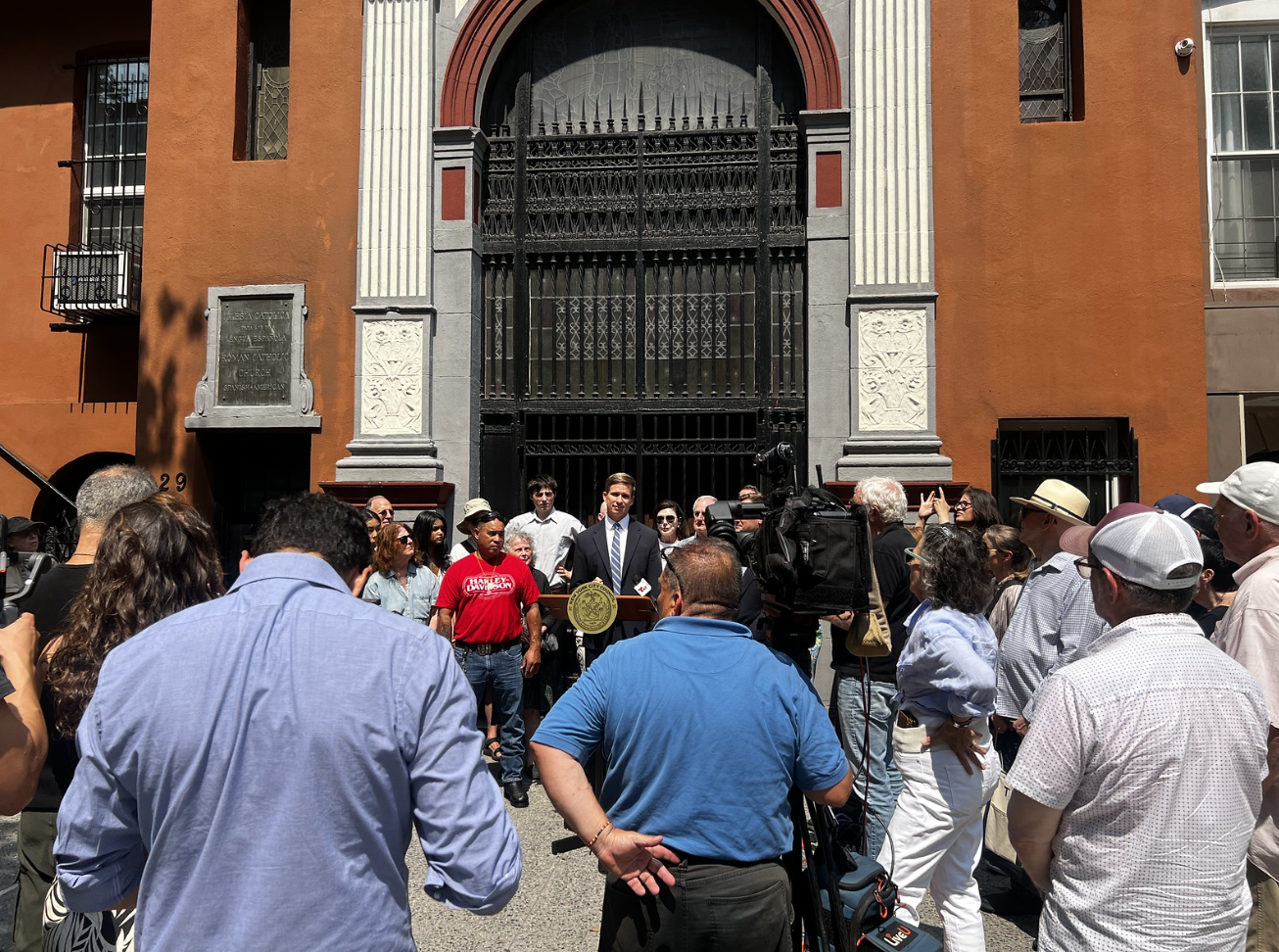
Today, Our Lady of Guadalupe Church is at risk, and Village Preservation has been advocating for its designation as an individual landmark. Preserving the church would protect its distinctive architecture but also the story of Spanish immigration, Little Spain, and the generations of Spanish-speaking and Latin American New Yorkers who found community there. To add your voice to the calls for preserving the church, click here.
Explore Robert Sanfiz’s Village Preservation oral history to learn more about the history of Little Spain and La Nacional, and learn more about Village Preservation’s work to preserve Our Lady of Guadalupe Church.