
Remembering 9/11: The Aftermath in the Village
There was New York before, and there was New York after. The terrorist attacks of September 11, 2001, irreversibly changed so many facets of American life, impacting geopolitical relationships, national security, the proliferation of conspiracy theories, and so much more. Few places felt the impact more than New York City. After the Twin Towers fell, nearly 3,000 people were killed, and thousands of others were injured. In the days, weeks, and years that followed the unimaginable attacks, the city came together as one, mourning, grieving, and beginning the long process of rebuilding.
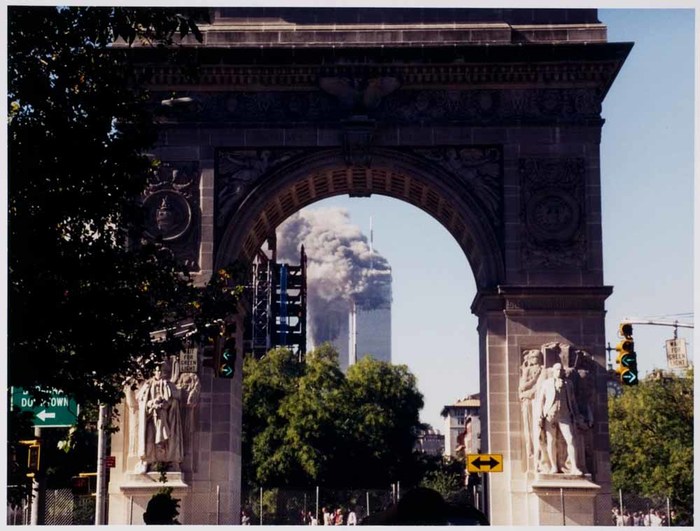
Village Preservation is fortunate to have one of the largest crowdsourced collections of photographs connected to the World Trade Center, the September 11th attacks, and their aftermath and recovery, especially as experienced in and by residents of our neighborhoods. We recently released a StoryMap that guides the viewer through those collections, and to help us remember New York before, during, and after the 9/11 attacks.
While the attacks on the World Trade Center occurred just south of our neighborhoods, residents here grieved, mourned, and felt all its ramifications, and people from across the city, country, and globe came here to remember and commune. Today we are looking at the aftermath of the attacks, and how New York came together and proved resilient in its aftermath. The photographs show shrines, memorials, walls of missing person posters, and a palpable sense of collective bereavement. But even more, they highlight a community coming together after immense tragedy.
Union Square Memorial
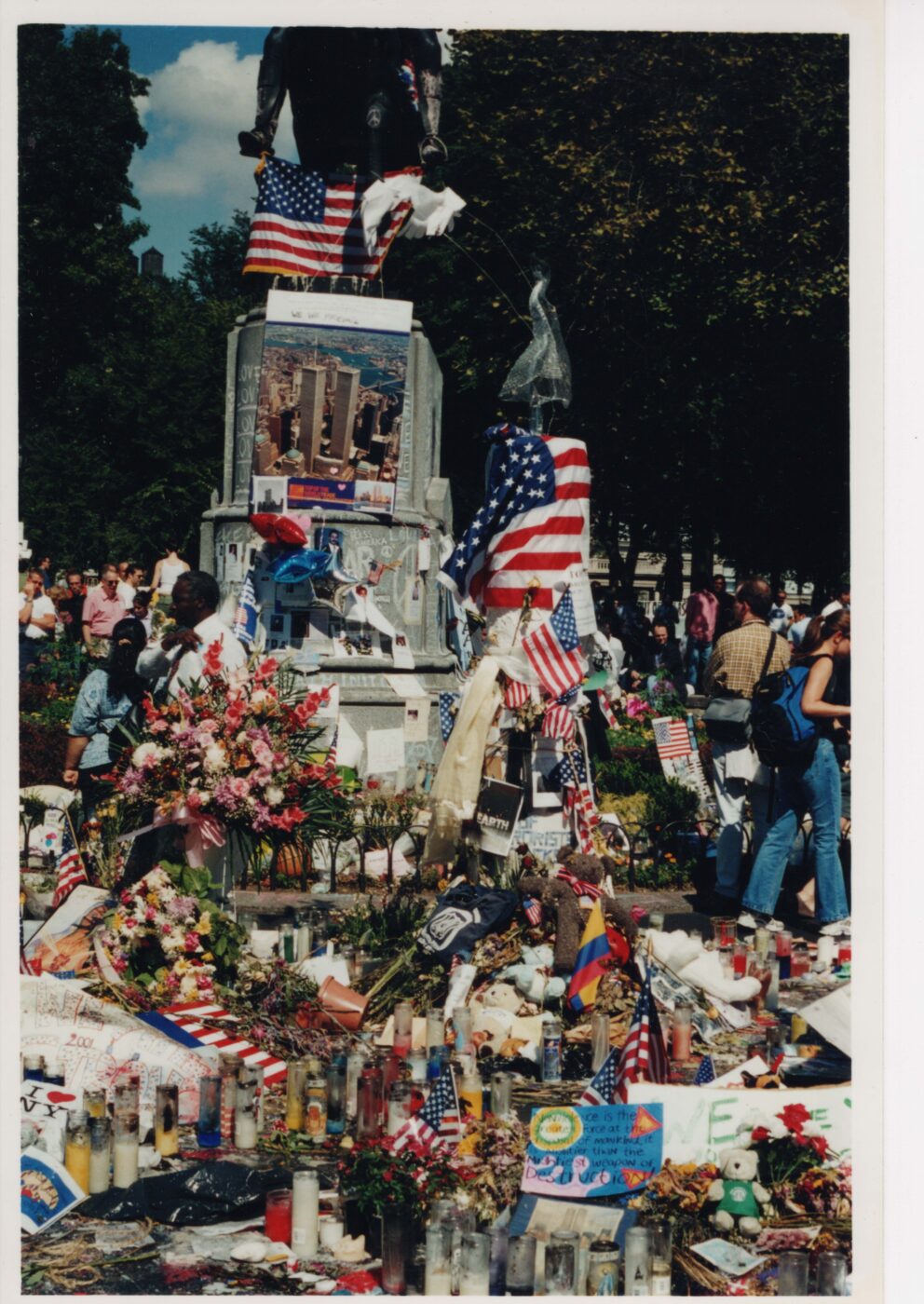
As New Yorkers were overwhelmed with grief, memorials popped up throughout the city. One of the biggest tributes to those victims was found at Union Square on 14th Street. Photographs show flowers, posters, American flags, and personal mementos of those lost in the 9/11 attacks.
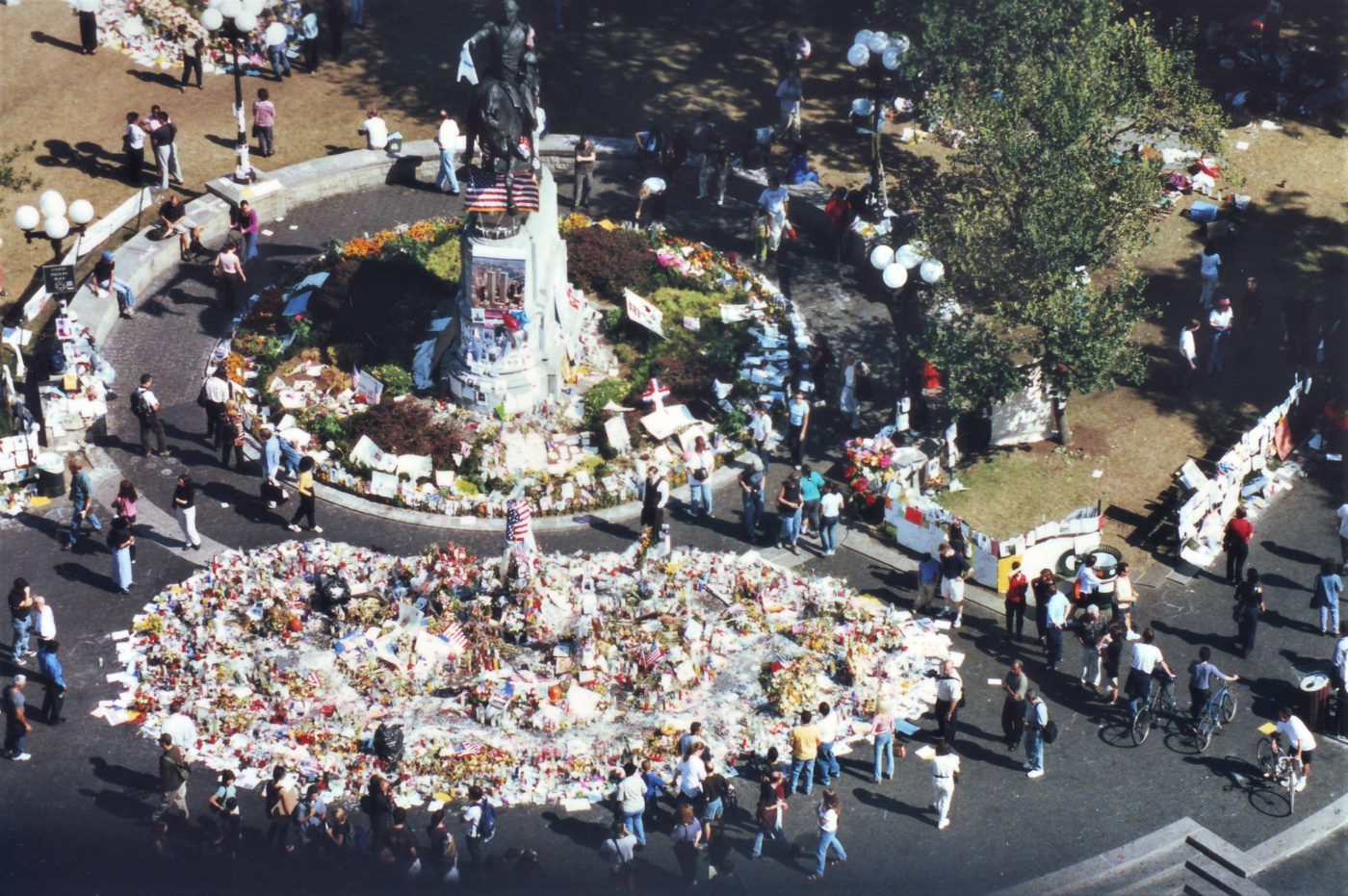

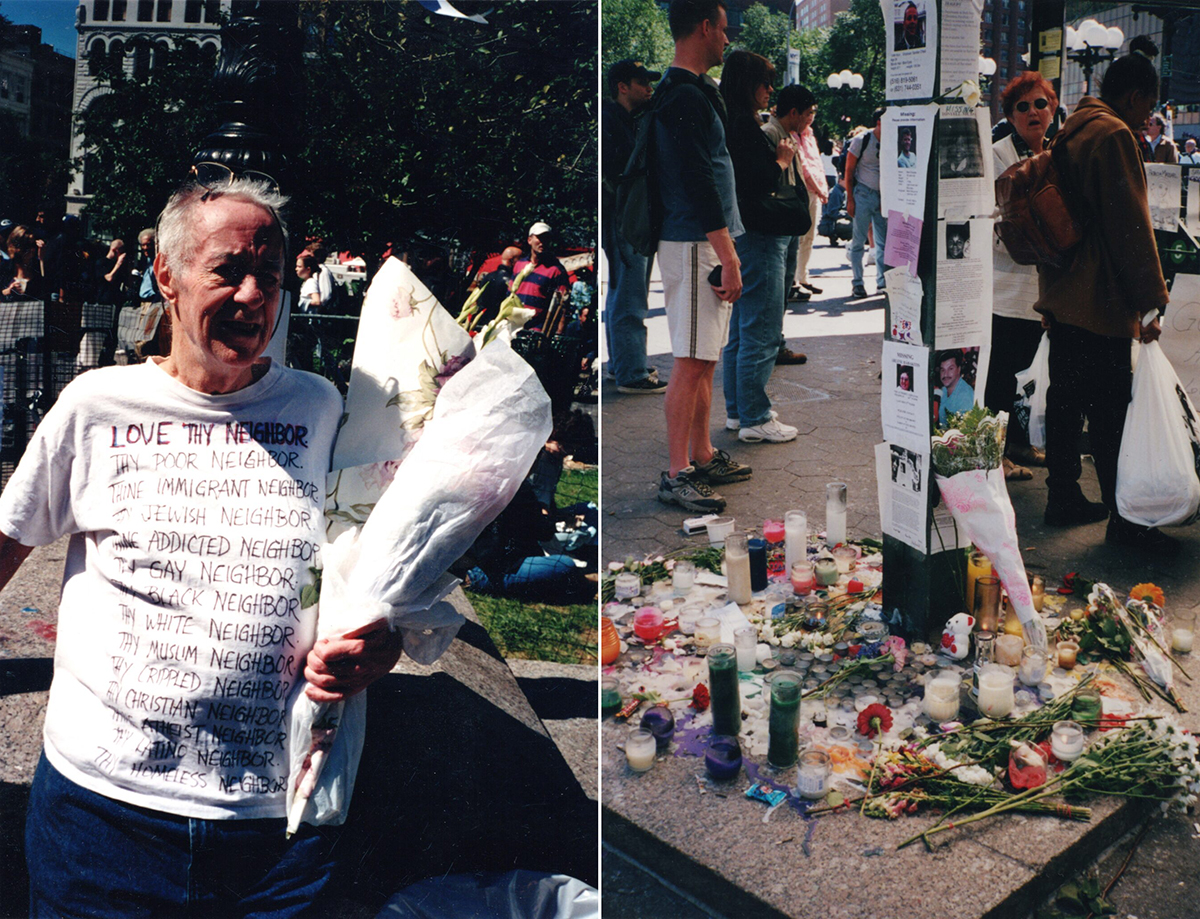
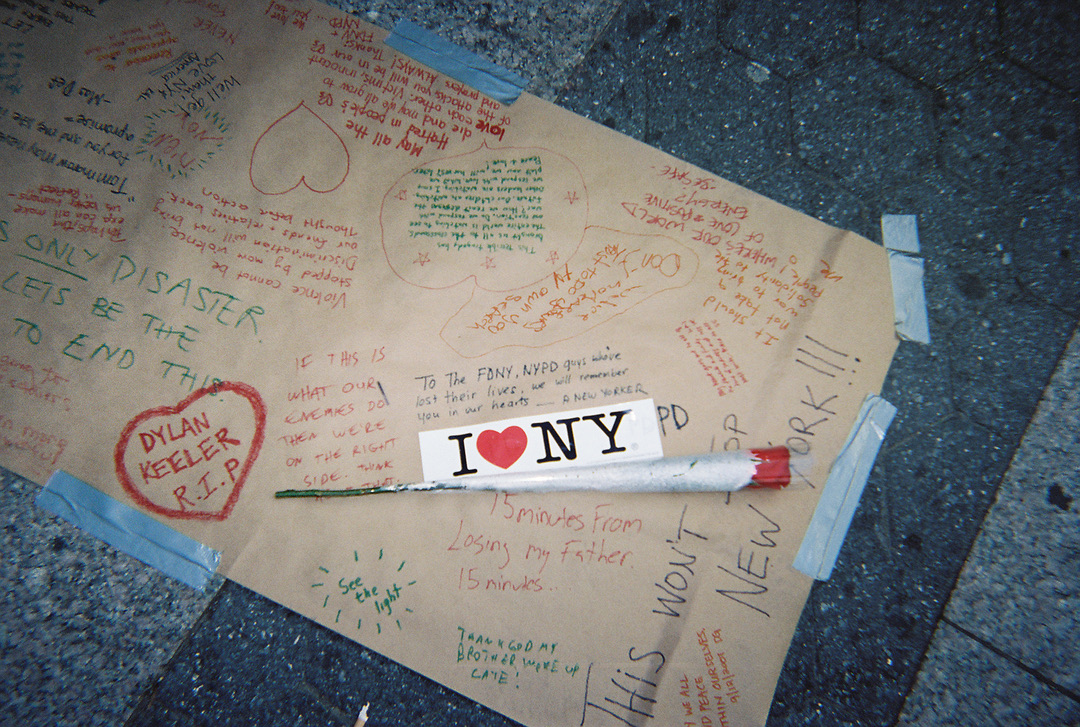
In the days following 9/11, an eerie silence enveloped much of lower Manhattan. Quite literally everything was disrupted. Commuters no longer packed subways and sidewalks; massive clouds of dust and smog fell over the area; and 2,753 people were killed in the World Trade Center attacks, including 343 New York City firefighters, 23 New York City police officers, and 37 officers at the Port Authority, alongside thousands of other civilian victims.
New York continued to grieve as the city began the long process of rebuilding. As the smoke cleared and the immediate emergency subsided, efforts shifted to recovery: restoring essential services, supporting displaced New Yorkers, and eventually rebuilding the World Trade Center site. But recovery was not only about rebuilding physical structures. Across the city, New Yorkers also began the difficult work of rebuilding their sense of community, finding ways to mourn, remember, and move forward together. Places of worship were packed to the brim; people organized collections and donations for first responders and those helping at Ground Zero; and nearly everyone assumed a widespread sense of New York pride and patriotism.
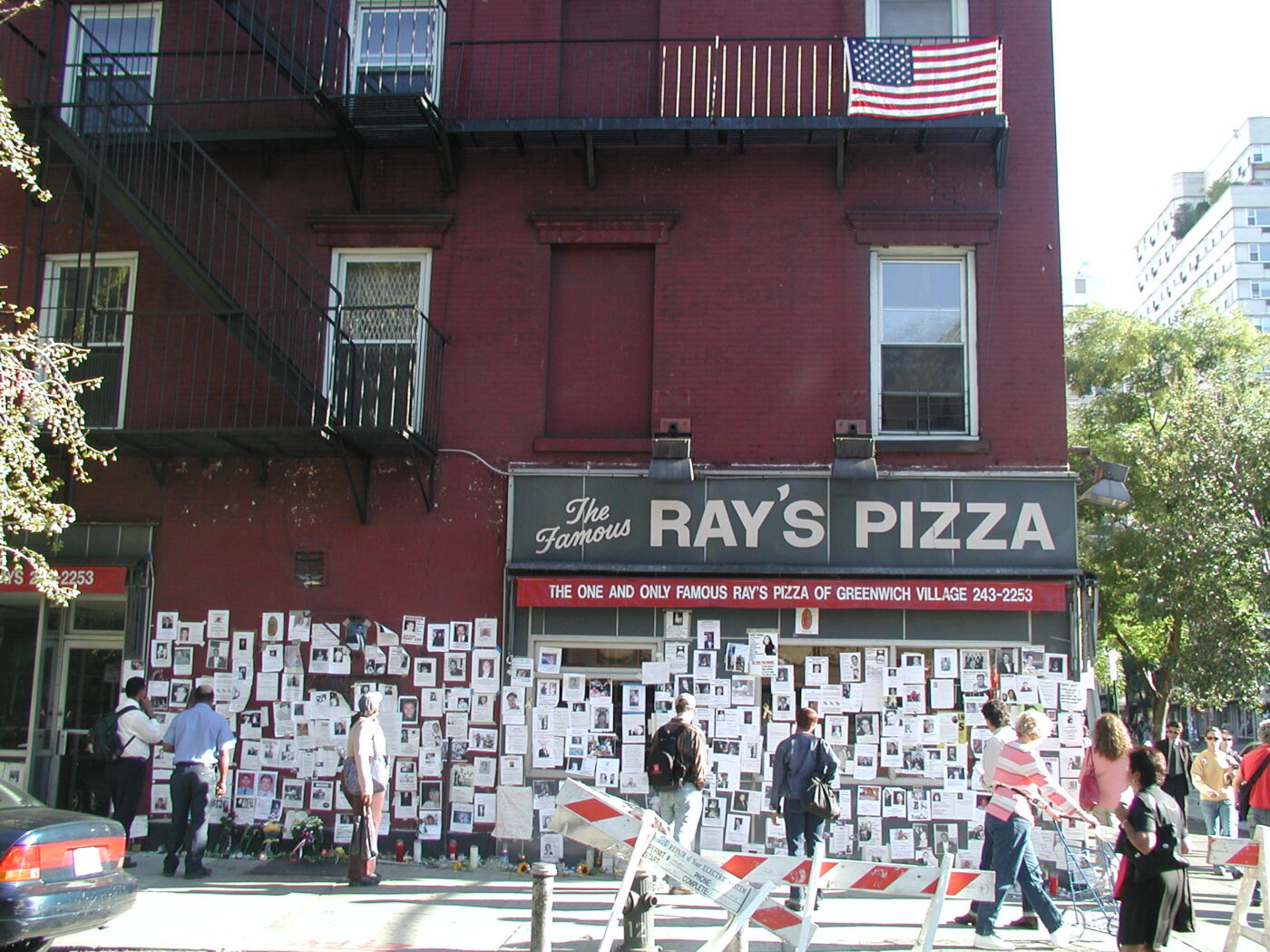
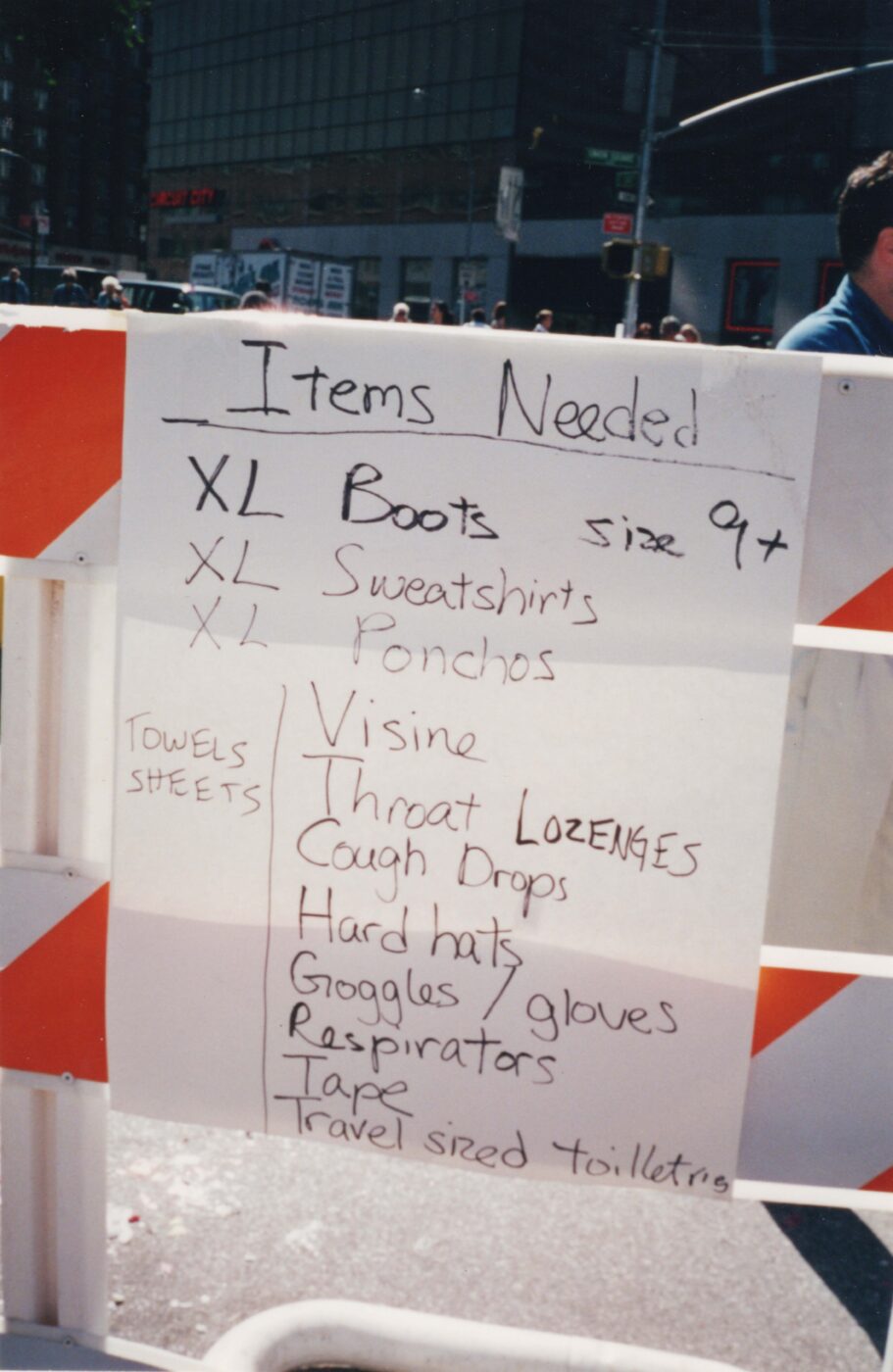
Village Preservation maintains one of the largest collections in the world of crowd-sourced images of the 9/11 attacks and their aftermath in Lower Manhattan. To view them all, click here and look for collections with September 11 or World Trade Center themes, or click here and then click “Images,” and then “9/11 — World Trade Center” and “Apply.”
Most images in our historic image archive were donated by the public; to donate your images, click here.

Donated by Marjorie Zien. From: 9/11 Marjorie Zien Collection