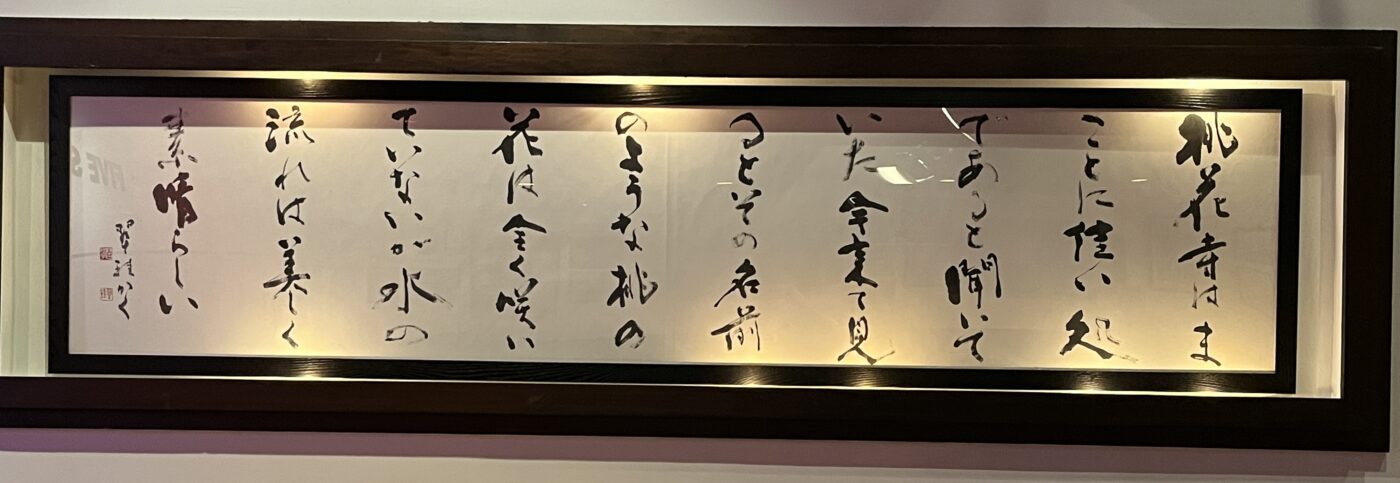
Welcome to the Neighborhood: Five Spot Jazz, 231 East 9th Street
Today we welcome a new small business to our neighborhoods — help us welcome the next. Tell us which new independent store in Greenwich Village, the East Village, or NoHo you’re excited about by emailing us at info@villagepreservation.org.
As advocates for local small business, we find great satisfaction in hearing of new independent establishments opening in our neighborhoods. These arrivals give us hope that reports of the death of mom-and-pops have been greatly exaggerated. Whenever such occasions present themselves, we like to share our enthusiasm with the world in the hopes that others will join us in wishing our new neighbors a warm welcome, and more tangibly, patronize and spread the word to help ensure their success and survival.
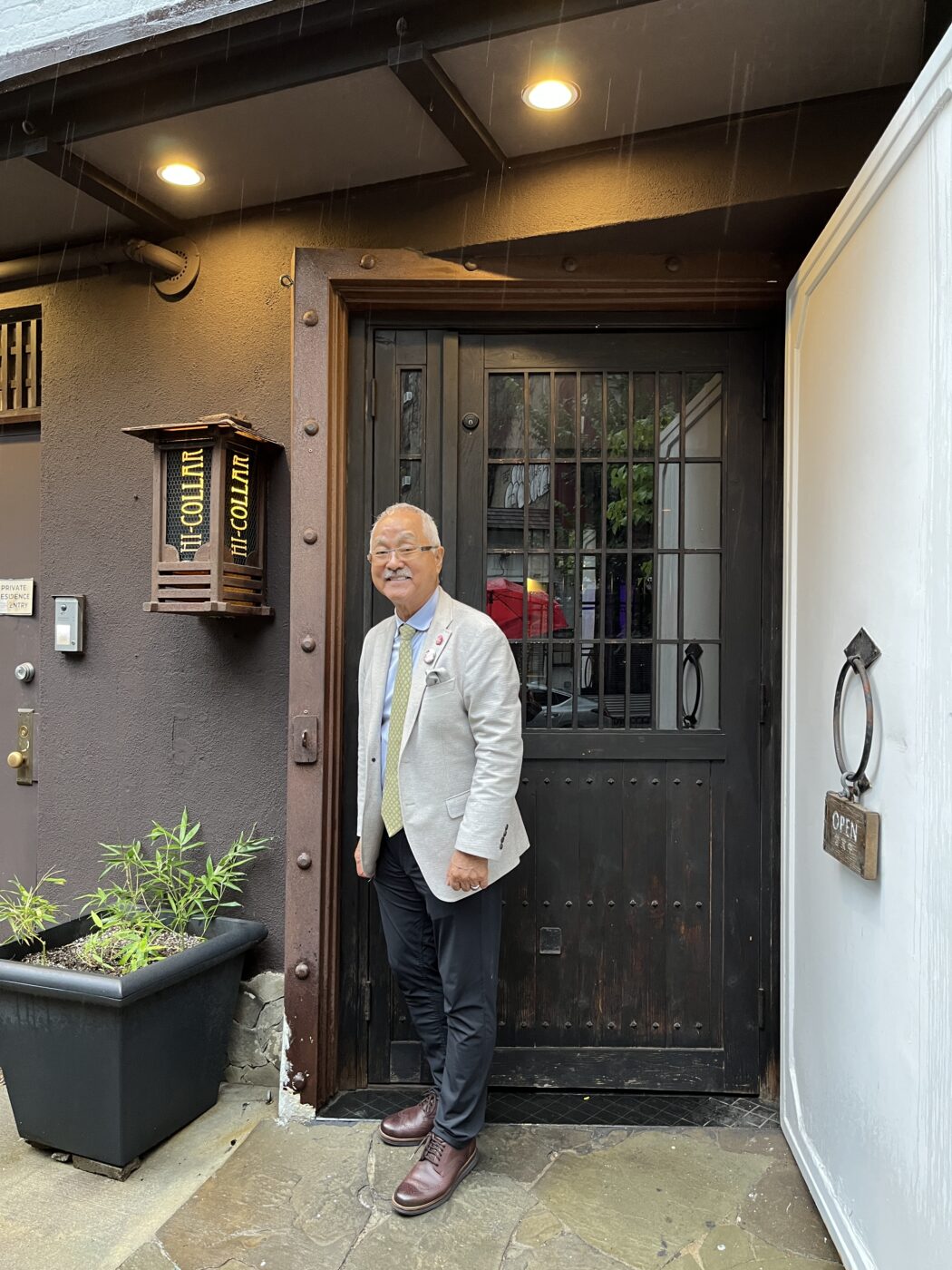
We are fortunate to have had no shortage of great small business additions to welcome over the years. It is seldom, however, that we have gotten to welcome one that is like a happy apparition from our neighborhood’s storied past. But today, we do! Five Spot Jazz, at 231 East 9th Street (btw. 2nd and 3rd Avenues) brings back the spirit of its namesake, the Five Spot Café, one of the most legendary jazz clubs in the country. The new venue aspires to follow in the footsteps of its predecessor and play a role in writing the next chapter in the history of jazz. This restaurant-by-day, jazz-club-by-night offers two live jazz sets per night, affordable prices, a mix of established and rising talent, an intimate setting, and great acoustics — all the necessary ingredients to soon establish itself as an obligatory destination for jazz lovers far and wide.

The man behind Five Spot Jazz is 2021 Village Awardee Bon Yagi. The circuitous trajectory that led Yagi-san from his native Hasaki (now Kamisu) to open a jazz club in the East Village far exceeds the bounds of this blog. Suffice it to say that, along the way, he openned a series of traditional Japanese restaurants specializing, in the Japanese fashion, in particular dishes: Hasaki (sushi); Soba-ya (soba); Rai Rai Ken (Tokyo-style ramen); Otafuku (takoyaki and taiyaki); Curry-Ya (curry); Shabu-Tatsu (shabu-shabu); Cha-An (tea!); Yonekichi (rice burgers); Robataya (robatayaki); Kome Kome (onigiri); Sake Bar Decibel (sake); Sakagura and Sakagura East Village (sake); Tori-Bien (kara-age); and Hi-Collar (yoshoku or Japanese-style Western food). Almost all of these eateries launched in the East Village along East 9th or 10th Streets. Several of them played a key role in introducing and popularizing their respective featured dishes. Together, they turned this corner of the East Village into a Nipponese enclave, or as Yagi-san puts it, “Japan without the airfare.” This local gastro-empire has not only brought a great deal of excitement to the area, it has now also facilitated the restauranteur’s foray into jazz.
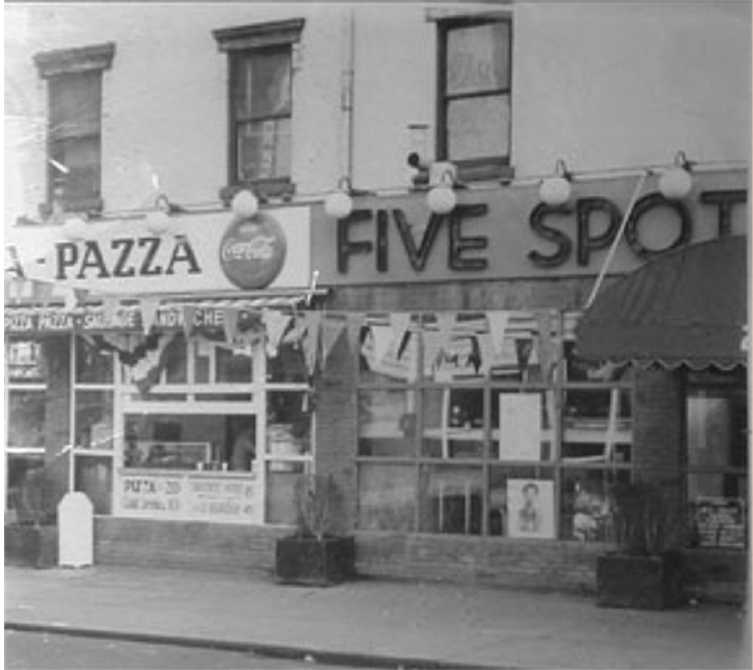
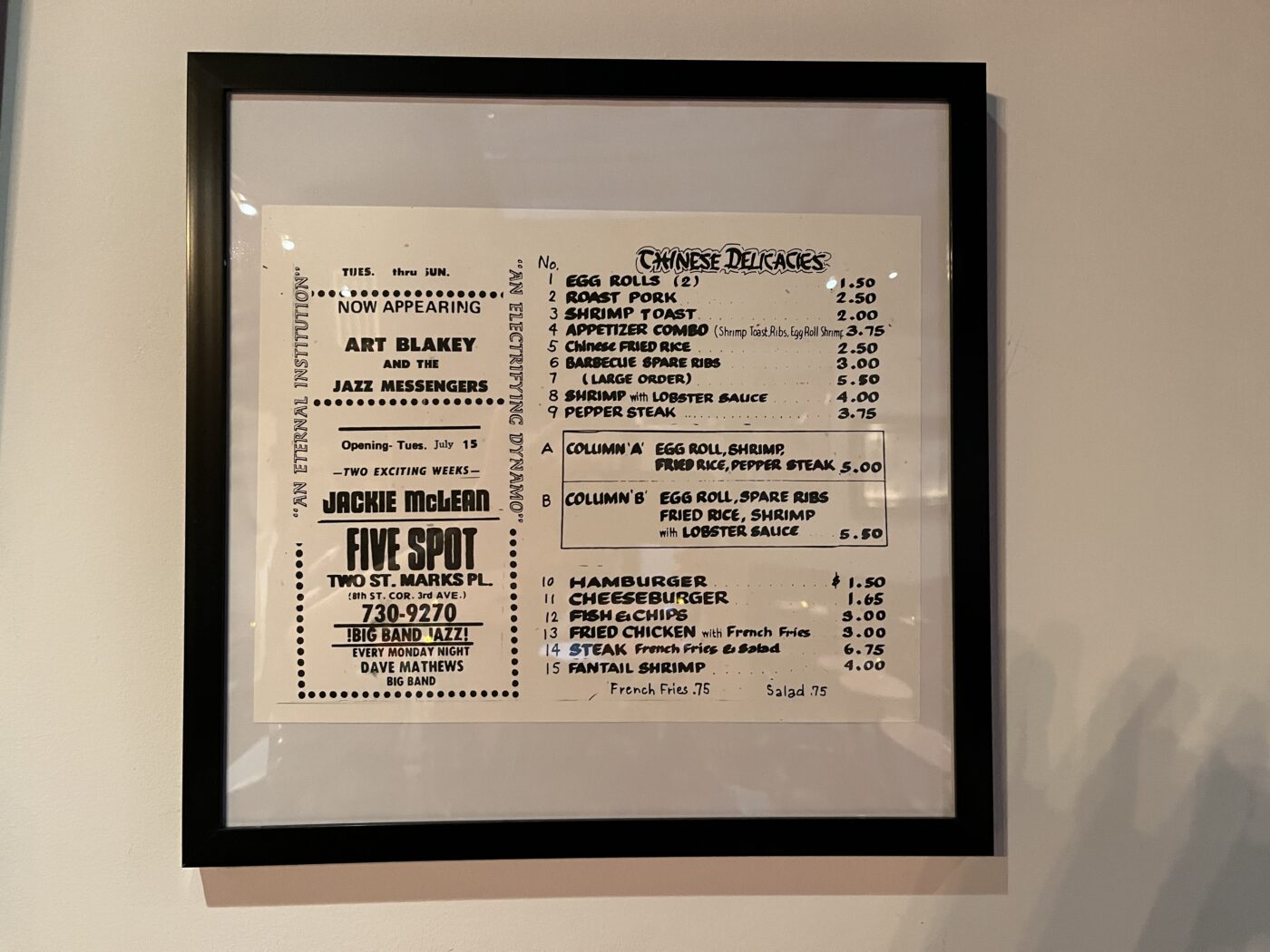
The Five Spot Café, which was located at 5 Cooper Square, was one of the most important progressive jazz venues in the city during the late 1950s and early 1960s. It served as a jam space for preeminent musicians of the period, including local residents such as Charles Mingus and Randy Weston. It was also immortalized in numerous live recordings made by the likes of Thelonious Monk (1958), Randy Weston (1959), Kenny Burrell (1959), George Russell (1960), and Eric Dolphy (1961). Yagi-san would have known at least some of this. Japan fell in love with jazz after WWII and has been a popular destination for major musicians since then. Yagi-san grew up listening to the jazz records with friends and by himself, poring over the liner notes of Coltrane “Live” at the Village Vanguard, and thinking that one day, he wanted to go there. Since that time, he has been able to fulfill that dream many times over.
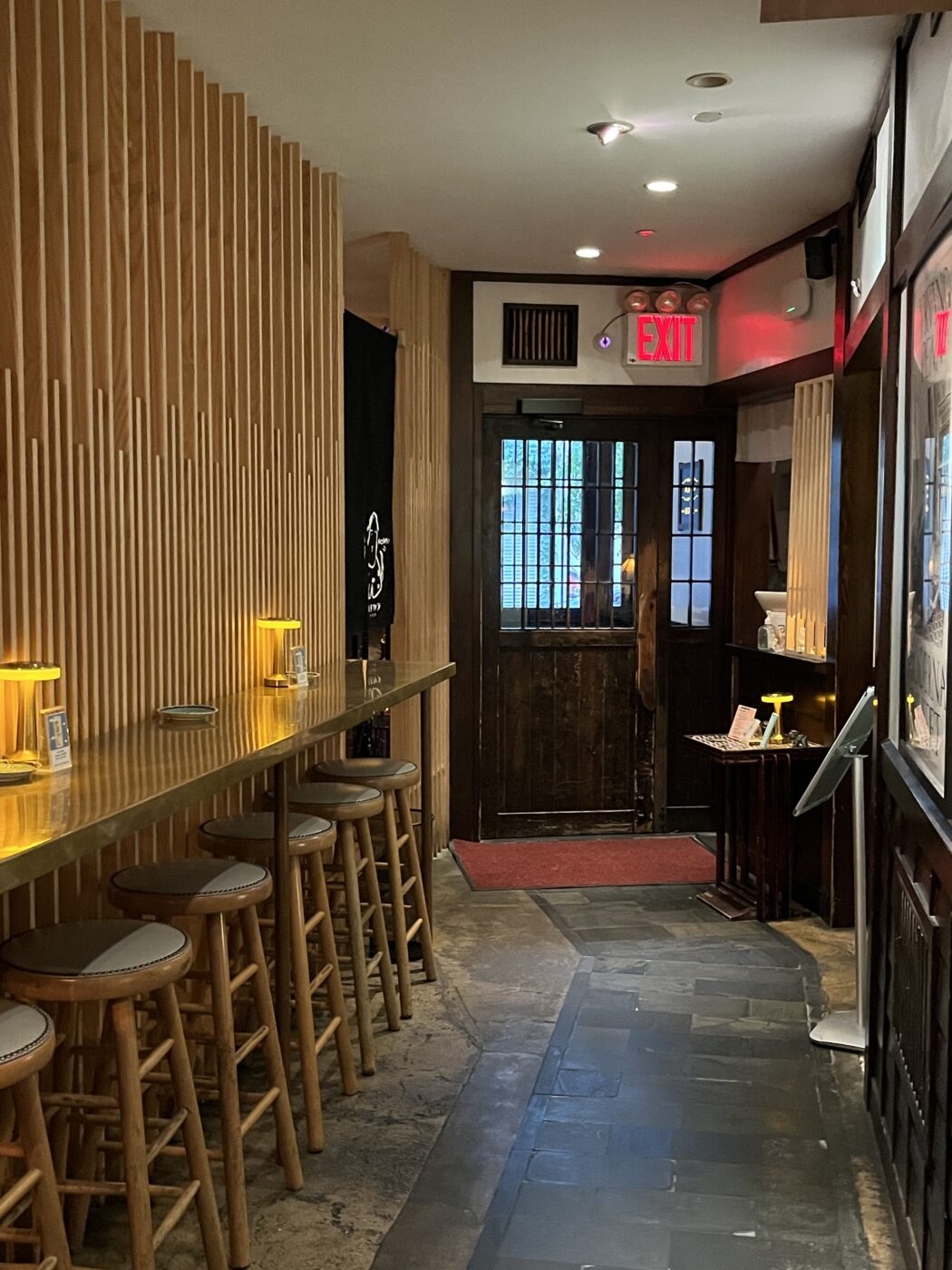
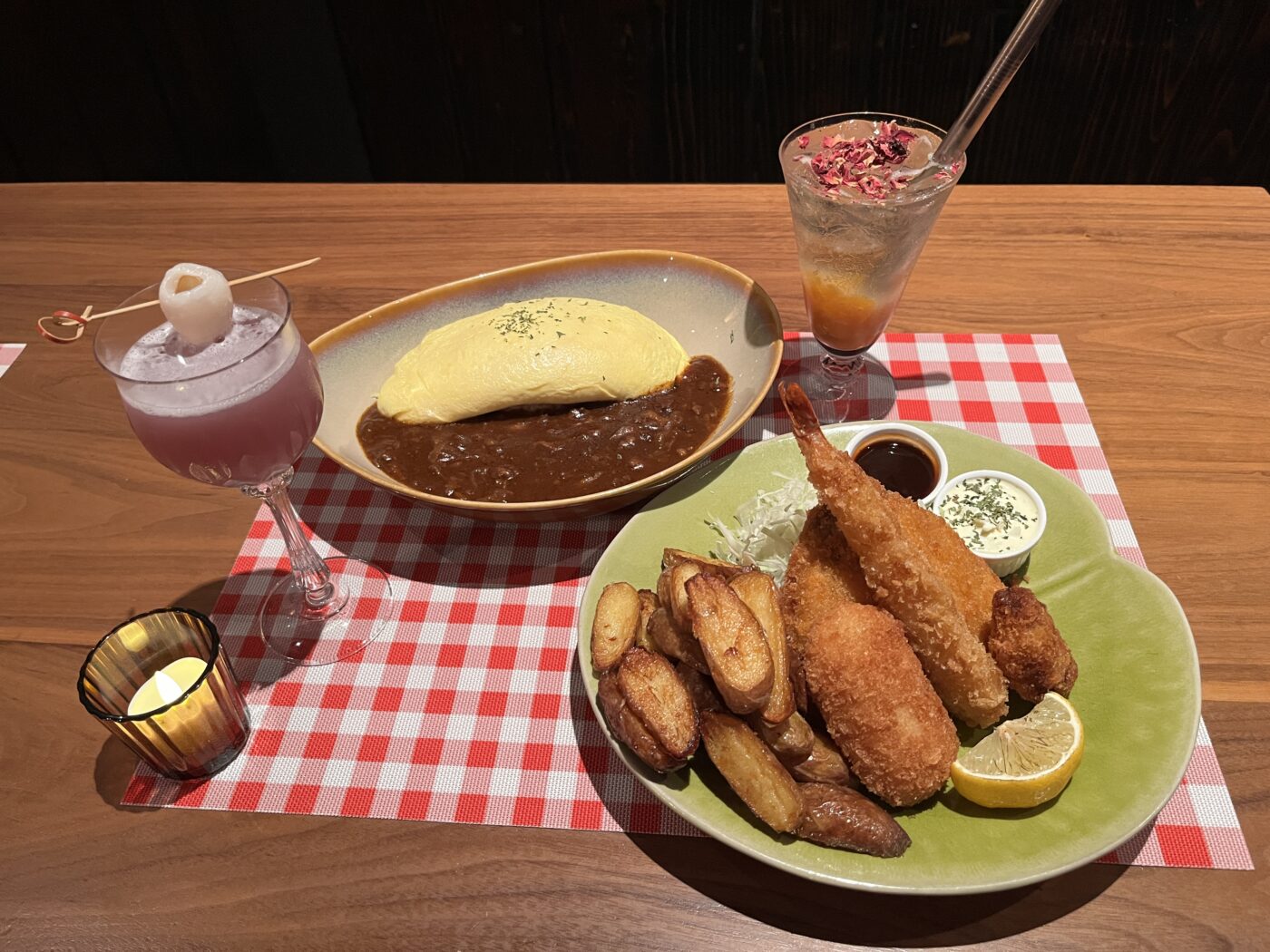
Yagi-san had had two successful runs at 231 East 9th Street — first with Robataya and then with Sakagura East — when he decided to make a change. His nearby restaurant Hi-Collar had done well until the pandemic did it in; and he wanted to bring it back at this location. Hi-Collar (a once pejorative term from the Meiji era denoting foreignness by reference to Western shirt styles) specializes in Yoshoku, a cuisine that took shape during the late 19th century when early Western restaurants in Japan began to adapt French and British dishes to Japanese tastes. Classics in this style include panko-fried dishes like menchi katsu, cream croquettes, and ebi fry; rich, semi-sweet sauces like the demi-glace, which gets poured over hayashi rice and hamburg steak; and dishes that combine Western items with rice, such as omurice (fried rice wrapped in a fluffy omelette). The comfort-food style is a staple of the kissaten, the Western-style coffee houses that Hi-Collar is fashioned after.
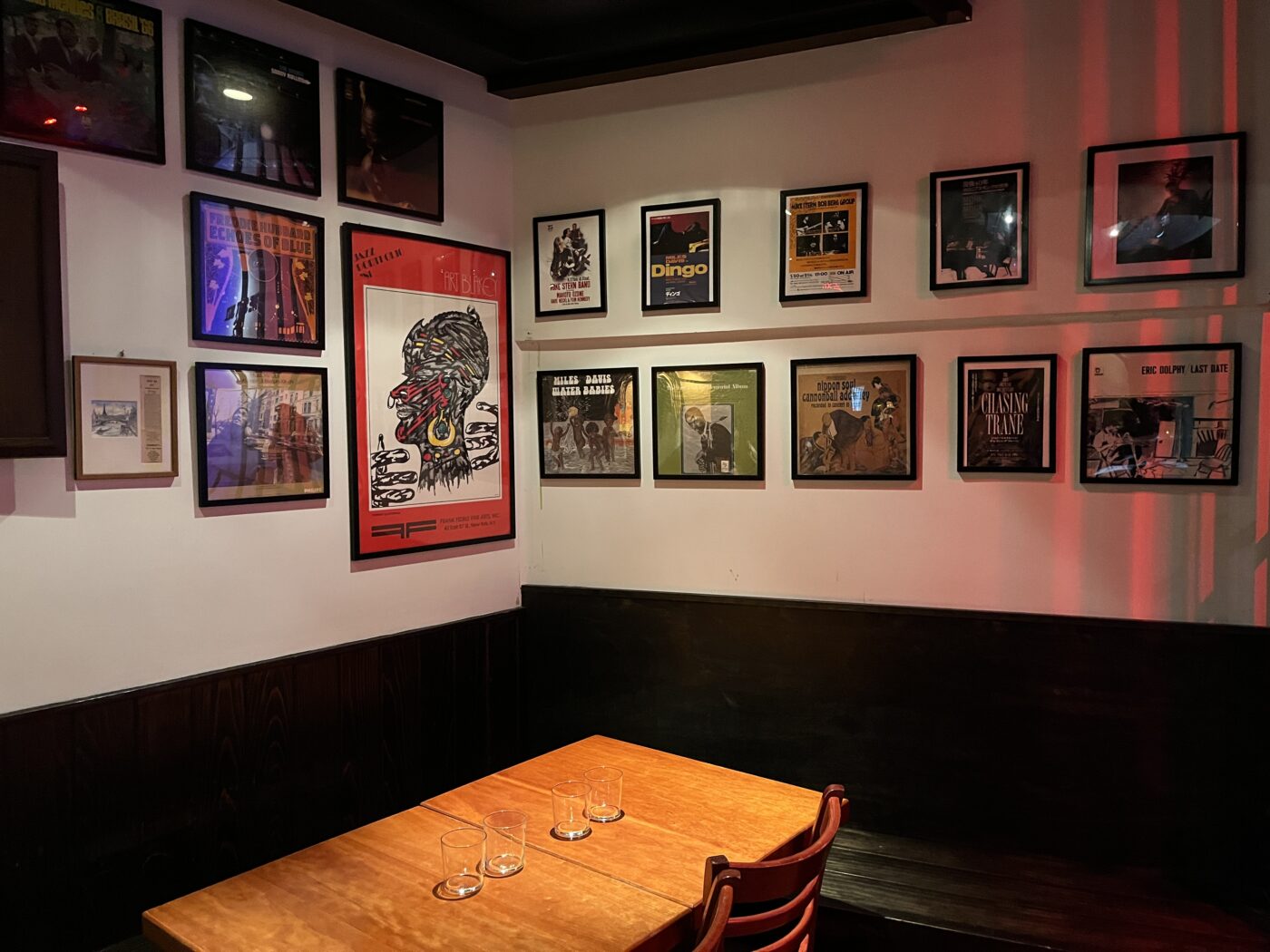
The Western orientation of the restaurant inspired Yagi-san to consider incorporating one of his life-long Western passions, jazz, into the space and thus realize a long gestating idea for a place that changes identity with the setting of the sun: coffee house by day, jazz club by night.
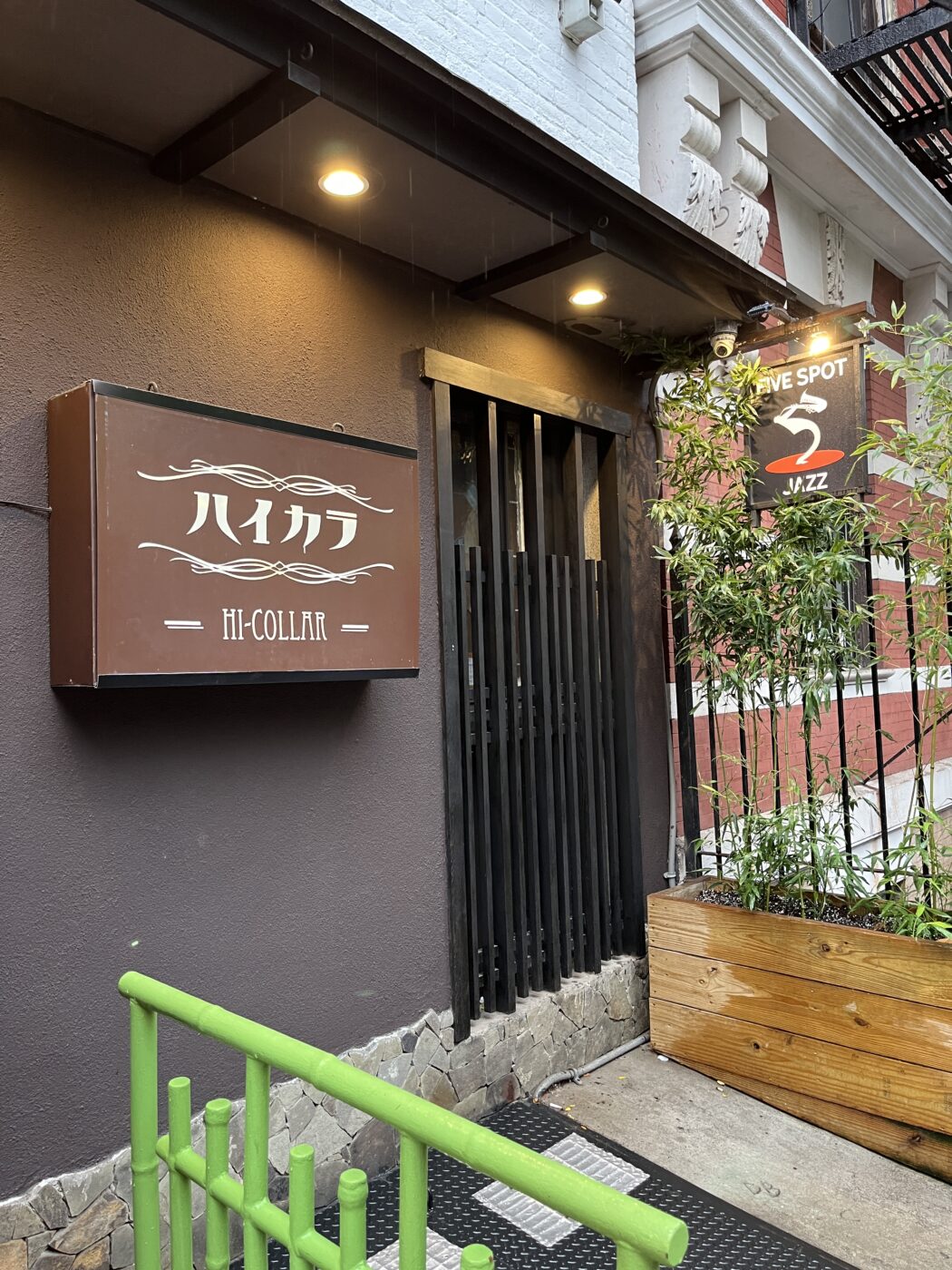
Yagi-san invited his friend Erena Terakubo, a former saxophone prodigy and professional musician well known in the Japanese community, to give her thoughts on the suitability of the space. She not only gave her stamp of approval, she agreed to become the new club’s booking agent, along with her husband, saxophonist Vincent Herring. At that point, all that was missing was a name, and that, Yagi-san had been keeping in his pocket for years, without telling anyone: Five Spot Jazz, the name left behind by legendary East Village venue.
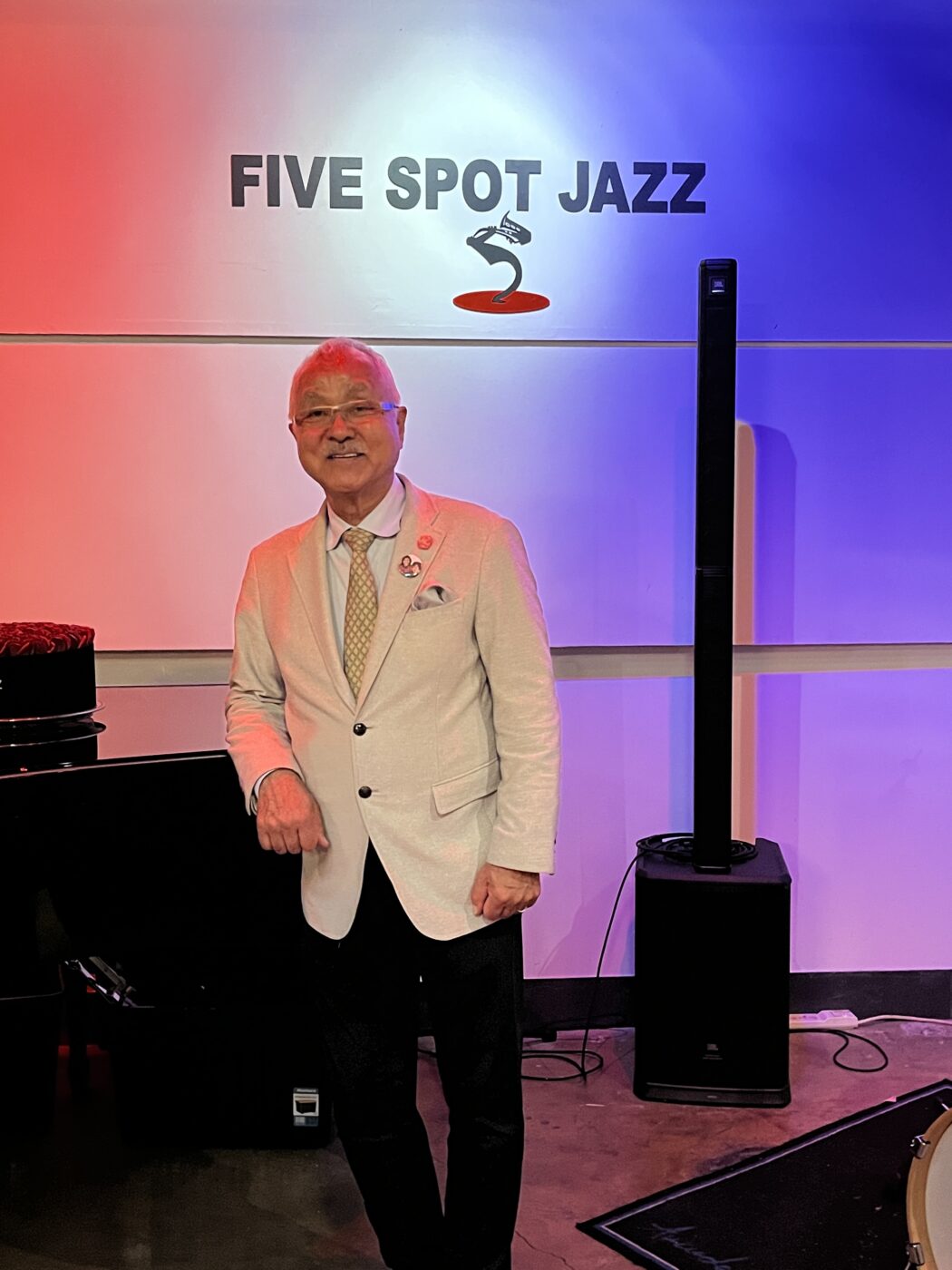
Five Spot Jazz started out offering one live performance per week, but gradually expanded to nightly concerts. In the evening, the main dining area becomes an intimate listening room, while the beautifully appointed bar remains in operation in a side space.
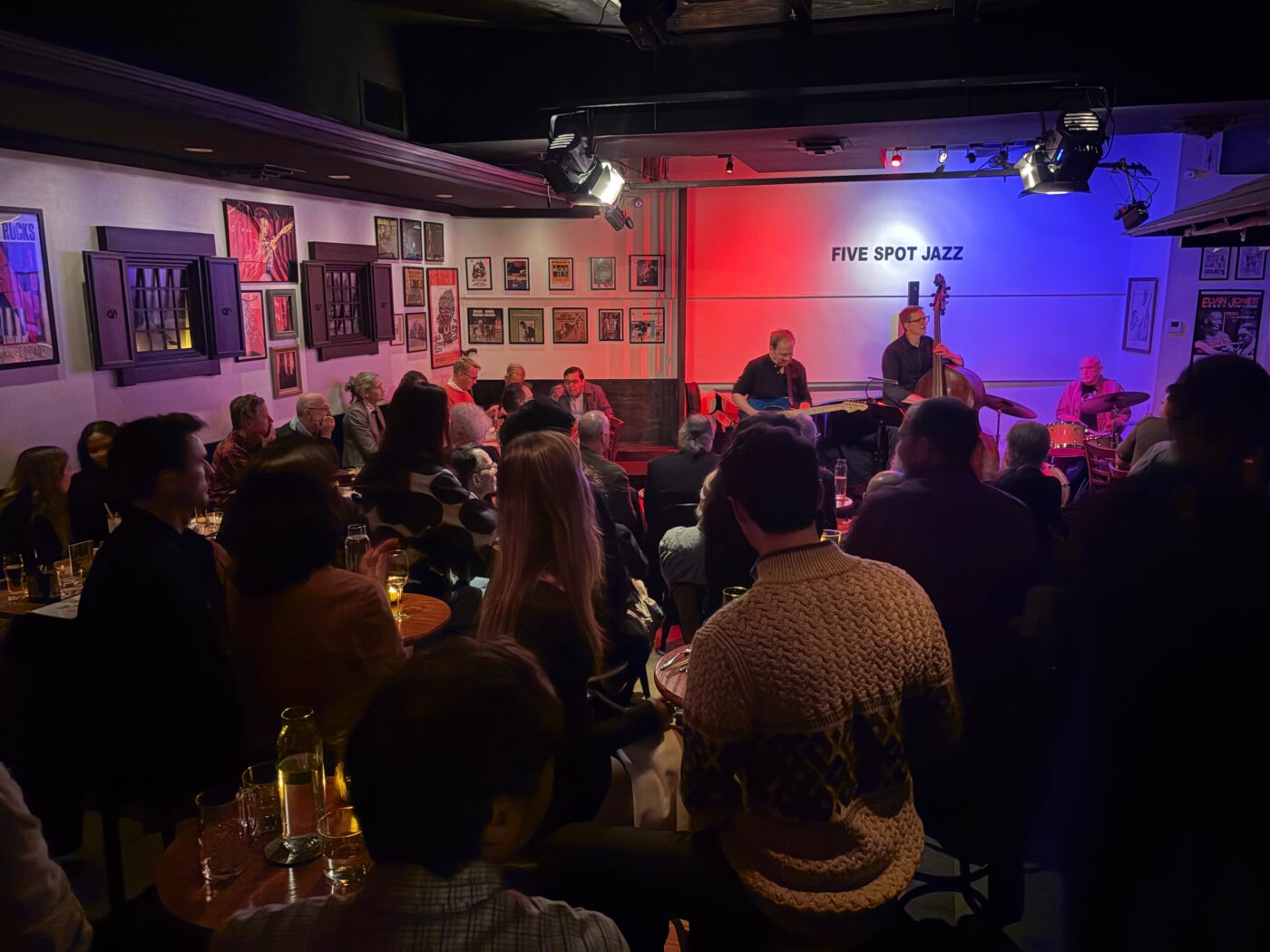
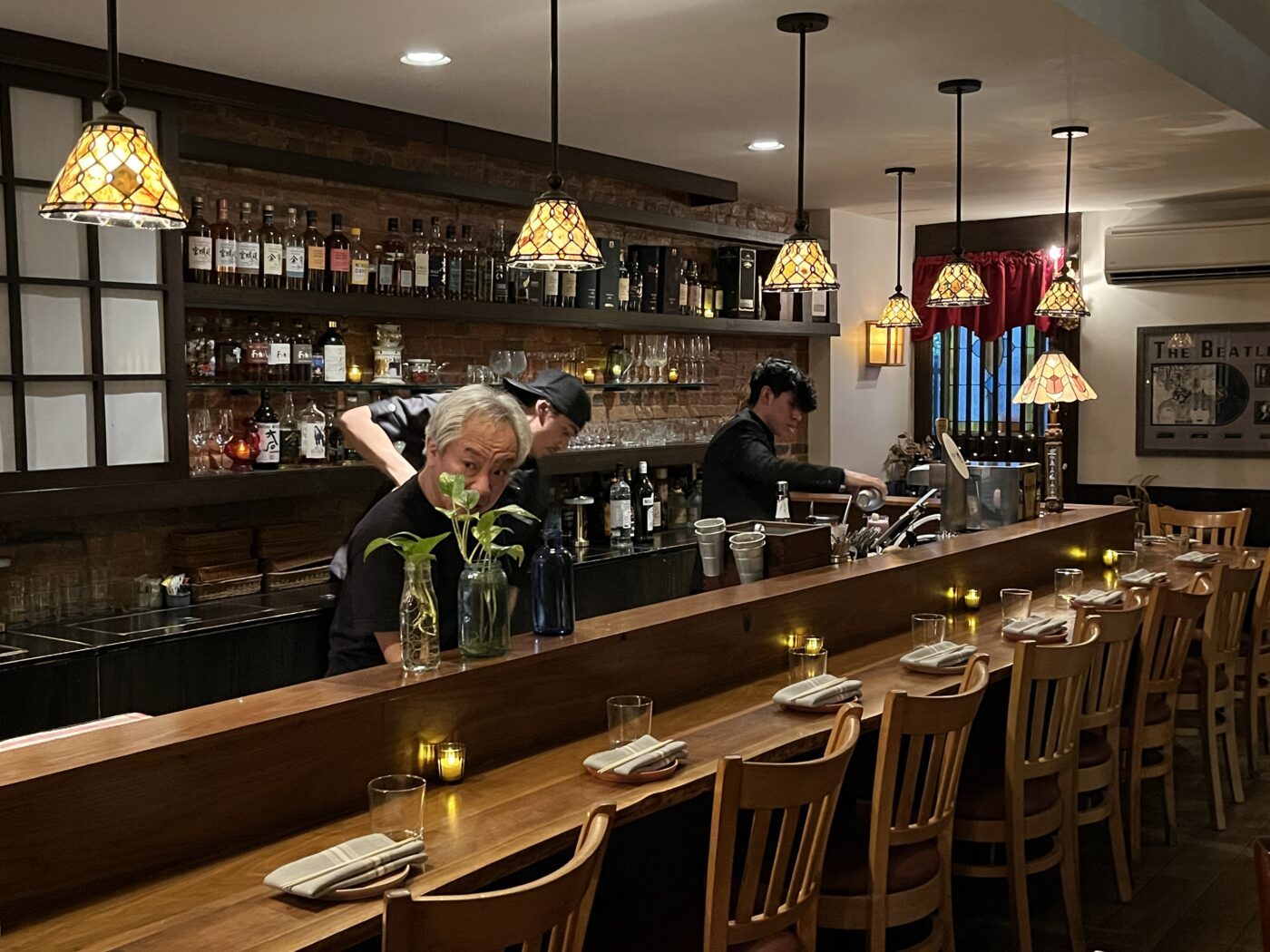
Much of the programming is built around supporting rising musicians. They get many of the bookings, as well as a Monday night open jam session, for which there is no cover charge. For Yagi-san, these sessions help bring musicians together, allowing emerging players to meet established musicians and each other, while the audience enjoys the music. He explains that they offer an opportunity for young players to find their footing: “A lot of youngsters come in here and play for the first time. They play with somebody else, they become friends, and one day they become one of the famous stars. I want them to remember, ‘I played here.'”
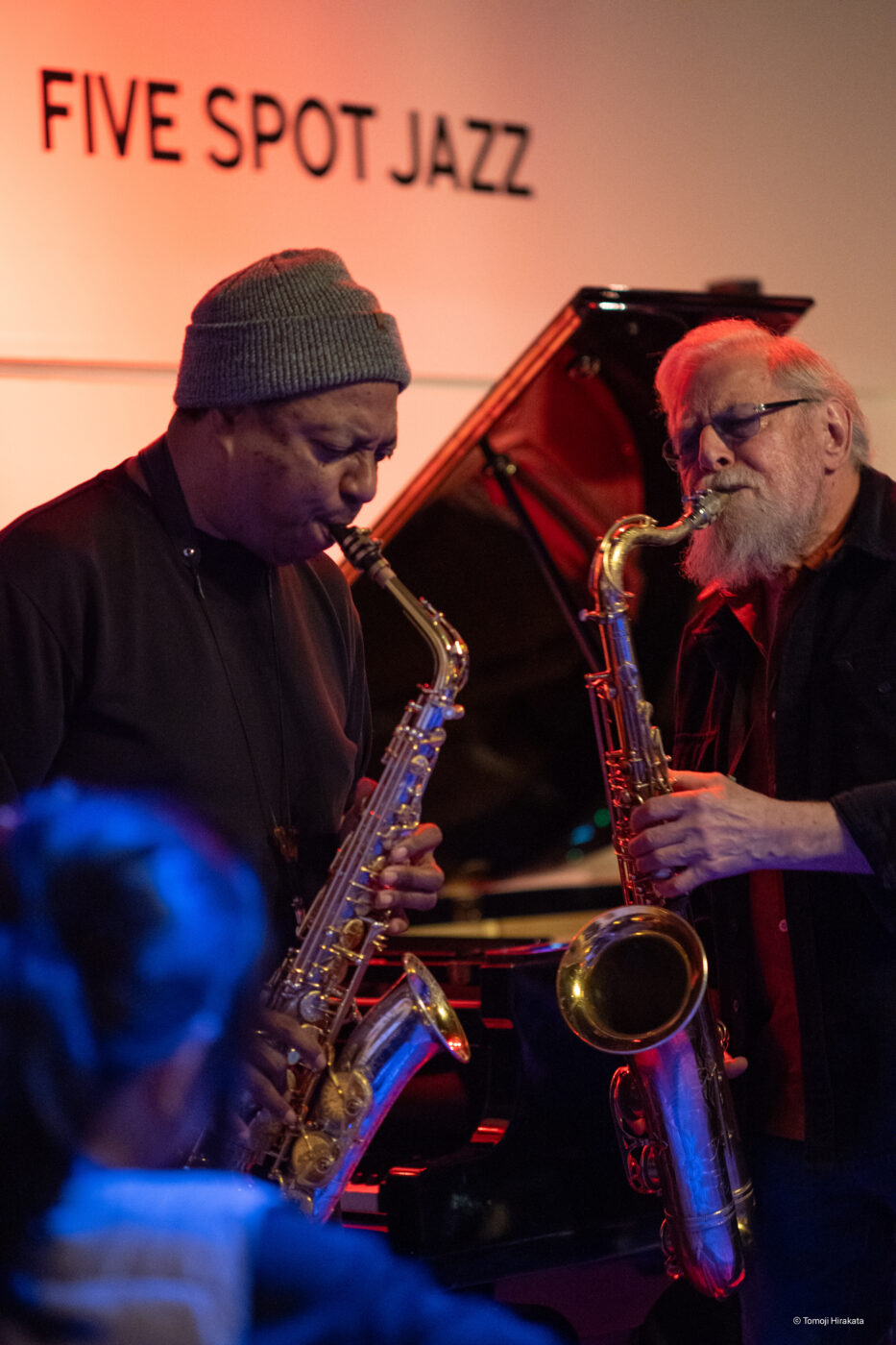
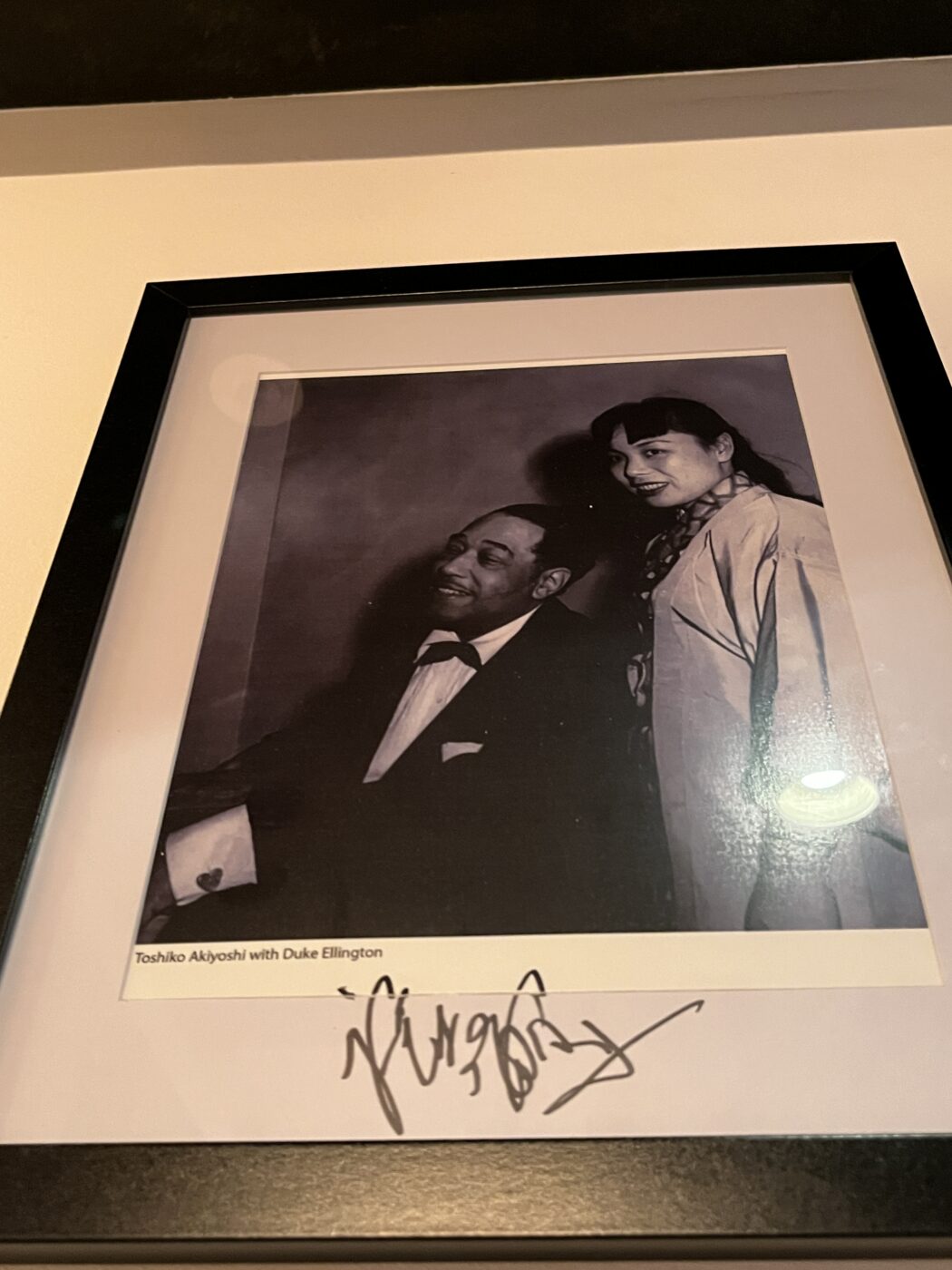
Up-and-comers, however, share the calendar with plenty of established artists. Tenor saxophonist and flutist Lew Tabackin has performed on multiple occasions. His daughter with the legendary Toshiko Akiyoshi, Monday Michiru, led a trio in celebration of Japanese jazz (Toshiko was in the audience). And Ravi Coltrane, whose father performed a famous set at the Five Spot Café with Thelonious Monk, has sat in as a special guest several times.
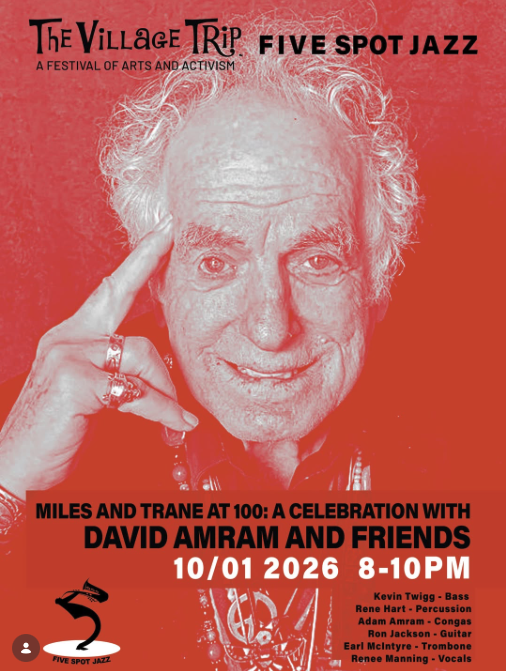
True to Yagi-san’s promise to honor the legacy of the Five Spot Café, the club has leaned heavily into that history and will continue to do so in the coming months. For John Coltrane’s centennial, pianist Orrin Evans will lead a two-night tribute on September 25 and 26. On October 1, David Amram, who led his own group at the original Five Spot in 1957, will present “Miles and Trane at 100”. And on October 10, the club will celebrate Thelonious Monk’s birthday. Another upcoming bill features Jazz Messengers alum Frank Lacy.
Five Spot Jazz offers no shortage of reasons to welcome the venue to the neighborhood and be part of this remarkable effort to carry forward one of our greatest musical traditions. So swing by today!
Learn more about the history of jazz in the neighborhood with our Jazz Map of Greenwich Village, the East Village, and NoHo.
If you would like us to welcome another independent business to the neighborhood, please let us know at info@villagepreservation.org.