The Greenwich Village and East Village homes of George Gershwin, Bill Dixon, George Barrow, and Red Rodney
During Prohibition in the 1920s, when jazz first rose to popularity in New York, many of its most prominent performance venues were located in Harlem and Midtown Manhattan. But this new style of music also found a distinct home downtown, with many of the liveliest and most innovative venues sprouting up in Greenwich Village and the East Village. As Prohibition ended and the decades passed, these neighborhoods only grew in their reputation as hotspots for jazz, as home to popular jazz venues, as well as many aspiring and accomplished musicians. Among them were artists whose work ranged from the popular music of George Gershwin to the experimental sounds of Bill Dixon.
Bill Dixon and the October Revolution
Bill Dixon (October 5, 1925-June 16, 2010) was a trumpeter, composer, educator, and activist who helped spearhead the free jazz movement of the 1960s. Dixon lived at 119 Bank Street during the early 1960s, when he sought out Greenwich Village coffeehouses as potential venues for experimental jazz. He hoped they would be more receptive to the music than mainstream Uptown jazz clubs.
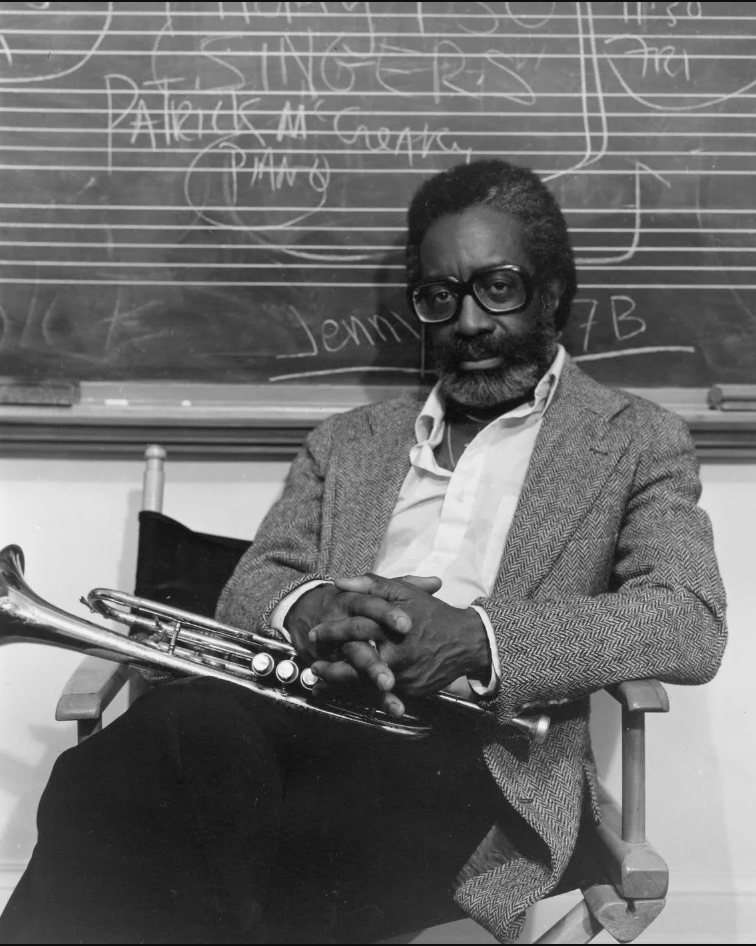
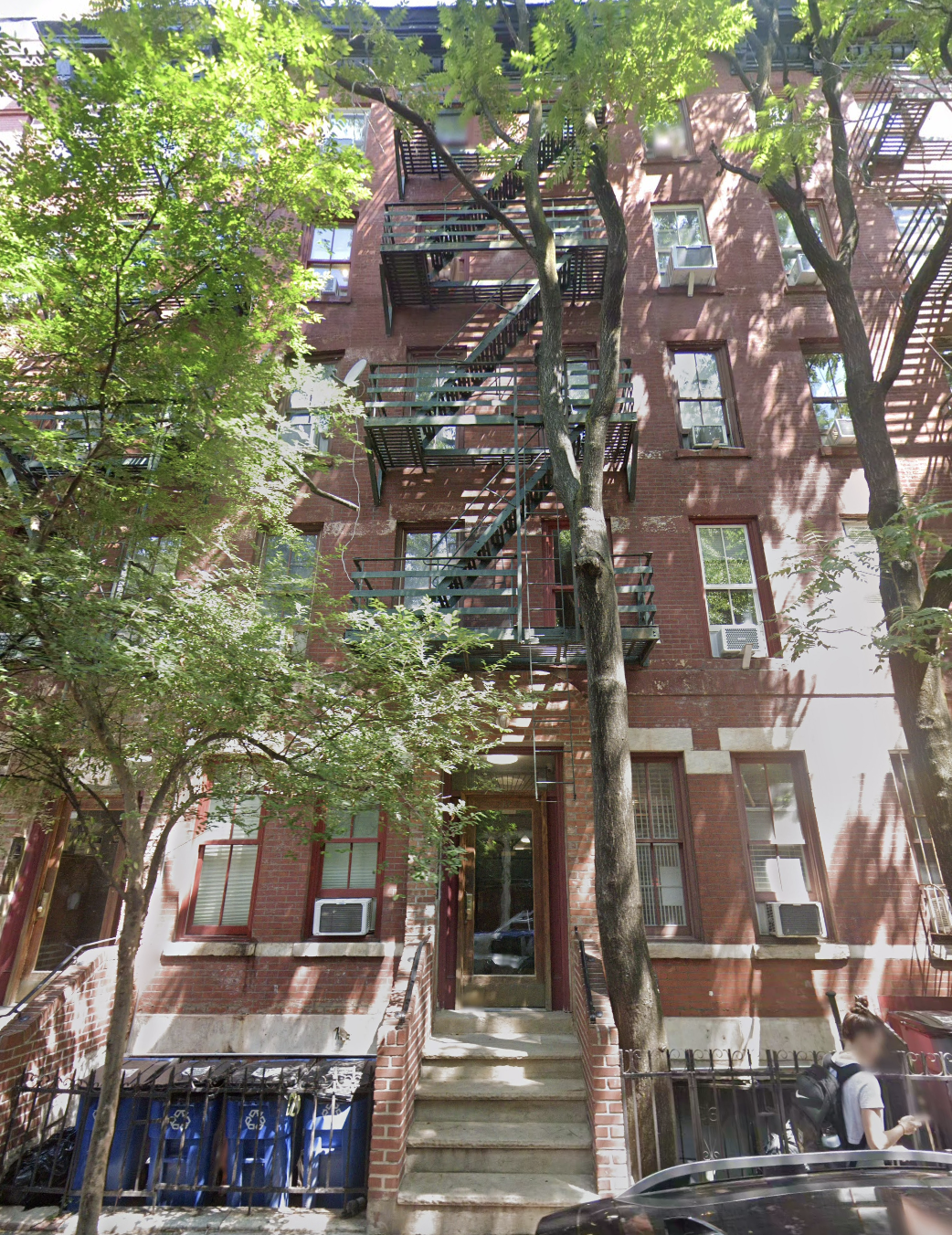
In 1964, Dixon organized the “October Revolution in Jazz,” a four-day avant-garde jazz concert series at the Cellar Café on West 91st Street. The event brought attention to musicians including Sun Ra, Paul Bley, and Cecil Taylor, as well as new developments in jazz experimentation. Following the publicity surrounding the event, Dixon launched the short-lived Jazz Composers Guild, a cooperative that supported experimental jazz musicians and promoted their music. Dixon continued pursuing experimental music throughout his career and taught at Bennington College beginning in 1968, where he established the school’s Black Music Division.
George Gershwin
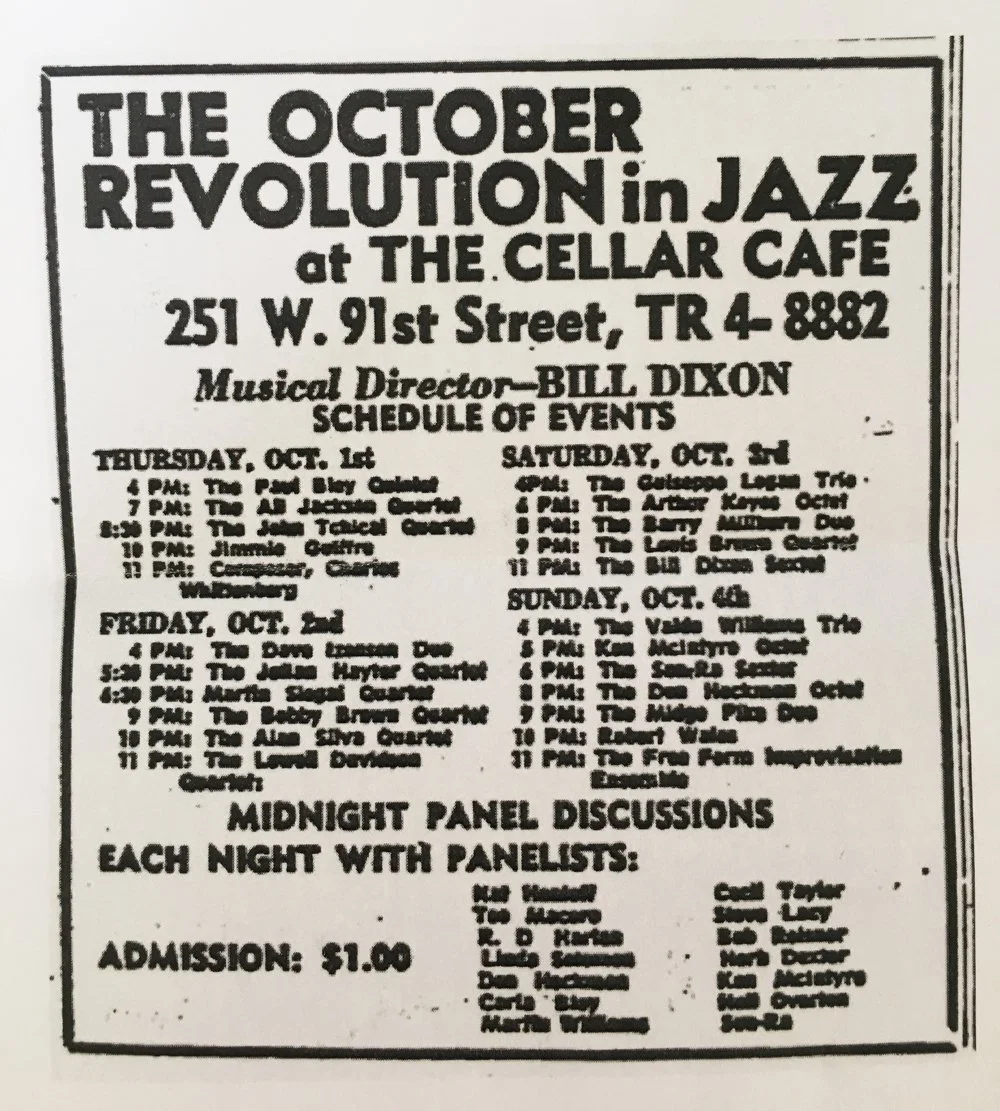
George Gershwin (September 26, 1898-July 11, 1937) lived at 91 2nd Avenue and became one of the most celebrated musicians of the 20th century. Gershwin’s musical talent emerged when he was a child. He was the second child of Russian Jews who immigrated to the Lower East Side to escape antisemitism back home. Although his parents had purchased a piano for his older brother Ira, George quickly took to the instrument and impressed his family with his performances. By age 15, he had left school to work as a pianist, eventually finding work in nightclubs, making piano rolls, and demonstrating sheet music for publishers.
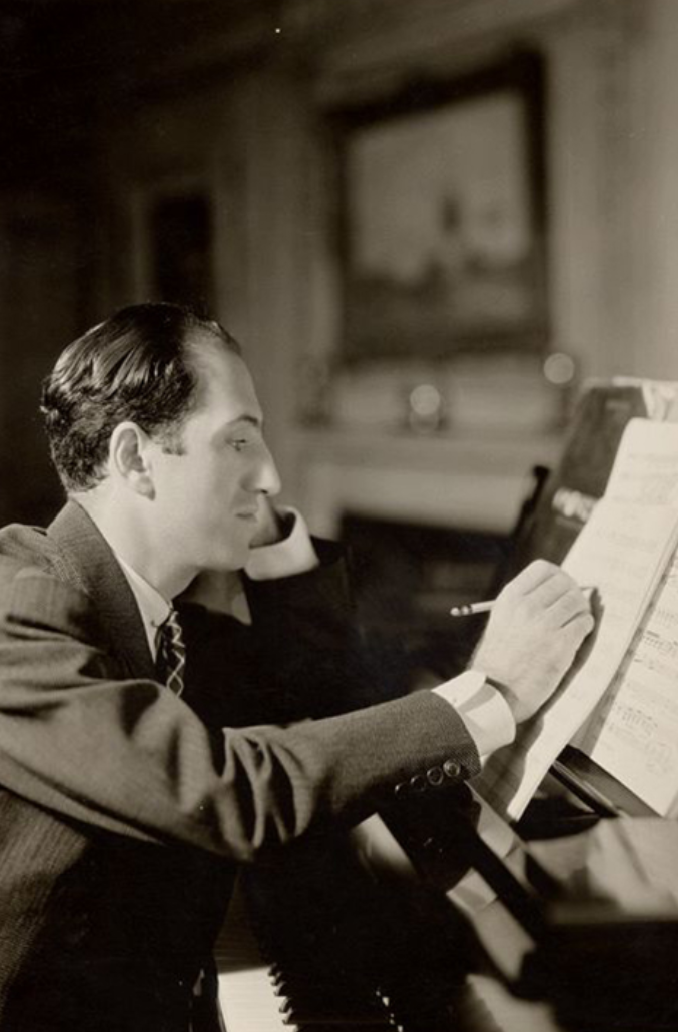
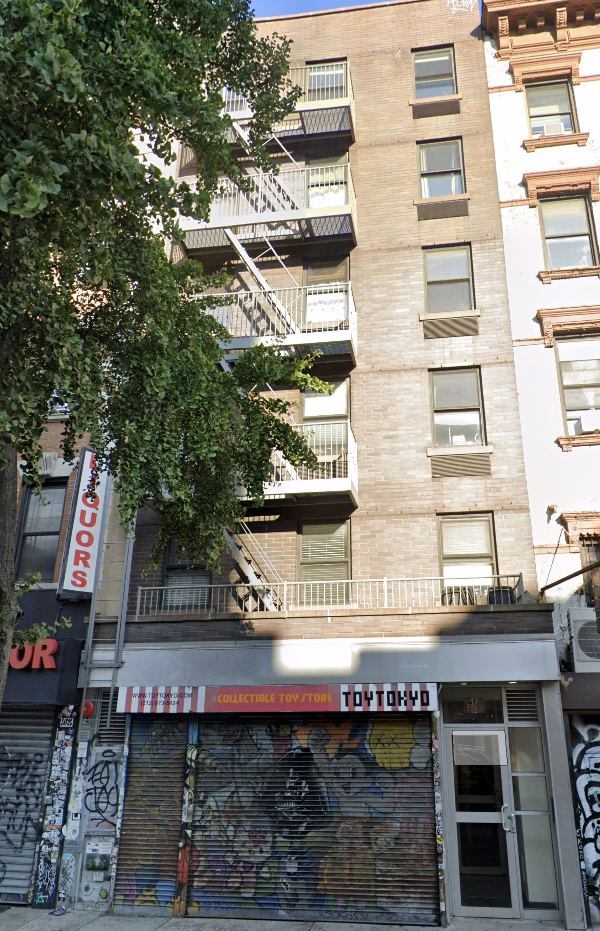
Gershwin soon began writing songs, many in collaboration with Ira, including “Lady Be Good,” “Fascinating Rhythm,” “Someone to Watch Over Me,” “Embraceable You,” and “‘S Wonderful.” He also brought jazz into larger classical compositions. Rhapsody in Blue, which premiered in 1924, was followed by works including Concerto in F and An American in Paris. Gershwin’s musical legacy also includes Porgy and Bess, which adapted Southern Black musical forms into a classical operatic structure.
Other Jazz Musicians in the Village
Other musicians with local connections include George Barrow and Red Rodney. Barrow (September 25, 1921-March 20, 2013), a self-taught musician, lived at 61 Jane Street during the mid-1960s. Although he began learning the tenor and baritone saxophones, clarinet, and flute as a young adult, within a decade he was performing and recording with major musicians, including the Charles Mingus and Ernie Wilkins ensembles. He also performed on Oliver Nelson’s The Blues and the Abstract Truth.
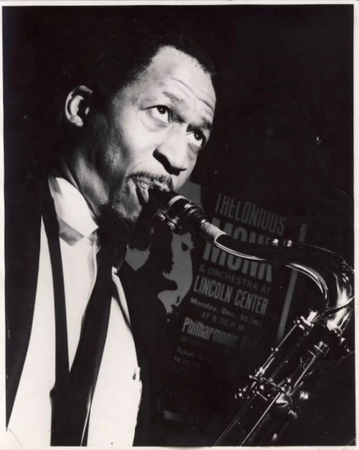
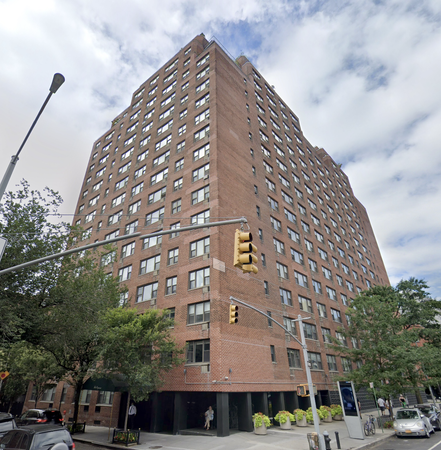
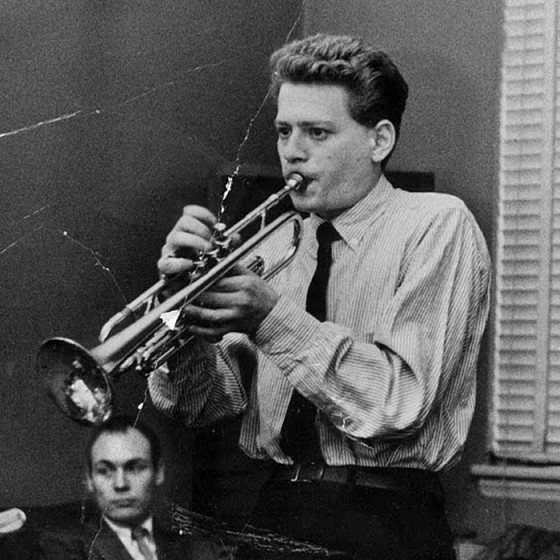
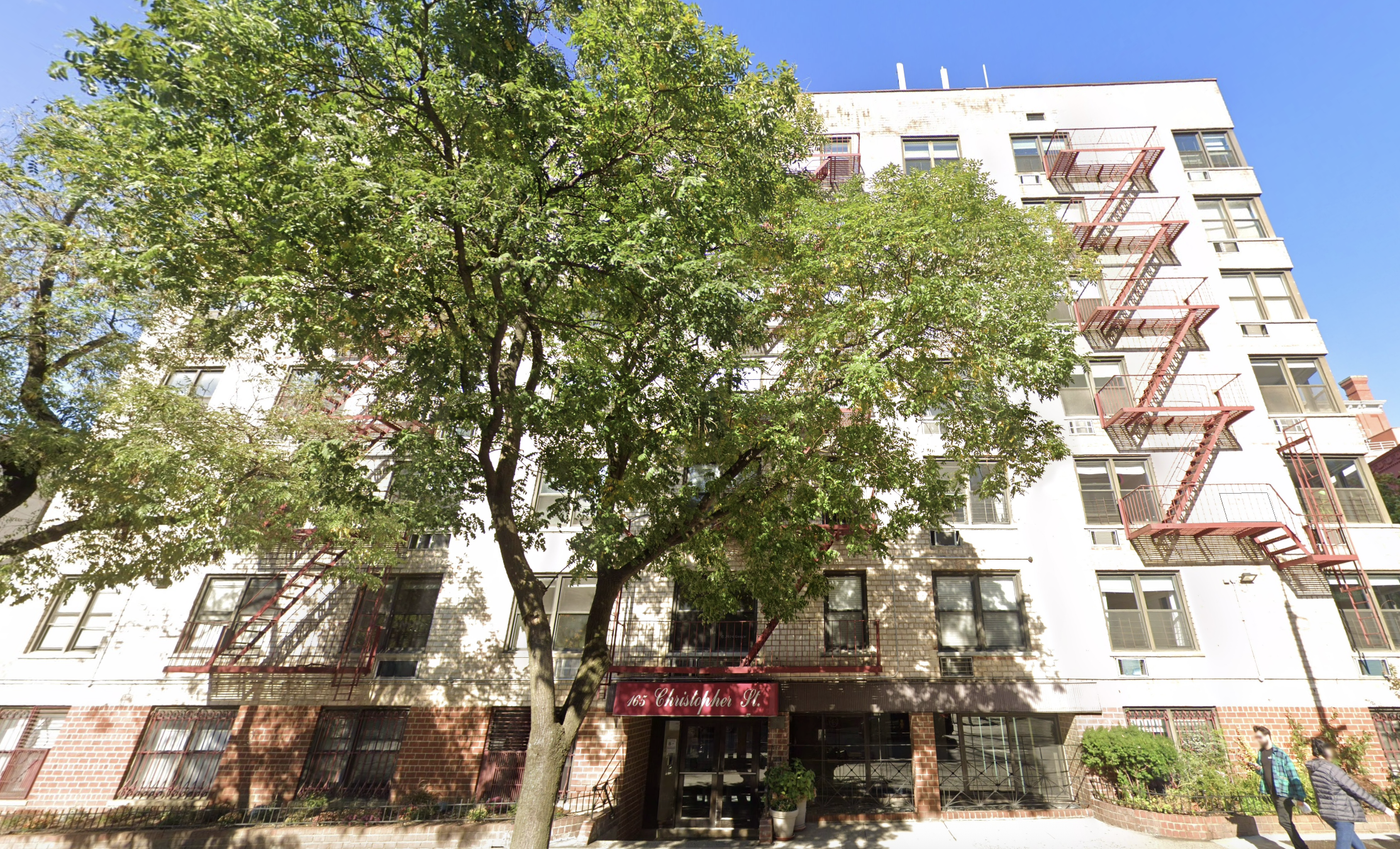
Red Rodney (September 27, 1927-May 27, 1994), born Robert Chudnick, lived at 165 Christopher Street during the 1980s. Rodney began playing professionally as a teenager and joined Benny Goodman’s band at 16. After being introduced to the improvisational approach of Dizzy Gillespie and Howard McGhee, he developed his bebop style and later joined Charlie Parker’s band in 1949.
Luckily, the list of jazz musicians who lived in Greenwich Village and the East Village does not stop with these four. You can explore more of the history of jazz in our neighborhoods through Village Preservation’s Jazz Map of Greenwich Village, the East Village, and NoHo. Check out hundreds of entries covering local music venues, recording studios, music archives, and musicians who lived here. To learn more about how to use the map, watch our program The History of Jazz in Greenwich Village, the East Village, and NoHo, Part 1 and Part 2.