
A Landmark Partnership: Celebrating the Merchant’s House Museum and Village Preservation Public Programs
On October 14, 1965, the Old Merchant’s House at 29 East Fourth Street became one of New York City’s first designated landmarks. Over sixty years later, the building we know as the Merchant’s House Museum remains a remarkable connection to the city’s past and a valued partner in Village Preservation’s work to share the history of our neighborhoods.

Looking back on the designation offers an opportunity to celebrate both the house’s protection and the collaboration that keeps its history accessible. Through co-sponsored lectures, walking tours, book talks, and special visits, our organizations have brought audiences together to explore the people and places that shaped New York. Our shared programs in recent years demonstrate how much a single preserved building can teach us about its surrounding neighborhood, the greater city, and even our country at large.
Completed in 1832 by the abolitionist Joseph Brewster, and then purchased by merchant Seabury Tredwell in 1835, the house remained in the Tredwell family until Seabury’s youngest daughter, Gertrude, died in 1933. It opened as a museum in 1936. Its survival preserved an extraordinary combination of architecture, furnishings, and family possessions. At the September 21, 1965 landmark hearing, more than ten witnesses supported designation, and none opposed it. The Landmarks Preservation Commission’s designation report recognized the house’s architectural importance and exceptional ability to convey nineteenth-century domestic life. Its interior received separate landmark protection in 1981.

That history provides the foundation for a partnership built around discovery. In 2024, shared programs placed the house within the changing city around it, including marking the opening of Fifth Avenue in 1824 with the lecture Vanished Mansions of Lower Fifth Avenue: Celebrating the Iconic Street at 200. The Merchant’s House Museum has created a series of incredible walking and house tours. Village Preservation co-sponsored tours have included: The Tredwells’ World of 19th Century NoHo and Reinventing the Bond Street Neighborhood, 1865-1900, exploring the neighborhood that attracted prosperous merchant families as New York’s economy expanded.
In May of 2024, 1830s NYC: A Decade of Social, Political, & Geographical Upheaval, widened that perspective of a city undergoing profound and rapid changes as the 19th century progressed. James Scully explored a turbulent decade of urban growth, public health challenges, sensational news, and the devastating Great Fire of 1835; the same year the Tredwells purchased their home.
Other Merchant’s House tours that Village Preservation has joined have brought overlooked neighborhood lives into focus. The Rediscovering 19th-Century Women of NoHo tour explored servants, boardinghouse managers, artists, publishers, shopkeepers, and women pursuing education. Their stories revealed a neighborhood shaped by women across different occupations and circumstances. In 2025, collaboration continued inside the house. The Irish House Tour centered the women whose labor sustained the Tredwell household. Beginning with names recorded in the 1855 census, including nineteen-year-old Bridget Murphy, the tour followed domestic life from the kitchen to the servants’ quarters. It offered a fuller understanding of the home by considering both the family and the workers who made its comfortable life possible.
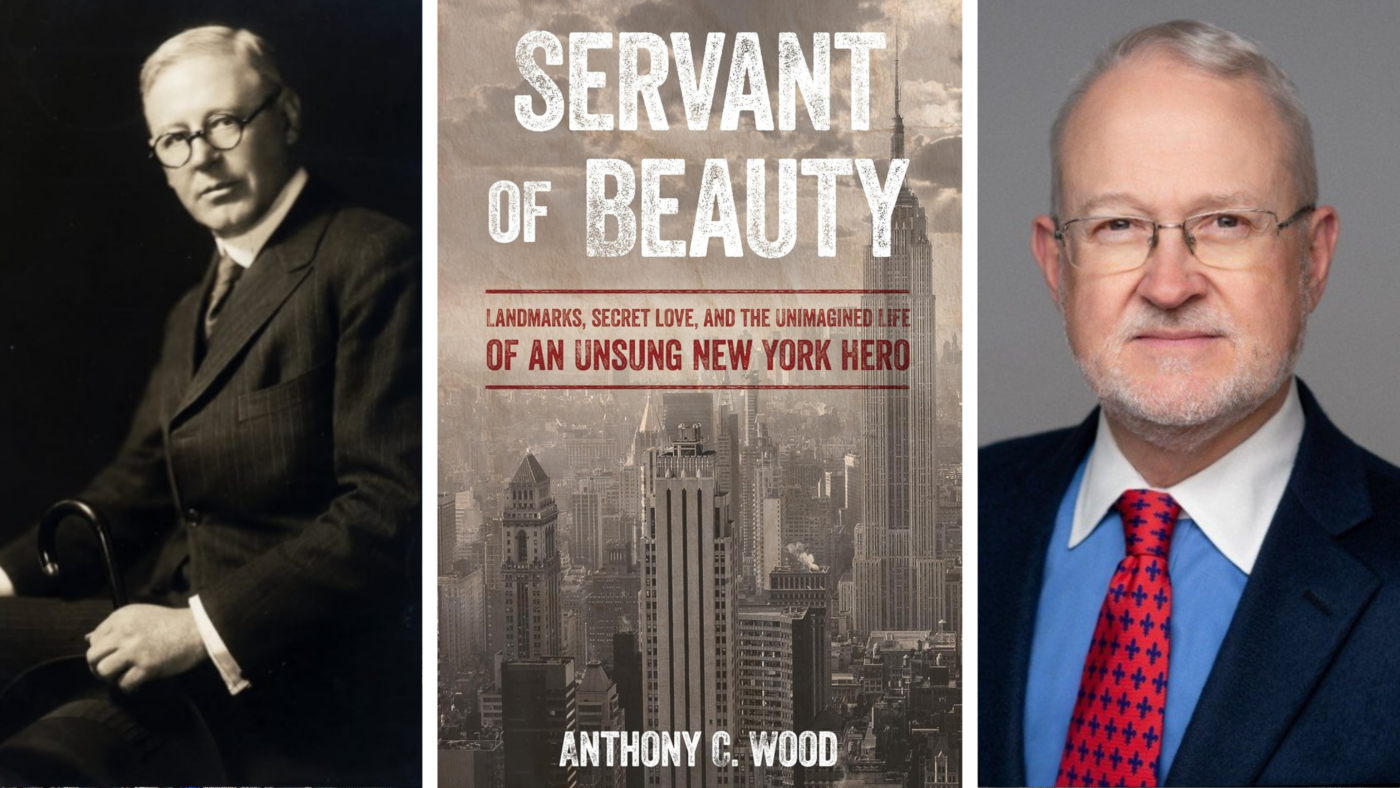
Other co-sponsored programs connected local history to larger developments of New York City. Joint programs have included: Russell Shorto’s August 2025 virtual talk on Taking Manhattan, the June 2025 talks by Anthony C. Wood’s talk on Servant of Beauty, exploring the preservation advocate Albert Sprague Bard, and David Mulkins’s book talk on The Bowery. In February 2025 Jordan Stein spoke about the life and work of one of the most famous 19th century American poets, the now-nearly-forgotten Fitz-Greene Halleck. Together, this wide array of rich topics links neighborhood history with the city’s colonial beginnings, cultural life, and preservation movement.
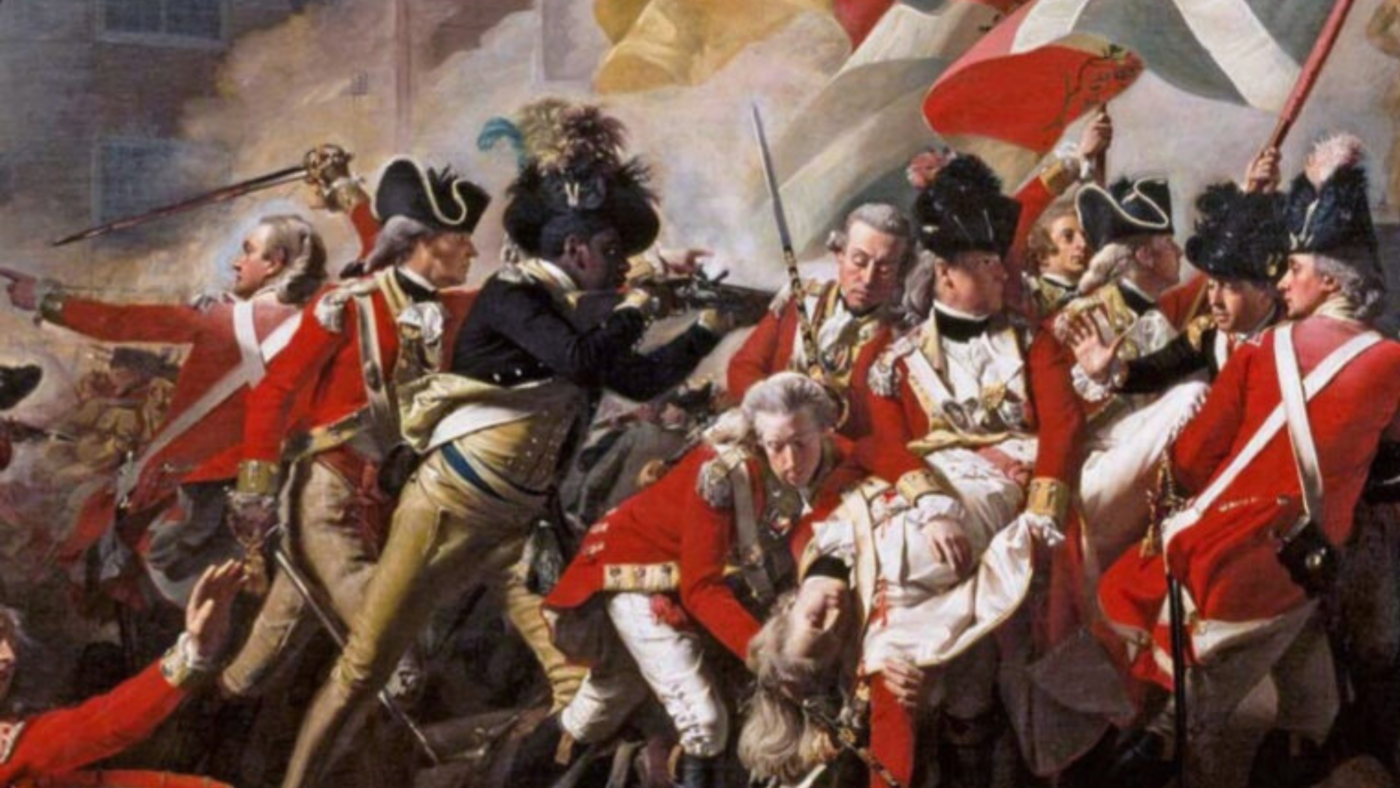
To mark the country’s semiquincentennial in 2026, Village Preservation and the Merchant’s House presented Freedom’s Edge: Greenwich Village and the American Revolution. Part of Village Preservation’s yearlong Revolutionary Village programming, the lecture examined Indigenous dispossession, Black maritime workers, and Black Loyalists, and an exploration of whose histories we remember.
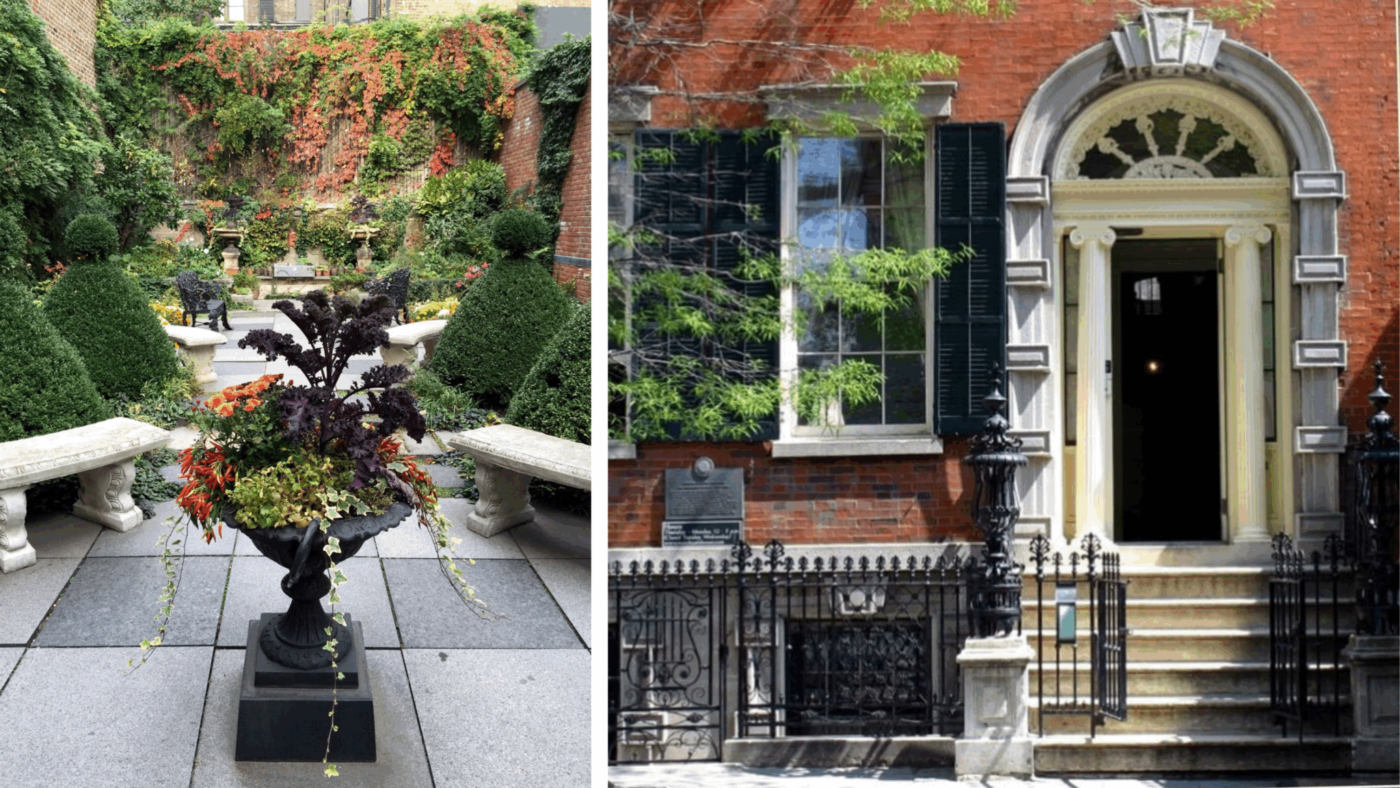
Our joint annual September members’ garden tour with Head Gardener John Rommel offers another kind of encounter: a chance for members of both organizations to gather in the museum’s historic garden, share refreshments, and enjoy this quieter part of the house’s legacy. Village Preservation members were also lucky to receive one of the first house tours of the Merchant’s House to include a look at the hidden passage added in 1832 by the original owner, Joseph Brewster. The passage is one of the only documented sites of the Underground Railroad in Manhattan open to the public.
These collaborations with the Merchant’s House Museum and other amazing partners such as the Salmagundi Club and the New York Preservation Archive Project, help remind us how important preserving and protecting our built history is in interpreting our past, but also as we look to the future. As a unique site of historic preservation and a place where history can be encountered directly, the shared programs with the Merchant’s House Museum are an important way to bring the history of our neighborhoods to life. We are incredibly grateful for this partnership and invite you to explore the Merchant’s House Museum directly, or revisit our many past joint programs, several recordings of which can be found on both the Merchant’s House and Village Preservation’s YouTube channels. Help keep these stories part of New York’s present and future by joining us at an upcoming program or enjoying the recordings of past programs.