
The National LGBTQ Task Force — South of Union Square as an Incubator for Change
For over 50 years, the National LGBTQ Task Force has worked to advance freedom, justice, and equality for all those who identify as part of the LGBTQ+ community. The organization is the country’s very first and oldest national LGBTQ+ advocacy group, and while its headquarters are now in Washington, D.C., its origins and first dozen formative years were found right here in our neighborhoods — specifically in the area South of Union Square.
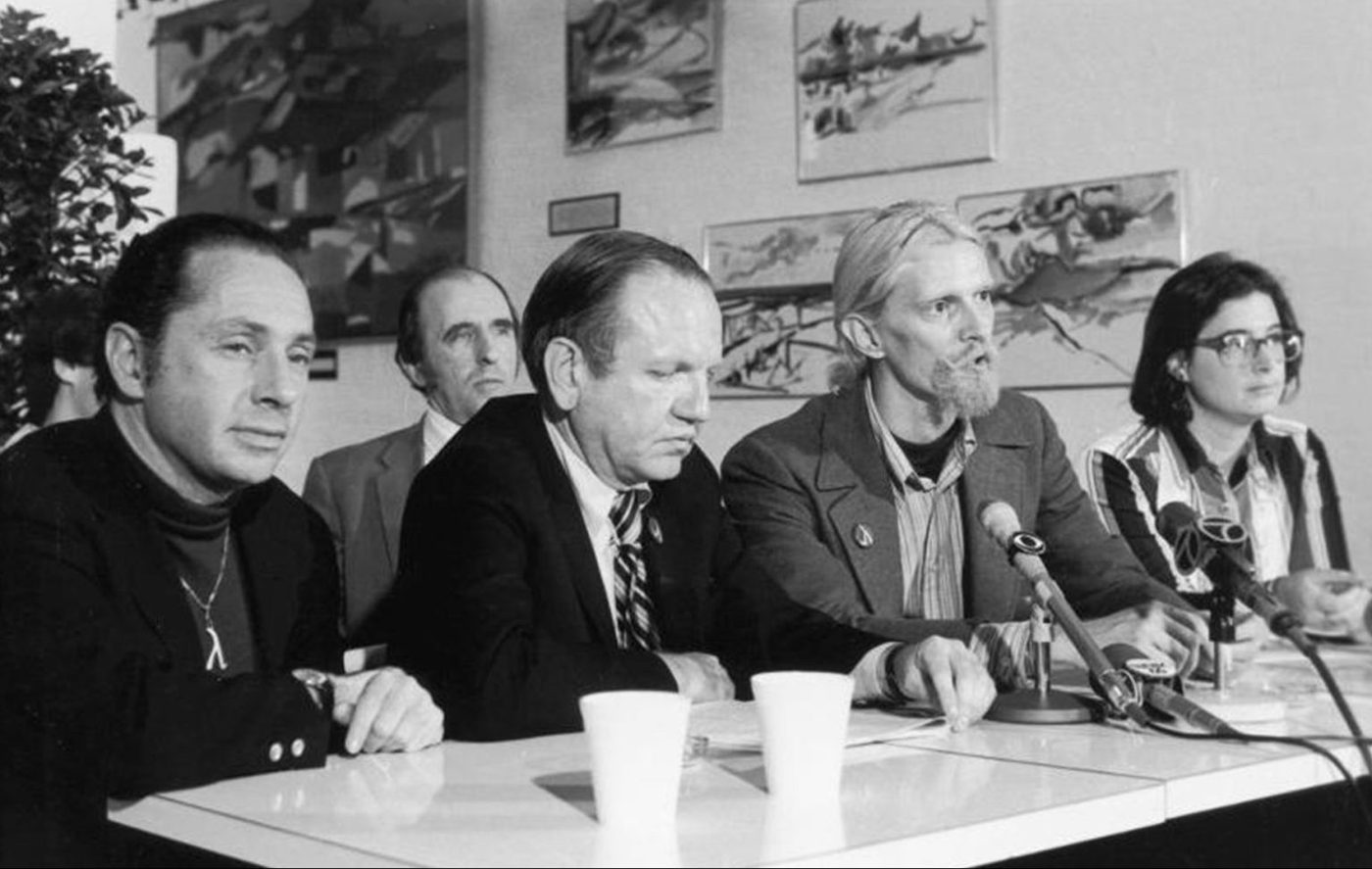
Formerly called the National Gay Task Force (and then the National Gay and Lesbian Task Force, from 1985 to 2014), the founding members of the Task Force included Dr. Howard Brown, Martin Duberman, Barbara Gittings, Ron Gold, Frank Kameny, Nathalie Rockhill, and Dr. Bruce Voeller. Their inspiration for the organization was inspired by the Stonewall uprising and the burgeoning LGBTQ+ rights movements in the Village.
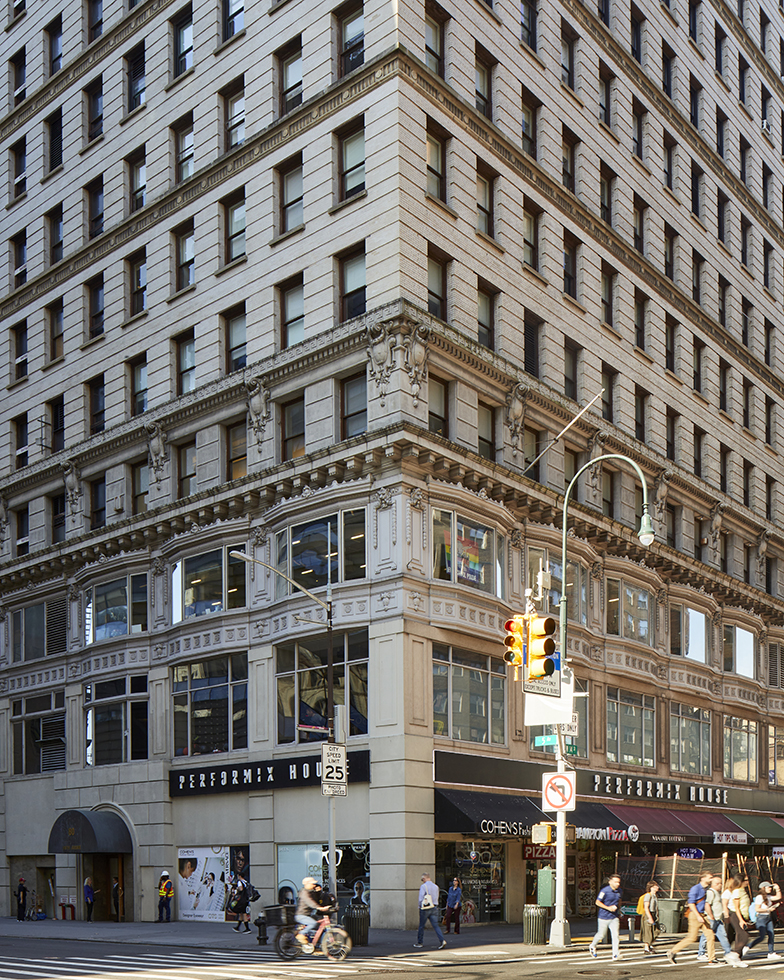
From its founding in 1973 through 1985, the Task Force was headquartered on the 5th floor of 80 Fifth Avenue, an elaborately detailed Renaissance Revival style office building constructed in 1907-1908. Over its nearly 120-year history, the 17-story office, store, and loft building has housed law firms, clothing and jewelry shops, magazine and real estate offices, a school, and radical and transformative labor and social justice organizations like the International Workers Order (IWO).
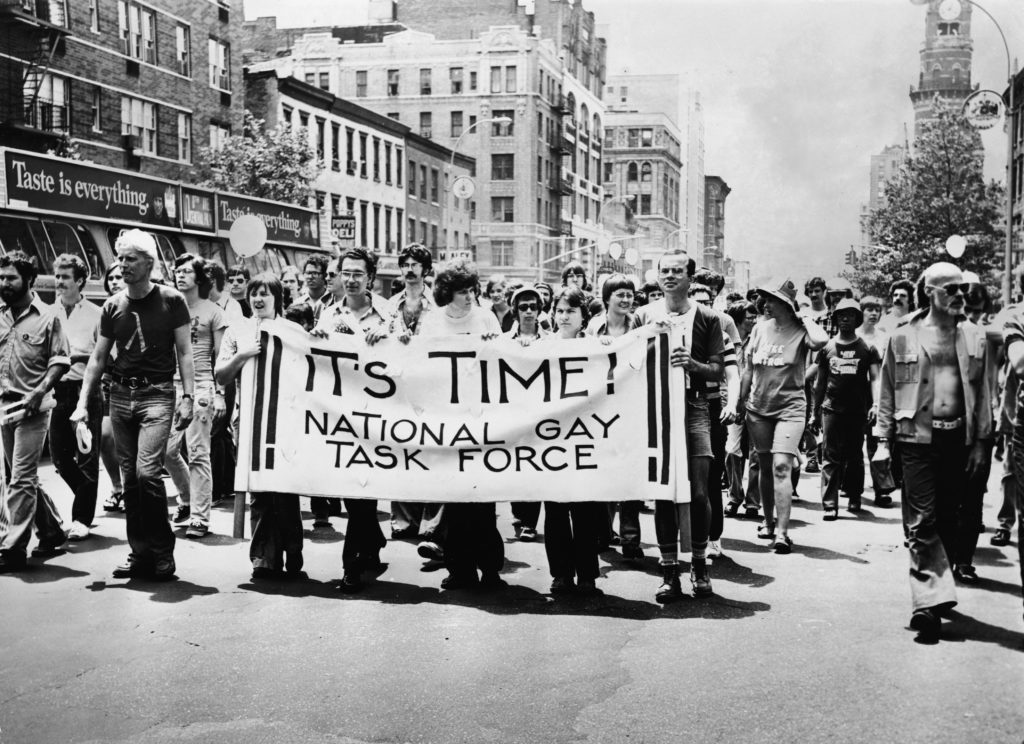
Among the Task Force’s accomplishments during its years at 80 Fifth Avenue was helping get the American Psychiatric Association to remove homosexuality from its list of mental disorders in December 1973. The organization also helped dismantle the federal government’s exclusion of gay and lesbian people from federal employment and arranged a historic meeting between LGBTQ advocates and representatives of the Carter administration in 1977. These achievements demonstrated how activism that had gathered strength on the streets of New York could reach the highest levels of national government.
The Task Force’s founding came just four years after the Stonewall uprising of June 1969, when patrons of the Stonewall Inn at 51–53 Christopher Street resisted a police raid, sparking days of protest in the surrounding streets. Stonewall was not the beginning of LGBTQ+ activism, but it became a defining turning point in the modern movement, helping galvanize a new generation of activists and organizations.
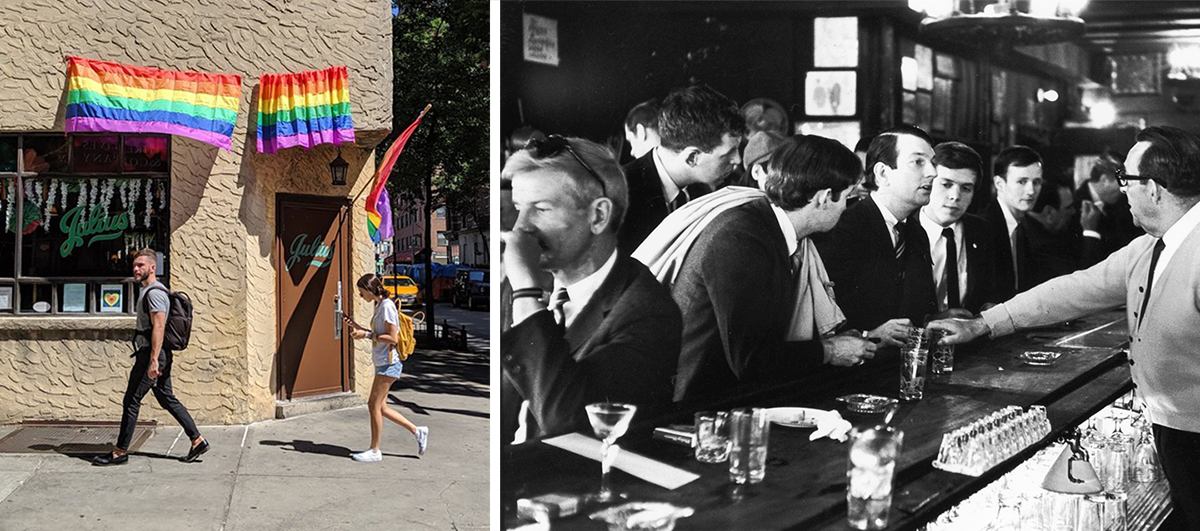
The surrounding neighborhood had long provided spaces where LGBTQ people could find one another, build communities, and challenge discrimination. At Julius’ Bar, at 159 West 10th Street, members of the Mattachine Society staged the celebrated 1966 “sip-in,” protesting rules that allowed bars to refuse service to gay patrons. Nearby, the Stonewall Inn became the setting for a more confrontational response to police harassment. Together, these sites illustrate the range of tactics that shaped the movement, from public demonstrations against discriminatory policies to collective resistance in the streets. Both are sites for which Village Preservation led successful campaigns to earn them landmark designation.
By the early 1970s, this neighborhood activism was generating new organizations and new approaches to political change. The Gay Liberation Front and the Gay Activists Alliance organized in the aftermath of Stonewall, while the LGBTQ+ community also established social, cultural, and religious institutions that provided support. The Task Force emerged from this wider landscape of organizing, with a distinctive mission: to connect the energy of local movements to a coordinated national campaign for equality.
While the headquarters of the LGBTQ Task Force moved to Washington, D.C., in 1985, its roots in the Village have continued to impact the organization’s mission and ethos.
The Task Force’s original headquarters at 80 Fifth Avenue is one of several crucial unprotected LGBTQ+ history sites South of Union Square for which Village Preservation is seeking landmark designation. If you’d like to urge the City to protect this special history and area, you can send letters here and here.
You can learn more about the history of LGBTQ activism and culture on our Civil Rights and Social Justice Map and LGBTQ+ history page.