
The History and Architectural Legacy of Judson Memorial Church
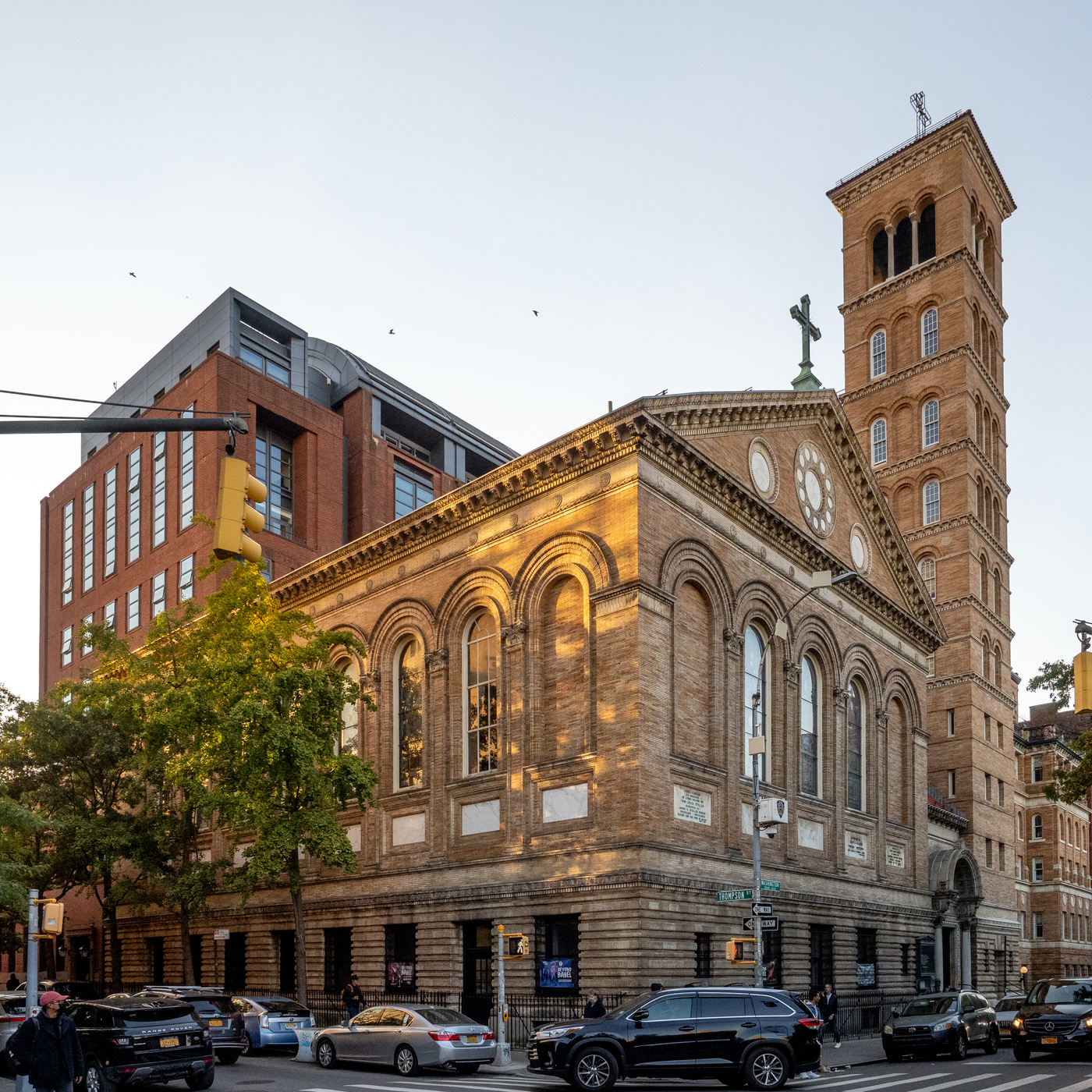
Standing on the south side of Washington Square Park, on the corner of Thompson Street and Washington Square South, Judson Memorial Church is a landmark where faith, activism, and art intersect. Its history reflects the evolution of Greenwich Village from a 19th century immigrant enclave to a global nexus of culture.
A Vision on Washington Square
Founded by Reverend Edward Judson, the church was built as a memorial to his father, Adoniram Judson, one of America’s first missionaries to Burma, where he served for several decades. Edward chose the location purposefully as Washington Square South served as the dividing line between wealthy Fifth Avenue residents and the poorer immigrants living in the tenement district to the south of the park. Financed in part by industrialist John D. Rockefeller, Judson aimed to build a “bridge church” that offered social services such as free health clinic, while of course, making his Baptist denomination of Christianity more appealing to the overwhelmingly Catholic immigrants
The church was designed in the Italian Renaissance Eclectic style by McKim, Mead & White, led by partner Stanford White. Construction began in 1888 and was completed in 1892. Its yellow brick and Romanesque terracotta facade, accompanied by a soaring bell tower, captures warm light over the park. The interior features stained glass windows crafted by master artist John La Farge and marble friezes designed by Augustus Saint-Gaudens.
Avant-Garde Hub & Activism
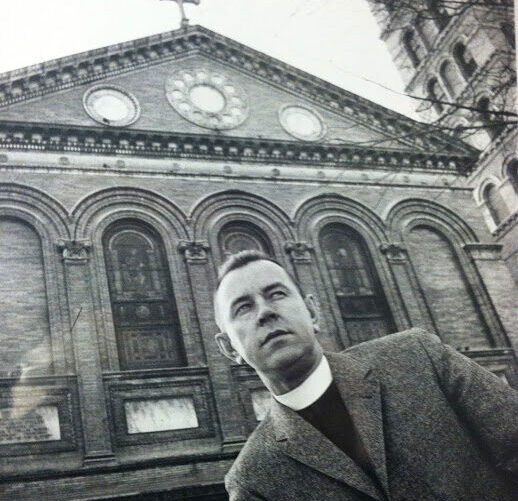
By the mid-20th century, under ministers such as Reverend Howard Moody, Judson transformed into an sanctuary and incubator for Greenwich Village’s counterculture. In the 1950s and ’60s, it provided space for unfiltered artistic expression, giving birth to the Judson Poets’ Theater and the Judson Dance Theater, which revolutionized post-modern dance and experimental performance art.
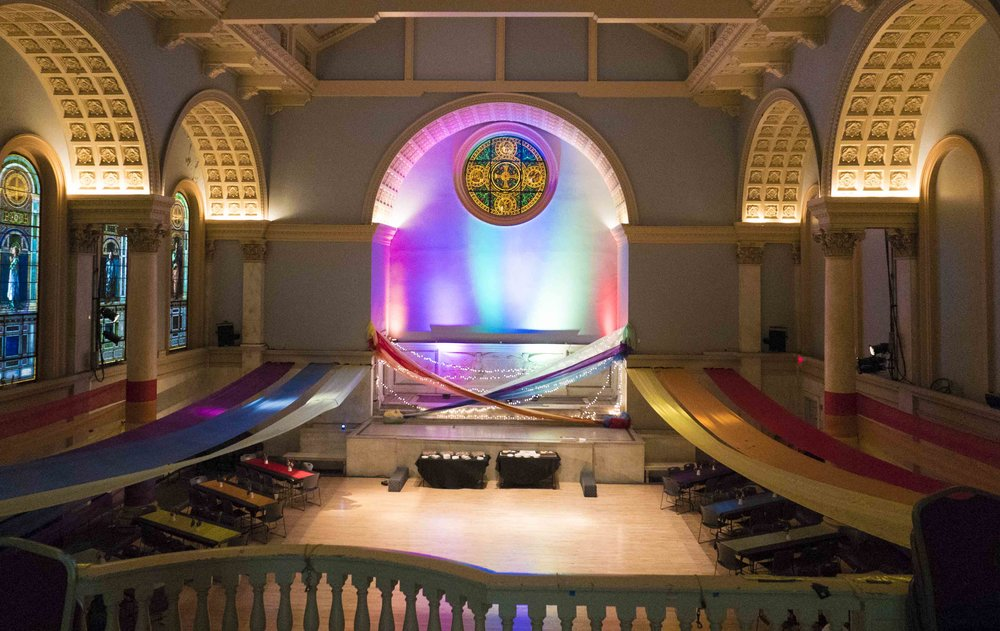
Concurrently, Judson stood at the forefront of vital civil rights and social causes. It was an early refuge for LGBTQ+ activism, hosted the Clergy Consultation Service on Abortion (offering healthcare before Roe v. Wade), and emerged as a sanctuary during anti-war movements and the AIDS crisis.
Landmarking and Legacy
Recognizing its architectural distinction, the New York City Landmarks Preservation Commission designated Judson Memorial Church an individual NYC Landmark on May 17, 1966, just one year after the Landmarks Law was created. On October 16, 1974, it was added to the National Register of Historic Places.
Today, Judson Memorial Church remains an active congregation and vibrant community space. Its landmarked walls continue to honor a double legacy: preserving classical Gilded Age architecture while cultivating the arts and inclusive social change.
Read more about Judson Memorial Church and its impact on the community and the arts here.
Explore other landmarked and national registered listed properties in our neighborhoods here.