
Women Crush Wednesday: Mary Oliver, the Poet Who Taught Us to See the World Differently
Mary Oliver, the Pulitzer Prize-winning poet whose words inspired generations to look more closely at the natural world, once lived in the East Village, where she met photographer Molly Malone Cook, her life partner of more than four decades.
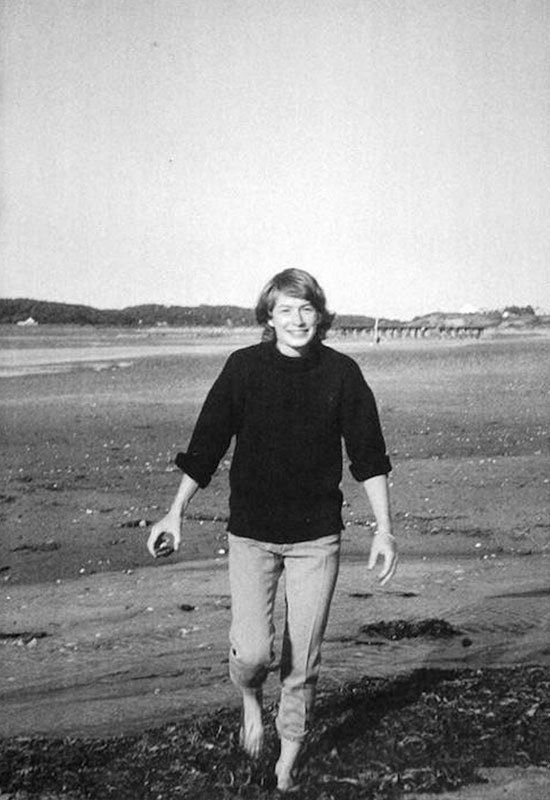
Mary Oliver in the East Village
Born in Ohio in 1935, Mary Oliver developed a love of nature early in life and began writing poetry as a teenager. As a young woman, she spent several years helping organize the papers of poet and Villager Edna St. Vincent Millay at Millay’s upstate country home, Steepletop. Her admiration for Millay’s work and independence would remain an important part of Oliver’s own literary story.
In 1959, Oliver moved to New York City, settling in the East Village, and becoming part of a vibrant literary and artistic community. Around this time, she met photographer Molly Malone Cook during a visit to Steepletop. Cook lived nearby in the East Village, and the two women began seeing one another after their return to New York. Their relationship would last more than four decades.
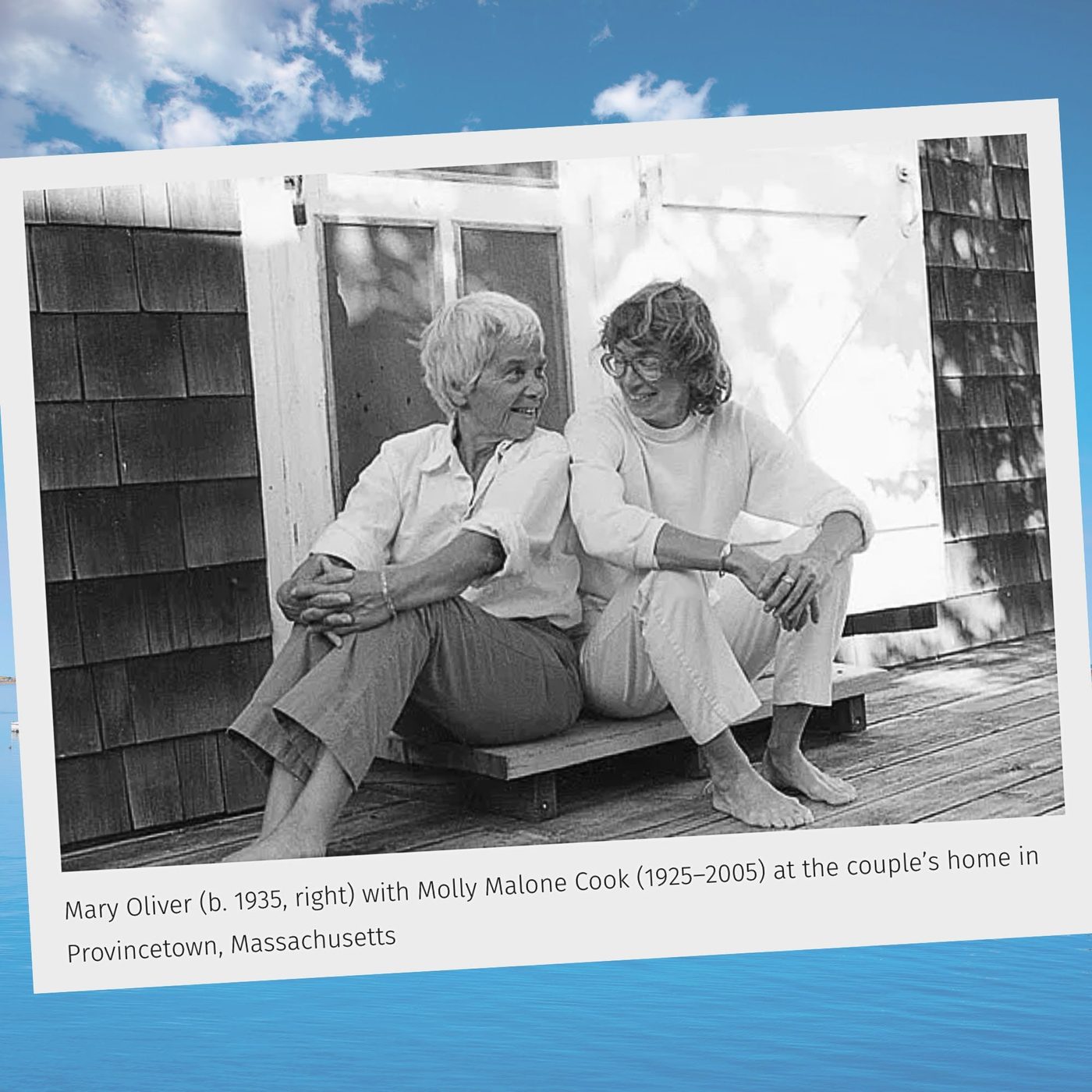
Cook was an accomplished photographer who worked for The Village Voice and documented artists, writers, and other cultural figures. Her life and work were also deeply connected to the creative energy of the East Village, a place where unconventional lives and ideas could find room to develop.
In 1964, Oliver and Cook left New York for Provincetown, Massachusetts, where they built a life together. Cook became an important partner in Oliver’s literary career, supporting her work and serving as one of her most trusted readers. Their enduring relationship was central to Oliver’s life and creative journey.
A Poet Who Taught Us to Pay Attention
Mary Oliver became celebrated for poetry that finds extraordinary meaning in the ordinary details of the natural world. Her work draws readers toward birds, flowers, forests, ponds, and the changing seasons, inviting them to look more carefully at the world around them.
Her language is direct and accessible, but the questions she raises are profound. What does it mean to live attentively? How do we respond to the beauty and fragility of life? What responsibilities come with being part of a world larger than ourselves?
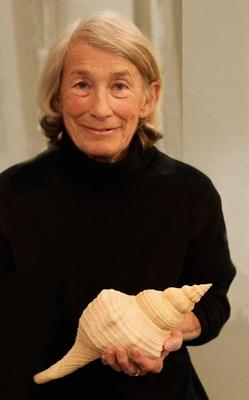
Oliver’s poetry earned some of the nation’s highest literary honors. She received the Pulitzer Prize for American Primitive in 1984 and the National Book Award for New and Selected Poems in 1992. Yet her work reached far beyond the literary establishment, resonating with readers who found in her poems a way to think about nature, loss, love, and the choices that shape a life.
Preserving the Places Behind the Stories
Mary Oliver’s connection to the East Village offers a reminder that the cultural history of our neighborhoods is not limited to famous buildings or public landmarks. It also lives in the apartments, streets, gathering places, and communities where writers and artists developed their work and lives.
The East Village and Greenwich Village have long provided places for creative expression, experimentation, and new ways of thinking. Protecting the character and history of these neighborhoods helps preserve the context in which generations of artists, writers, activists, and other visionaries lived and worked.
This November, Village Preservation’s WE STAND installation in Washington Square Park will honor Oliver, Cook, and other remarkable women whose lives and work helped shape our neighborhoods and the wider world.
Through WE STAND, Village Preservation brings these histories into public view, honoring women whose contributions have shaped our communities and reached far beyond them. Mary Oliver’s story belongs among them: a poet whose words taught millions to look more closely at the world, and a woman whose life with Molly Malone Cook forms part of the rich, often overlooked history of the East Village.