
Fashion’s Footprint South of Union Square
South of Union Square, located roughly between Third and Fifth Avenues and 14th and 9th Streets, was once home to prominent innovators and leaders who helped shape how New Yorkers dressed, styled their hair, and made clothing. Sewing machine manufacturers, fashion publishers, and makers of hairpieces and accessories all had a presence here. Our South of Union Square map’s fashion tour features several buildings that offer a glimpse into this history.
E. Mittelstaedt, Inc. at 86 University Place
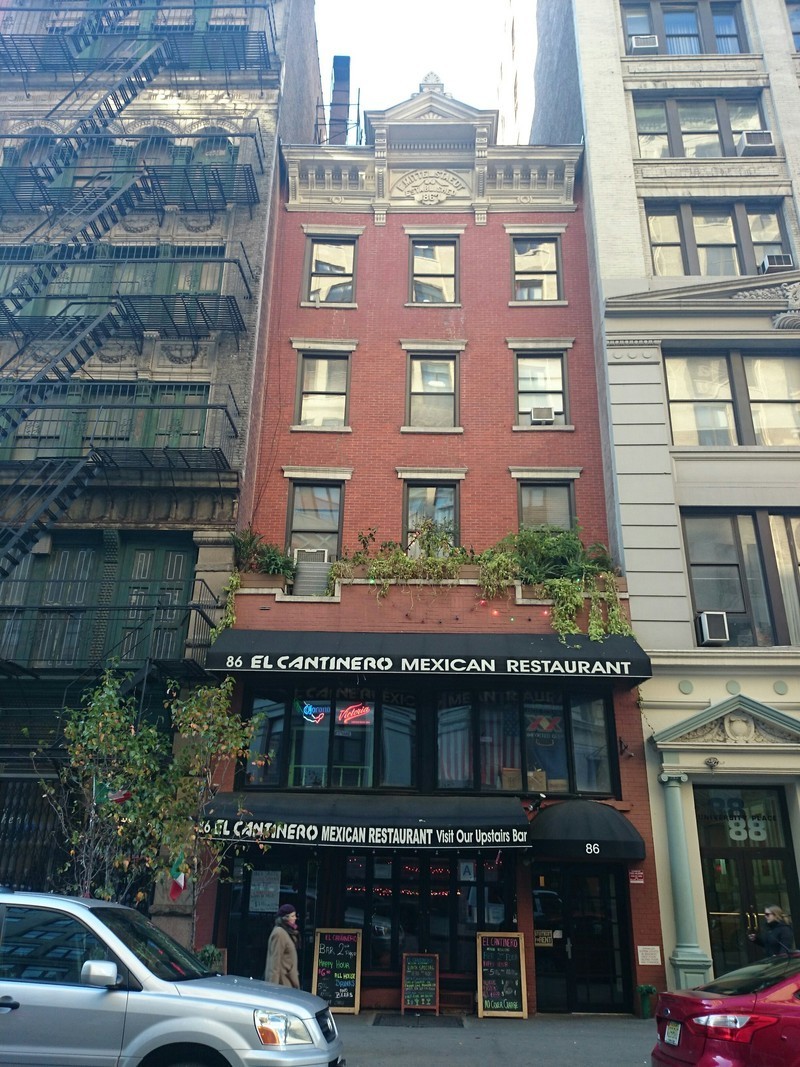
In 1889, German immigrants Bernhard and Emma A. Mittelstaedt purchased 86 University Place as both their family home and the headquarters of E. Mittelstaedt, Inc., a business specializing in women’s hair products. The company had been importing and wholesaling human hair since at least the 1870s, when it operated from Canal Street. Elaborate hairstyles were fashionable during the Victorian era, and wigs and hairpieces were in high demand. Emma Mittelstaedt contributed to the business beyond its daily operations. In November 1881, she filed a patent for an improved hair-front for women, which was granted in February 1882. Her design was intended to be more durable, easier to secure, and wearable with or without a part.
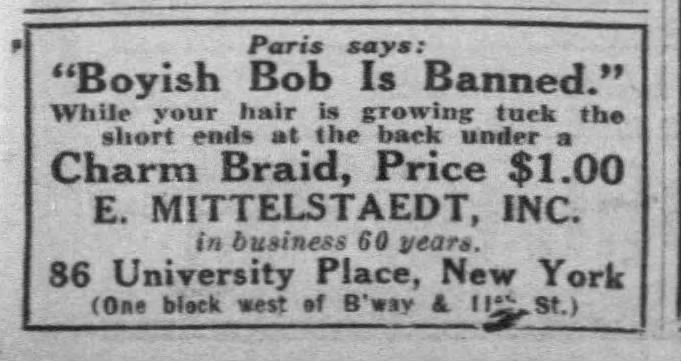
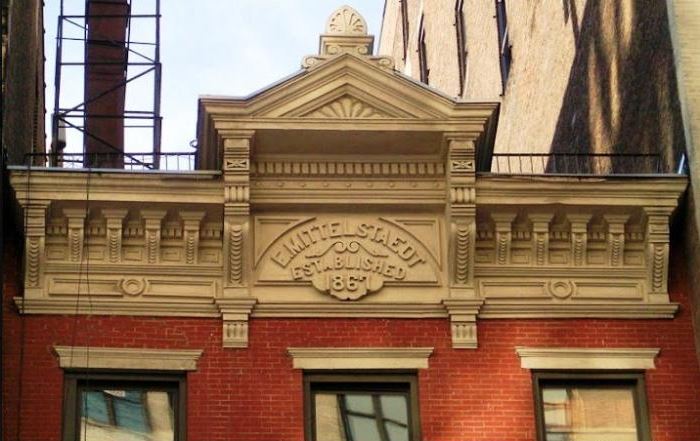
The business eventually expanded into the neighboring building at 84 University Place. Meanwhile, the Mittelstaedts continued living at No. 86, renting out portions of the house to tenants. After Bernhard’s death in 1917, their children continued the business. Harriet Mittelstaedt, the last member of the family to occupy the house, donated it to New York University in 1958 on the condition that she could remain there for the rest of her life. She lived there until her death in 1964.
Today, 86 University Place faces planned demolition. This building’s loss would mean erasing a key piece of the neighborhood’s history, including its connection to the Mittelstaedt family and their hairpiece business. Village Preservation is campaigning to save the building and urging the city to recognize its historic significance. Learn more about the campaign to save 86 University Place and how you can help.
Wilson Sewing Machines at 827–831 Broadway
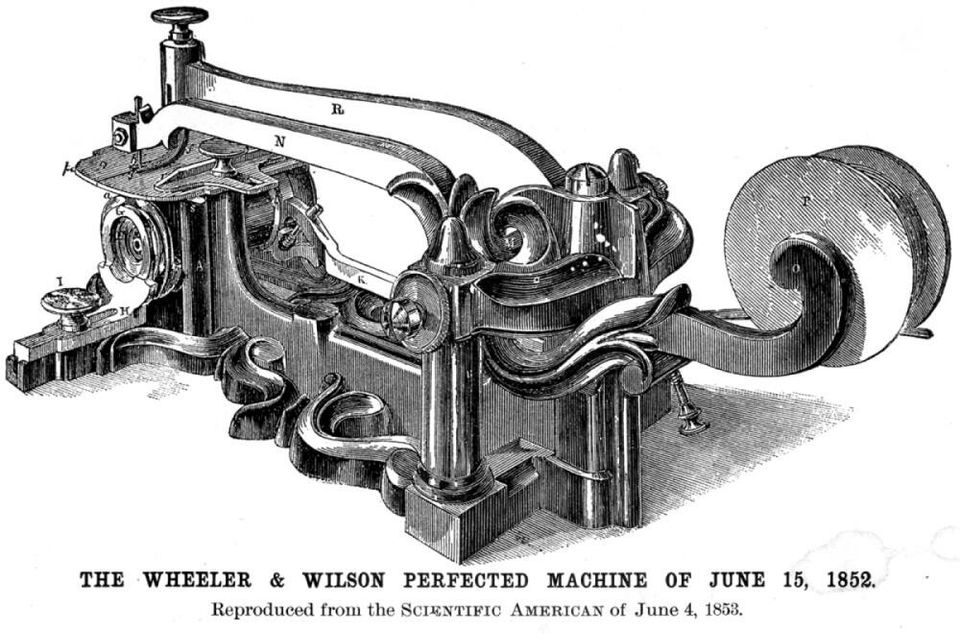
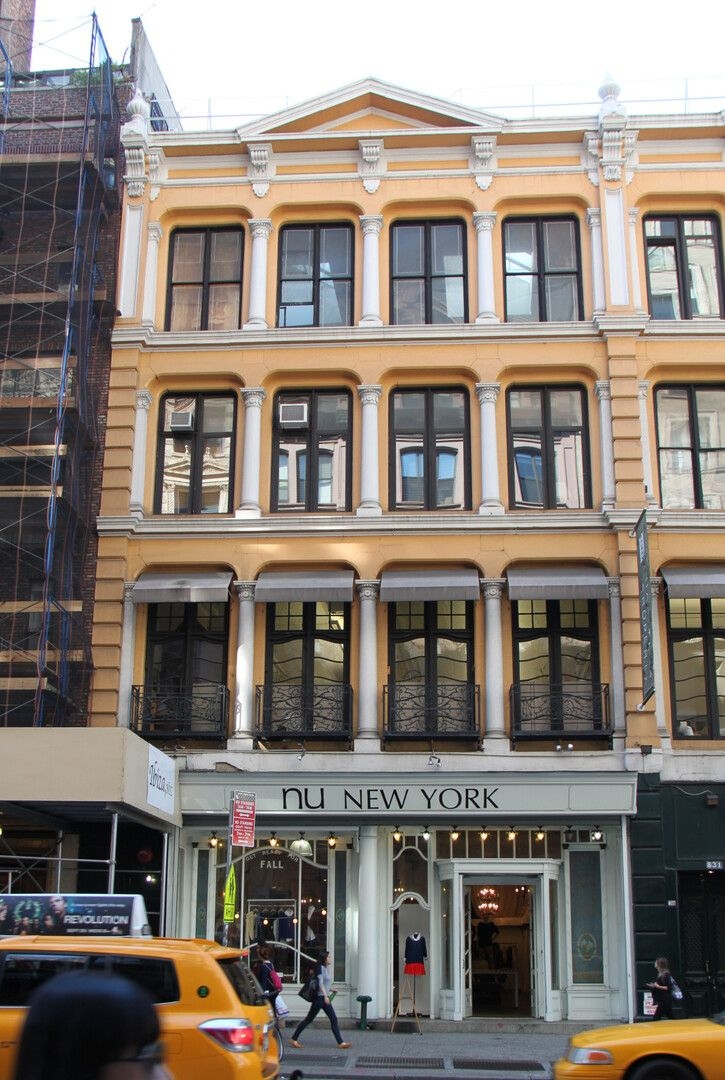
Shortly after its construction in 1866, 827–831 Broadway became the headquarters and showroom of Wilson Sewing Machines. Inventor Allen Wilson had developed a sewing machine in 1850, and his company helped change how clothing was manufactured and repaired. The company earned recognition at international exhibitions, receiving awards at exhibitions in Paris and London in the 1860s and at the Vienna Exhibition in 1873. That same year, it also received the Gold Medal of Honor from the American Institute in New York. These awards reflected the company’s standing in an industry that was transforming both garment production and domestic life.
Madame Demorest at 10 East 14th Street
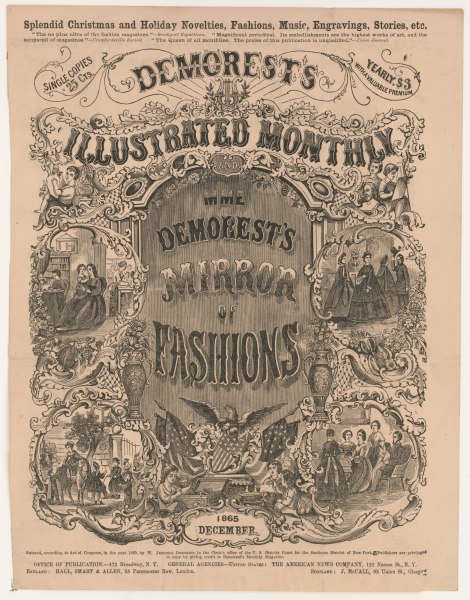
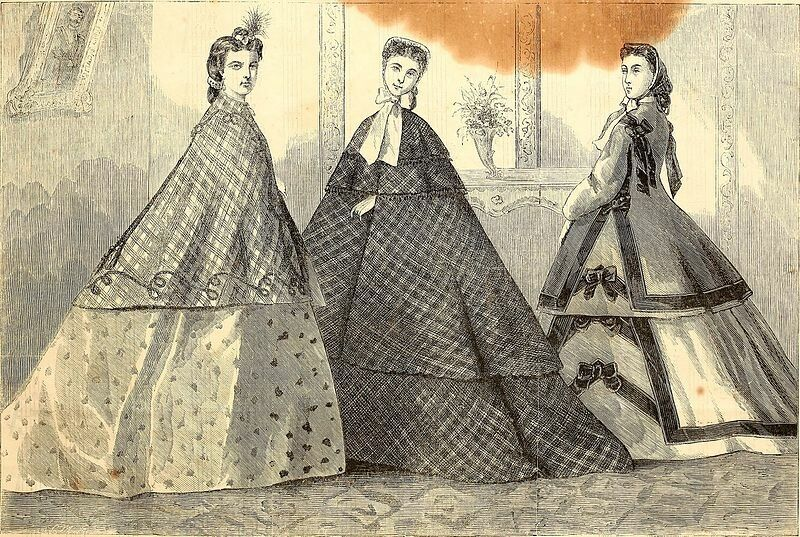
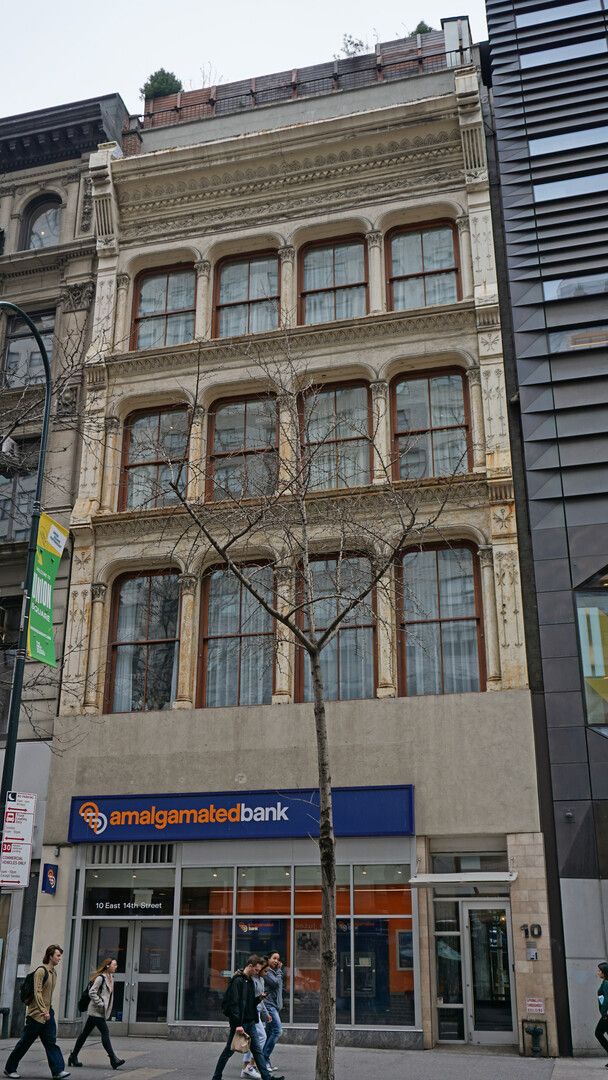
During the 1870s, 14th Street changed from a high-end residential neighborhood into a center of commerce, with former private residences converted into stores and specialty shops. W. Jennings Demorest was among the businessmen who helped drive this transformation. Along with his wife, Ellen Demorest, he built a fashion business that included Madame Demorest’s Fashion Emporium and the publications Demorest’s Illustrated Monthly Magazine and Demorest’s Mirror of Fashions. The magazines brought fashion news and styles to readers beyond the shop itself. The current building at 10 East 14th Street was constructed after a building collapse in September 1879. Demorest purchased it by 1884, adding a show window at the parlor level and converting the upper floors into offices and studios. The building became part of the couple’s wider fashion enterprise during a period when 14th Street was establishing itself as a commercial destination.
Amasa Lyon & Company at 814 Broadway
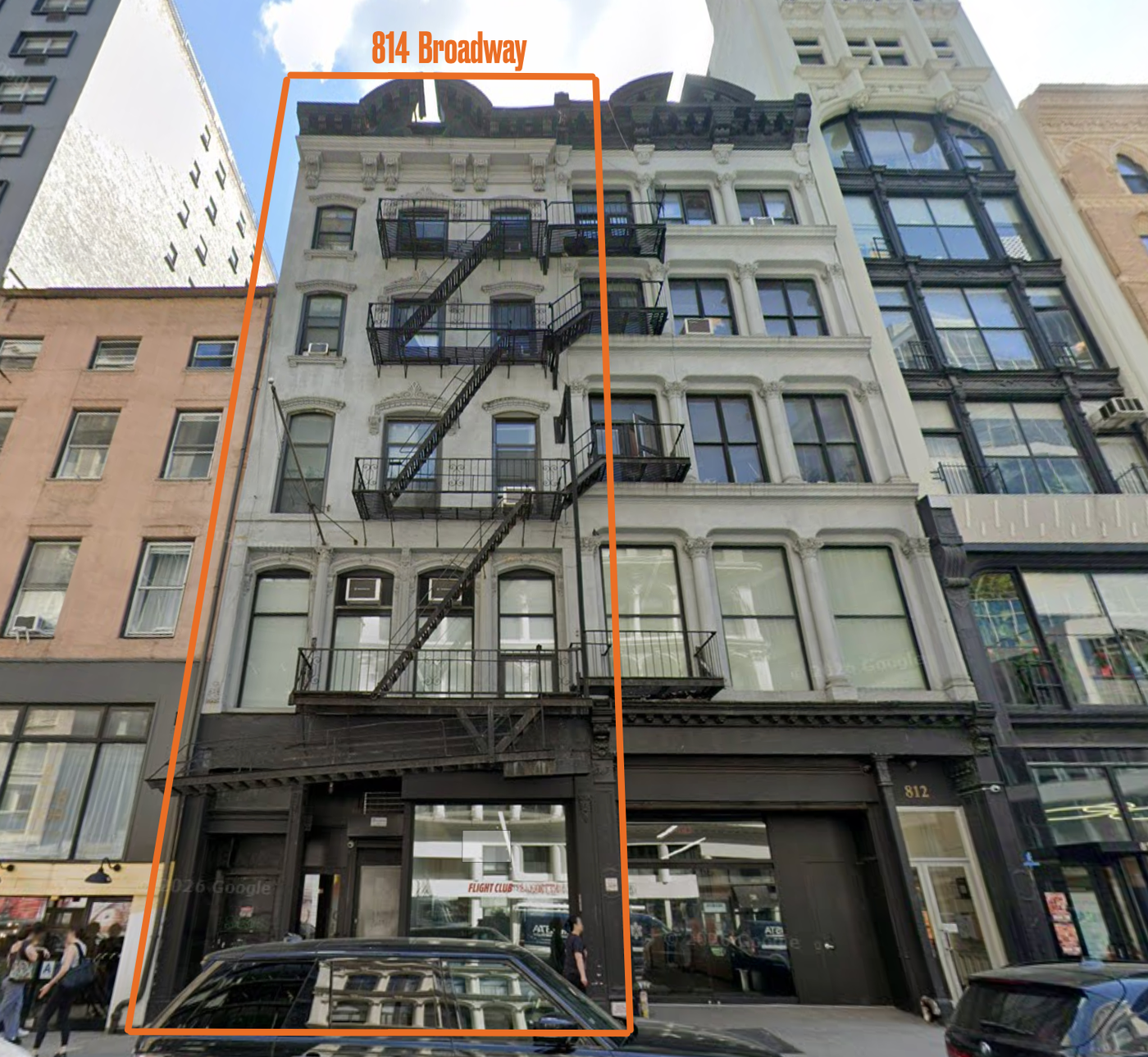
Amasa Lyon & Company manufactured umbrellas, parasols, and walking sticks, earning a reputation for the quality of its products. King’s Handbook of New York praised the company’s craftsmanship and the range of materials used in its products, from woods and metals to ivory, horn, silk, and lace. Its reputation reached the 1893 World’s Columbian Exposition in Chicago, where, according to the handbook, Lyon products were the only umbrellas, parasols, and canes sold on the grounds.
These businesses show how much more there was to the fashion industry than clothing stores and designers. South of Union Square, inventors, manufacturers, publishers, and craftspeople all contributed to an industry that shaped everyday life. Their stories also give us a reason to look more closely at the historic buildings where these businesses operated. You can take the full South of Union Square fashion history tour and three dozen other themed tours HERE, and urge the city to landmark and protect this special history HERE.