
Business of the Month: Zuri, 363 Bleecker Street
Your input is needed! Today we feature our latest Business of the Month — help us to select the next. Tell us which independent store you love in Greenwich Village, the East Village, or NoHo: click here to nominate your favorite. Want to help support small businesses? Share this post with friends.
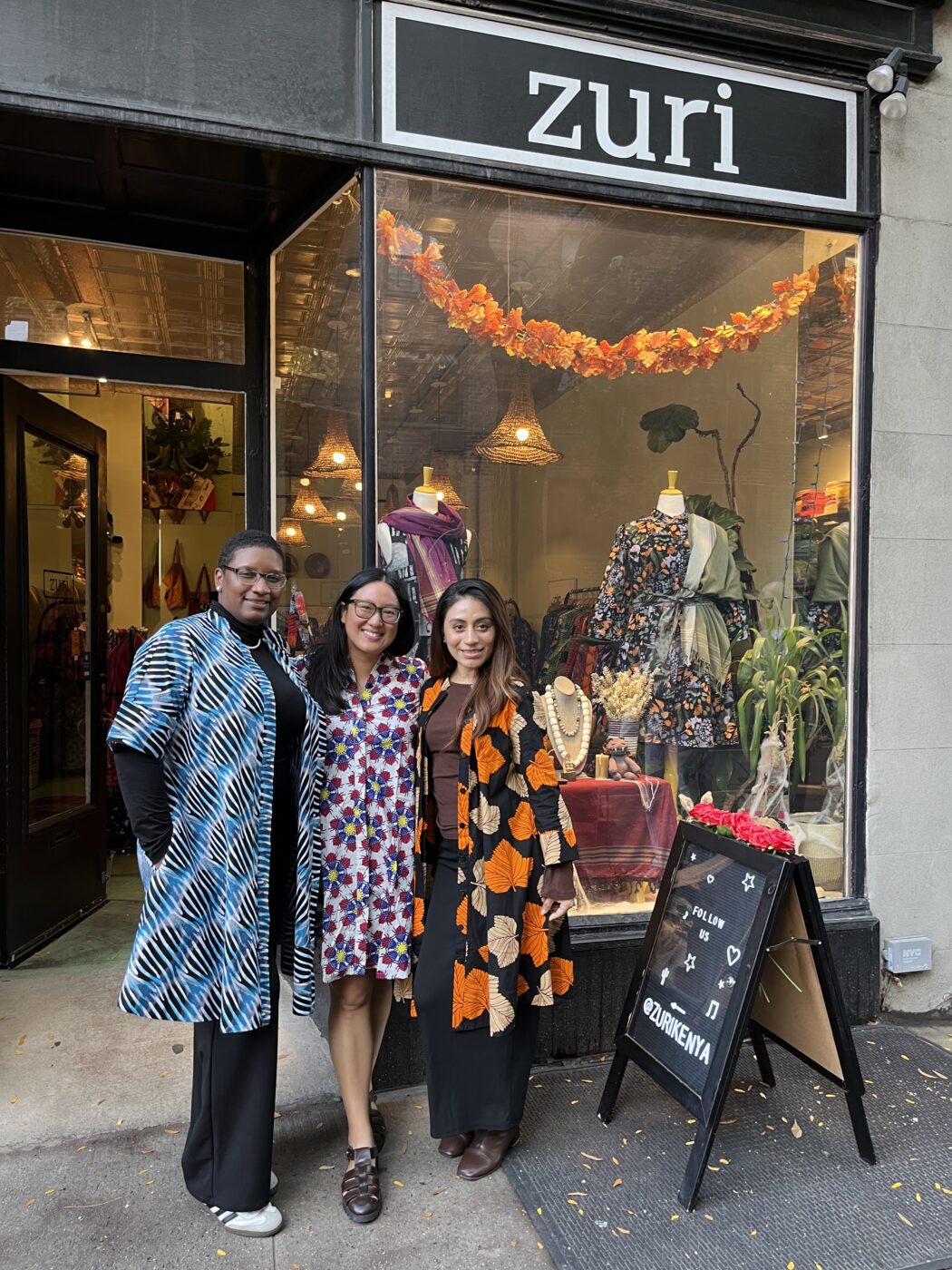
If your first try at designing yourself a dress channels the tastes and practical needs of multitudes, that’s luck. If you manage to make a thriving business out of primarily selling that dress style, that’s bold determination. And if, in so doing, you chart an ethical path that reconciles the tension between globalization and localism, that’s inspiration. All three played a role in the story of our November Business of the Month, Zuri, at 363 Bleecker St (between Charles and W. 10th Sts.), where you can find the fabled dress and find that it makes you look great, whatever your configuration. This small, single-focused store launched online on a lark. But it soon landed on an improbable stretch of Bleecker St., amidst luxury chains and vacancies, and, in short order, spawned a sizable sorority of chromophiles, pattern enthusiasts, and global art aficionados, all while abiding by a radically conscientious and transparent business ethos. This is how it came to be.
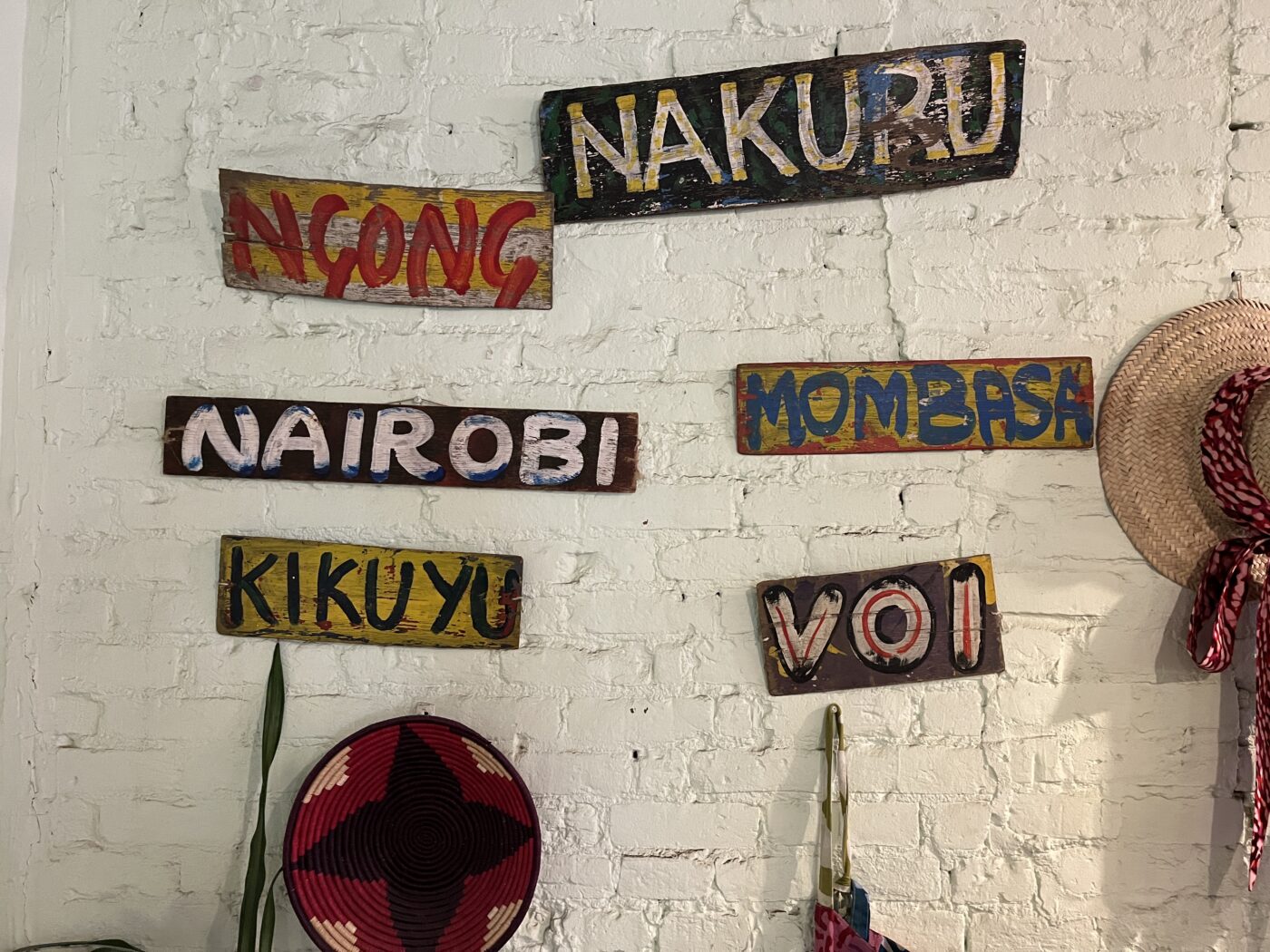
Like many stories that begin with a commitment to a shared future, that of Zuri began at a wedding. Sandra Zhao, an American expat living in Nairobi after a brief post-college stint in the Village, was invited to one, needed something to wear, and reached for a sturdy but breathable dress that she had recently had inexpensively made for herself with local travel in mind. The dress was Sandra’s first experience with bespoke tailoring, but it reflected a clear vision. Made out of a colorful, local, cotton fabric, it had a structured fit on top, a loose fit below, and modest but versatile length. It was easy to wear, easy to pack, and easy to wash. In short, it was a perfect choice for most activities, including wedding-going.
At the wedding, Sandra met another American expat, Ashleigh Gersh Miller, who, perhaps with her pregnant state in mind, admired Sandra’s stylish but roomy dress. The two hit it off, and Sandra offered to have a dress made for her new friend. Soon afterwards, they started musing about the possibility of starting a business around selling this all-purpose, all-body-type dress. Neither had much retail experience. But the venture struck them as a fun, low-risk thing to try. And try they did, taking advantage of free trials to set up a website, spreading the word as far as their networks would reach, and spending days sending cold emails to every relevant journalist whose email they could find or guess. Their doggedness was rewarded with major media coverage within months of their early-2017 website launch. Soon, their hunch about the broad appeal of their dress was rewarded as well. At a popup they ran in the East Village, the line of shoppers curved around the block and culminated in a Dionysian spectacle, with women stripping down to their underwear by the dress racks and tossing each other dresses across the floor. That was the moment when Sandra and Ashleigh realized that their fun experiment had become a real business.
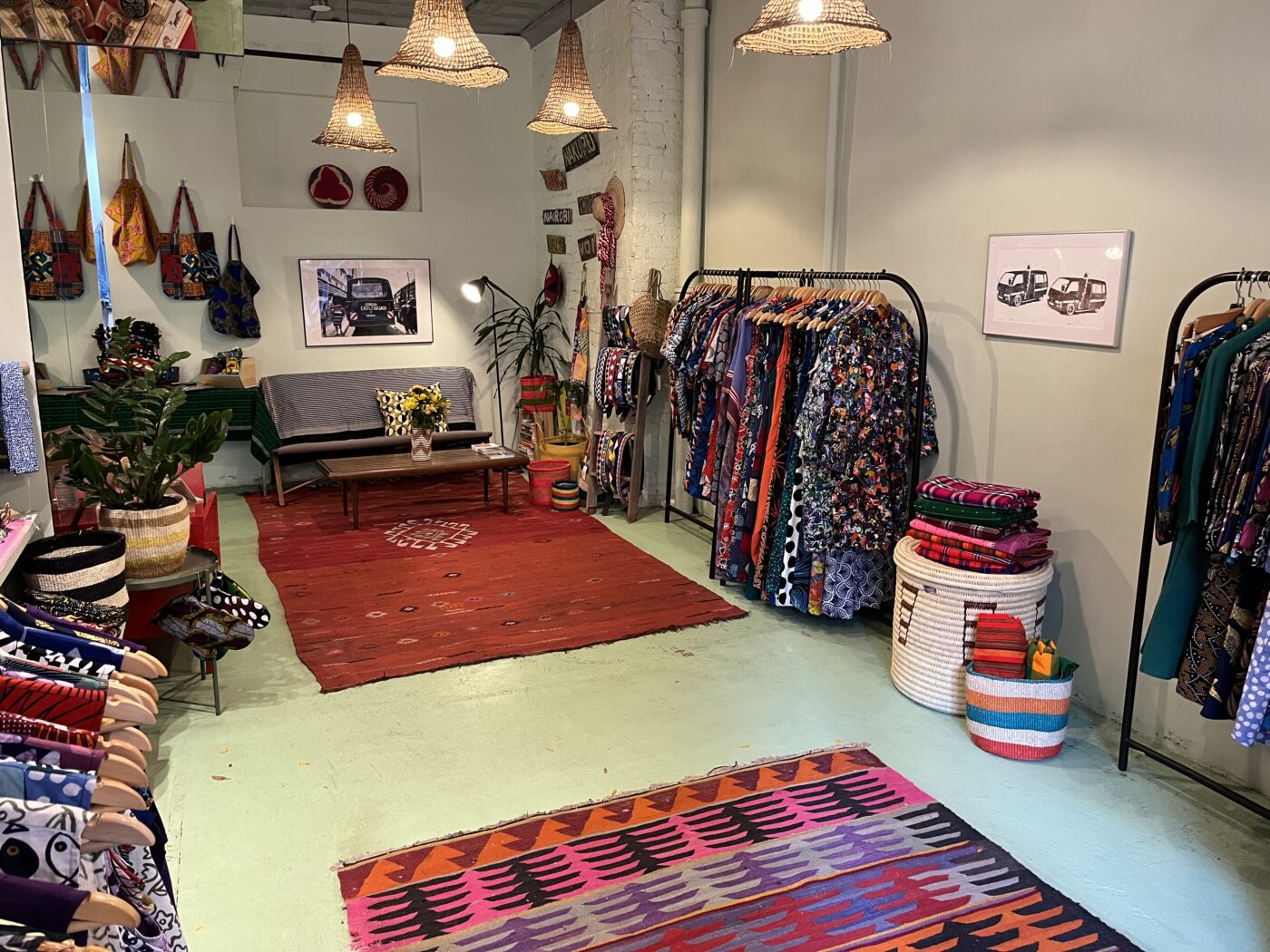
A real business, the partners thought, called for a real, physical store. Drawn to the neighborhood where she had briefly lived, Sandra strolled down the streets of the Village and called the number on every for-rent sign along Bleecker St. (and there were many). Only two responded. One of them, a family that had owned its building for decades, did what an institutional landlord probably wouldn’t have. It took a chance on a fledgling small business with zero track record and proposed a short-term lease at a reasonable rate. The partners jumped at the opportunity, ran the store for the duration of their lease term, took stock of the results, and asked for a more permanent arrangement. The landlords, who by then had befriended their tenants, obliged and extended terms that would allow Zuri to grow in its space. Next year will be the business’s 10th anniversary.
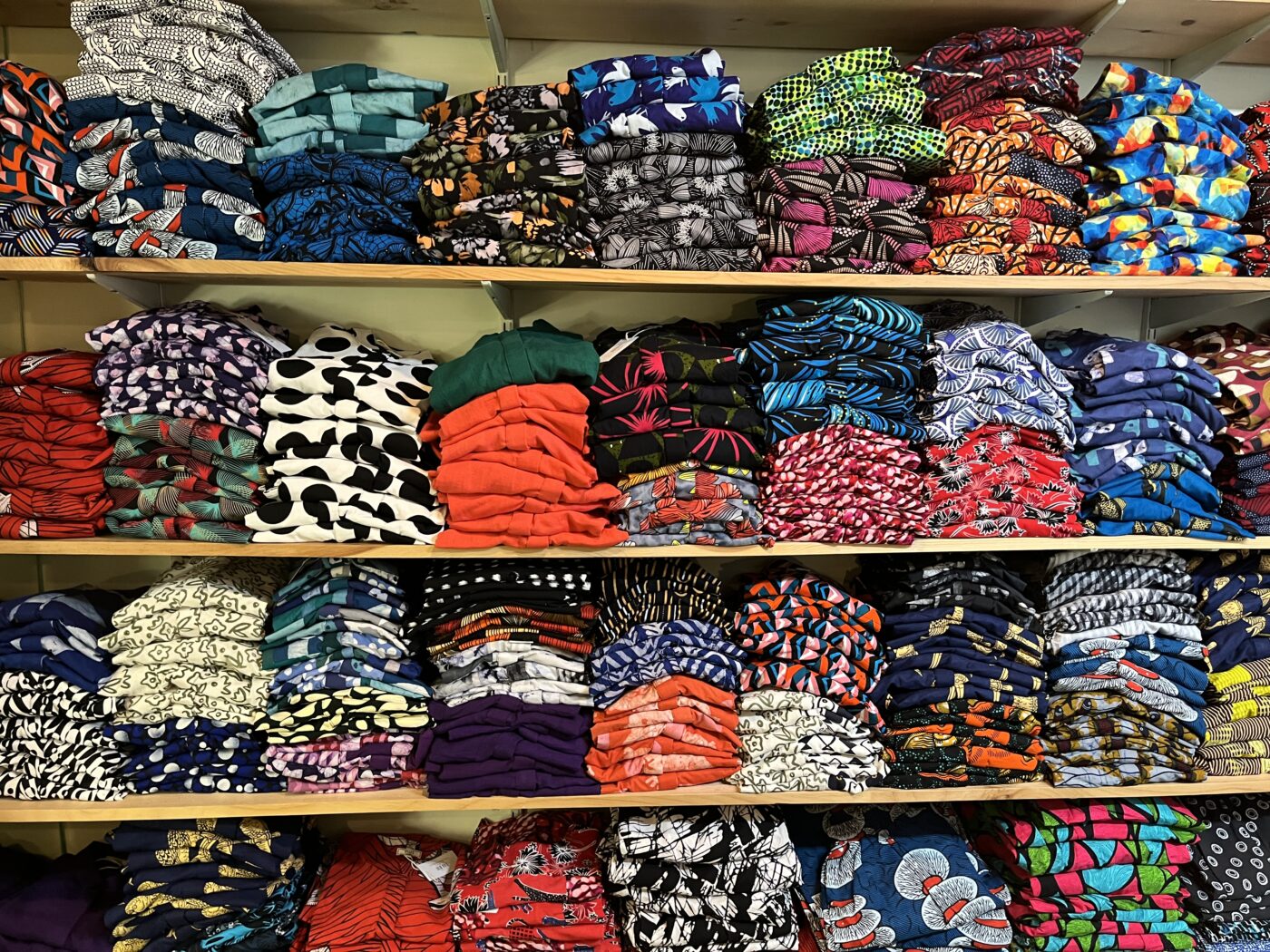
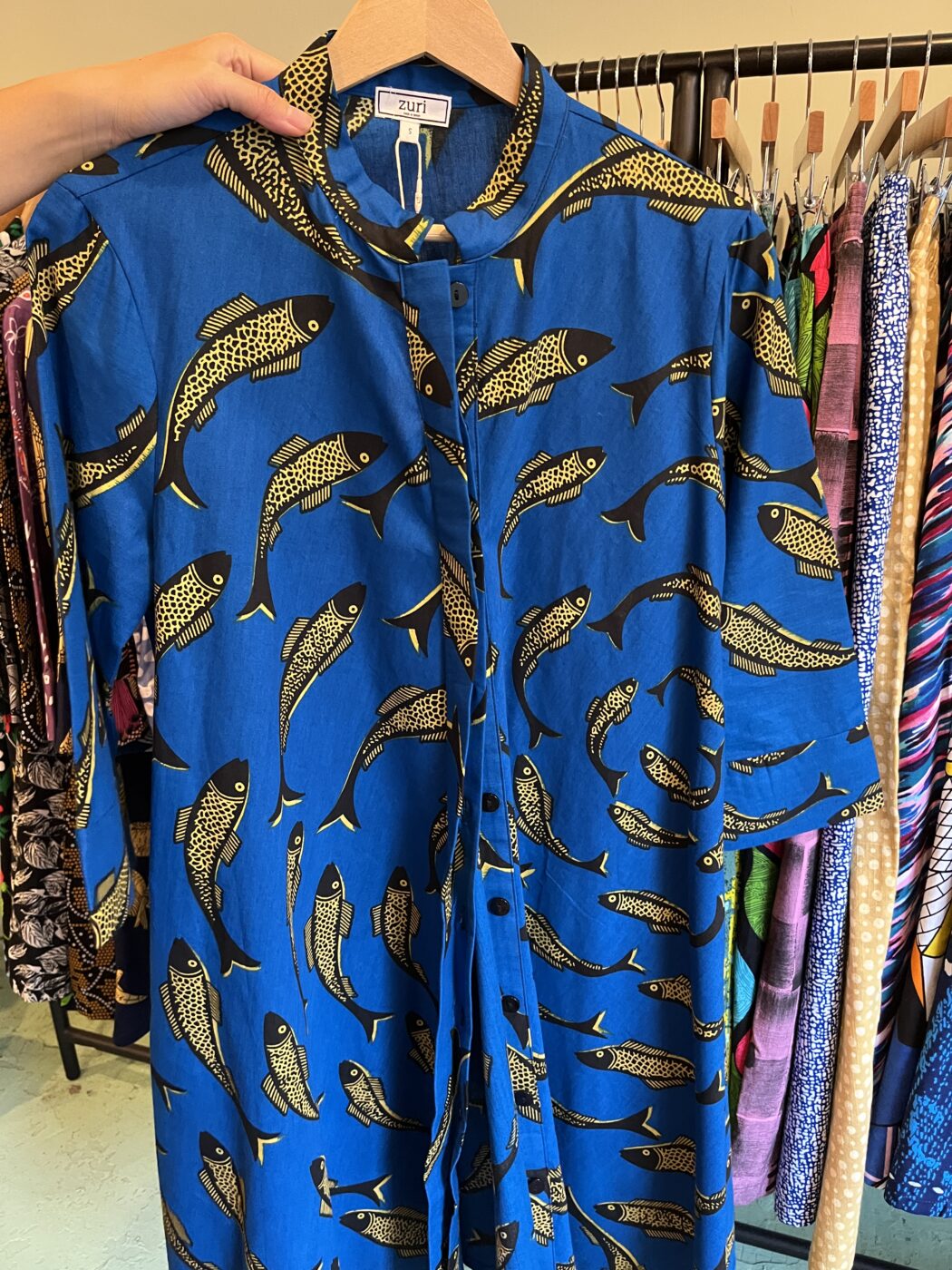
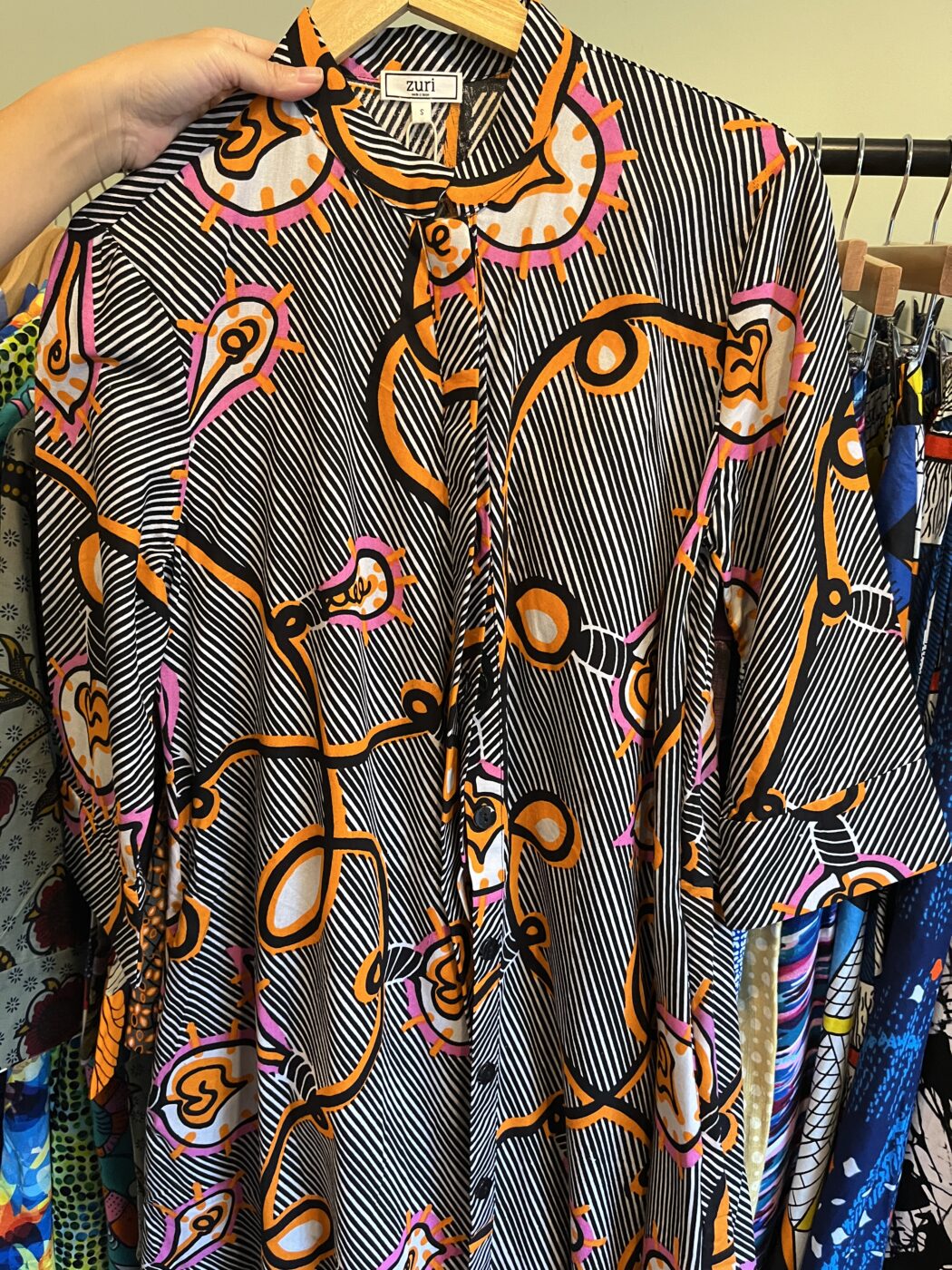
Zuri’s focal point throughout its existence has remained the dress. But the dress has evolved in numerous ways since Sandra wore its prototype to that fateful wedding. In terms of design, the sleeves lengthened, so it can be tied around the waist like a skirt, and buttons now run down the front, so that it can be worn like a jacket. It is also now available in a few permutations, such as sleeveless, extra long, and extra short, like a shirt. The fabrics are available in limited runs, which in itself adds constant novelty to the merchandise. But the variety among the dresses runs deeper than that.
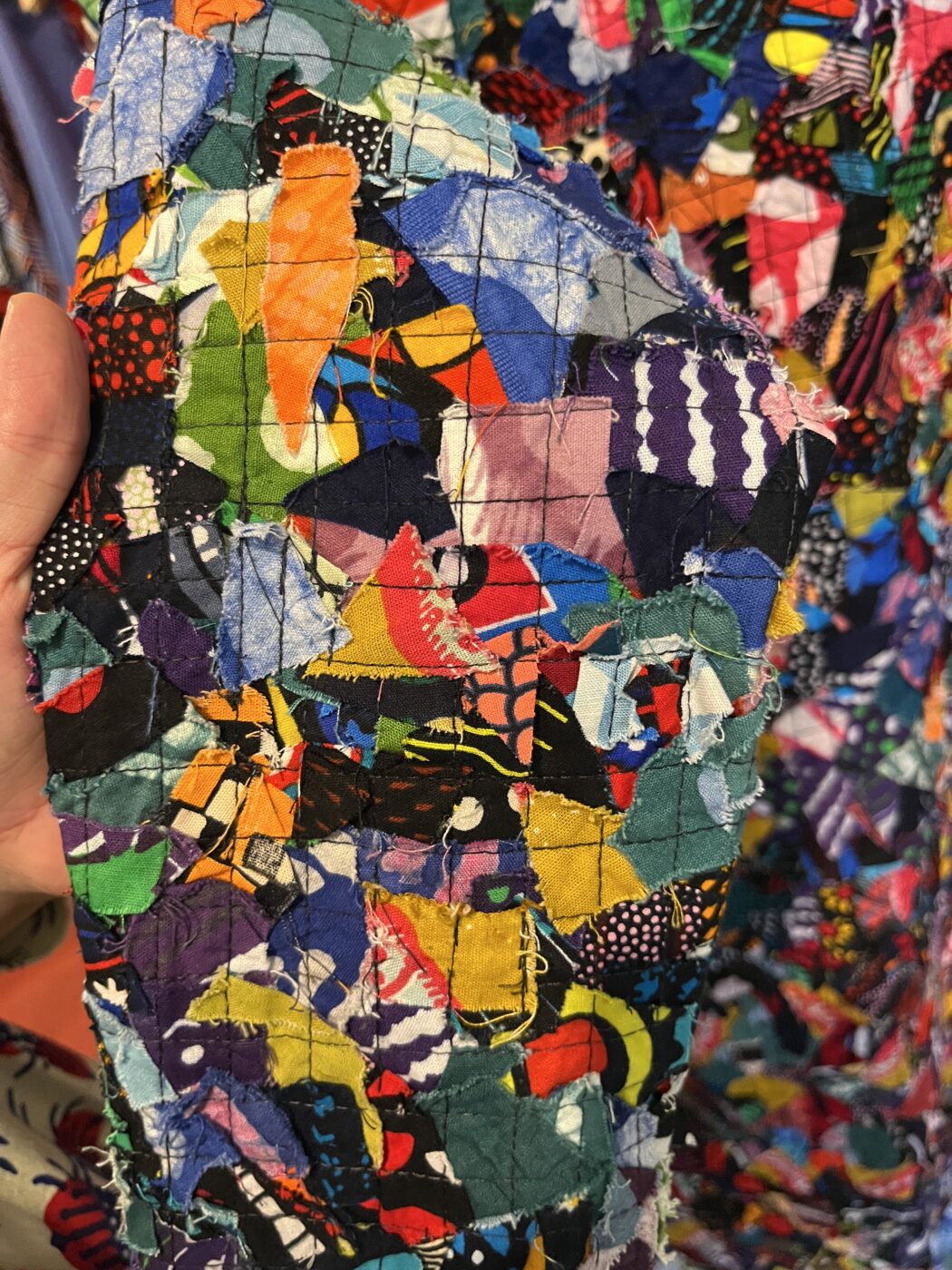
Most versions of the dress are made like Sandra’s original model, using local textiles that are then locally seamed together. But Zuri has long outgrown Sandra’s ability to personally procure fabrics or her independent seamstress’ capacity to sew them. As a result, production now primarily takes place at SOKO, a Kenyan, woman-owned factory that shares Zuri’s devotion to ethical production and to the creation of good, sustainable jobs. The factory gets all its water from a rainwater catchment system and three quarters of its power from solar panels. Employees earn above a living wage and receive paid leave, emergency stipends, free childcare, and access to a cooperative savings program. Beyond the factory, SOKO runs a stitching academy that trains students for careers in the industry.
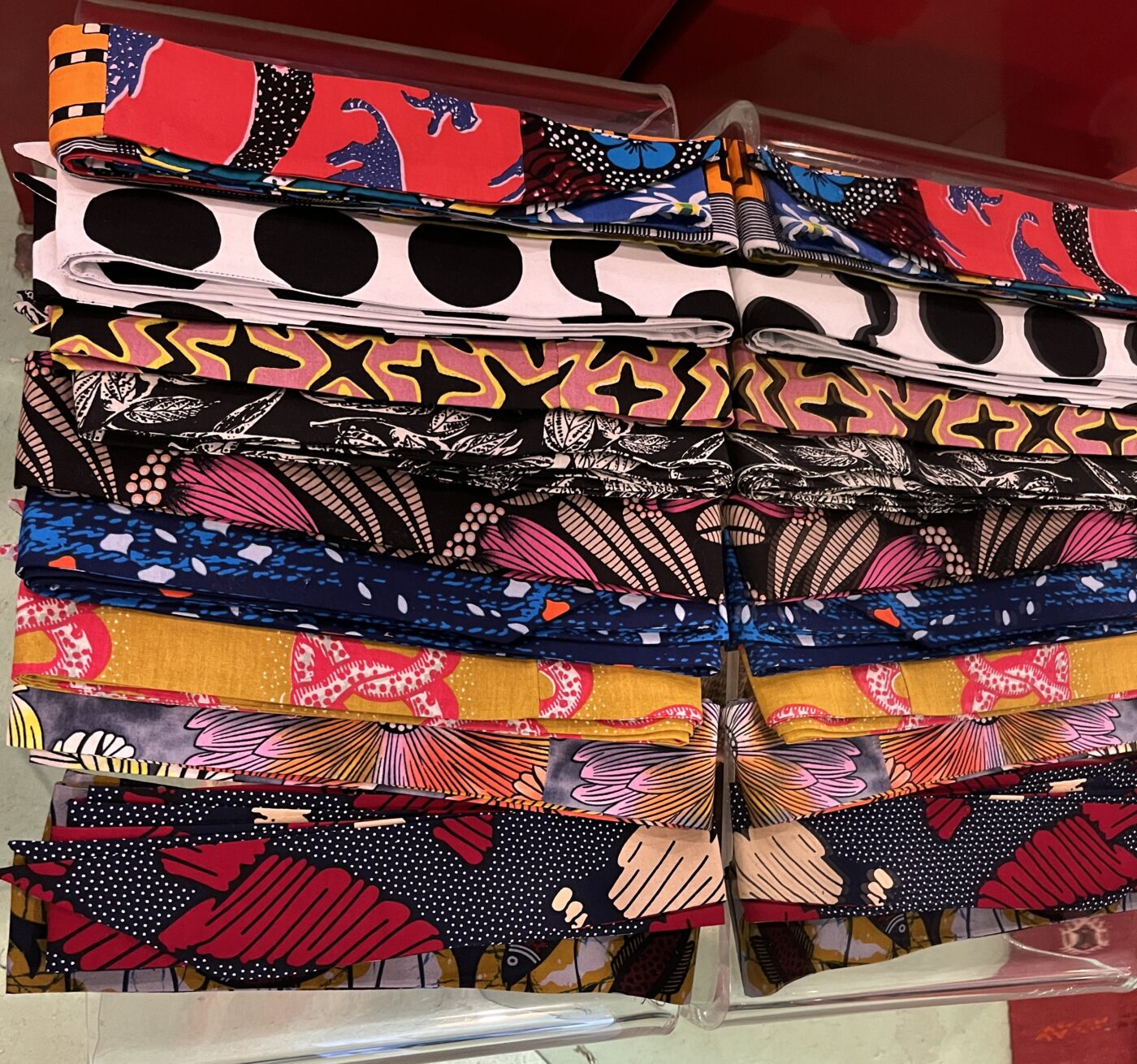
Most of the fabrics for the dresses made at SOKO come from a range of women micro-entrepreneurs in Kenya, Tanzania, Ghana, Uganda, Nigeria, and Senegal whom Sandra and Ashleigh have met over the years. These fabrics all feature colorful wax prints, a colonial legacy that has since been culturally assimilated. The Dutch introduced the technology as a faster and cheaper mechanized alternative to the batik technique they had encountered in present-day Indonesia. Harking back to these design roots, Zuri has also started using handmade batiks from a small cooperative in Ghana for some of its dresses.
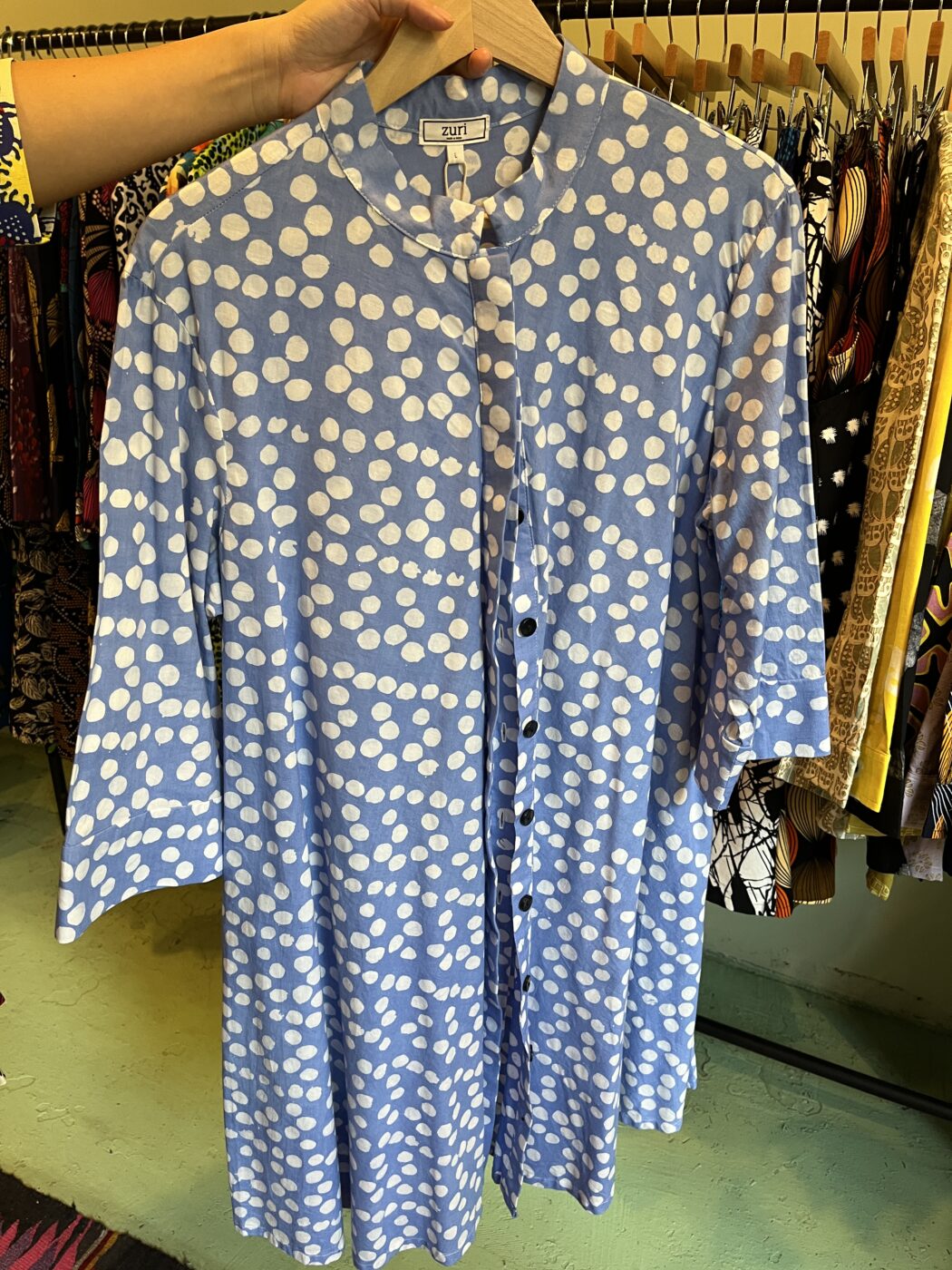
In addition, Zuri has responded to customer requests they long resisted for solid colors, turning to India’s oldest fair-trade organization for handwoven textiles whose texture offers the level of interest that the store usually finds in patterns.
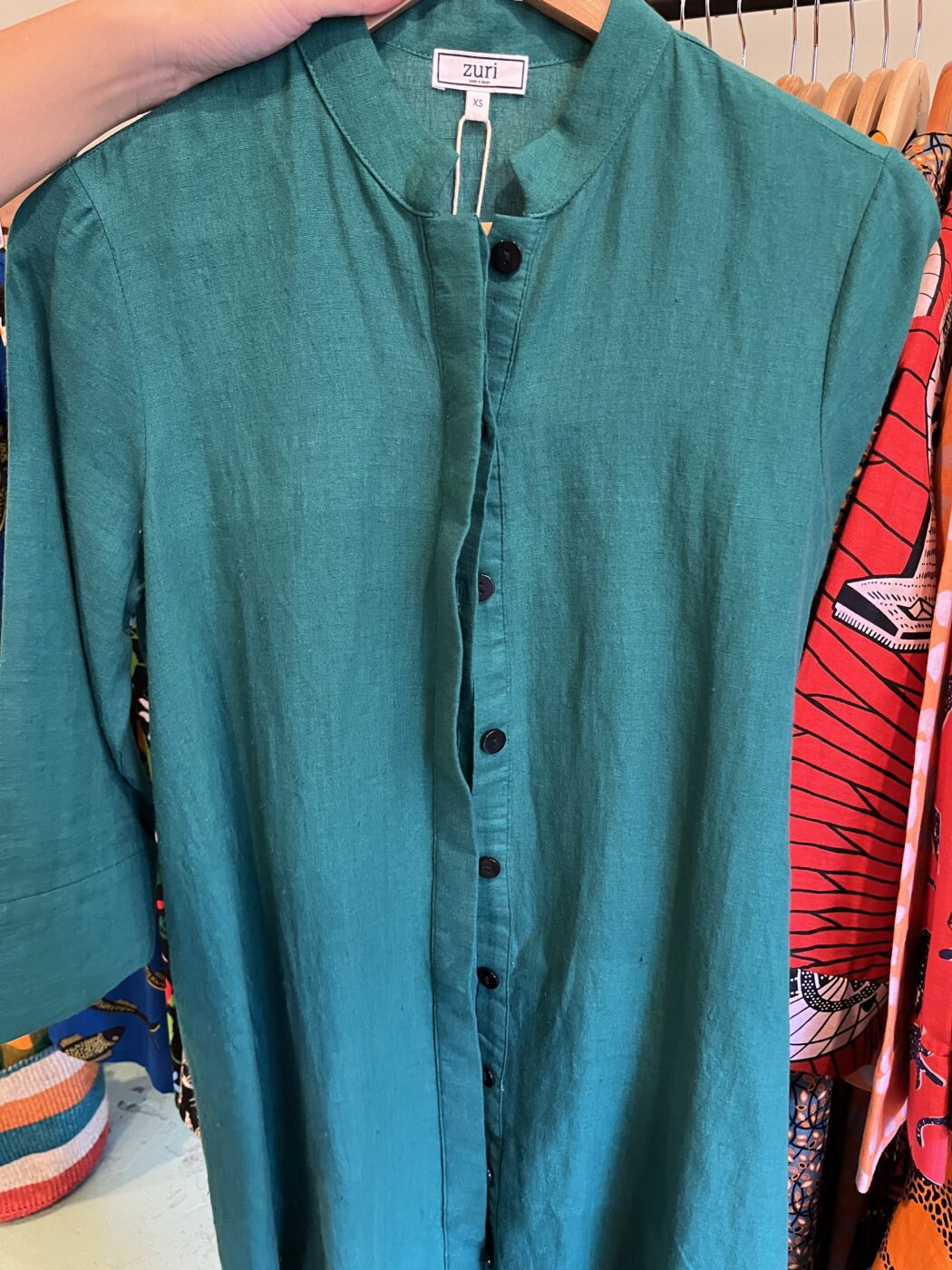
Lastly, in an effort to support local manufacture and commercial agriculture in Kenya, Zuri has introduced a 100% made-in-Kenya line. Every stage, from planting the cotton to milling, weaving, printing of store-commissioned designs, and sewing happens in the country.
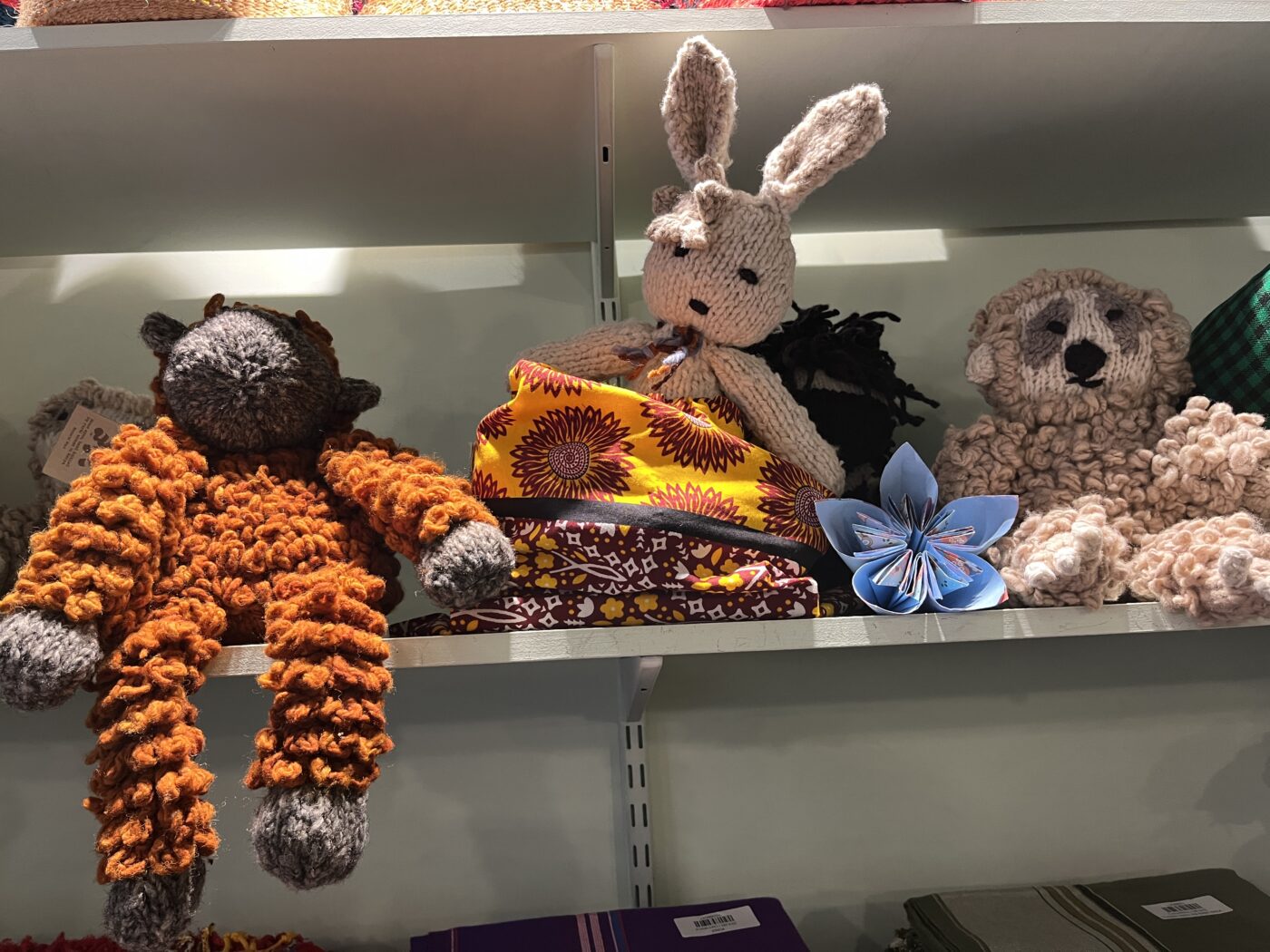
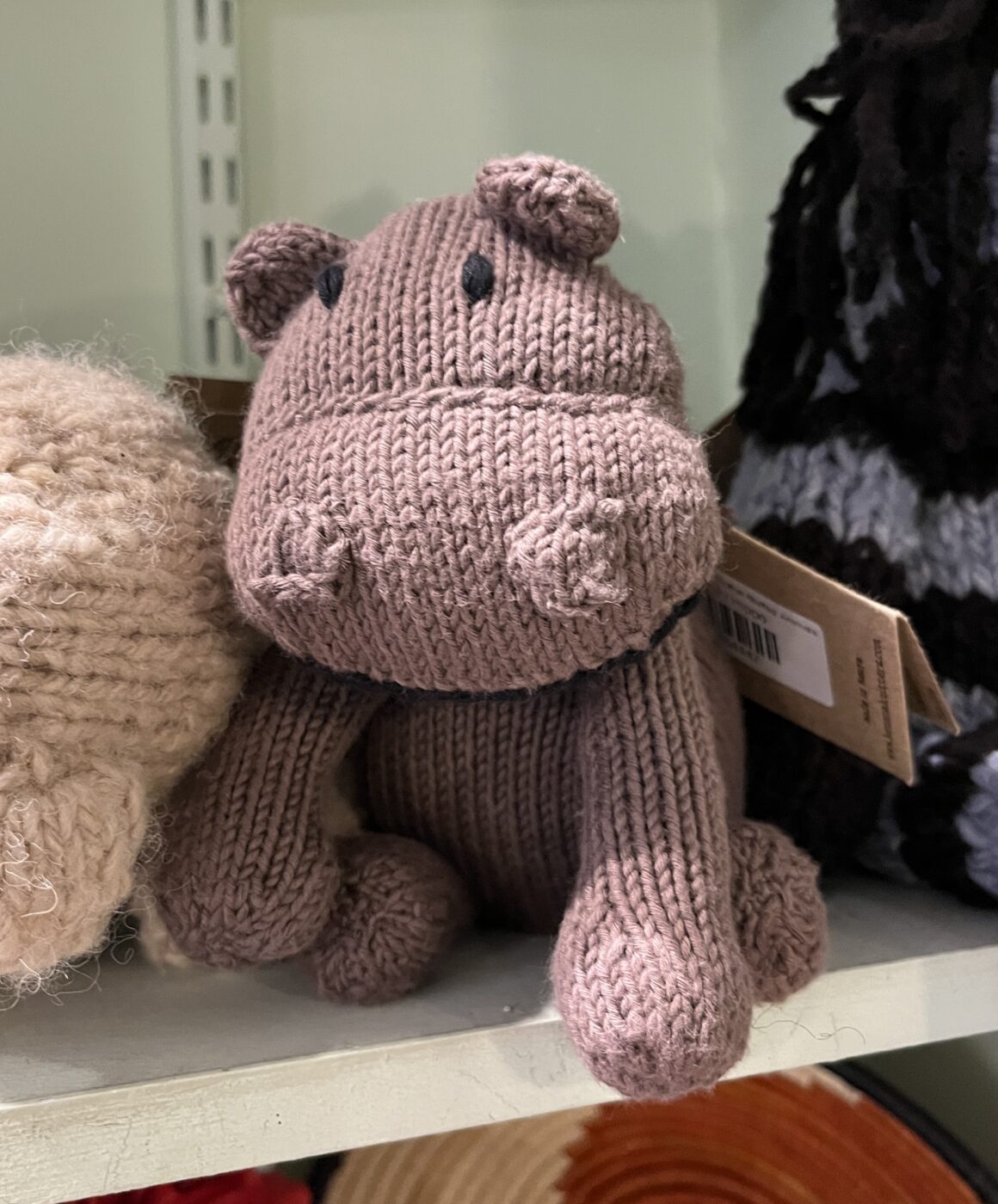
Zuri complements its dress selection with a small range of accessories and artisanal products, such as recycled newspaper pencils, hand-knit stuffed animals, and handwoven coasters, all sourced with the same principled care as its dresses. Notable among these items are ones made out fabric remnants, like tote bags, aprons, and belts, which not only conform to the store’s minimal-waste ethos but also look great.
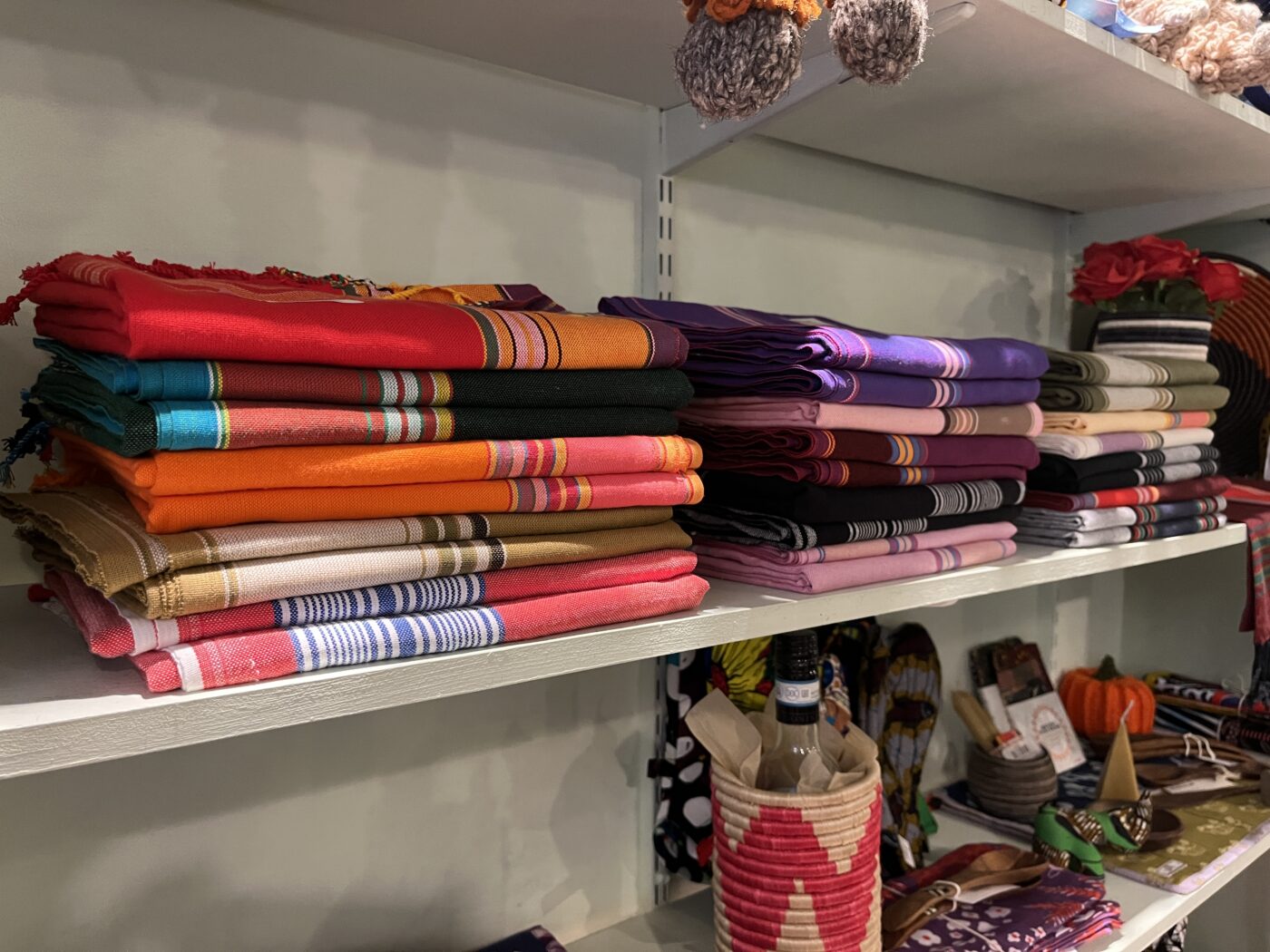
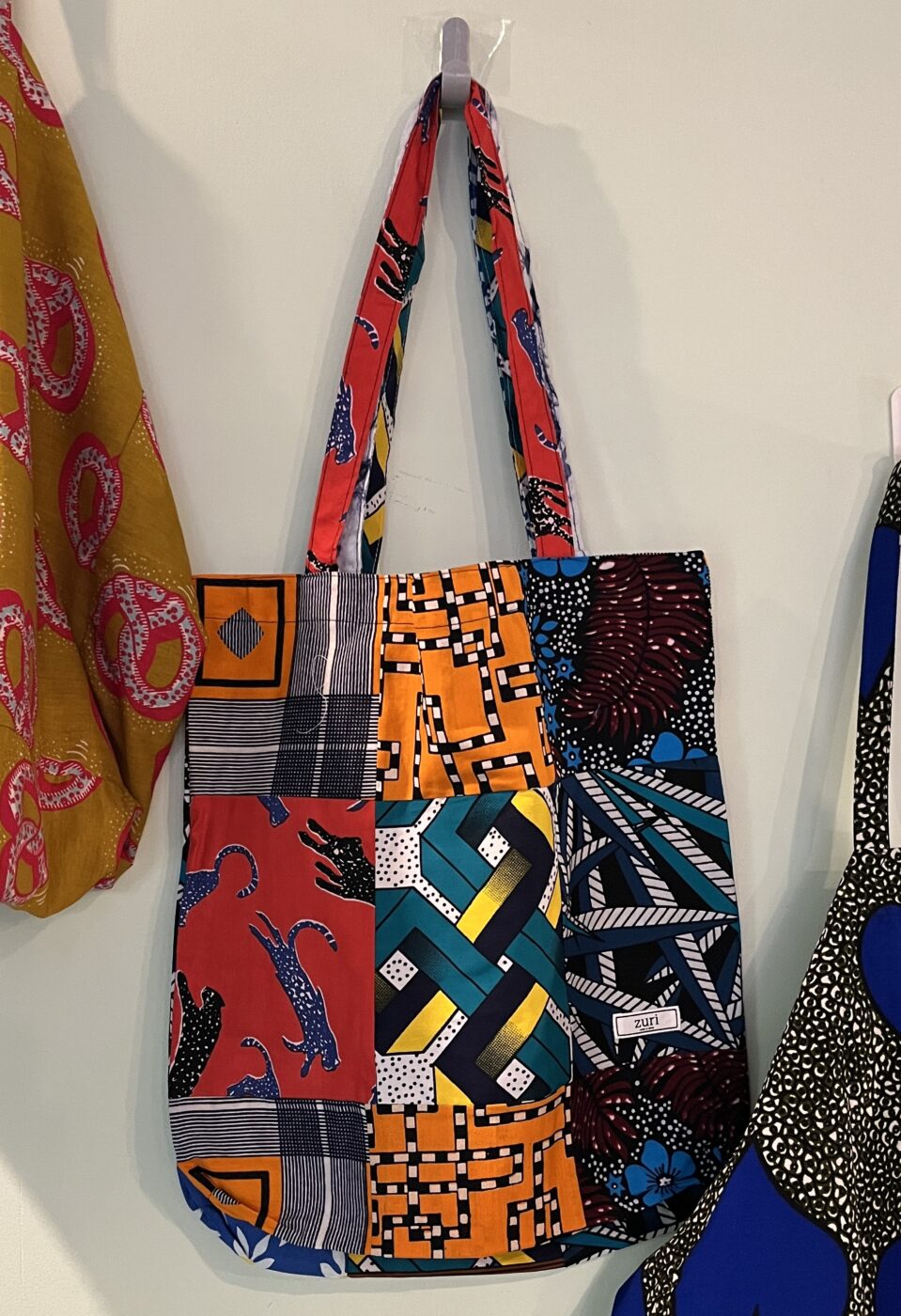
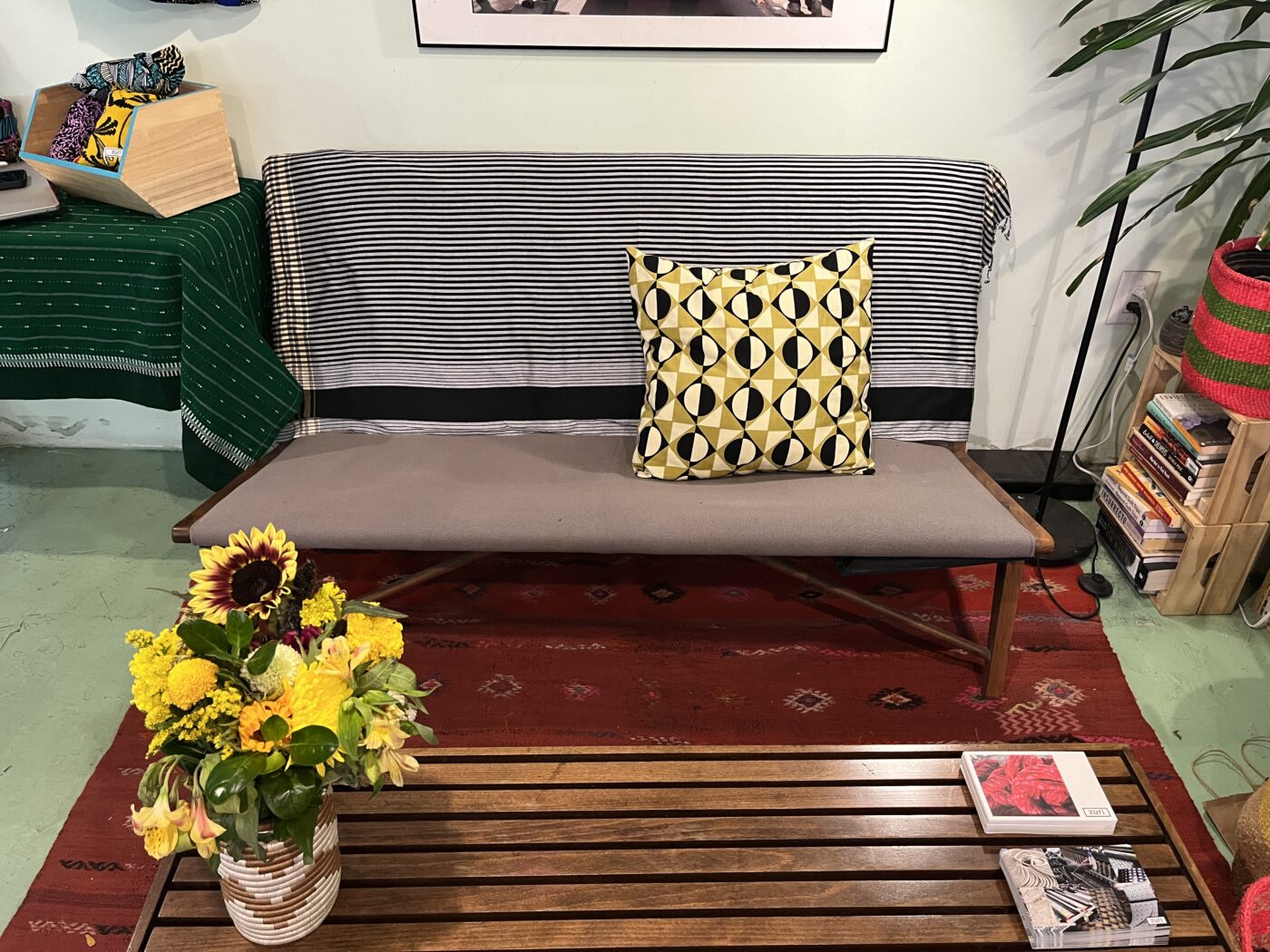
Zuri received an enthusiastic welcome on Bleecker from the outset, even from some neighbors unfamiliar with the store who were just glad to see an independent store open along this stretch of the corridor. For those already familiar, the shop offered a tactile and visual experience with the merchandise impossible to replicate on a website. For Sandra and Ashleigh, it presented an opportunity to come face to face with their customers and marvel at the diversity of women drawn by their dress—the young, the old, the tall, the short, the Rubenesque, the Shelley Duvall-esque, and everyone in between. The dress somehow seemed to flatter all. Beyond being a better platform for commerce, however, the space also soon became a place for people to connect over a shared affinity not just for the dress, its patterns, and its colors, but also for the story that they represent. Zuri came into being as a sort of celebration of cultural hybridity, deflecting the then-pervasive charges of cultural appropriation through transparency about the complex history of African textile production and through its dedication to fostering social change by reinvigorating local, sustainable economic production. Its storefront now invites all of us to become part of that ongoing story.
The name Zuri derives from mzuri, the Swahili word for good. For its commitment to doing good, while making customers look good, we are thrilled to name Zuri our November Business of the Month.
What special small business would you like to see featured next? Just click here to nominate our next one. Thank you! #shoplocalnyc
Here is a map of all our Businesses of the in Month: