
Jeff Buckley and the East Village: Finding His Voice in New York
Rock legend (and Greenwich Village resident) David Bowie once called Jeff Buckley’s first album Grace one of 10 albums he’d bring with him to a desert island. Led Zeppelin guitar god Jimmy Page said the 1994 album was “the best thing I’ve heard all year.” Buckley’s rise to such heights among music gods and fans alike was brief, a journey that began in the East Village of the early 1990s.
Born November 17, 1966, Buckley was, like so many other creative types, a transplant to the East Village. Arriving in the neighborhood in 1990 from Southern California, he quickly found a home among fellow East Villagers and the downtown music community. “The East Village at that time was such a collection of every eccentric that did not fit in anywhere else,” said then–romantic partner Rebecca Moore in the documentary It’s Never Over, Jeff Buckley. “He saw so many people breaking down the status quo.”
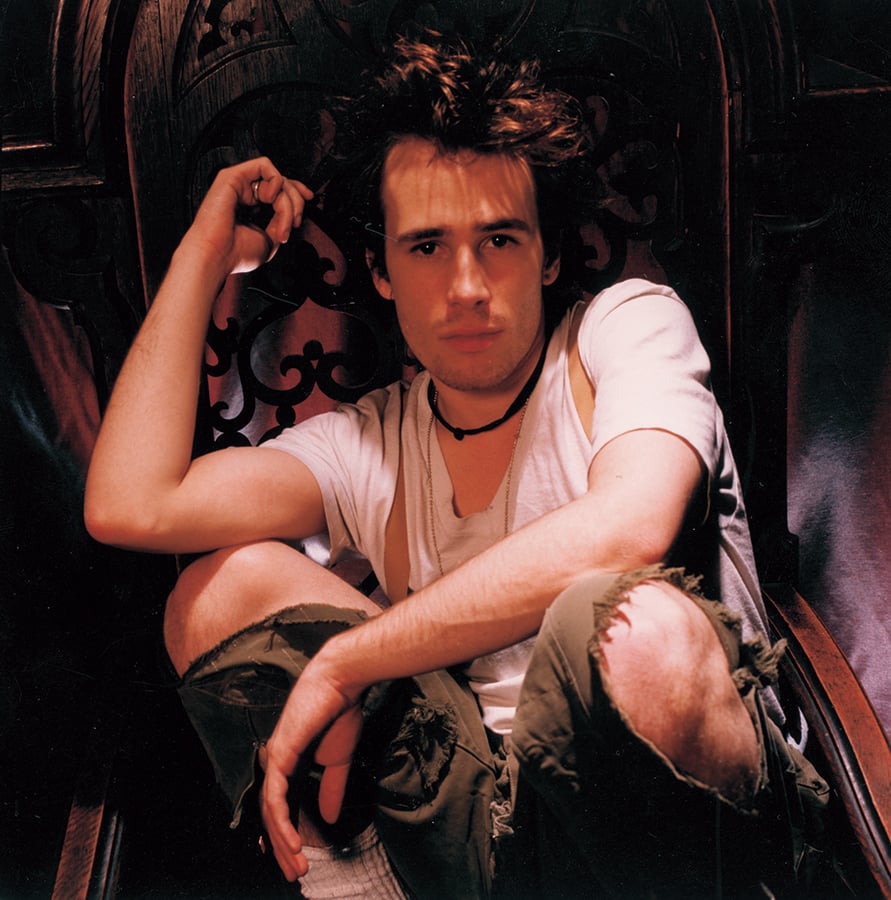
Recognition of Buckley’s extraordinary vocal range and eclectic musical sensibility actually began with a 1991 tribute to his late and estranged father, Tim Buckley, at St. Ann’s Church in Brooklyn. (Jeff Buckley met Tim for the first time at the age of eight and just a short time before his father died.) In 1992, he began performing in small clubs and cafés throughout Lower Manhattan, determined to develop his own musical identity. Around that time, he moved into an apartment at 233 East 12th Street between Second and Third Avenues
One venue in the East Village became the most important site for his musical development and the public’s growing respect for his talents. Café Sin-é, which once stood at 122 St. Mark’s Place, was a tiny Irish café and informal gathering place for musicians, poets, and artists. Buckley began playing there in 1992, eventually establishing a popular Monday-night residency. “There was a tiny little club in the East Village called Sin-é,” music executive Kate Hyman related in It’s Never Over. “You could fit in maybe 30, 40 people at the most and it would be super super crowded. And Jeff was washing dishes, he was serving people coffee, and every now and then he would just get up and play.”
“This is a perfect place for music lovers,” Buckley said. “It’s not like playing at a rock club, it’s not like playing in a hall. It’s a good place to get real.”
Sin-é was where Buckley attracted the attention of the music industry and started to build a following, drawing increasingly large crowds of musicians, downtown cultural figures, and representatives from major record labels. He eventually signed with Columbia Records in October 1992 and continued performing at the cafe. In 1993, the label released Live at Sin-é, a four-song EP recorded during one of his intimate performances at the café. The recording captured something of the experience that made his appearances so compelling: his remarkable voice, adventurous song selections, spontaneous interactions with the audience, and willingness to take familiar songs in unexpected directions. (Sin-é’s location at St. Mark’s Place closed in 1996.)
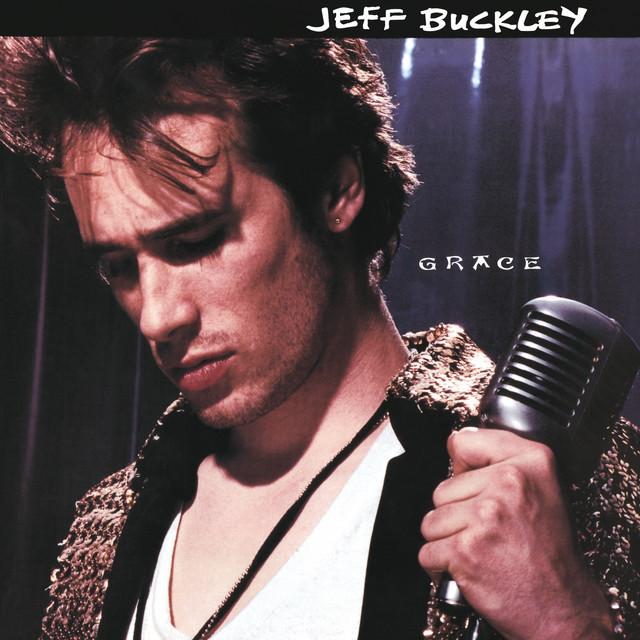
The creative freedom Buckley found in the East Village laid the groundwork for his extraordinary debut album, Grace, released on August 23, 1994. The album brought together the musical influences he had explored during his downtown performances, combining rock, folk, blues, soul, and classical elements with his distinctive vocal style. Songs such as “Last Goodbye,” “Grace,” and “Lover, You Should’ve Come Over” demonstrated his abilities as a songwriter. His most recognized recording, a cover of Leonard Cohen’s “Hallelujah,” turned the original into something far more spiritual and elegiac (and tragic, as fans of The West Wing know). He continued returning to Sin-é for occasional performances even after the album was released, as well as other local spots like Fez under Time Cafe at 380 Lafayette Street and the beloved Tower Records at East 4th Street and Broadway.
Sadly, Grace was Buckley’s only album. His life was tragically cut short on May 29, 1997, when he drowned while swimming in the Wolf River Harbor in Memphis, Tennessee, at the age of 30. Almost three decades later, his story remains inseparable from the East Village of the early 1990s, when a small café on St. Mark’s provided a stage for an extraordinary young musician to experiment, take risks, and discover his voice.