
Before Thanksgiving: New York’s Forgotten November “Fourth of July”
Modern Thanksgiving has been part of American national tradition for well over 150 years, after President Abraham Lincoln declared it a national holiday in 1863. However, before Thanksgiving became an ingrained part of American culture, another holiday, at least in New York, was the most important one in November: Evacuation Day.
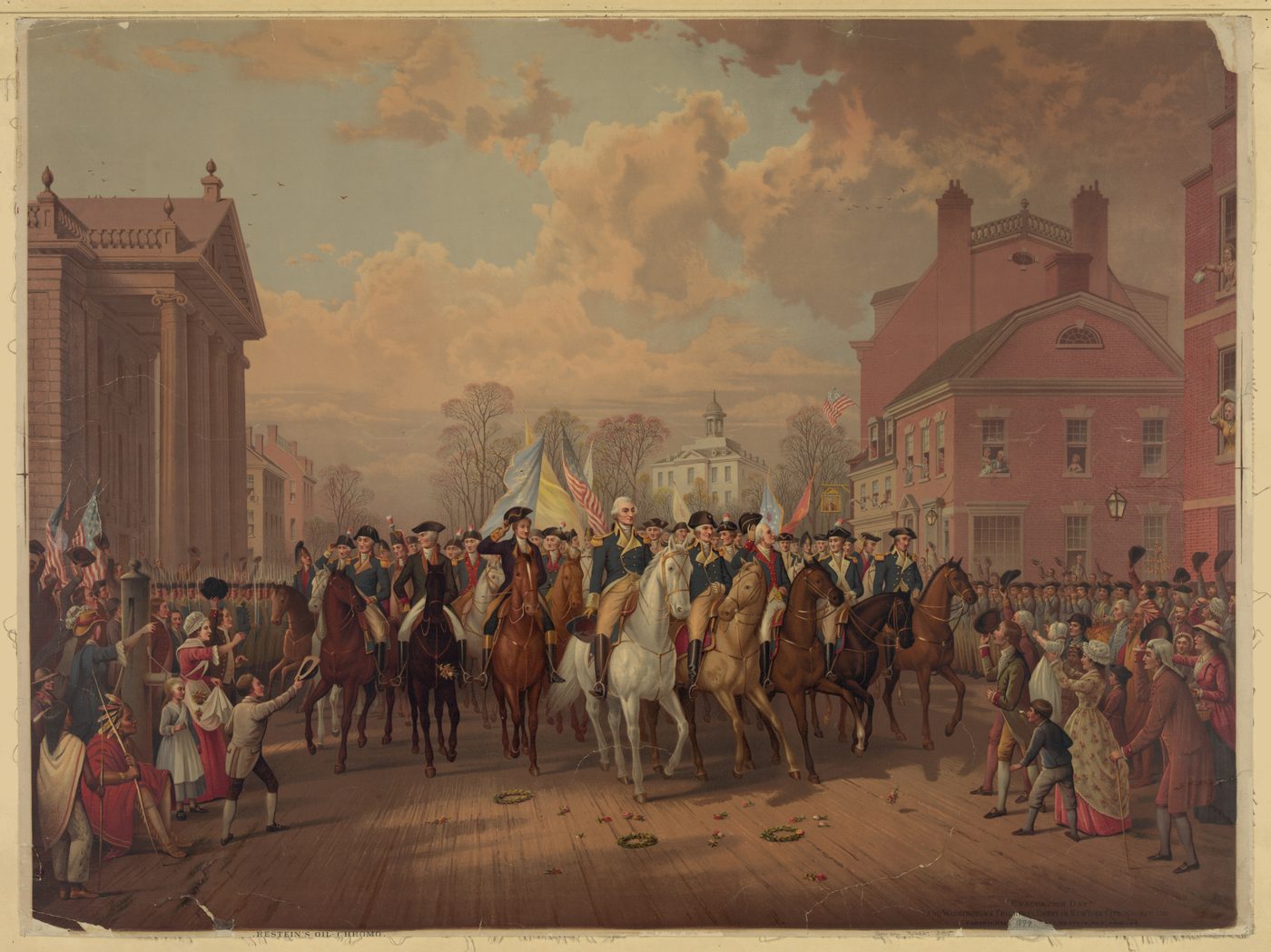
November 25, 1783, marked a turning point in the history of New York City. After seven years of British military occupation, the last British troops departed Manhattan. While the Treaty of Paris, which ended the Revolutionary War, had been signed in September of 1783, New York remained the final piece of territory of the now newly independent United States still occupied by the British. The departure of the British in November 1783 can be considered in many ways a second Independence Day, as the United States was now truly an independent self-governing nation. As American forces took possession of New York, the occasion was celebrated with parades, flag-raisings, and public festivities.
While the events of that November day unfolded across Manhattan, the streets, landscapes, and history of Greenwich Village and the East Village were closely connected to the story of the Revolution and the city’s emergence as part of a new nation.
As we commemorated the 250th anniversary of American independence in 2026, remembering Evacuation Day is an opportunity to revisit this pivotal period and consider the revolutionary history that surrounds us. It is also an occasion to explore the connections between these events and Village Preservation’s thematic initiative marking the semi-quincentennial, The Revolutionary Village.
The British occupation of New York began in September 1776, following the Continental Army’s defeat in the Battle of Long Island and its subsequent retreat from Manhattan. New York’s strategic harbor, commercial importance, and geographic position made it an essential military prize. British forces would maintain control of the city for the remainder of the war, transforming it into their principal North American military headquarters.
The occupation profoundly affected the city’s population. Thousands of British soldiers and their supporters settled in or passed through New York, while Loyalists seeking refuge from the revolutionary cause arrived from other parts of the former colonies. At the same time, the city became a destination for enslaved people seeking freedom behind British lines. British proclamations offering freedom to enslaved people who escaped from rebel owners and reached British-controlled territory encouraged thousands to flee. Black New Yorkers, both free and formerly enslaved, became an important part of the city’s wartime population.
For residents of what are now Greenwich Village and the East Village, the Revolution unfolded in a landscape very different from the densely developed neighborhoods we know today. Much of the area north of the colonial city consisted of farms, country estates, open fields, and winding roads. The conflict brought military activity, political divisions, and profound uncertainty to this countryside. Explore our The Revolutionary War in Greenwich Village, the East Village, and NoHo digital map to learn more about how the war unfolded in our neighborhoods and the city at large.
Although the American victory at Yorktown in October 1781 effectively ended major military operations, the war itself was only formally concluded with the aforementioned Treaty of Paris signed on September 3, 1783. British forces remained in New York while arrangements were made for their departure. The city’s liberation would be among the final acts of the Revolution.
News of the peace agreement reached New York in November 1783. British commander-in-chief Sir Guy Carleton began preparations to withdraw his troops and evacuate the city. On November 25, the final British forces departed, and American troops entered Manhattan.
The British withdrawal was accompanied by a carefully organized transfer of control. General Henry Knox commanded the American troops entering the city, while General George Washington and New York Governor George Clinton prepared for their triumphant return.
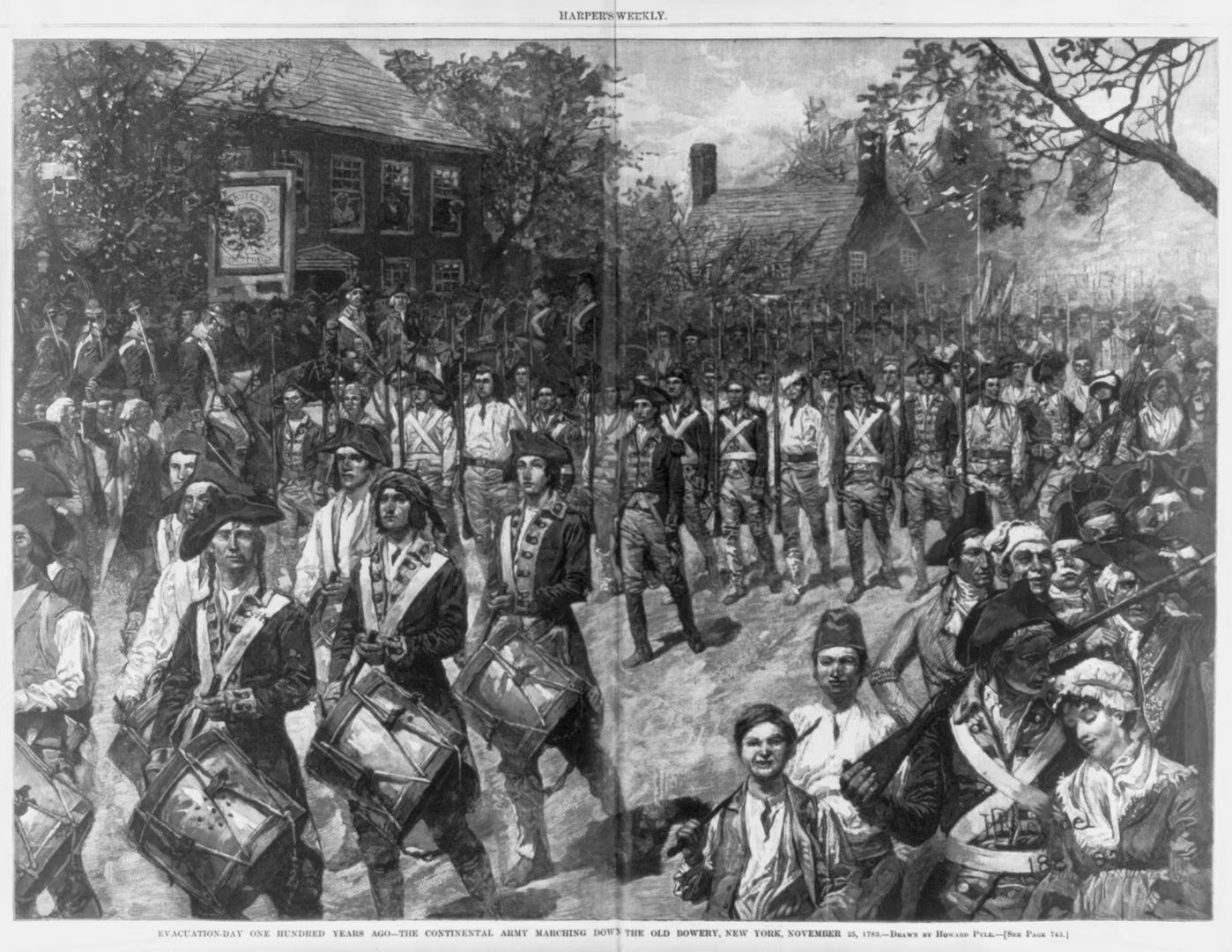
The British troops marched down the Bowery, leaving behind the city they had occupied for seven years. Their departure was watched by crowds of New Yorkers, many of whom had endured the hardships and uncertainties of the occupation. The day was marked by an atmosphere of celebration and anticipation, although the city’s population remained divided by the political and personal consequences of the war.
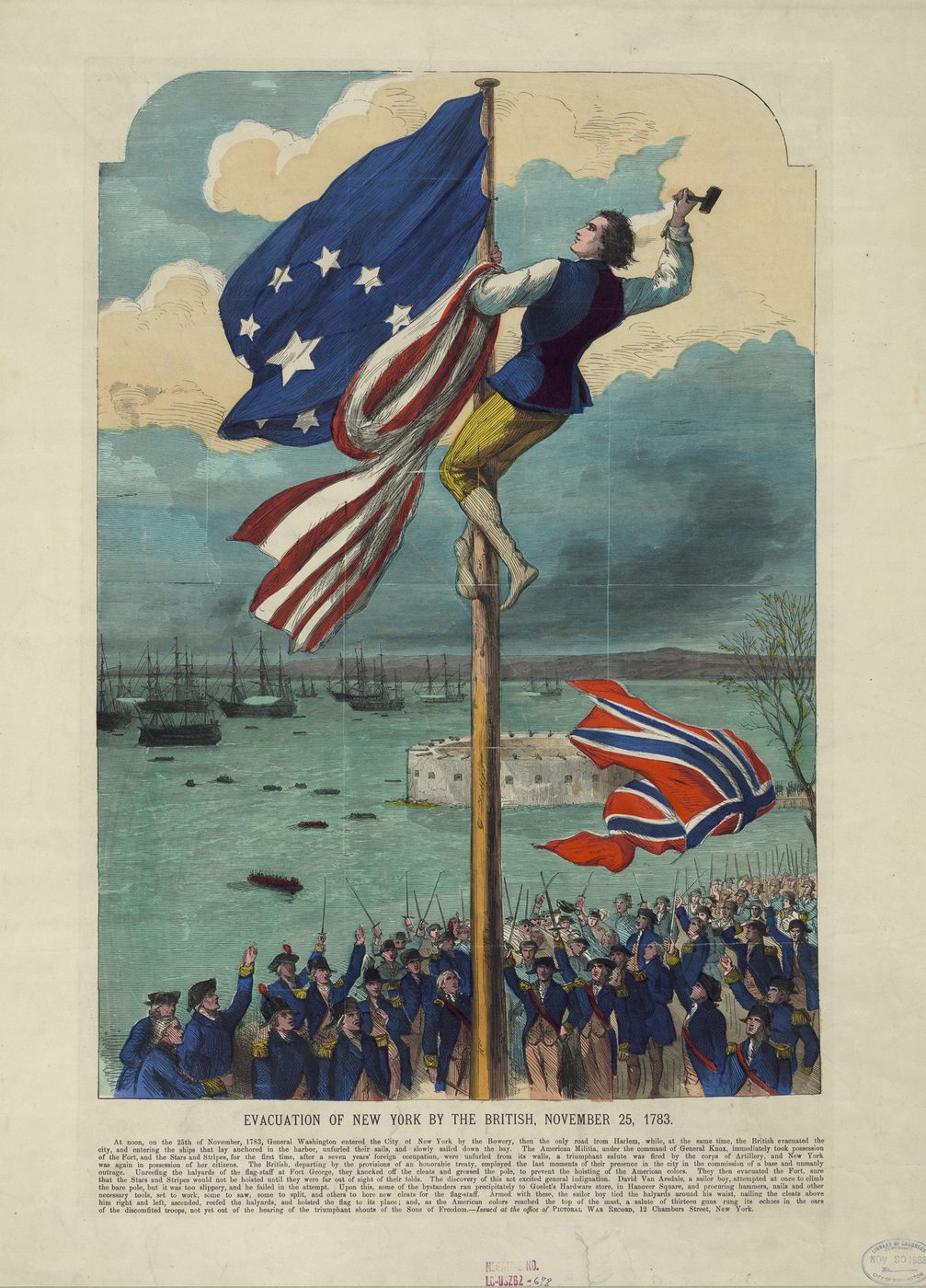
One of the most memorable episodes involved the British flag still flying at Fort George, near the southern tip of Manhattan. Before departing, the British had reportedly secured their flag to a greased flagpole, making it difficult to remove. One story has a young American sailor, John Jacob Van Arsdale, climbing the pole, removed the British colors, and raising the American flag in their place. The gesture became one of the enduring symbols of Evacuation Day.
Washington and Governor Clinton subsequently entered the city at the head of American troops, greeted by cheering crowds and displays of American flags. A celebratory dinner was held at Fraunces Tavern, where Washington and his officers gathered with the governor to mark the occasion. A new political reality had begun for New York: it was now finally an American city.
The story of Evacuation Day has a particularly interesting geographical connection to the East Village. The Bowery, one of Manhattan’s oldest thoroughfares, played an important role in the events of November 25. Originally a rural road connecting the colonial settlement to farms and estates farther north, it had long served as a major route through Manhattan. The British troops marched down the Bowery toward the East River as they left the city, passing through territory that today forms part of the East Village and NoHo.
In the years immediately following 1783, Evacuation Day gradually developed into one of New York City’s most important annual celebrations. The first anniversary, November 25, 1784, passed relatively quietly, with commemorations largely limited to private gatherings and dinners. But by 1787, the day had begun to acquire a more public character. A military brigade stationed in New York moved its annual dress review to November 25, marking the occasion with a military procession and a feu de joie, or celebratory volley of gunfire, followed by a thirteen-gun salute representing the original thirteen states.
By the 1790s, Evacuation Day had become a regular civic observance. New Yorkers gathered to watch military displays, attend patriotic ceremonies, and participate in dinners and other festivities. The city’s theaters also embraced the occasion, staging historical dramas and theatrical pageants celebrating the Revolution and American independence.
As the nineteenth century progressed, the holiday became increasingly elaborate. Military parades featured veterans of the Revolution and, later, veterans of the War of 1812. Volunteer military companies replaced regular army units, while fireworks, public banquets, speeches, and patriotic gatherings became familiar features of the celebration. For many New Yorkers, November 25 was a day off from work and an opportunity to enjoy the festivities.
Evacuation Day also became a commercial occasion. Popular printmakers such as Currier and Ives produced images commemorating the British departure and Washington’s triumphant return. P.T. Barnum’s American Museum, located at Broadway and Ann Street, promoted its location as an ideal place to watch the annual parade, offering paid seating alongside its regular attractions.
By the middle of the nineteenth century, Evacuation Day was considered one of New York’s most important civic holidays, rivaling the Fourth of July in its local significance. It was a distinctly New York celebration, rooted in the city’s particular experience of the Revolutionary War and seven years of British occupation.
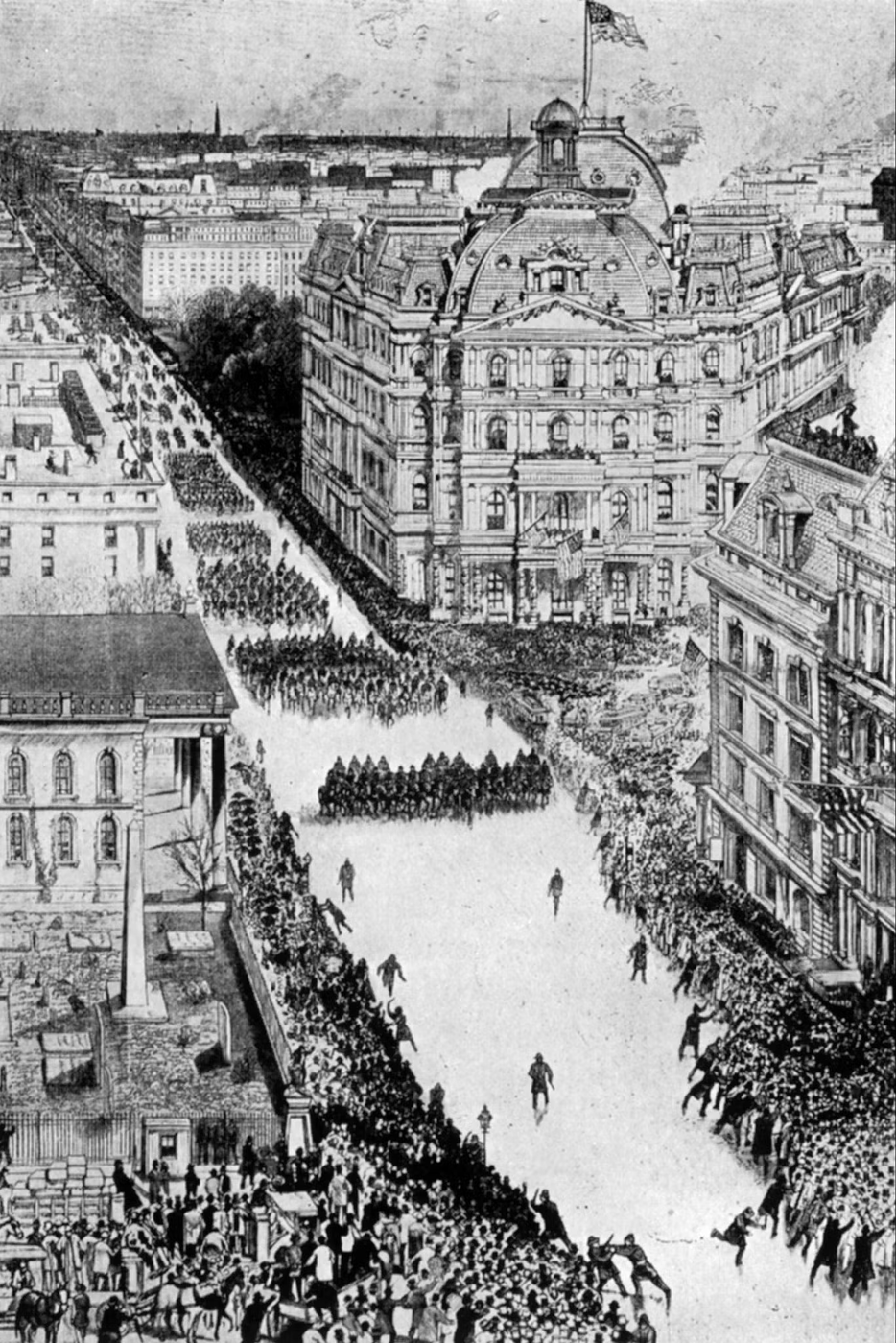
The centennial anniversary in 1883 was perhaps the most spectacular observance in the holiday’s history. Organized on a tremendous scale, the celebration included approximately 25,000 participants in the military parade, a naval procession, and enormous crowds estimated at more than a million people. President Chester A. Arthur attended, and the occasion included the unveiling of the George Washington statue in front of Federal Hall. The celebration brought the Revolutionary history of New York back into the national spotlight.
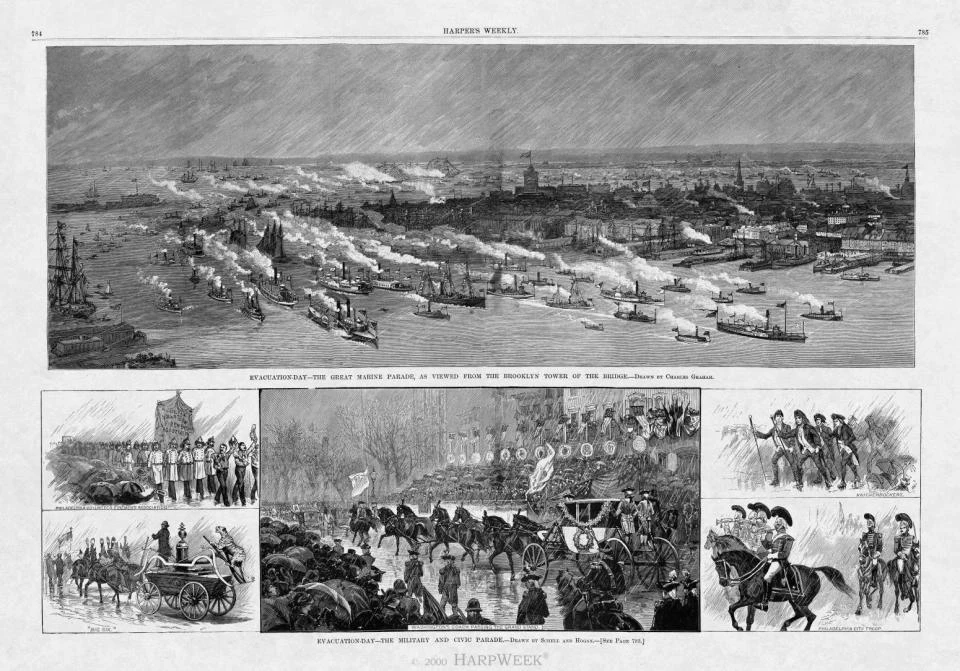
For a city that had experienced the Revolution as both a battlefield and an occupied territory, the centennial offered an opportunity to reaffirm its place in the founding story of the United States. Despite its popularity, Evacuation Day would not retain its prominent place in New York’s civic calendar. During the second half of the nineteenth century, another November holiday increasingly captured the attention of Americans: Thanksgiving.
Thanksgiving and Evacuation Day both ended up falling in November, and as Thanksgiving became an increasingly established national tradition, it gradually overshadowed New York’s more localized celebration. Unlike Evacuation Day, which commemorated a specific historical event in one city, Thanksgiving offered a broadly shared holiday for families and communities throughout the country.
The two holidays initially coexisted, but Thanksgiving’s growing popularity, combined with the passing of the generation that had experienced the Revolutionary War and British occupation firsthand, contributed to Evacuation Day’s declining importance. The nature of public commemoration was changing, too. What had once been a deeply personal celebration for New Yorkers who remembered the occupation increasingly became a historical anniversary for later generations.
The centennial celebration of 1883 briefly revived the holiday’s prominence, but it proved to be something of a final flourish. The organization behind the centennial, the Society of ’83, later known as the Sons of the Revolution, continued to commemorate the occasion through private dinners and formal gatherings. However, the large public celebrations became less frequent.
Other developments further weakened the holiday. By the early twentieth century, Thanksgiving had become firmly established in American popular culture, while sporting events and other November activities increasingly competed for public attention. The changing diplomatic relationship between the United States and Great Britain also played a role. With Britain an important American ally during World War I, celebrating a holiday centered on Britain’s defeat became increasingly awkward.
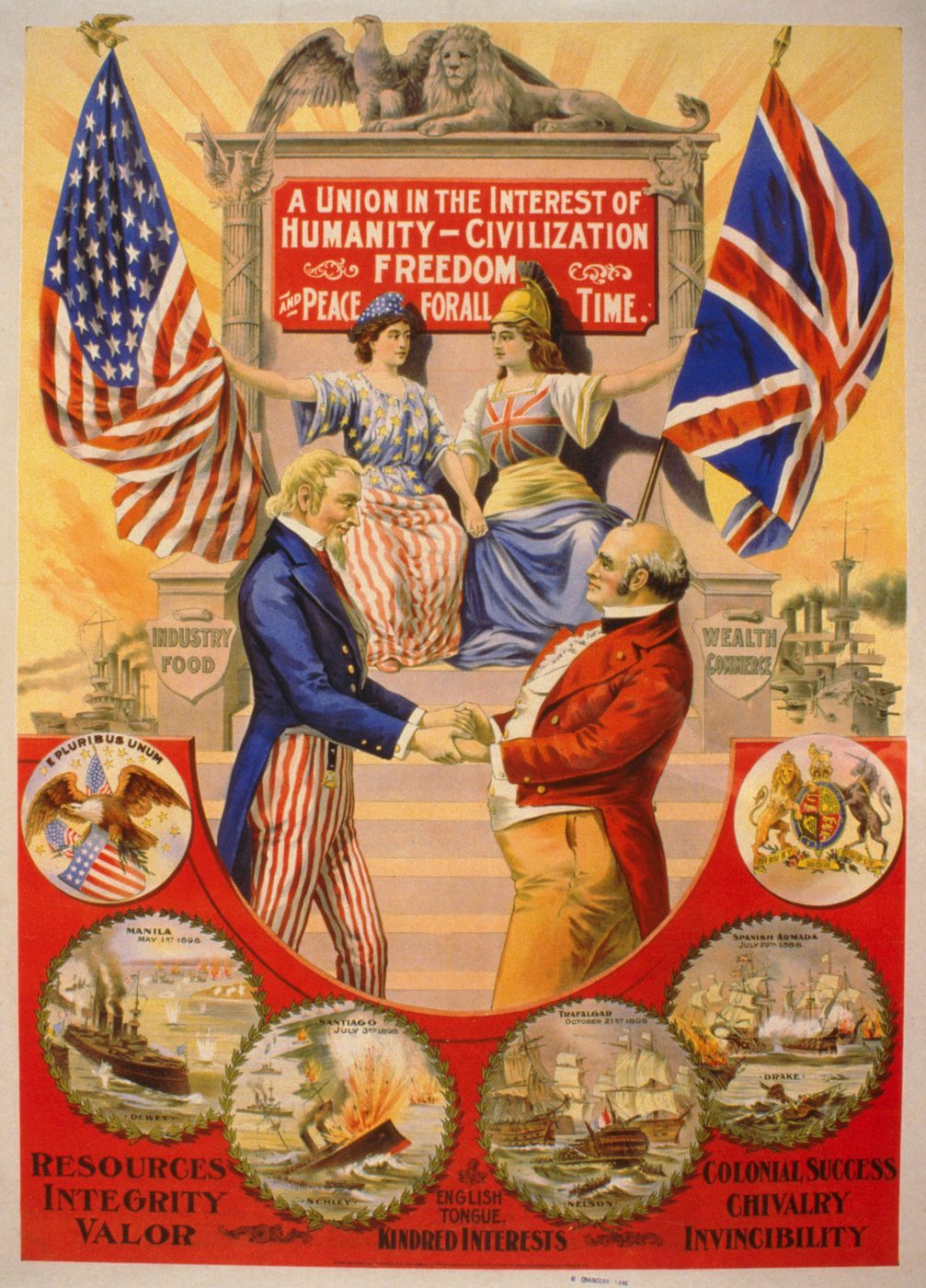
In 1916, New York Mayor John Purroy Mitchel discontinued the city’s official observance of Evacuation Day. That November, approximately sixty veterans of the Old Guard raised the American flag in a final recorded official commemoration. Although the Sons of the Revolution continued their private dinners at Fraunces Tavern, Evacuation Day largely disappeared from the city’s public calendar.
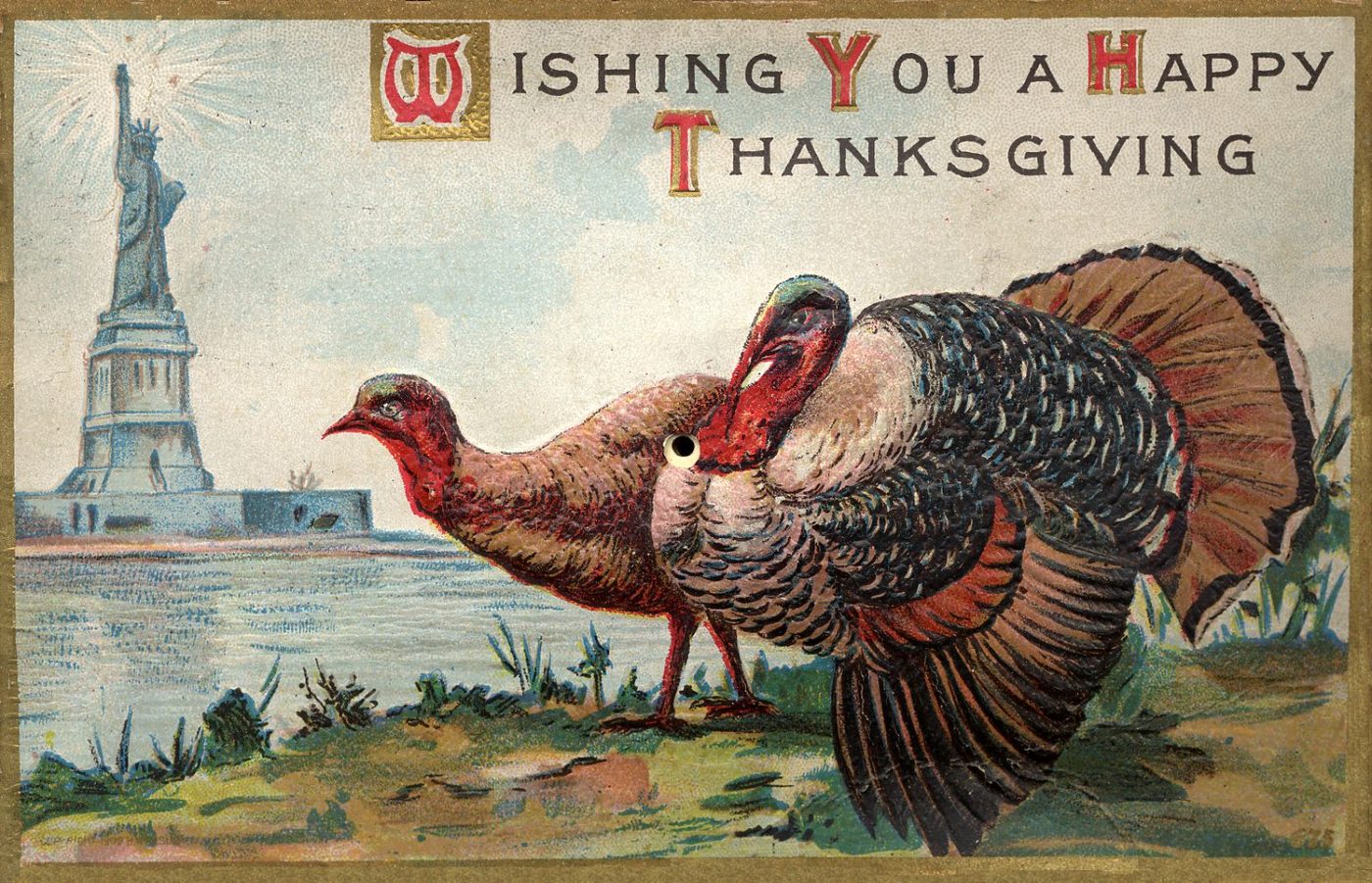
It is an interesting historical irony that a holiday once considered second only to Independence Day in New York gradually faded as Thanksgiving became one of the country’s most widely observed national traditions.
Yet Evacuation Day was never entirely forgotten. Its bicentennial in 1983 brought renewed interest, including an exhibition at Fraunces Tavern Museum, and historical organizations have continued to organize commemorations and flag-raisings. The Sons of the Revolution also maintain an annual Evacuation Day dinner at Fraunces Tavern, preserving the tradition of the thirteen original toasts.
As the United States marked its Semiquincentennial in 2026, our Revolutionary Village initiative is a way to look beyond the familiar stories of the Declaration of Independence, George Washington, and the Revolutionary War itself.
The revolutionary spirit did not disappear when the British departed Manhattan. Rather, it continued to find expression in the neighborhoods of Greenwich Village, the East Village, and NoHo over the next 250 years. These communities became important settings for movements and developments that repeatedly challenged, expanded, and redefined American ideas of freedom, equality, democracy, and cultural expression.
From abolitionism and women’s suffrage to labor organizing, LGBTQ+ rights, free speech, and artistic experimentation, the neighborhoods have been home to generations of people who sought to transform American society. Their stories are part of a much longer history of revolution, one that connects the struggle for independence with the ongoing pursuit of a more inclusive democracy.
Looking at Evacuation Day and the Revolutionary Village together reminds us that independence was not a single event, but the beginning of an ongoing national experiment that continues to this day. The departure of British troops on November 25, 1783, marked the end of one chapter in that story. The 250 years that followed would bring extraordinary change, conflict, and progress. The streets we walk today were once part of a very different landscape, but they remain witnesses to the events, people, and ideas that helped shape this nation in extraordinary ways.