
The Village Before Saul Bellow Became Saul Bellow
Minetta Street does not move through Greenwich Village in a straight line. It bends, narrows, and seems almost to hide from Sixth Avenue. In 1952, one of the things it hid, and held, was Saul Bellow.
Before the Nobel Prize, before the Pulitzer, before his name became fixed in the canon of American literature, Bellow lived at 17 Minetta Street while working on The Adventures of Augie March, the novel that would help transform him from a promising writer into one of the defining literary voices of the 20th century. As we’ve written before in our post on Saul Bellow and 17 Minetta Street, his actual writing studio was farther west on Hudson Street, but his home on Minetta Street placed him inside one of the Village’s small but powerful literary enclaves.
That is what makes this story so compelling. It is not simply that a famous writer once lived here. It is that he lived here before the world fully knew what he would become.
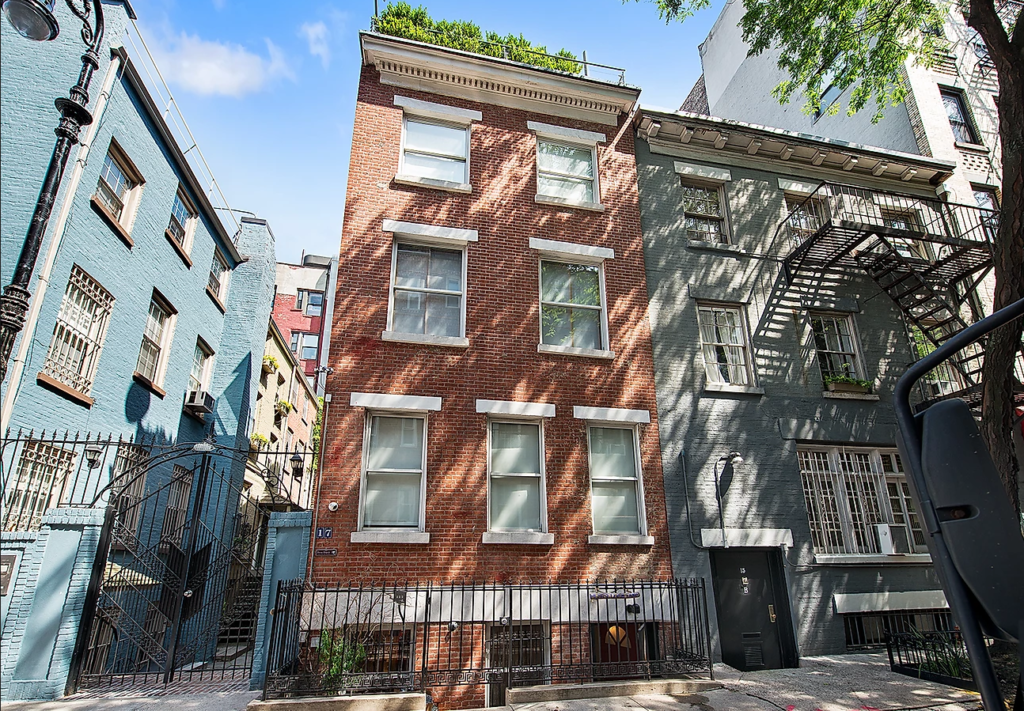
Saul Bellow is most often associated with Chicago. That was the city that shaped his imagination, sharpened his ear, and gave so much life to his fiction. But for one important chapter, Greenwich Village also belonged to his story. His time at 17 Minetta Street places him not at the end of his rise, but in the middle of becoming.
By the time Bellow arrived on Minetta Street, he had already published two novels, Dangling Man and The Victim. He was respected, but not yet legendary. The Adventures of Augie March would change that. Expansive, restless, comic, philosophical, and unmistakably American, the book announced a new kind of literary voice. It was alive with motion, argument, memory, ambition, and contradiction.
And while that book was taking shape, Bellow was here.
Not in some grand mansion. Not in a monument built for greatness. But on a small, crooked Village street, surrounded by layers of history, art, displacement, and reinvention.
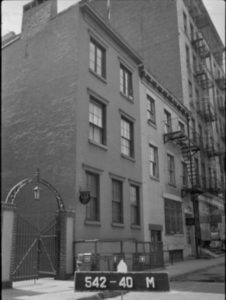
Minetta Street has always carried more than one story. Its houses date largely to the 19th century, and the area was once part of what was known as Little Africa, one of New York’s most important early Black communities. Long before the Village became shorthand for bohemian life, this area was home to African-American churches, homes, schools, businesses, and cultural life. Readers can explore more of that history in our blog post, The Supposed Streets of Little Africa.
That history was later disrupted. The extension of Sixth Avenue south of West 3rd Street in the 1920s demolished a large portion of the surrounding neighborhood, helping erase much of the built landscape connected to that earlier community. By the mid-20th century, Minetta Street had been reshaped again, this time as a quiet enclave attractive to writers, poets, and artists.
Bellow arrived inside all of that history. He was not writing in a blank space. No one ever does. He was living in a place already marked by movement, loss, ambition, and reinvention.
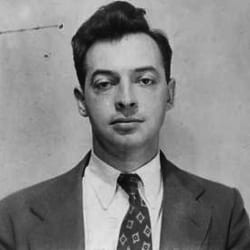
That sense of movement is part of what makes 17 Minetta Street so compelling. The building was not his final destination. It was a threshold.
The Village has always been full of thresholds. People come here before the next version of themselves is visible. Writers arrive with unfinished manuscripts. Artists arrive with no audience. Musicians arrive with a few songs, a borrowed room, and a belief they can barely afford. The Village does not guarantee greatness. It never has. But it has often given people a place to wrestle with the work before the world catches up.
Bellow’s Minetta Street chapter belongs to that tradition.
The Adventures of Augie March went on to win the National Book Award and became one of the great works of postwar American fiction. Bellow would later win the Pulitzer Prize for Humboldt’s Gift and the Nobel Prize in Literature in 1976. By then, he was no longer the writer in the small Village room. He had become Saul Bellow, the towering figure, the name students underline, the author placed on syllabi and shelves.
But the older, more human story is still here.
Before the awards, there was the work.
Before the monument, there was the room.
Before the certainty of reputation, there was the uncertainty of making something new.
That is why 17 Minetta Street matters.
Preservation is often described as a way to protect buildings, and of course it is. But at its best, preservation protects evidence. It protects the proof that lives happened here, that ideas were formed here, that communities rose, struggled, vanished, returned, and changed. It gives memory a physical address.
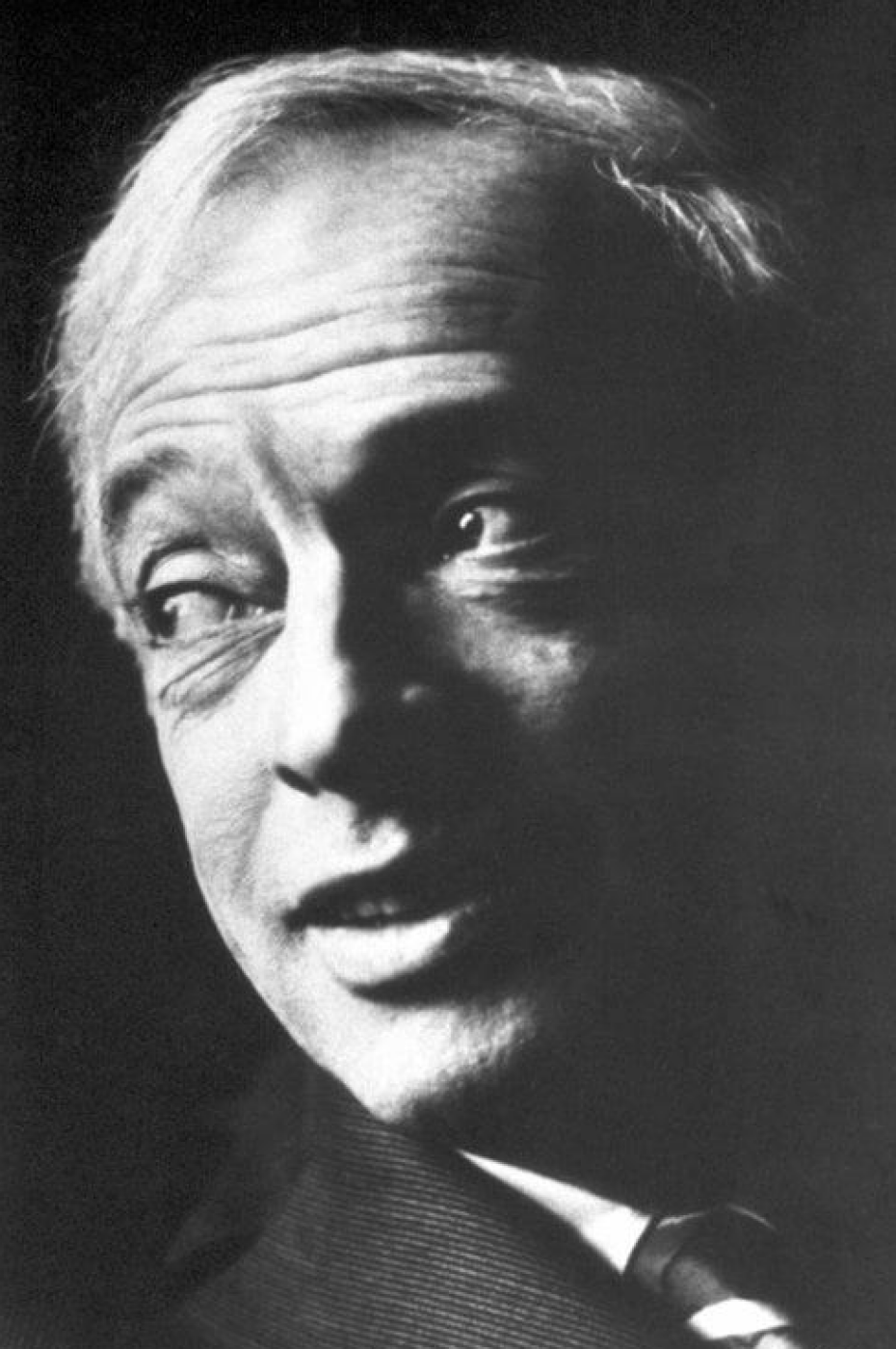
In 2013, Village Preservation helped secure landmark designation for Minetta Street and nearby Minetta Lane as part of the South Village Historic District. To learn more about the unusual shape and deeper history of these streets, read our post Off the Grid: Minetta Street and Minetta Lane. And for more on the Village’s connection to Nobel Prize-winning writers, explore A Hard Prize’s A-Gonna Fall: Nobel Winners in Greenwich Village.
Minetta Street still bends. It still resists the grid. It still feels like a place where the city lowers its voice.
And if you stand outside 17 Minetta Street today, you do not have to imagine Saul Bellow as the Nobel Prize winner. It may be better not to. Imagine him instead as he was then: unfinished, restless, working, listening, trying to find the shape of the book that would change his life.
That is the Village story.
Not fame after arrival.
Becoming, before anyone knows.