← View All

Author: Gaël Evers

The Village Before Saul Bellow Became Saul Bellow

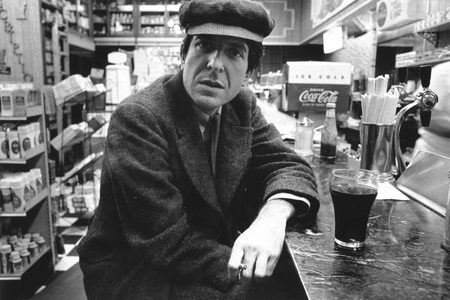
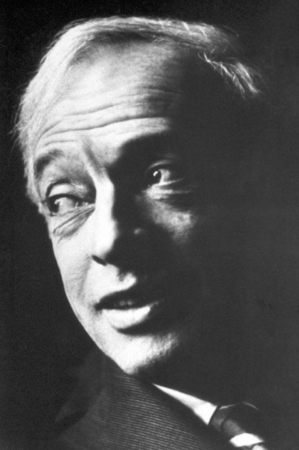
Minetta Street does not move through Greenwich Village in a straight line. It bends, narrows, and seems almost to hide from Sixth Avenue. In 1952, one of the things it hid, and held, was Saul Bellow. Before the Nobel Prize, before the Pulitzer, before his name became fixed in the canon of American literature, Bellow […]

    When the Rolling Stones Shook 14th Street

    Before it became the Palladium, before it became one of New York’s most famous nightclubs, before it was demolished and replaced by an NYU dorm, the old Academy of Music at 126 East 14th Street had another life. For one loud, electric moment in 1965, it helped introduce New York to the Rolling Stones. The […]

      Mary Lou Williams and the Sound of Jazz in the Village

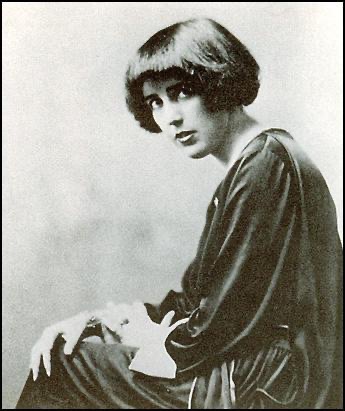
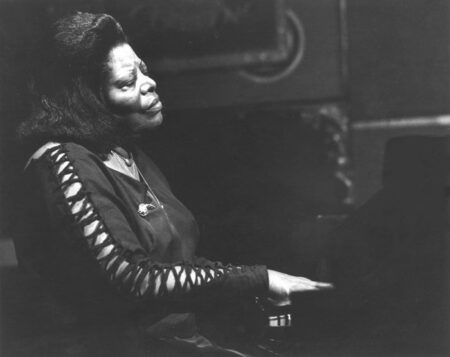
      Some jazz histories shout. Mary Lou Williams’ story moves differently. It sits at the piano, listens closely, and then changes the room. Williams was one of the great pianists, composers, and arrangers in American music. Born Mary Elfrieda Scruggs in Atlanta in 1910 and raised in Pittsburgh, she began playing piano as a child and […]

        Hey Ho, Let’s Go Downtown: How ‘The Ramones’ Changed Music Forever

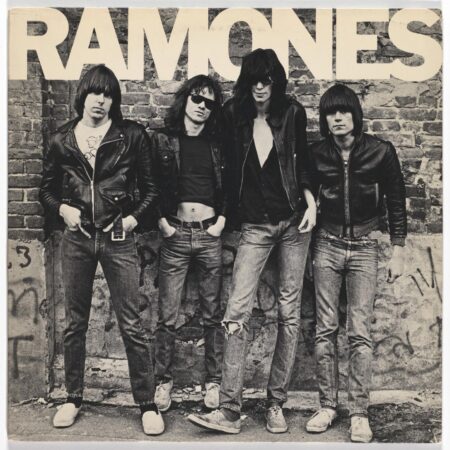
        On April 23, 1976, the Ramones’ self-titled debut album was released. The Ramones didn’t record their debut album in the Village. But when “The Ramones” was released on April 23, 1976, the sound the world heard had already been forged downtown. Before punk became a global movement, it was deeply local. It lived in packed […]

          March Ends, But Their Work Does Not: Women of the Village

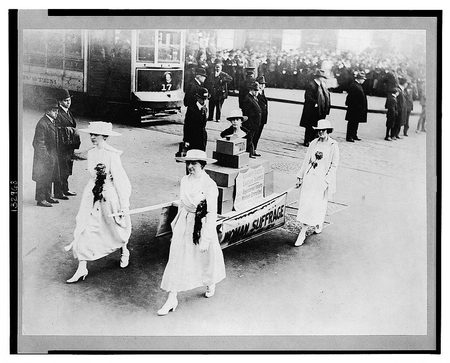
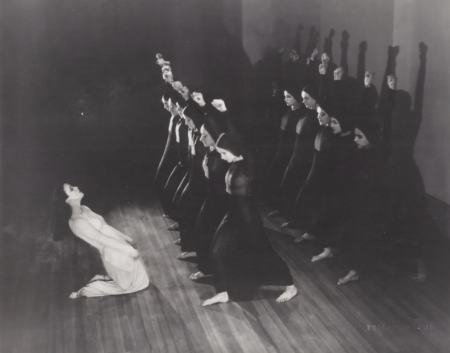
          March, which is celebrated as Women’s History Month, comes to a close. But the women who shaped the Village do not fade with the calendar. Their work was never seasonal. It was lived, carved into streets, studios, stages, and sidewalks. What they made still moves through the neighborhood, if you slow down enough to notice. […]

            Black History in Our Neighborhood: The African Free Schools and 70 Fifth Avenue

            Black history in Greenwich Village, the East Village, and NoHo is not abstract. It is tied to specific buildings, specific addresses, and specific institutions that helped shape the course of American history. Two of the most powerful examples are the African Free School in Greenwich Village and the NAACP’s national headquarters at 70 Fifth Avenue. […]

              The Village & The Electric Lady

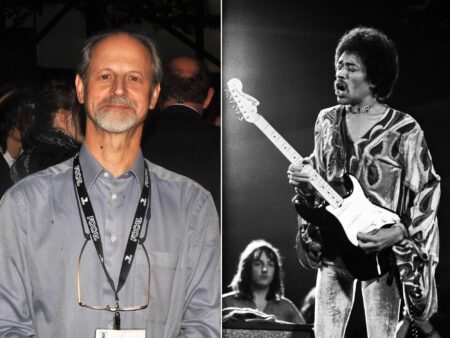
              Electric Lady Studios exists because Jimi Hendrix refused to rush inspiration. In 1968, frustrated by expensive studio time and rigid schedules, Hendrix purchased the failing Generation Club at 52 West 8th Street in Greenwich Village. His vision was radical and simple: a place where musicians could work without watching the clock, that felt alive. Working […]

              Fred W. McDarrah and the Village That Refused to Be Quiet

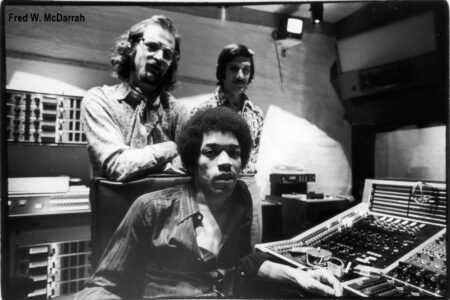
              Fred W. McDarrah did not photograph history from a distance. He stood inside it. Shoulder to shoulder with musicians, poets, organizers, and strangers who believed the street could still change the world. His photographs are not nostalgia. They are evidence. McDarrah’s lens followed the pulse of Greenwich Village and the East Village through the 1950s […]

              Café Society at Sheridan Square: Where the Course of History Changed

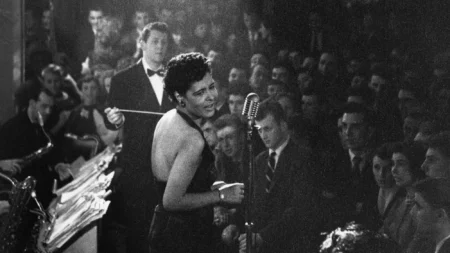
              In 1938, a small basement nightclub opened at 1–2 Sheridan Square and challenged how New York City understood nightlife, race, and public space. Café Society was the city’s first racially integrated nightclub, welcoming Black and white audiences into the same room and placing Black and white performers on the same stage. This was not common […]

                Edward Hopper and the Village That Shaped His Art

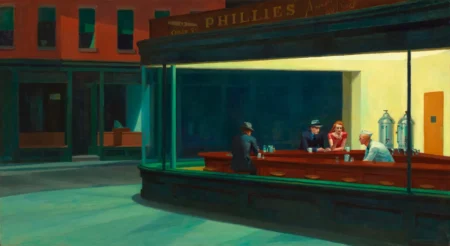
                This post contains excerpts and takes inspiration from our recently revamped and re-released Edward Hopper’s Greenwich Village Tour on our Greenwich Village Historic District Virtual Map. Edward Hopper did not simply live in Greenwich Village. He rooted himself in it. He walked its crooked streets, studied its shifting light, and let the neighborhood carve itself […]

                  The Albert: Where Songs Were Born

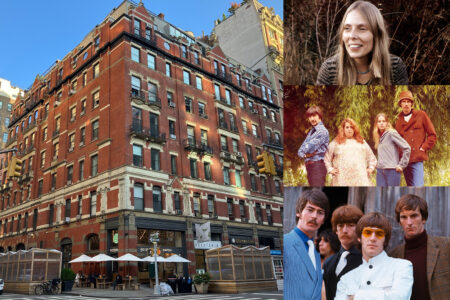
                  40–52 East 11th Street, Greenwich Village Just off University Place, at 40–52 East 11th Street, stands a building whose story is inseparable from New York’s creative heartbeat. The Albert began in the early 1880s as one of Manhattan’s first “French flats,” designed by Henry J. Hardenbergh—the visionary architect behind The Dakota and The Plaza. These […]

                    The Soul of the Village: Six Venues That Built Our Sound

                    The East and West Village are not just neighborhoods. They are thresholds. They take people who feel like they do not fit anywhere and tell them this is where misfits learn to fly. Music is the way this part of New York speaks. It does not whisper. It roars. For decades, these streets have given […]

                      The Ballot Explained

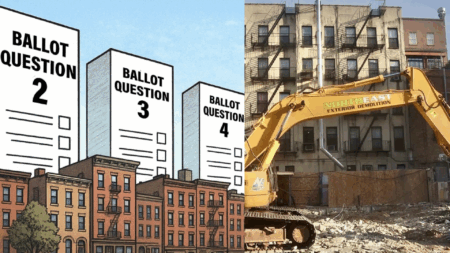
                      Come  election day, New Yorkers get to vote not only for candidates, but often also on ballot questions that can change how our city government works. This year, Ballot Questions 2 through 4 might sound like they’re about speeding up housing approvals. But in reality, they’re about who holds the power to decide what gets […]

                        Oral histories of Artists in the Village

                        Our neighborhoods are more than streets and brownstones; they’re a living song. At Village Preservation, we showcase the voices that made that song—the oral histories of the artists, musicians, and activists who turned cobblestones into stages, neighborhood corners into concert halls. These aren’t dusty archives. They are conversations with the people who lived, breathed, resisted, […]

                          The New York Eye and Ear Infirmary

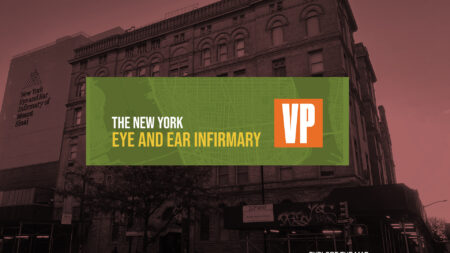
                          The New York Eye and Ear Infirmary of Mount Sinai is more than a hospital on East 13th Street and Second Avenue. It is a living monument to innovation, inclusion, and resilience. Founded in 1820 by Drs. Edward Delafield and John Kearny Rodgers, the Infirmary became the first specialty hospital in the Western Hemisphere, setting […]

                            The Beautiful History of Café Wha?

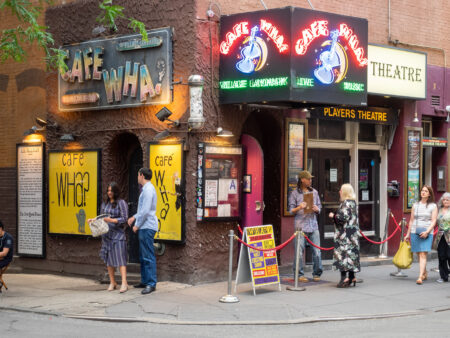
                            Café Wha? sits half-underground at 115 MacDougal, a basement once used to stable horses. In 1959 actor Manny Roth hauled in broken marble for the floor, sprayed the walls black, and lit candles on cast-off tables. Capacity: 325 souls and one restless dream of fame. Greenwich Village already pulsed with poetry, but Roth’s “swingingest coffee […]

                            French Flats: A New Way to Live

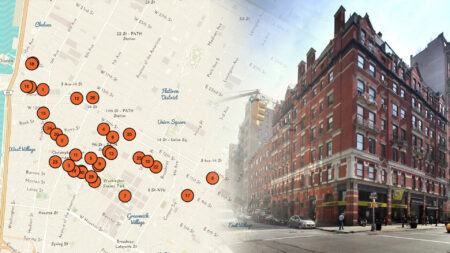
                            Explore the History Behind the WallsStep into the story of the French Flats—19th-century apartment buildings that transformed how New Yorkers lived. With Village Preservation’s interactive map, you can explore each site, view historic images, and uncover the lives of artists, activists, and everyday people who called these flats home.Experience the map In the 1870s, something […]