
Eddie Kramer, Jimi Hendrix, and the Sound Built Beneath West 8th Street
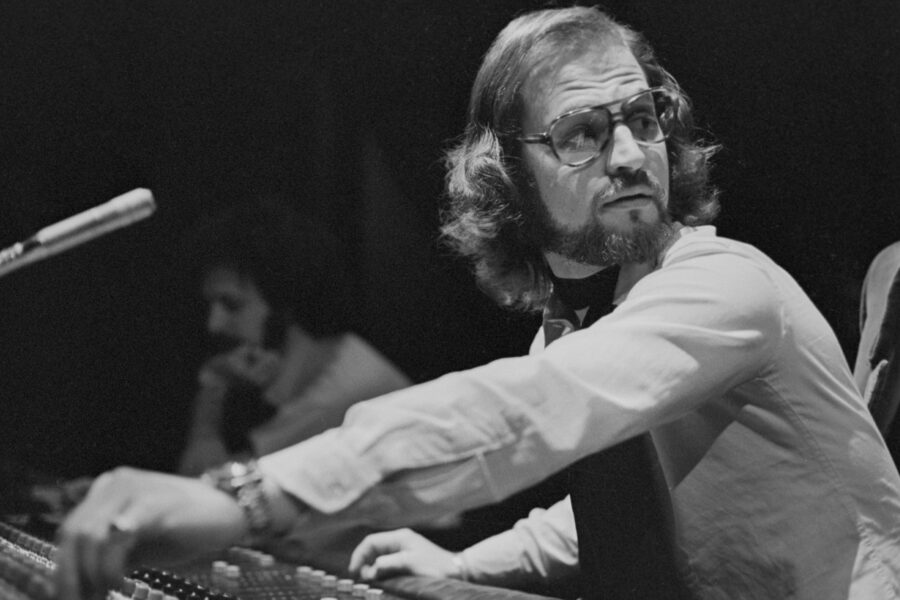
Before Eddie Kramer helped build one of the most legendary recording studios in the world right here in our neighborhood, before his name became tied to Jimi Hendrix, Led Zeppelin, the Rolling Stones, David Bowie, Kiss, and some of the most explosive rock recordings ever made, his story began thousands of miles from Greenwich Village.
Kramer was born in Cape Town, South Africa, in 1942. Music entered his life early. He studied classical piano, violin, and cello, and grew up with the discipline of formal training. But the world that would shape him was not only written on sheet music. It was built on electricity, rhythm, distortion, tape, and sound that didn’t always behave politely.
As a young man, Kramer moved to London, where the 1960s music scene was beginning to explode. He worked his way into studios as rock and roll was turning from dance music into art, rebellion, and architecture. At Olympic Studios and other London rooms, Kramer began working with artists who were changing popular music in real time. Among them was a young guitarist from Seattle named Jimi Hendrix.
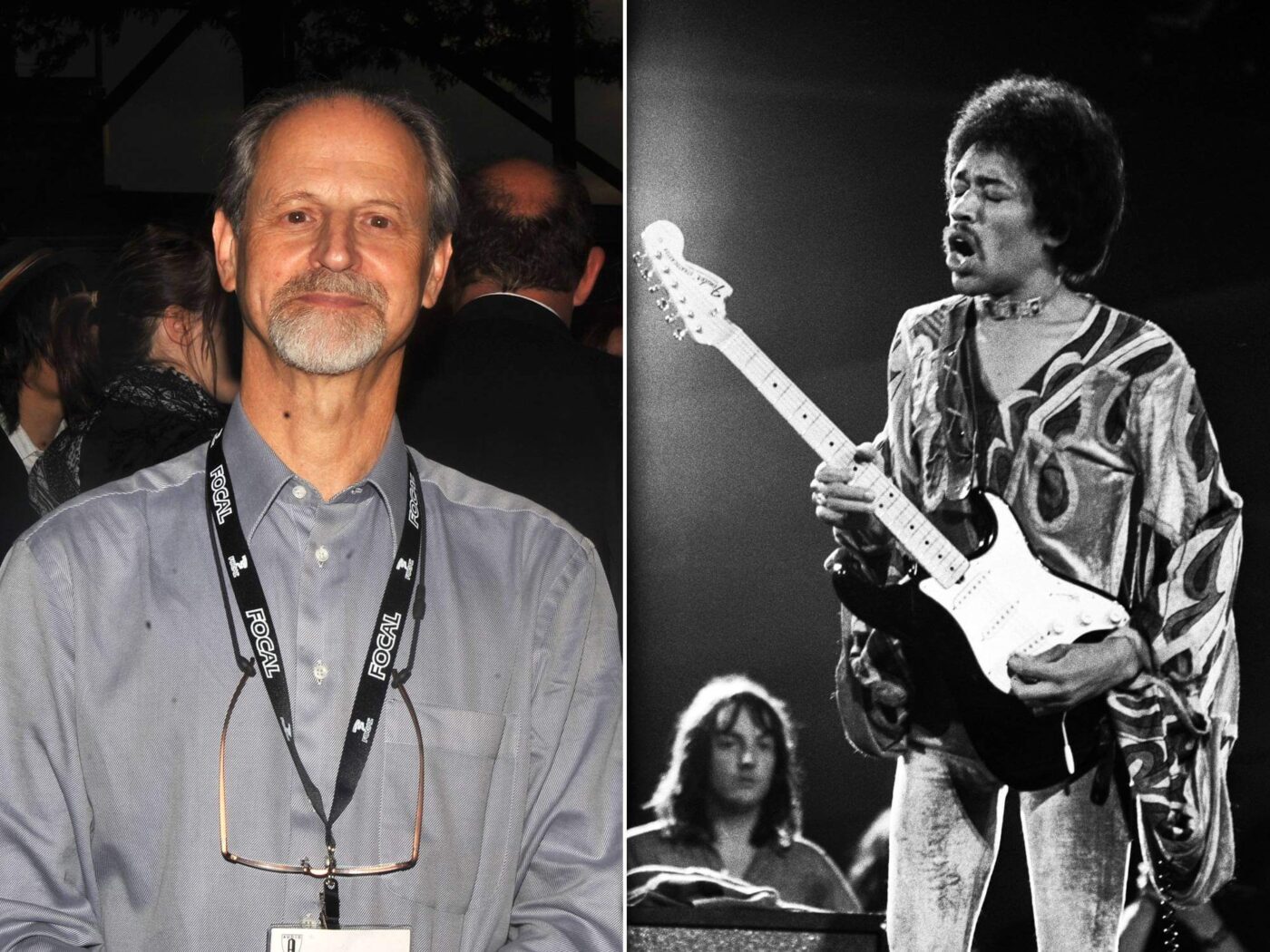
Kramer engineered Hendrix’s early records, including “Are You Experienced,” “Axis: Bold as Love,” and “Electric Ladyland.” Those albums were not recorded at Electric Lady Studios, which had not yet opened. But they matter deeply to the Electric Lady story because they show why Hendrix needed his own space. He was not just writing songs. He was chasing sound as if it were a living thing.
Hendrix worked fast. He layered guitars, reversed tapes, bent amplifiers into color, and treated the studio like another instrument. Kramer understood that. He was not simply capturing Hendrix. He was helping translate what Hendrix heard in his head into something the rest of the world could hear too.
By the late 1960s, Hendrix was spending enormous amounts of time and money in commercial studios. He needed a place where the clock did not rule the music. He needed a room where experimentation was not treated as waste. He needed a home for sound.
That home would be built in Greenwich Village.
In 1968, Hendrix and his manager purchased the former Generation Club at 52 West 8th Street. The building already had a musical past. As the Generation, it had been part of the Village’s late-night creative circuit, a place where musicians gathered, jammed, and crossed boundaries. Hendrix originally imagined turning it into a nightclub. But Kramer and others saw a better future for the space: a recording studio designed around the artist, not the industry.
That idea became Electric Lady Studios.
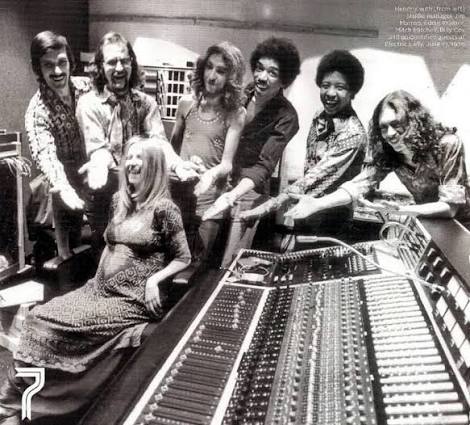
Working with architect John Storyk, Kramer helped shape a studio unlike the cold, boxy recording rooms common at the time. Electric Lady was meant to feel alive, even though parts of it were located below ground. Its walls curved. Its lighting shifted. Its atmosphere mattered. Hendrix wanted a place with softness, color, and movement, a place where musicians could feel free enough to reach for the strange note, the dangerous take, the one that might fall apart but might also become immortal.
This is where the Village becomes more than a location. Greenwich Village had long been a refuge for artists who did not fit neatly anywhere else. Folk singers, jazz musicians, poets, painters, political radicals, actors, and experimental performers had already made these streets a workshop for American culture. Hendrix’s studio belonged to that lineage. It was not built in Midtown, where music could feel like business. It was built on West 8th Street, in a neighborhood where art that might have slipped through the cracks elsewhere made a home there.
Electric Lady opened officially on August 26, 1970. Hendrix would live only a few more weeks, but in that brief final chapter, he used the studio with urgency and joy. Here, with Kramer at the console, Hendrix worked on music intended for his next major project, the ambitious material later associated with “First Rays of the New Rising Sun.” Tracks like “Dolly Dagger,” “Night Bird Flying,” “Freedom,” “Ezy Ryder,” “Straight Ahead,” “In From the Storm,” “Astro Man,” and “Belly Button Window” show an artist moving beyond the psychedelic fire of the Experience years into something broader: funk, soul, blues, rock, and spiritual searching braided together.
The control room became a kind of cockpit. Hendrix was the pilot, but Kramer helped keep the machine in flight. Kramer’s genius was not only technical. It was emotional. He knew when to protect a performance, when to let chaos breathe, when to make the guitar sound like weather, and when to leave enough space for Hendrix’s voice to sound human.
That was the magic of the Hendrix and Kramer partnership. It was not clean. It was not safe. It was alive.
After Hendrix’s death on September 18, 1970, Kramer became one of the key figures responsible for helping shape and preserve the music Hendrix left behind. Along with drummer Mitch Mitchell, he compiled and mixed *The Cry of Love*, released in 1971, which included songs such as “Angel,” “Freedom,” and “Ezy Ryder.” Much of that material came from Hendrix’s final period of recording at Electric Lady. Kramer also worked on “Rainbow Bridge,” another posthumous release connected to Hendrix’s late studio work.
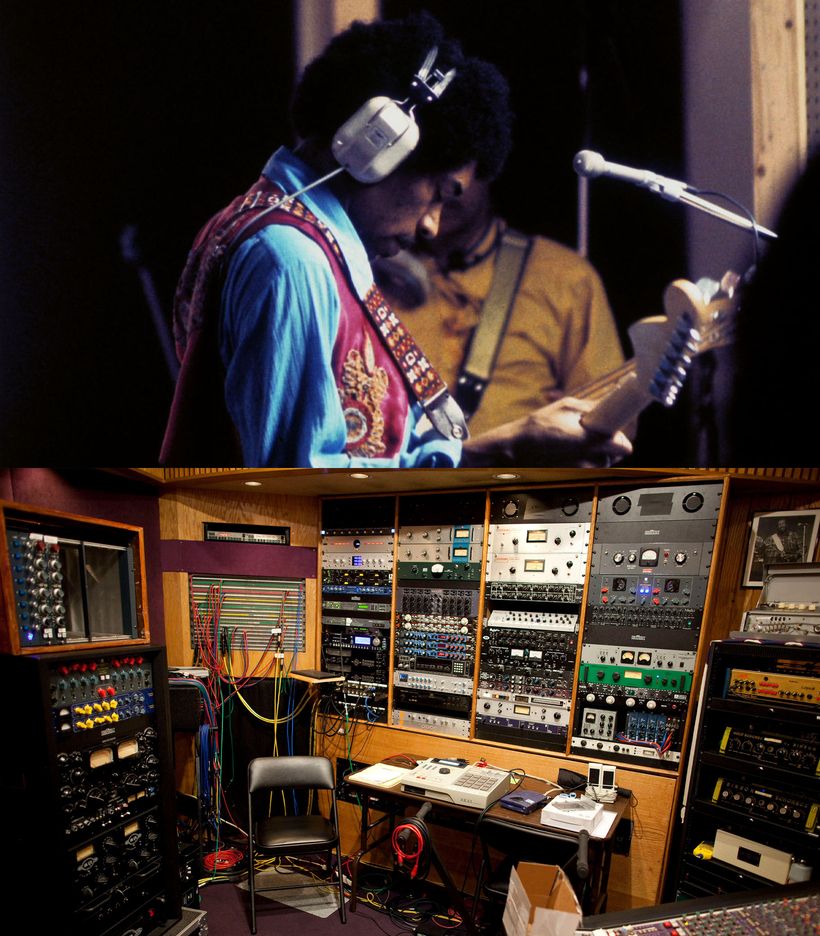
But Electric Lady did not become a tomb. It became a living monument.
Kramer served as Director of Engineering at Electric Lady in the early 1970s, helping establish the studio as one of the most important creative rooms in the world. The space Hendrix dreamed into being quickly drew other artists who wanted the same freedom. Stevie Wonder recorded parts of his groundbreaking early 1970s work there, including music connected to “Music of My Mind” and “Talking Book.” “Superstition,” one of the most recognizable grooves in American popular music, is part of Electric Lady’s larger legend, a reminder that Hendrix’s dream outlived him by giving other geniuses room to expand.
Electric Lady would go on to host sessions by the Rolling Stones, Led Zeppelin, David Bowie, Patti Smith, the Clash, Chic, John Lennon, AC/DC, D’Angelo, Erykah Badu, the Roots, Taylor Swift, Beyoncé, Lady Gaga, and many more. Not every one of those stories is an Eddie Kramer story, but all of them are part of the world Kramer helped build with Hendrix on West 8th Street.
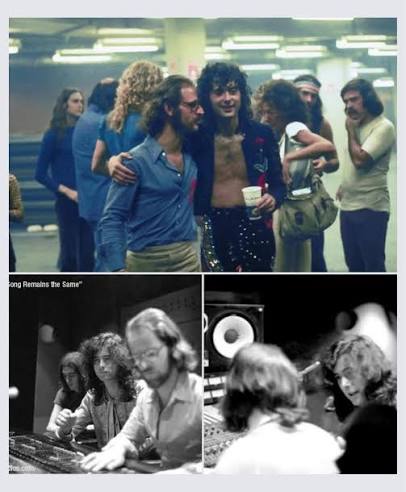
That distinction matters. Kramer’s Village story is not only about famous names. It is about infrastructure. It is about the room behind the record. The hidden architecture of culture.
Songs do not float down from the sky fully formed. They need rooms. They need neighborhoods. They need engineers who understand the difference between noise and revelation. They need places where artists are allowed to become more than what the market already understands.
Electric Lady gave musicians that place.
And Greenwich Village was the right soil for it. The same neighborhood that nurtured folk music at Café Wha? and the Gaslight Café, jazz in basement clubs, experimental theater in small rooms, and rock at venues like the Academy of Music and the Fillmore East, also gave Hendrix the space to build a studio that changed how records could be made.
Eddie Kramer’s journey from Cape Town to London to Greenwich Village is not just the story of a gifted engineer finding his way into rock history. It is the story of how talent meets place. In London, Kramer found the explosion of 1960s rock. In Hendrix, he found a collaborator who heard beyond the edge of the possible. But in Greenwich Village, he helped build the room where that possibility could live.
Electric Lady Studios still stands at 52 West 8th Street. You can walk past it today and almost miss it. But beneath that street is one of the great creative chambers of modern music, a place where Hendrix’s dream became brick, wire, wood, tape, and spirit.
Kramer helped make that dream real. And the Village gave it an address.
To explore more of this story and the creative world that surrounded it, read Village Preservation’s pieces on The Village & The Electric Lady, Hendrix’s Village: The Places that Inspired a Star, Very Superstitious, The Beautiful History of Café Wha?, and When the Rolling Stones Shook 14th Street.
Jimi Hendrix “Night Bird Flying” with Eddie Kramer