
When Andy Warhol Found the Velvet Underground in the Village
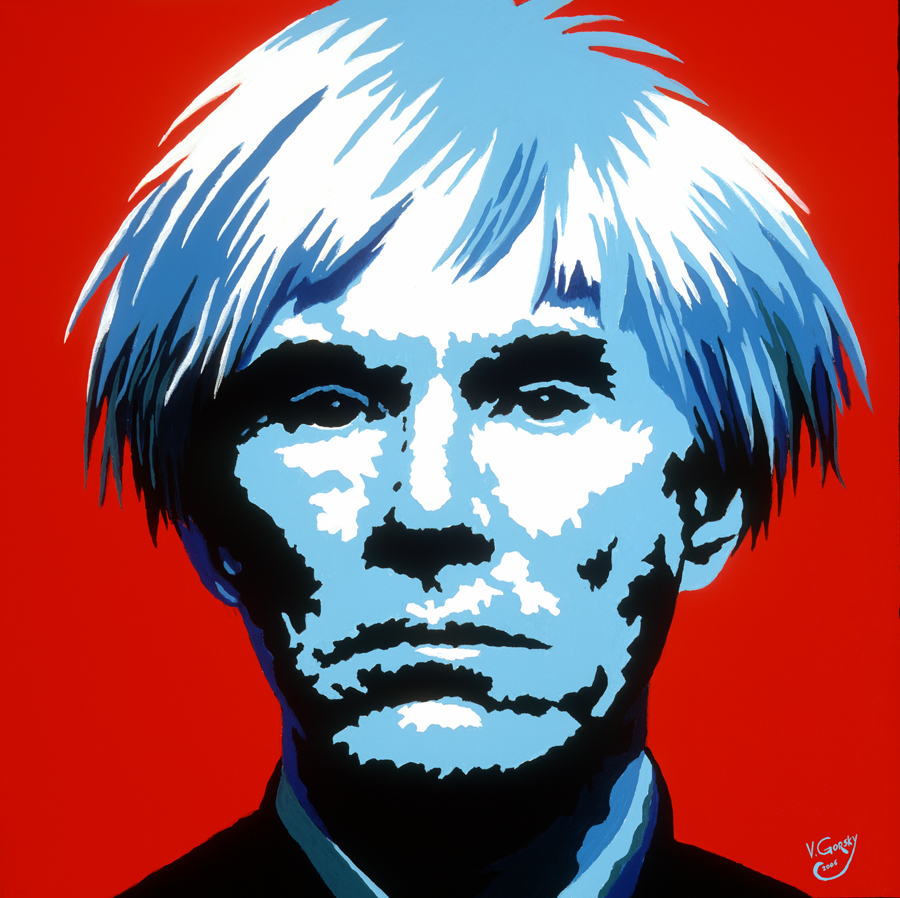
Andy Warhol was born Andrew Warhola in Pittsburgh on August 6, 1928. Warhol is remembered for soup cans, celebrities, screen tests, and the silver walls of his Factory. But one of his most lasting artistic contributions began not with a canvas, but with a band playing in a Greenwich Village basement.
In December 1965, Warhol encountered the Velvet Underground at Café Bizarre, at 106 West 3rd Street. Within months, he would help place their uncompromising music inside a world of film, dance, fashion, light, and performance. The band already possessed its sound. Warhol recognized the world that could be built around it.
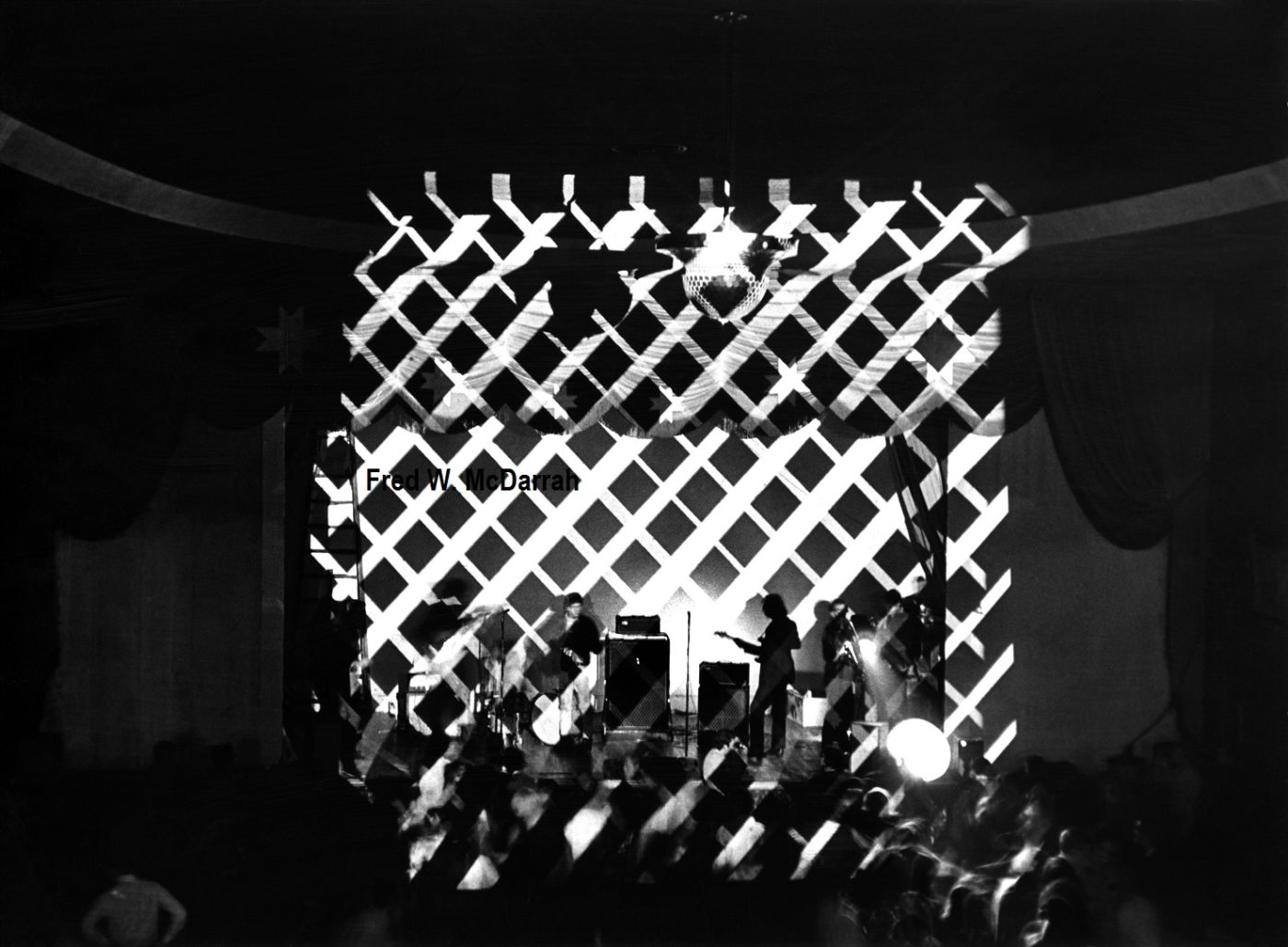
Café Bizarre, 106 West 3rd Street
Café Bizarre opened in 1957 and presented folk musicians, jazz acts, and Beat poets. By the mid-1960s, it offered visitors a theatrical taste of Village bohemia.
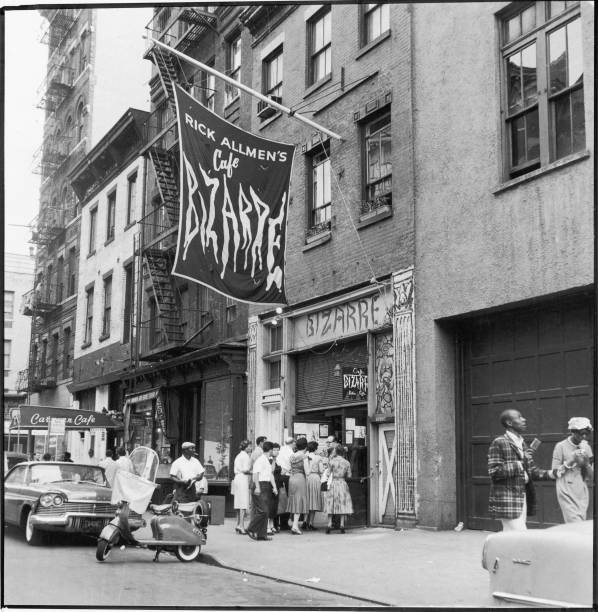
The Velvet Underground were something more difficult to contain. Lou Reed wrote about addiction, desire, isolation, and people living beyond the borders of polite society. John Cale brought the discipline and dissonance of experimental music. Sterling Morrison’s guitar and Maureen Tucker’s spare, pounding drums made the songs feel both primitive and industrial. They sounded like New York after midnight.
Filmmaker Barbara Rubin helped bring members of Warhol’s circle to see the group. Gerard Malanga and Paul Morrissey attended, and Warhol soon followed. The encounter is often described as Warhol “discovering” the Velvet Underground, but the truth is more interesting. The band already had its songs, its identity, and its darkness. Warhol understood that the darkness could be given an image.
He saw more than a rock group. He saw the center of a larger artistic environment. The band’s engagement ended after they reportedly ignored an order not to perform “The Black Angel’s Death Song.” They played it again and were fired. It was a rejection that became an opening.
The building at 106 West 3rd Street was demolished in 1984 and replaced by New York University’s D’Agostino Hall. But for a brief period in December 1965, Café Bizarre became the doorway through which the Velvet Underground entered Warhol’s world. Learn more about Café Bizarre and its place in Village music history.
Building a World Around the Music
By early 1966, Warhol had become the band’s manager and artistic patron. Nico was brought into the group, and Warhol later produced their first album, The Velvet Underground & Nico, creating its famous banana cover. His role was not to make the Velvet Underground easier to understand. It was to give them room to remain strange.
Warhol connected their music to his larger circle of filmmakers, photographers, dancers, actors, artists, and self-created personalities. He understood that a song did not have to remain beneath a spotlight. It could arrive through projected film, movement, clothing, noise, shadow, and bodies sharing the same charged room. That idea took physical form on St. Mark’s Place.
The Dom, 19–25 St. Mark’s Place
On April 1, 1966, the Velvet Underground and Nico began a month-long residency at the Dom, inside the former Polish National Home at 19–25 St. Mark’s Place.
The performances were part of Warhol’s Exploding Plastic Inevitable, which combined live music with films, slides, flashing lights, dancing, and performances by members of his circle.
At Café Bizarre, Warhol had found a band. At the Dom, he built a world around them.
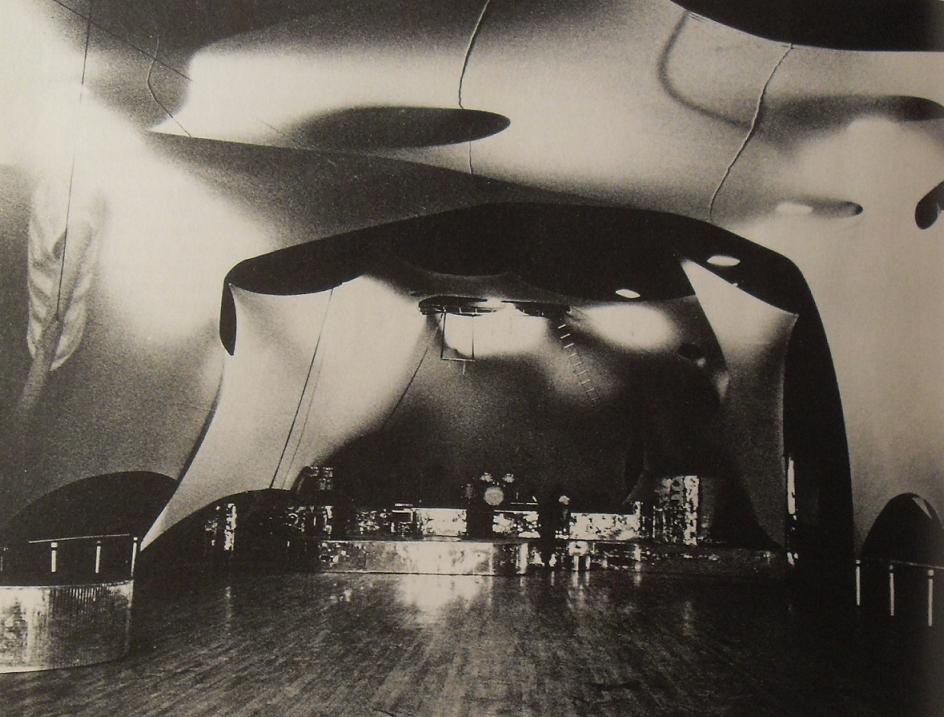
The Velvet Underground performed as Warhol’s films moved across the walls and the people inside the room. Gerard Malanga and Mary Woronov danced near the stage. Light fractured the darkness until the boundaries between musicians, audience, architecture, and image began to dissolve.
The room became part concert, part cinema, part nightclub, and part living artwork.
This was Warhol’s particular gift. He understood that art did not have to remain obediently inside a frame. It could become an atmosphere. It could surround people before they fully understood what they were witnessing.
The residency helped establish the Velvet Underground as a defining force in New York’s avant-garde and expanded the possibilities of what a rock performance could be. Read more about the Exploding Plastic Inevitable and the Velvet Underground’s residency at the Dom.
The building itself had already lived many lives. Constructed as nineteenth-century row houses, it later served German and Polish community organizations before becoming a center of the East Village counterculture. The space was subsequently associated with the Electric Circus. Explore the layered history of 19–25 St. Mark’s Place.
Today, little on the exterior reveals what once happened inside. Buildings keep their secrets in plain sight.
The Art of Seeing What Could Be
Andy Warhol did not invent the Velvet Underground. Their music was already alive before he entered Café Bizarre.
What he offered was recognition, opportunity, and a larger frame. He saw that their refusal to fit could become their strength. He connected their sound to film, photography, fashion, and performance, and gave them the freedom to become more completely themselves.
The Village made that encounter possible.
At 106 West 3rd Street, Warhol encountered a band that seemed too difficult for the room holding it. At 19–25 St. Mark’s Place, he helped create a room large enough for everything they could become.
Warhol was shot on June 3rd, 1968, and survived, but died on February 22, 1987 in part due to complications from the wounds he sustained nearly two decades earlier. We remember Warhol not only for the images he left behind, but his ability to recognize the future while it was still making noise in a basement.
Learn more about Andy Warhol’s life and legacy in Greenwich Village and the East Village.
Nico lived at 101 Avenue A.