
From Royal Palace to Public Museum: What the Louvre Can Teach Us About Adaptive Reuse
When the Louvre first opened to the public as a museum on August 10, 1793, it represented more than the creation of one of the world’s great cultural institutions. It embodied a revolutionary idea: that a building constructed for one purpose, as a royal palace, could be transformed into something entirely new that served the public good.
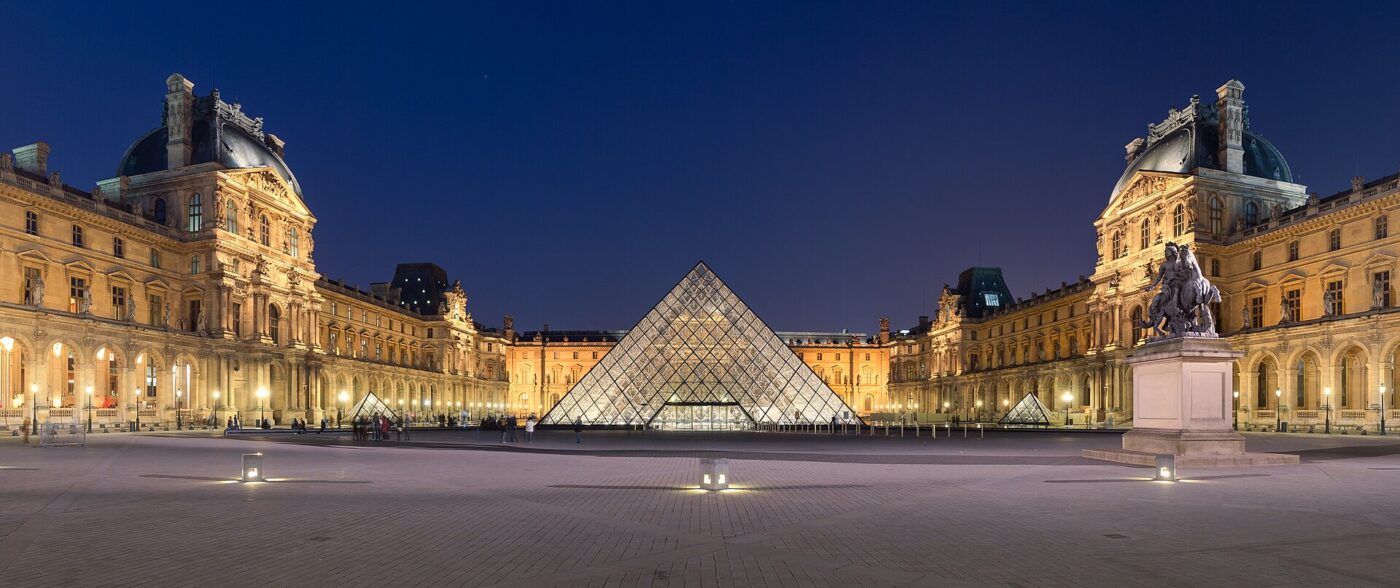
Today, adaptive reuse has become a cornerstone of historic preservation, allowing older buildings to meet contemporary needs while retaining the architectural character and history that make them irreplaceable. It’s a philosophy that has shaped countless buildings in Greenwich Village, the East Village, and NoHo, where some of our neighborhoods’ most beloved landmarks have found remarkable second lives.
The Louvre itself had served as a royal residence for centuries before the French Revolution transformed it into a museum open to all citizens. Rather than demolishing a symbol of the monarchy, revolutionaries re-imagined it. The building’s magnificent architecture was preserved, but its purpose was fundamentally changed. It was an early and powerful example of adaptive reuse on a monumental scale.
That same spirit can be found throughout our neighborhoods.
A Courthouse Becomes a Library

Just a few blocks from Washington Square stands one of New York City’s most celebrated examples of adaptive reuse: the Jefferson Market Library.
Completed in 1877, the building was originally constructed as the Jefferson Market Courthouse, a bustling civic complex that included courtrooms, detention cells, and a fire watchtower. By the mid-twentieth century, the courthouse had closed, and the building faced an uncertain future, with demolition a very real possibility.
Thanks to an extraordinary grassroots preservation campaign led by neighborhood residents, the building was saved and transformed into a branch of the New York Public Library. Since reopening in 1967, it has continued to serve the public in a new capacity while preserving one of Greenwich Village’s most distinctive architectural landmarks.
The Jefferson Market Library is a powerful reminder that historic buildings need not remain frozen in time. With vision and community support, they can be adapted to meet changing needs while retaining the character and craftsmanship that connect us to our past.
From Library to Theater: The Public
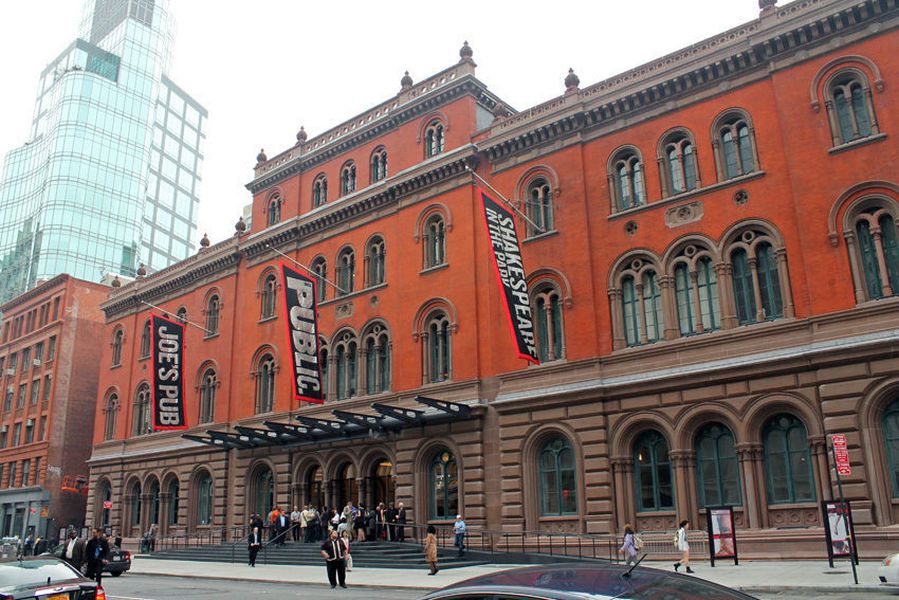
The Public
Perhaps the most dramatic example of adaptive reuse in NoHo is the building now home to The Public Theater at 425 Lafayette Street. Designed by Alexander Saeltzer, Griffith Thomas, and Thomas Stent, the complex was built in stages beginning in 1849 to house the Astor Library, one of New York’s earliest major reference libraries. The library was created to make books and knowledge available to the public, and its original reading rooms welcomed scholars and researchers for decades. After the Astor Library became part of the New York Public Library system, the building first served as an immigration processing center and then stood vacant, facing the threat of demolition. In 1965, however, the building found an extraordinary new life when theater producer Joseph Papp acquired it and transformed it into the home of what became The Public Theater. Architect Giorgio Cavaglieri, the architect behind the adaptive reuse of the Jefferson Market Library, re-envisioned the historic structure for performance while retaining its distinctive nineteenth-century character. The Public opened there in 1967, and its stages have since become synonymous with adventurous, accessible theater, premiering groundbreaking works including Hair and Hamilton. A building created to make knowledge accessible through books was given a new mission: making art and ideas accessible through theater.
Industrial Buildings Find New Life South of Union Square
The area South of Union Square offers some of New York’s most compelling examples of adaptive reuse. Its historic loft and commercial buildings were constructed in the late nineteenth and early twentieth centuries for manufacturing, publishing, warehousing, and other industries that once defined this part of Manhattan. As those businesses moved elsewhere, many of these large, flexible spaces found new purposes rather than being demolished.
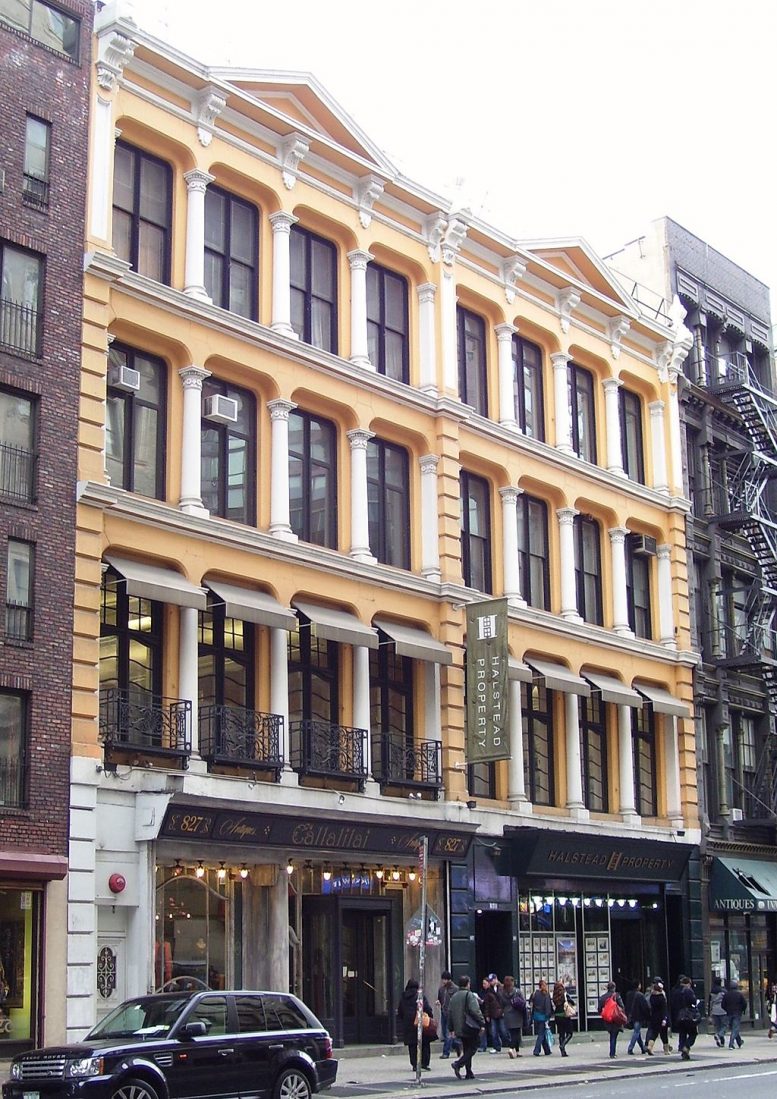
Today, former industrial buildings South of Union Square house offices, residences, restaurants, creative businesses, cultural organizations, and educational institutions.
827-831 Broadway offers an especially powerful example of why preservation and adaptive reuse go hand in hand. Village Preservation successfully fought to save the buildings from the wrecking ball, documenting their architectural significance as well as their important history as homes and studios for renowned artists, including Willem de Kooning.
Village Preservation is leading the effort to seek landmark and zoning protections for the area South of Union Square – roughly Third to Fifth Avenues, 14th to 9th Streets. This historic neighborhood faces demolitions and out-of-scale new development stemming in large part from the tech industry. You can join our efforts by sending a letter to elected officials in support of the proposed South of Union Square Historic District. It takes just a moment: click here.

Further south in the NoHo Historic District, 14 East 4th Street, originally constructed as a commercial loft building (The Silk Building), has been adapted for contemporary uses while retaining its historic character. Rather than allowing these historic loft buildings to be demolished, preservation ensured that they could continue to serve new generations while retaining the physical character and cultural history that make them significant.
Westbeth Artists Housing
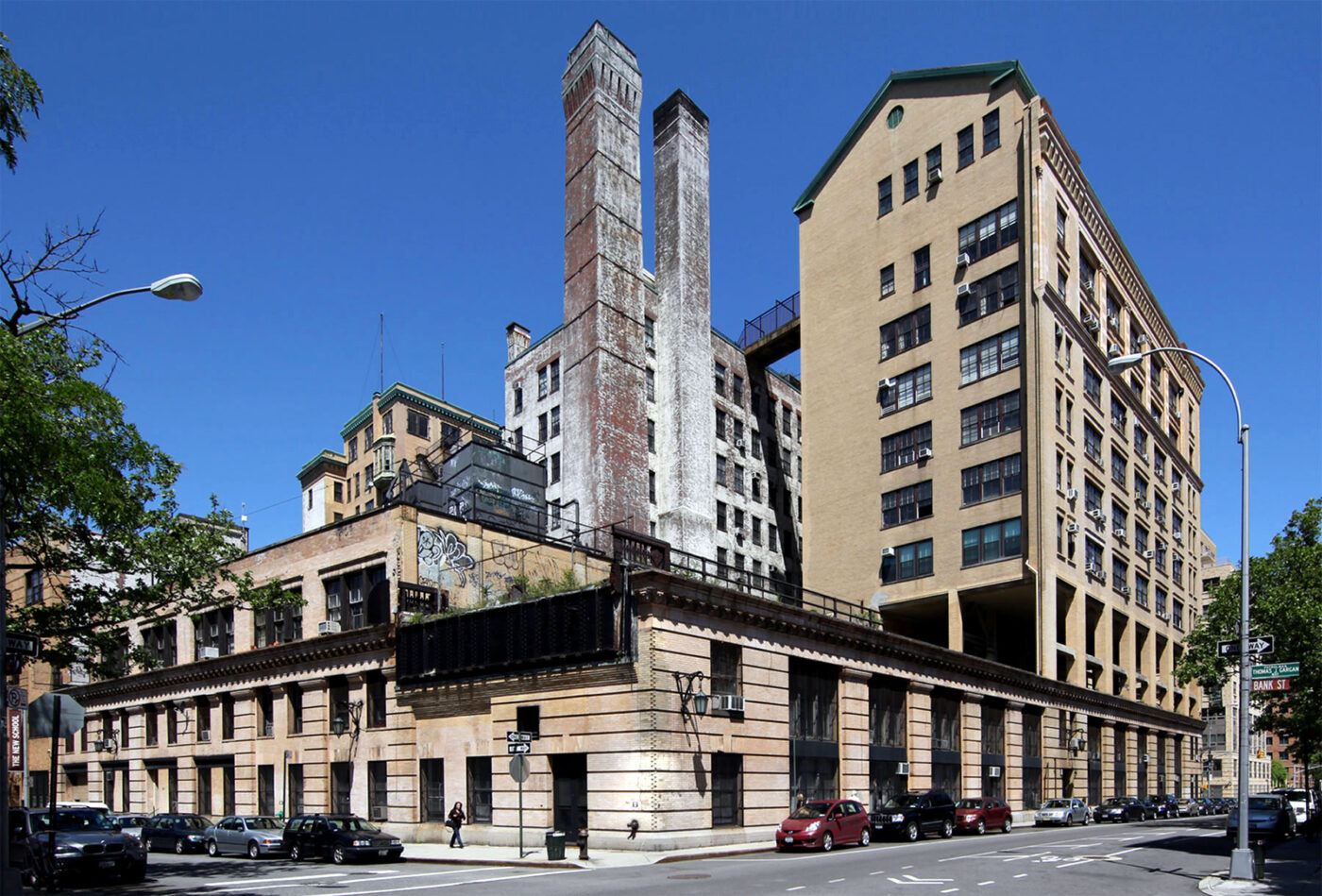
Westbeth Artists Housing is one of New York City’s landmark examples of adaptive reuse. The complex at 55 Bethune Street was originally built in the 1860s as the Bell Telephone Laboratories, one of the world’s great centers of scientific and technological innovation. In the late 1960s, the complex was transformed into affordable housing and studio space for artists, creating a new model for supporting New York’s creative community while preserving a remarkable collection of historic industrial buildings. Today, Westbeth remains home to artists and continues to embody the idea that historic buildings can evolve to meet the needs of a changing city without losing the character and history that make them special.
P.S. 122
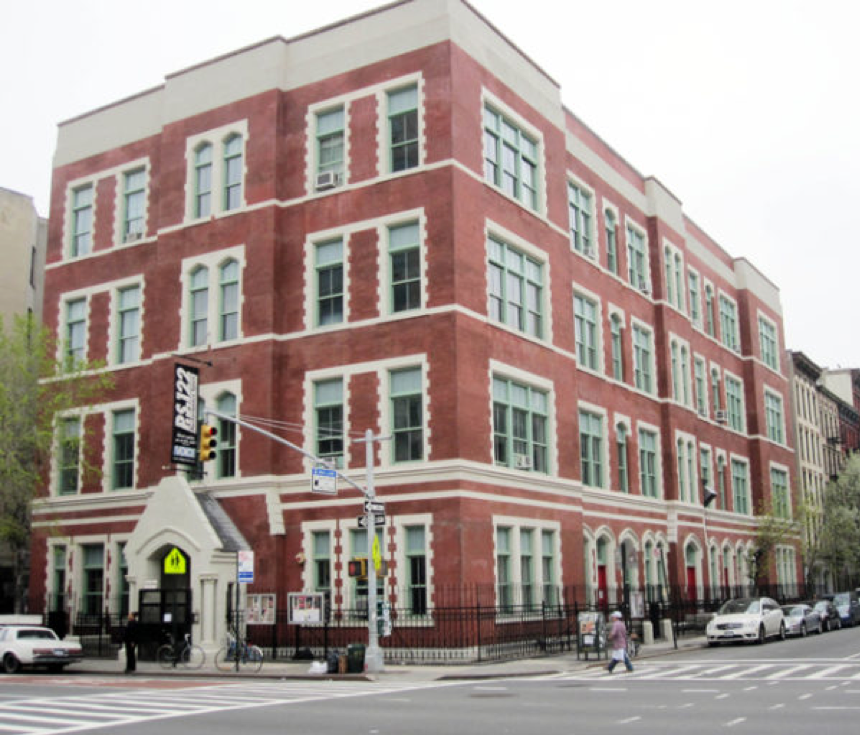
P.S. 122 (now Performance Space New York) offers another compelling example of adaptive reuse in the East Village. The former public school building at 150 First Avenue was converted into an arts center in 1979, giving new purpose to a building that had once served the neighborhood’s children. P.S. 122 became an influential home for experimental theater, dance, performance, and other forms of contemporary art, helping establish the East Village as an important center of New York’s downtown arts scene. Its transformation demonstrates how adaptive reuse can preserve the physical fabric of a neighborhood while allowing historic buildings to support entirely new communities and forms of cultural expression.
Preservation Makes Reuse Possible
Adaptive reuse is not simply about recycling buildings. It is about recognizing that historic architecture has lasting value and that thoughtful reinvention is often more sustainable, economical, and enriching than demolition and replacement.
Village Preservation has long advocated for preserving historic buildings while encouraging compatible new uses that allow them to thrive. Whether saving a courthouse by transforming it into a library, adapting industrial lofts into homes and studios, or protecting market buildings that continue serving new generations, these projects demonstrate that preservation and progress are not opposing forces.
More than 230 years after the Louvre welcomed its first visitors, its story continues to resonate. A building created to serve kings became a place dedicated to the public. Here in Greenwich Village, the East Village, and NoHo, countless historic buildings have undergone similar transformations, proving that preserving the past is often the best foundation for the future.