
Why So Ugly? New Designs Don’t Have to Be So Bad, But Too Often Are
It’s hard not to be struck by the low quality of the design of many new buildings in our neighborhoods and in New York City in general. The exceptions show that it’s not that hard to create good design, but too often developers just chose not to. And now we see city government doing the same.
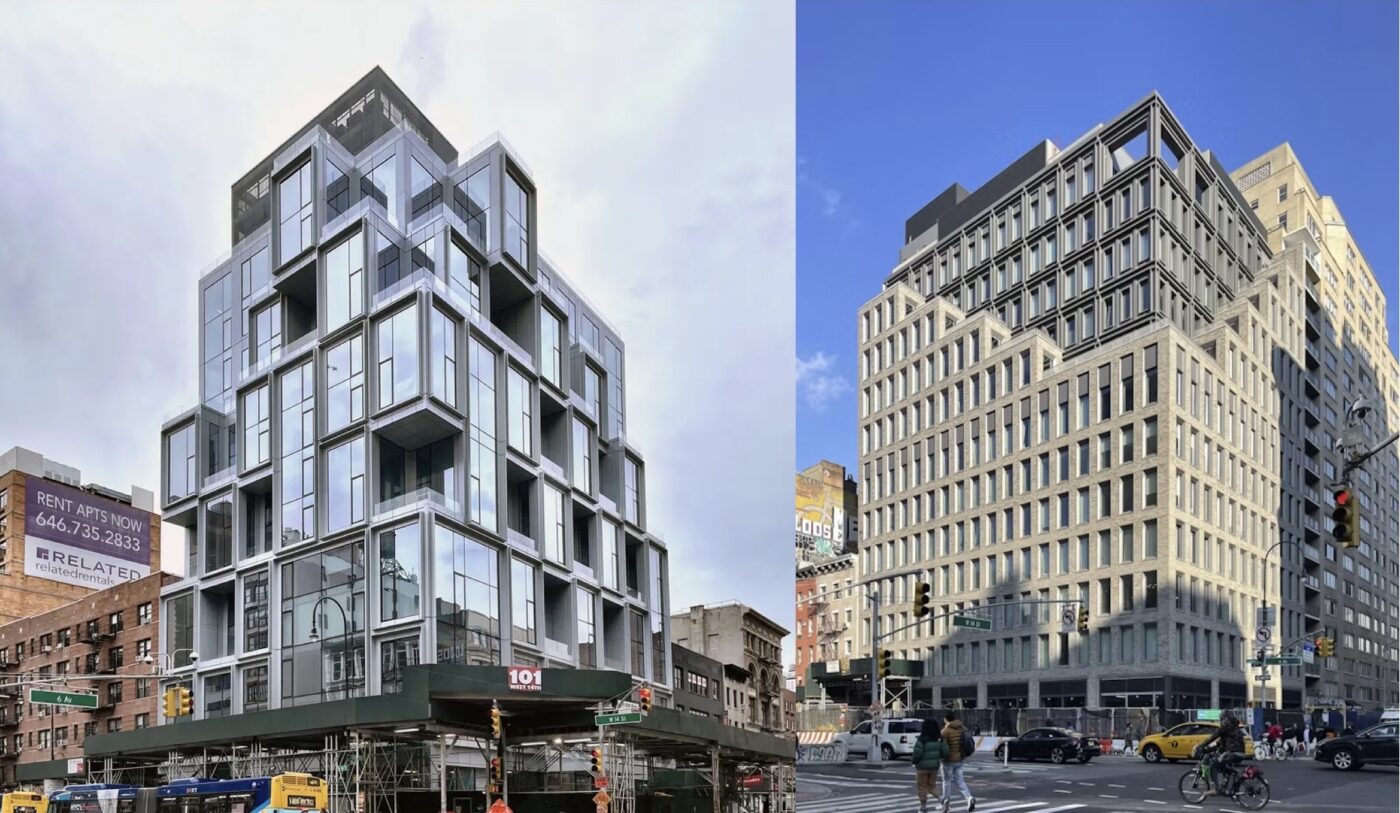
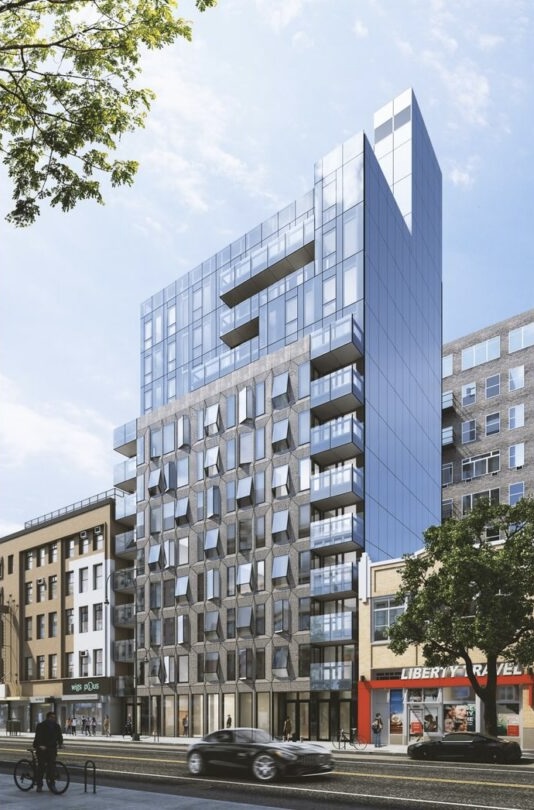
The corner of 14th Street and Sixth Avenue is a perfect example. On the two northern corners sit two relatively new buildings, 101 West 14th Street at the northwest corner, and another, inexplicably called “Forena,” at 540 Sixth Avenue, each seemingly competing for the prize of ugliest new eyesore in town. Both seem to peer into some dystopian future where architecture is designed by artificial intelligence, with prompts like “should stand out,” “look bold,” or “include dynamic architecture.” Unfortunately, a new addition coming just to its east at 31-35 West 14th Street looks to continue the trend, and possibly even up the stakes, with a design that looks like two completely different and unrelated ugly buildings sutured together in some botched architectural surgery.
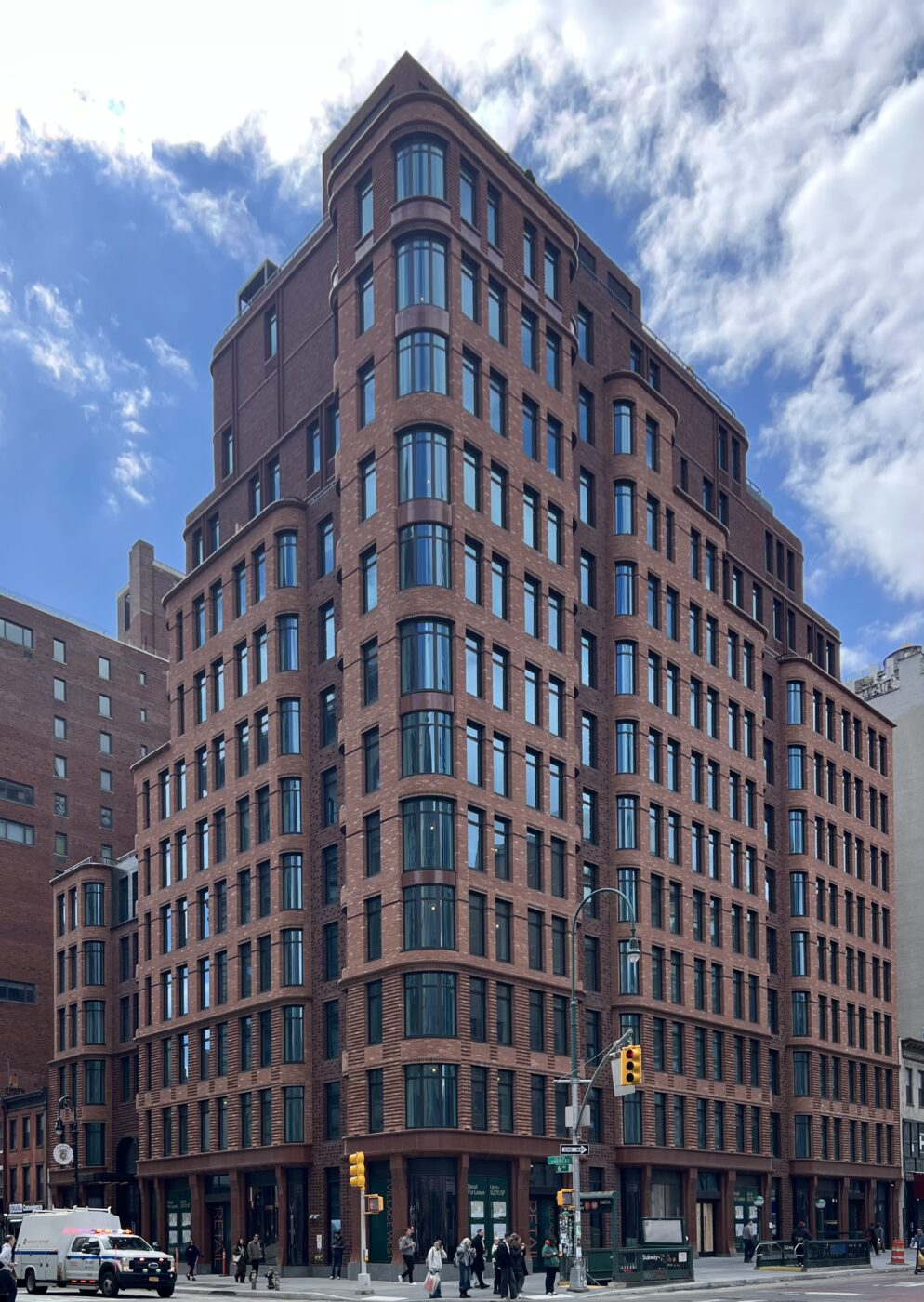
The reality is this sad state of affairs is not an unavoidable reflection of our times, but a choice being made by developers, and one all New Yorkers will likely have to live with for the rest of our lives, and likely our children’s and their children’s. Because just across the street, on the southwest corner of 14th Street and Sixth Avenue, a new development called “The Village West” shows that handsome architecture that looks like it belongs, rather than a punishment imposed for the collective thought crimes of local residents, isn’t really rocket science to create, and can be done at the same scale as the ugly stuff.
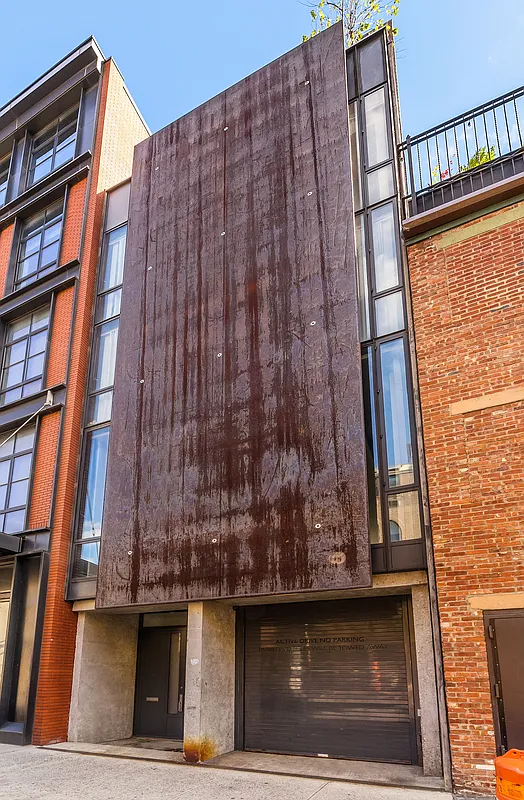
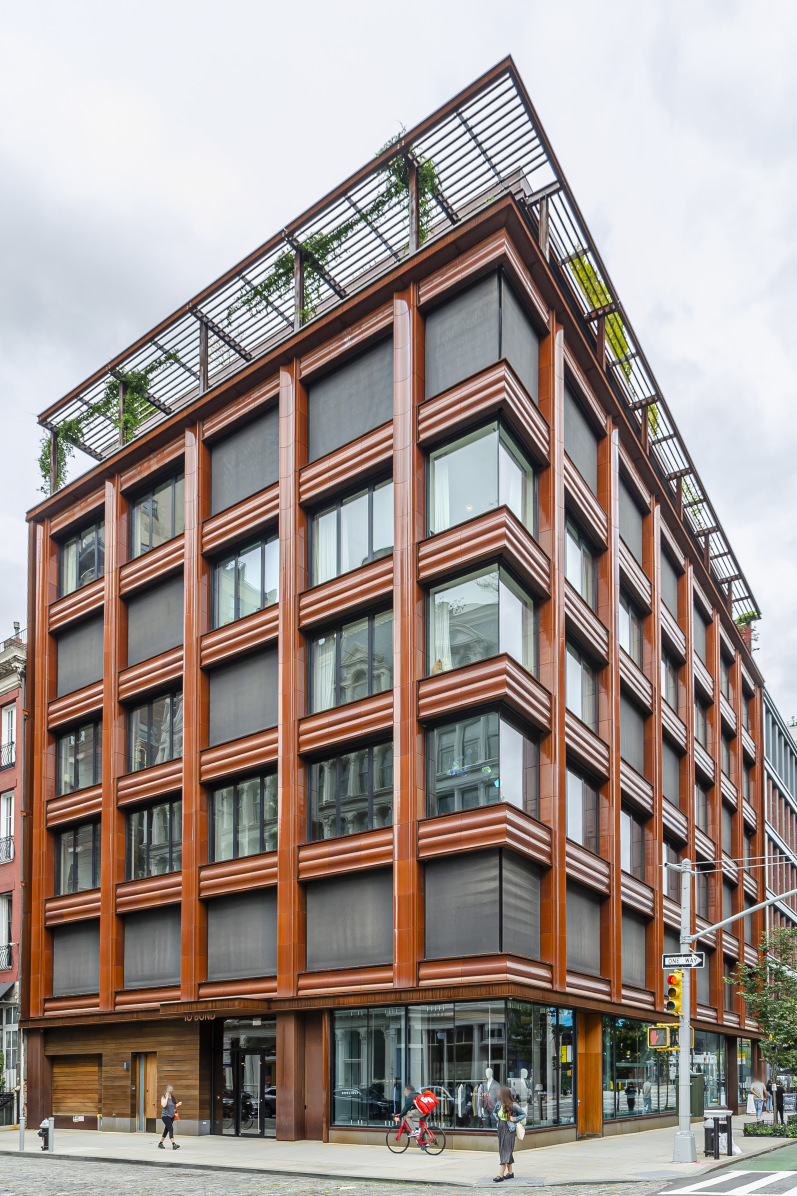
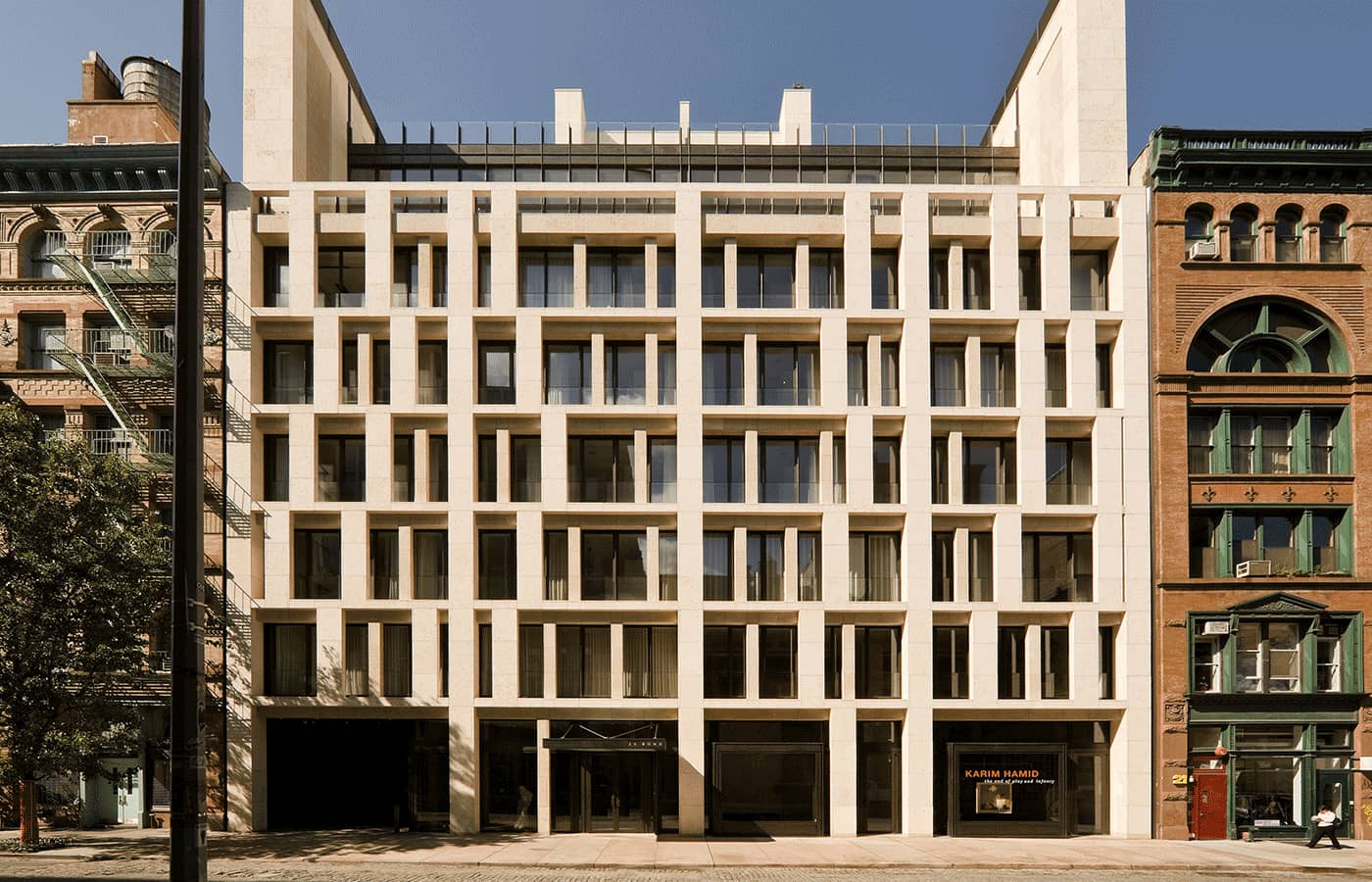
Lest anyone think this is as simple as choosing historic materials and designs over “modern” ones (I’m not sure which school of modern architecture would want to claim these 14th Street oddities, and The Village West certainly references but nevertheless differs from classic models), there are notable exceptions to this rule of ugly new design in contemporary styles too. Village Preservation supported approval of the very contemporary design for 829 Greenwich Street (even arguing against later applications to destroy the original design), and we’ve had praise for contemporary designs like Nos. 25 and 10 Bond Street, the latter of which, like 829 Greenwich Street, had to gain approval from the Landmarks Preservation Commission (unlike 25 Bond and all four buildings described previously on 14th Street).
Which is why the Landmarks Preservation Commission’s (LPC) recent decision to approve the design for 375 Lafayette Street, just around the corner from 10 and 25 Bond, is particularly disappointing. It’s clear that we can design and build in ways that contribute positively to our sense of place and relate well to historic surroundings — whether through references to classic styles and forms, or contemporary designs that capture the same qualities of proportion and rhythm and materiality that make buildings stand the test of time.
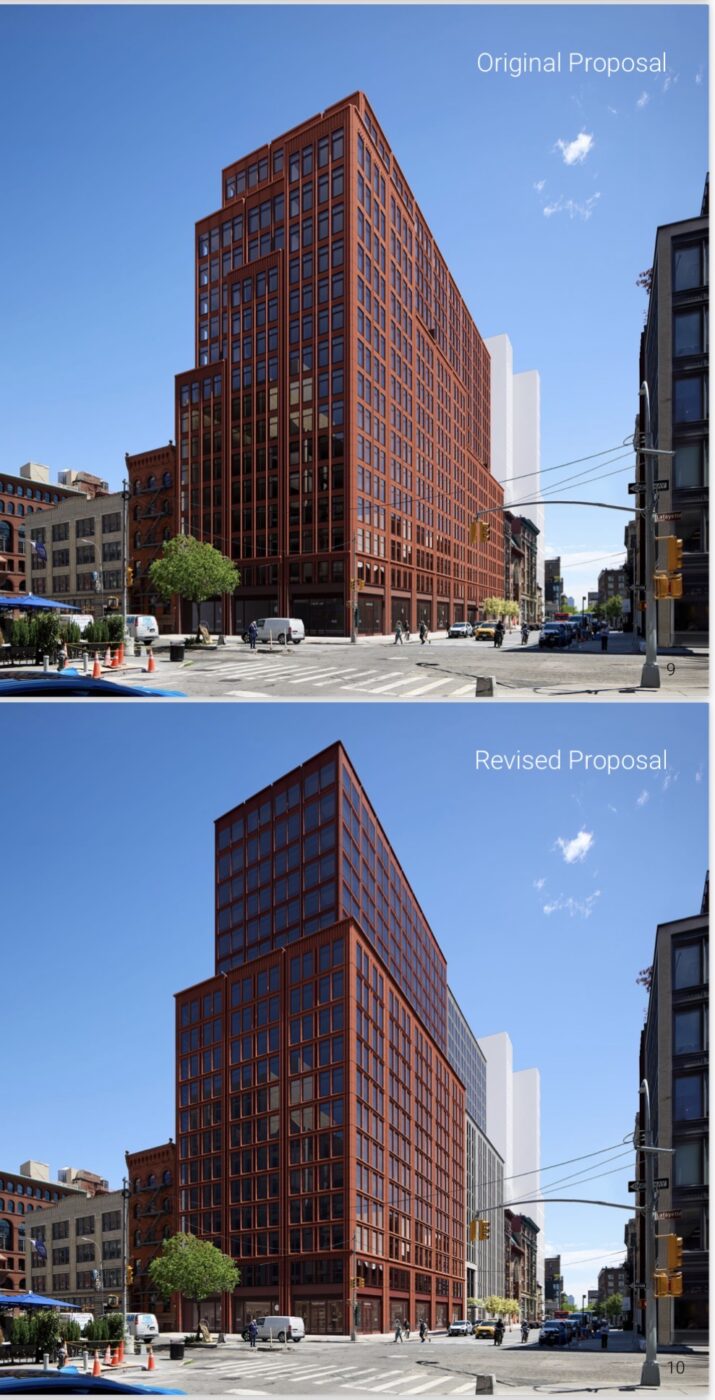
Unfortunately, that’s not what happened here. Perhaps even more disappointingly, the LPC approved a revised version of the design, which was arguably worse than the first one (except in terms of improvements to the large rear and side secondary facades), which they required the applicant to work on and improve. We started with a design that was huge, overbearing, monotonous and dull, and arguably ended up with one that may have been even more so on its primary facades along Lafayette and Great Jones Streets.
The question is why, given that better was eminently possible. Let me first say that clearly this is all a matter of opinion, and as the old saying goes, one person’s meat can be another’s poison. Maybe this plodding design that looks like four disjointed pieces stacked next to and on top of one another will one day become a classic, beloved by architecture fans and average New Yorkers. Stranger things have happened, and I don’t own a crystal ball. But I do think we have a responsibility to do our best job to make what looks like good design now, and then let time and taste have its way with it.
Here however I believe what happened was the LPC ultimately abdicated their primary responsibility, which is to ensure the historic character of designated sites and districts are preserved, including in designs for new construction. This was a parking lot, so whether or not one could get approval to build something here was never in question. What was it what it should look like, and it seemed the LPC was uncomfortable standing up for and insisting upon good design that’s appropriate for its surroundings, and more concerned with the City’s desire to cite numbers of new housing units (even super expensive ones, as most of these will be, with the remainder termed “affordable” and yet most will paradoxicially be unaffordable for the majority of NYC renters whom they are supposed to house).
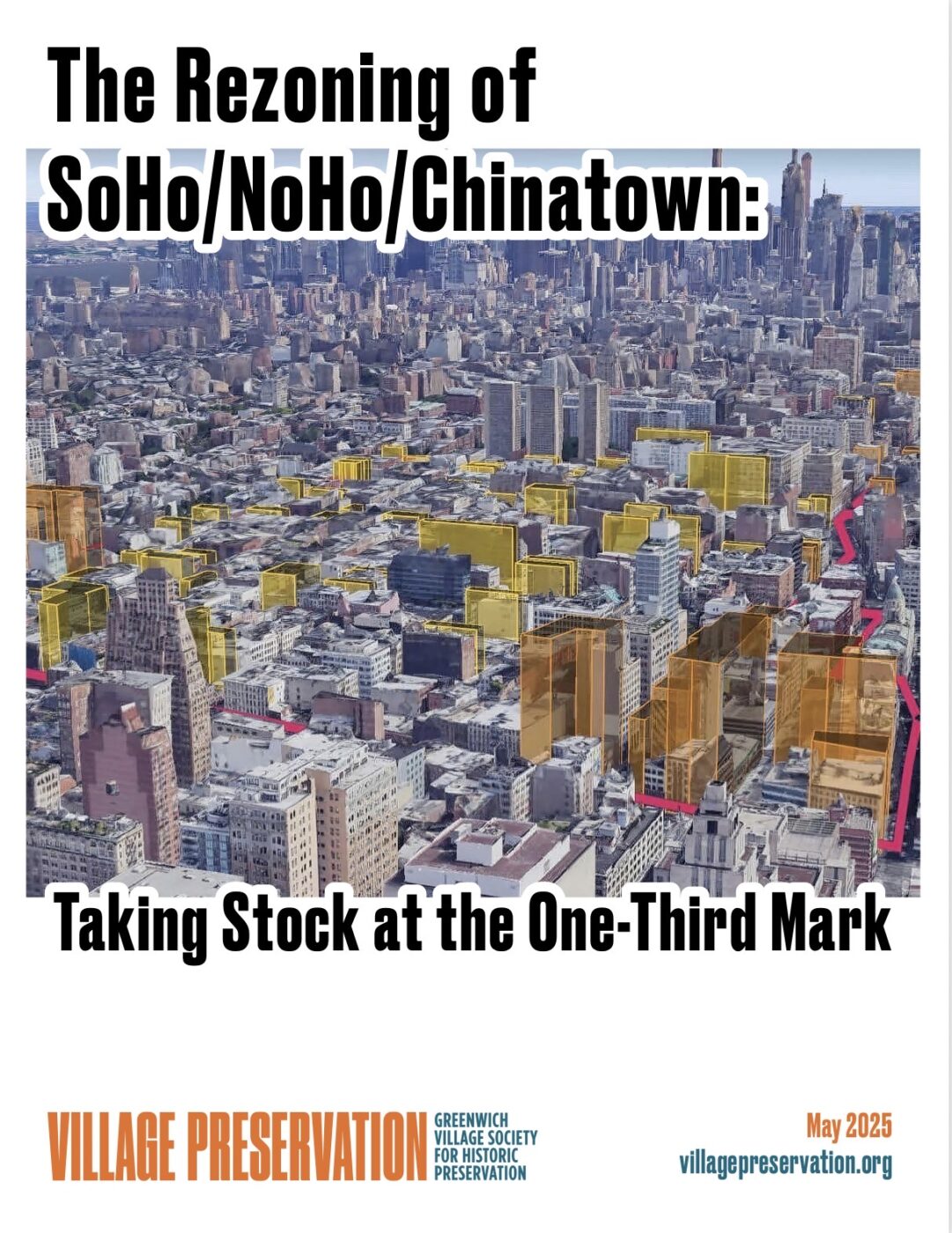
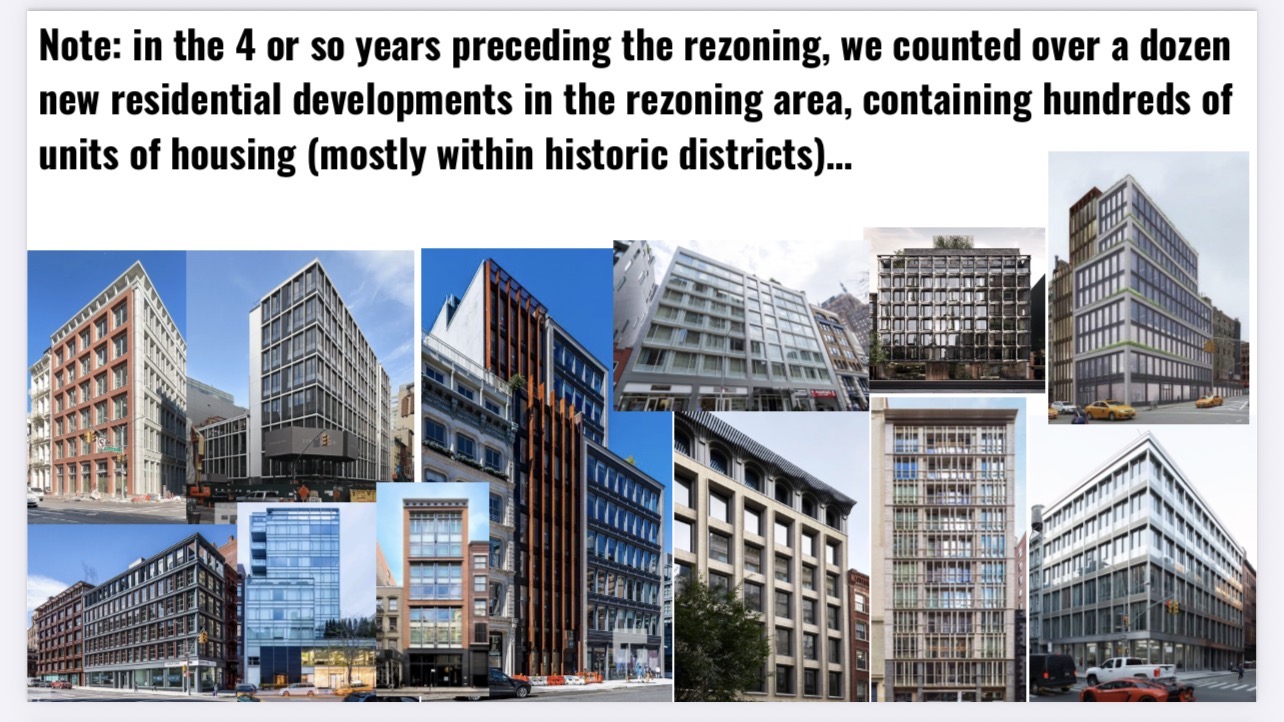
More directly, it seems there has been a push to be able to claim that the 2021 SoHo/NoHo rezoning is a success, even though it has already resulted in the destruction of multiple units of existing affordable housing, luxury commercial development where housing was promised, and super-luxury single-family mansions and residential developments with no even purportedly “affordable” housing whatsoever. Nearly halfway through the ten year period at the end of which the City promised nearly 2,000 units of housing would be built, including around 500 “affordable” ones, not a single unit of new housing, “affordable” or otherwise, has been built (even as the city has had record years for housing construction overall), though the above-mentioned plans for super-luxury housing which the City claimed would never happen here are in fact in-process (it should be noted that in the years before the rezoning, with the neighborhood’s old zoning which the city claimed made it impossible to build new housing, more than a dozen developments were built and approved). Read more about this HERE.
Anxious to change that narrative, it seems clear the directive came down from City Hall to the members of the Landmarks Preservation Commission, all of whom serve at the appointment of the Mayor, that numbers mattered more than anything, and that standing in the way of approval — even if it was due to the applicant failing to do the entirely possible, which was make a more sympathetic and appropriate design — was not an option (it should be noted that the two commissioners who voted against approval were not appointed by the current Mayor, and are considered unlikely to be reappointed by him).
The lesson here, looking at good new designs both inside and outside of landmarked areas, as well as bad ones, is that good new design is entirely possible, and in no way incompatible with modern and even large-scale new construction (though to be clear, scale matters, and a harmonious relationship to surroundings is key to good design). But all too often developers don’t prioritize it, and now we’re also seeing even our public agencies like the Landmarks Preservation Commission, which is supposed to staunchly defend it, will readily abandon it when other agendas take precedence.
But this doesn’t have to be a binary choice. Developers can make new buildings pencil out with good architecture. And the Landmarks Preservation Commission can ensure new housing is built in historic districts while standing firm in their insistence upon appropriate designs. Both big real estate and city government should be able to walk and chew gum at the same time. The question is, will they?
101 West 14 Street is as abominable as they come; but 540 Sixth Avenue is pretty tolerable. The Village West is very well done. 25 Bond Street might be interesting in another context, but it is otherwise out of place.