
Louise Bryant and the Unruly Freedom of Greenwich Village
Greenwich Village did not teach Louise Bryant to rebel. She arrived already fluent.
At the end of 1915, she left Portland, Oregon, and a marriage that could no longer hold the size of the life she wanted. She came east for journalism, for John Reed, and for the possibility of living without asking the old world to approve.
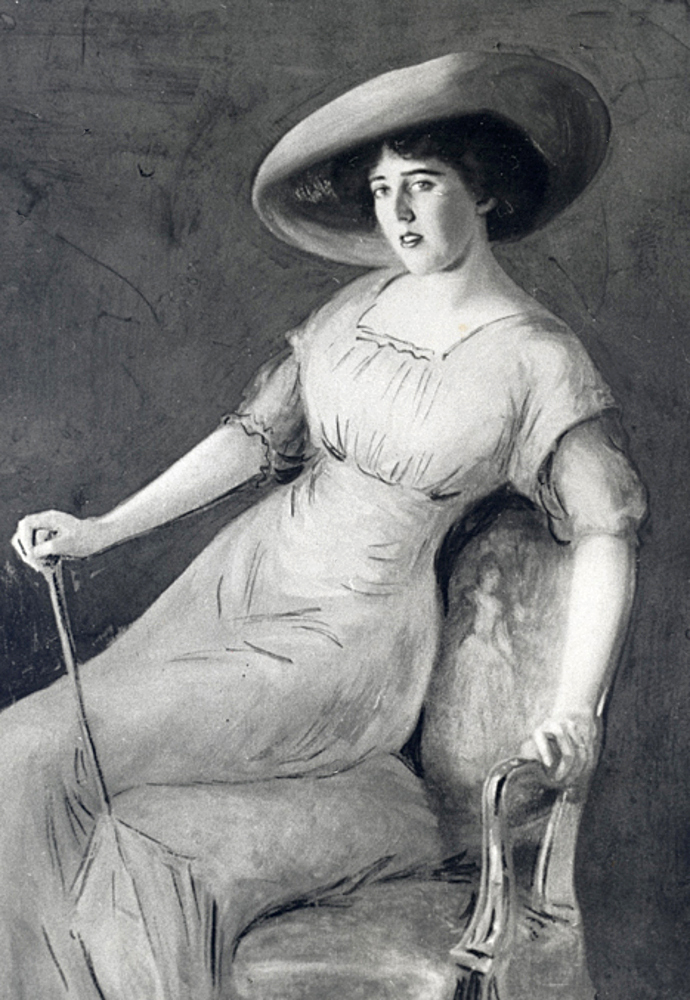
It was not a clean beginning. Bryant was not a clean story. Desire, ambition, courage, contradiction — she carried all of it into Greenwich Village.
Records place Bryant and Reed at 43 Washington Square South (demolished), between MacDougal and Sullivan Streets, in 1916. The address matters. History has a habit of turning women into atmosphere, especially when they stand beside famous men. Bryant was not part of the scenery. She was in the room with a desk of her own.
Oregon Before the Village
Louise Bryant was born Anna Louise Mohan in San Francisco on December 5, 1885. She later took the surname of her stepfather, Sheridan Bryant. After studying at the University of Nevada, she transferred to the University of Oregon in 1906 and graduated with a degree in history in January 1909.
Portland gave her an early stage. She wrote poetry, drew illustrations, worked in theater, freelanced for The Oregonian, and became a society columnist and illustrator for the Oregon Spectator. She also sent work to radical publications, including The Masses.
On November 13, 1909, she married dentist Paul Trullinger. She continued using Bryant, maintained her own studio, and resisted the smaller life that marriage was expected to build around a woman. Their home became a gathering place for artists and radicals. Emma Goldman and Alexander Berkman came through. Radical ideas did not arrive in whispers. They came to dinner.
Bryant was drawn deeper into the suffrage movement through activist Sara Bard Field. On May 8, 1912, she was elected recording secretary of the Oregon branch of the College Equal Suffrage League. She traveled through Oregon with Field and activists Emma and Clara Wold, giving speeches and lectures in support of voting rights for women.
That June, Bryant appeared on the league’s suffrage float during Portland’s Rose Festival and Flag Day celebrations. Oregon had already rejected women’s suffrage five times. In November 1912, the sixth campaign finally succeeded, with 61,265 votes in favor and 57,104 against.
The ballot was won in Oregon. Bryant did not mistake one victory for the end of the work.
A Room at 43 Washington Square South
Bryant left Portland on the final day of 1915 and arrived in New York at the beginning of January 1916. She had fallen in love with Reed, but romance was only part of the crossing. New York offered the work she wanted. Greenwich Village offered a place where a woman might live outside the approved arrangement and still find company.
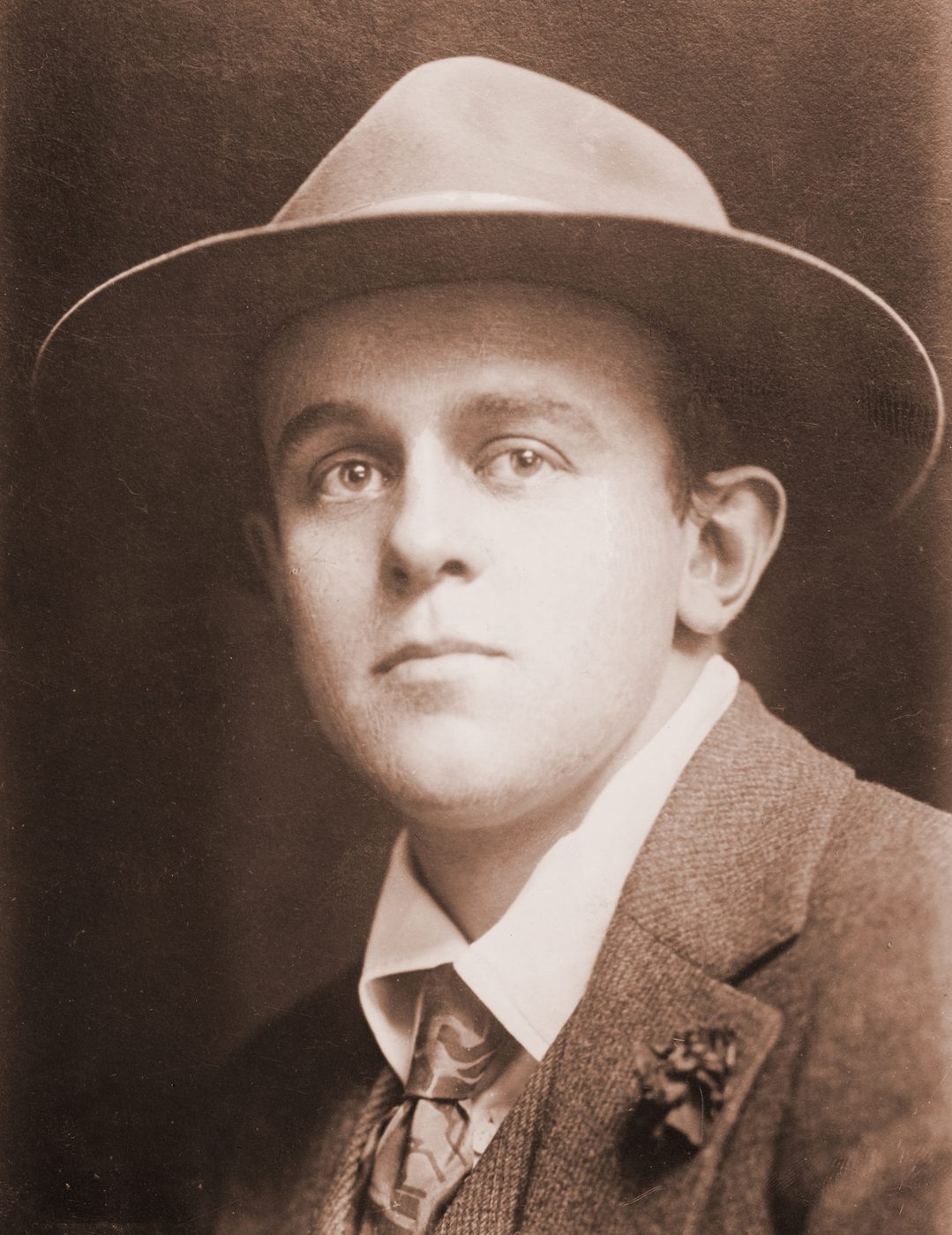
Reed had planned to rent Bryant a separate room near his apartment at 43 Washington Square South. Instead, she moved in with him. They were not yet married. The Village hardly blinked.
Inside the apartment, they kept separate workrooms with a hallway between them. That hallway says almost as much as the romance. Two writers. Two ambitions. Two doors.
Reed would later be associated with 1 Patchin Place, where he reportedly worked on Ten Days That Shook the World. But 43 Washington Square South is the address most strongly connected to Bryant’s first months in the Village, when she began forcing her way into New York journalism under her own name.
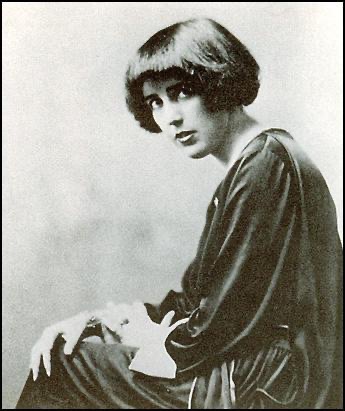
Women Who Would Not Behave
Bryant entered a neighborhood already alive with argument.
At Heterodoxy, the feminist club founded by Marie Jenney Howe in 1912, women gathered for lunch at Polly’s Restaurant, then located at 135 MacDougal Street, just around the corner from her home. The only requirement for membership was an unwillingness to be orthodox. Its circle included labor organizers, lawyers, writers, artists, and suffragists, among them Inez Milholland, Crystal Eastman, and Mary Heaton Vorse.
These women did not agree about everything. That was the point.
Emma Goldman, who had lived at 208 East 13th Street, argued that the vote alone could not free women from economic dependence, sexual repression, or the violence of the state. Bryant had already known Goldman in Portland. In the Village, she found an entire geography of women who treated disagreement as a form of devotion.
They were not asking to be admitted politely into the old world. They were trying to build another one.
The Page and the Stage
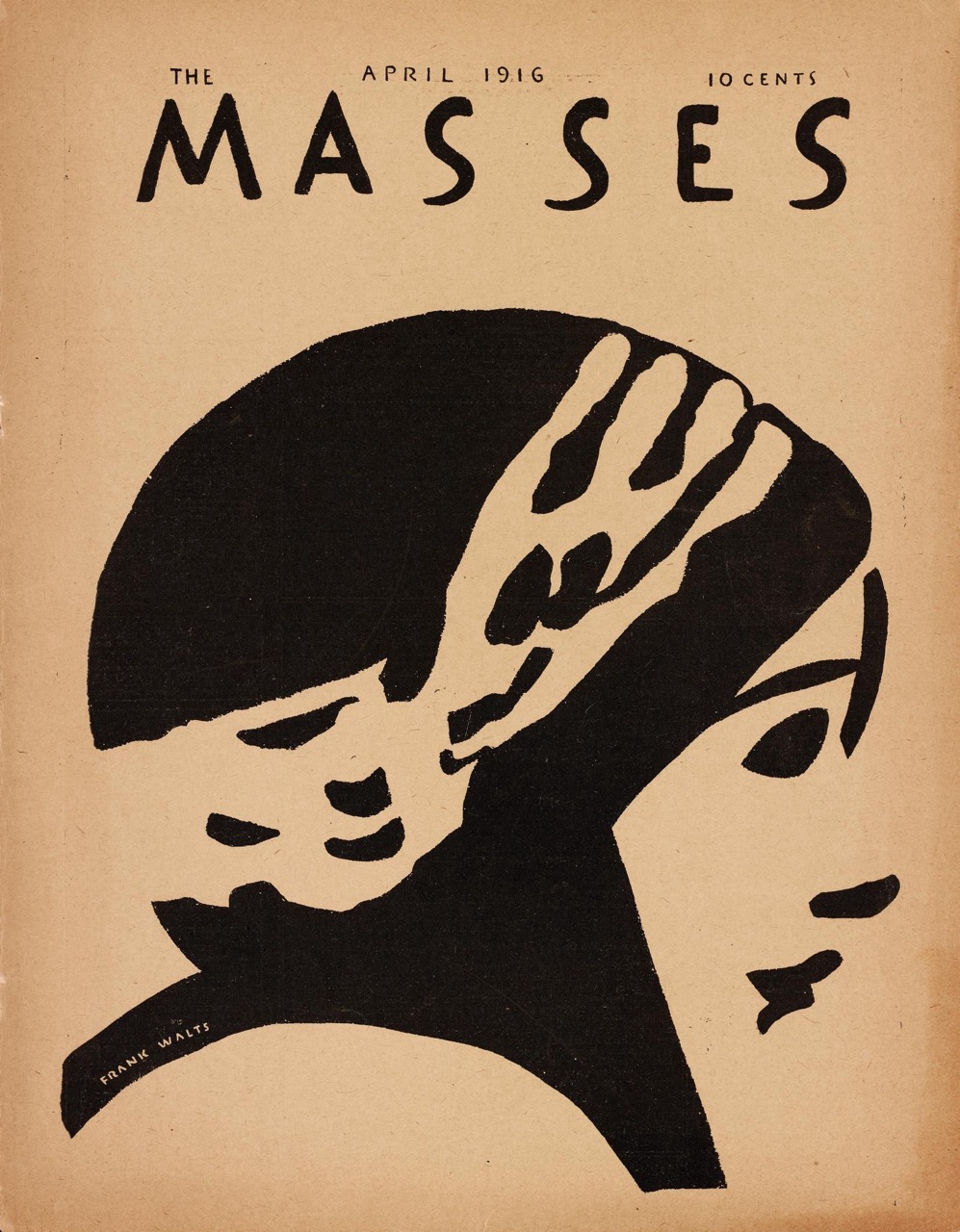
Four months after leaving Oregon, Bryant published “Two Judges” in the April 1916 issue of The Masses. The socialist magazine operated from 91 Greenwich Avenue between 1913 and 1917, publishing political writing, fiction, poetry, and art that challenged war, labor exploitation, censorship, and the policing of women’s lives.
Bryant also found another language in theater.
During the summer of 1916, the Provincetown Players staged her one-act play, The Game, on the same bill as Eugene O’Neill’s Bound East for Cardiff. Later that year, the company established a Greenwich Village stage at 139 MacDougal Street. In 1918, it moved just a couple of doors south to the former stable at 133 MacDougal Street that became known as the Provincetown Playhouse (both locations were around the corner from Bryant’s home on Washington Square South just off MacDougal Street; more about the Playhouse HERE).
The rooms were small. The ideas were not.
Bryant and Reed married on November 9, 1916. By then, she was no longer simply the woman who had followed him from Oregon. She was publishing, writing plays, moving through feminist circles, and making a place for herself among the Village radicals who believed art should disturb the furniture.
She Went Where History Was Breaking Open
In 1917, Bryant reported from wartime France. That August, she and Reed traveled to Petrograd, arriving as the Russian Revolution entered its most decisive months.
Bryant attended political meetings, moved through soldiers’ quarters and public dining halls, and interviewed figures across the revolution. She paid particular attention to women whose power was easily reduced or ignored by other correspondents, including Catherine Breshkovsky, Maria Spiridonova, Alexandra Kollontai, and the women serving in Russian military units.
Her reporting became Six Red Months in Russia, published in 1918, before Reed’s Ten Days That Shook the World appeared the following year.
For too long, Bryant’s work has been treated as a smaller moon circling Reed’s achievement. The pages tell another story. She was watching with her own eyes. Choosing her own subjects. Writing her own revolution.
From the Suffrage Float to the District Jail
Bryant’s fight for voting rights did not remain in Oregon.
In February 1919, while in Washington, D.C., she joined a National Woman’s Party Watchfire demonstration outside the White House. Protesters burned an effigy of President Woodrow Wilson, condemning his failure to secure the federal suffrage amendment.
Bryant was arrested and sentenced to five days in the District Jail. She served three days and joined other imprisoned suffragists in a hunger strike.
Seven years earlier, she had ridden through Portland on a decorated suffrage float. Now the fight had carried her to a jail cell.
History rarely moves in a straight line. Sometimes it marches. Sometimes it starves. Sometimes it sits behind bars and refuses to apologize.
The Name in the Body of the Page
John Reed died of typhus in Moscow in 1920. Bryant continued working as an international correspondent, reporting from Russia, Turkey, Hungary, Greece, Italy, and other parts of Europe and the Middle East. Her second book, Mirrors of Moscow, was published in 1923.
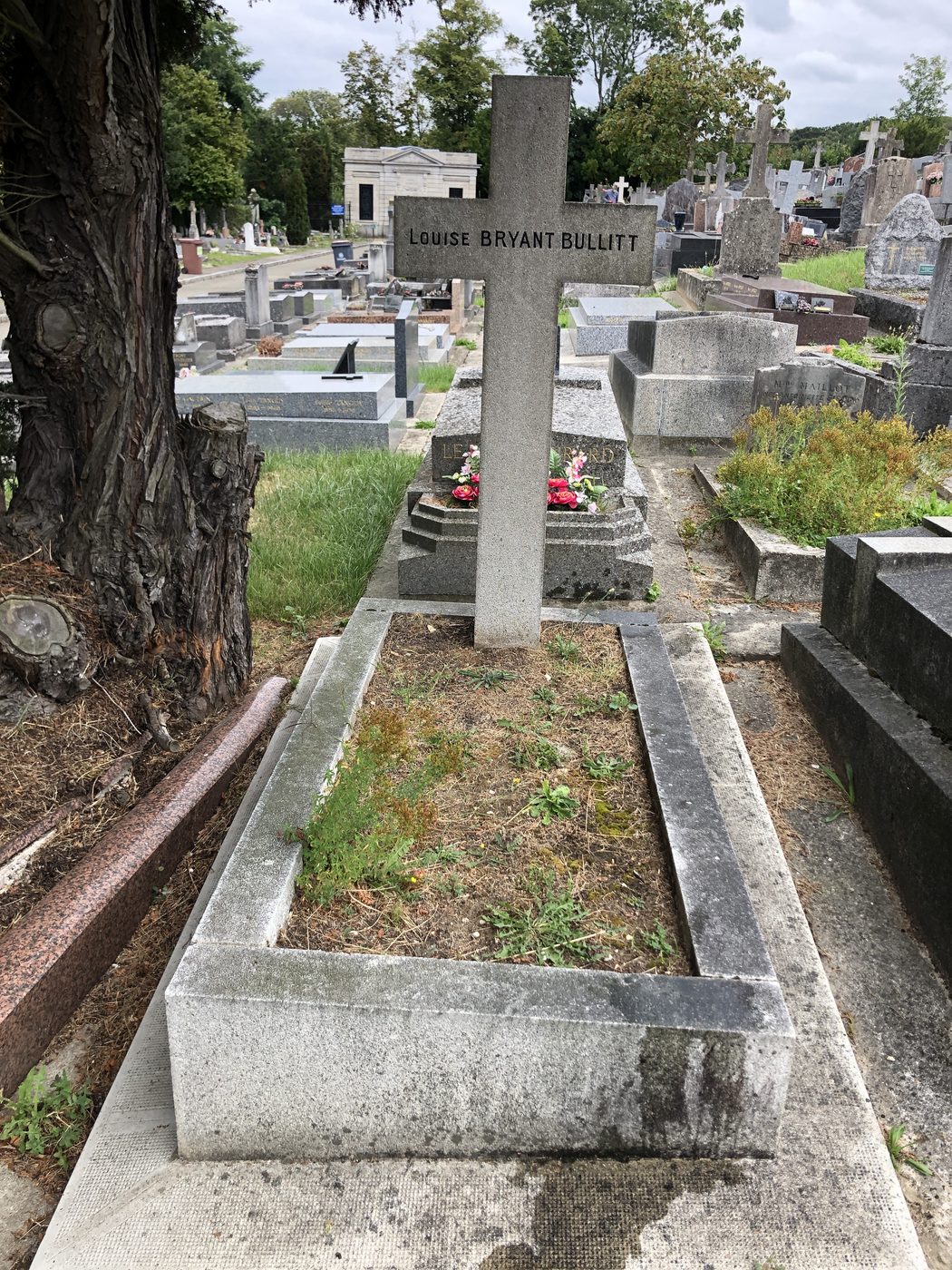
Her final years were marked by illness and personal collapse. She died in Sèvres, France, on January 6, 1936, at the age of fifty.
A life does not have to end cleanly to have mattered.
Bryant’s Village story remains inside a collection of addresses. A room at 43 Washington Square South. A magazine office at 91 Greenwich Avenue. A lunch table at 135 MacDougal Street. A stage at 139 MacDougal Street. Goldman’s apartment at 208 East 13th Street.
Some of these buildings survive. Others have been erased. The streets remain, holding the evidence of people who tried to live before permission caught up with them.
Preservation is not nostalgia. It is the refusal to let the city be edited until only the powerful remain.
Louise Bryant was not a footnote to John Reed. Her name belongs in the body of the page.
Explore Village Preservation’s Women’s Suffrage History Map to discover more of the people and places that carried the fight for equality through Greenwich Village, the East Village, and NoHo.