
The Sound of South of Union Square
Some of New York’s music history happened in rooms you could walk past without knowing what they held. South of Union Square, musicians found places to listen to one another, take chances, and develop their craft.
Village Preservation’s South of Union Square map puts those stories back on the street. Its Music Tour connects the neighborhood’s musical history to the places where it happened. Here are three stops worth knowing.
Bradley’s
70 University Place
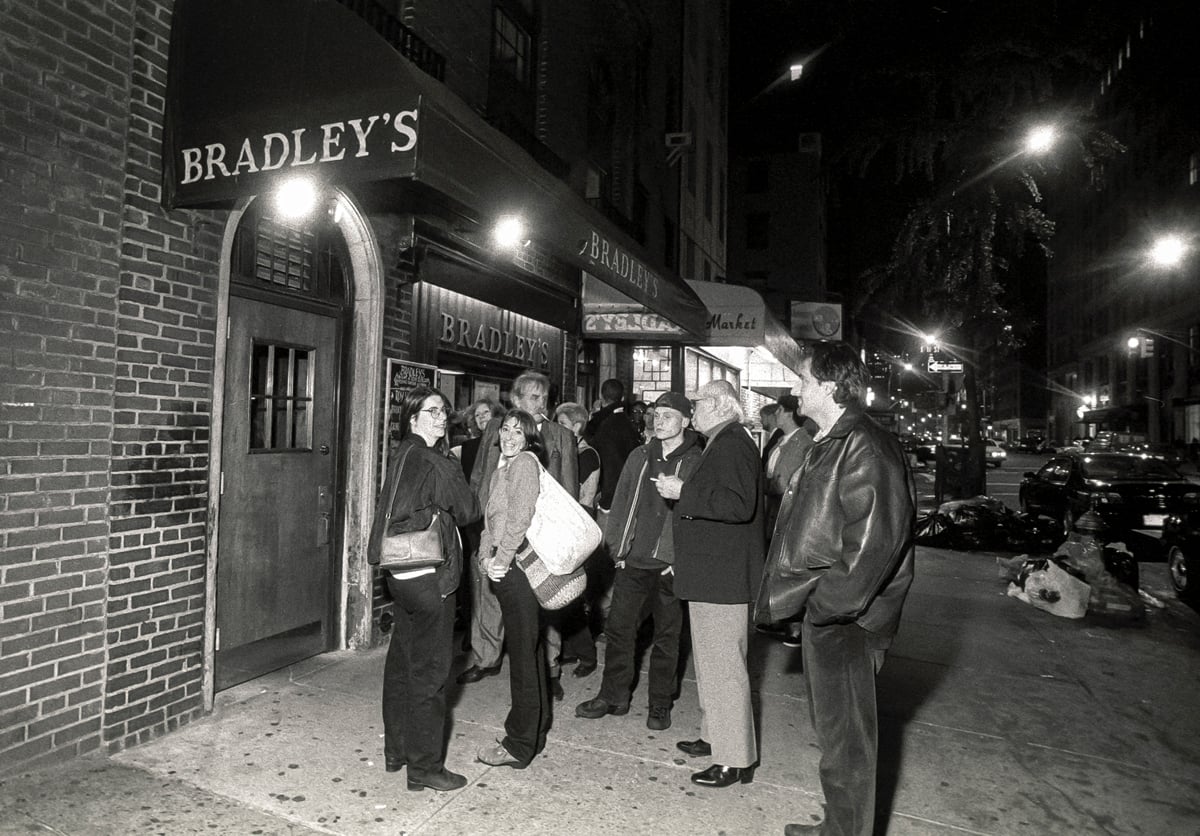
Bradley Cunningham opened Bradley’s in 1969, and it remained a jazz gathering place until 1996. With just 15 tables and 20 barstools, it offered an intimate setting for musicians including pianists Kenny Barron, Tommy Flanagan, and Hank Jones.
One of its treasures was a Baldwin grand piano left to Cunningham by saxophonist Paul Desmond, on the condition that it be used in the club. In a JazzTimes oral history, musicians remembered coming to Bradley’s after their own gigs to listen, talk, and spend time together.
The room gave musicians a place to keep learning from one another long after their own sets were over. That kind of education depends on people having somewhere to gather.
Apostolic Studios
53 East 10th Street
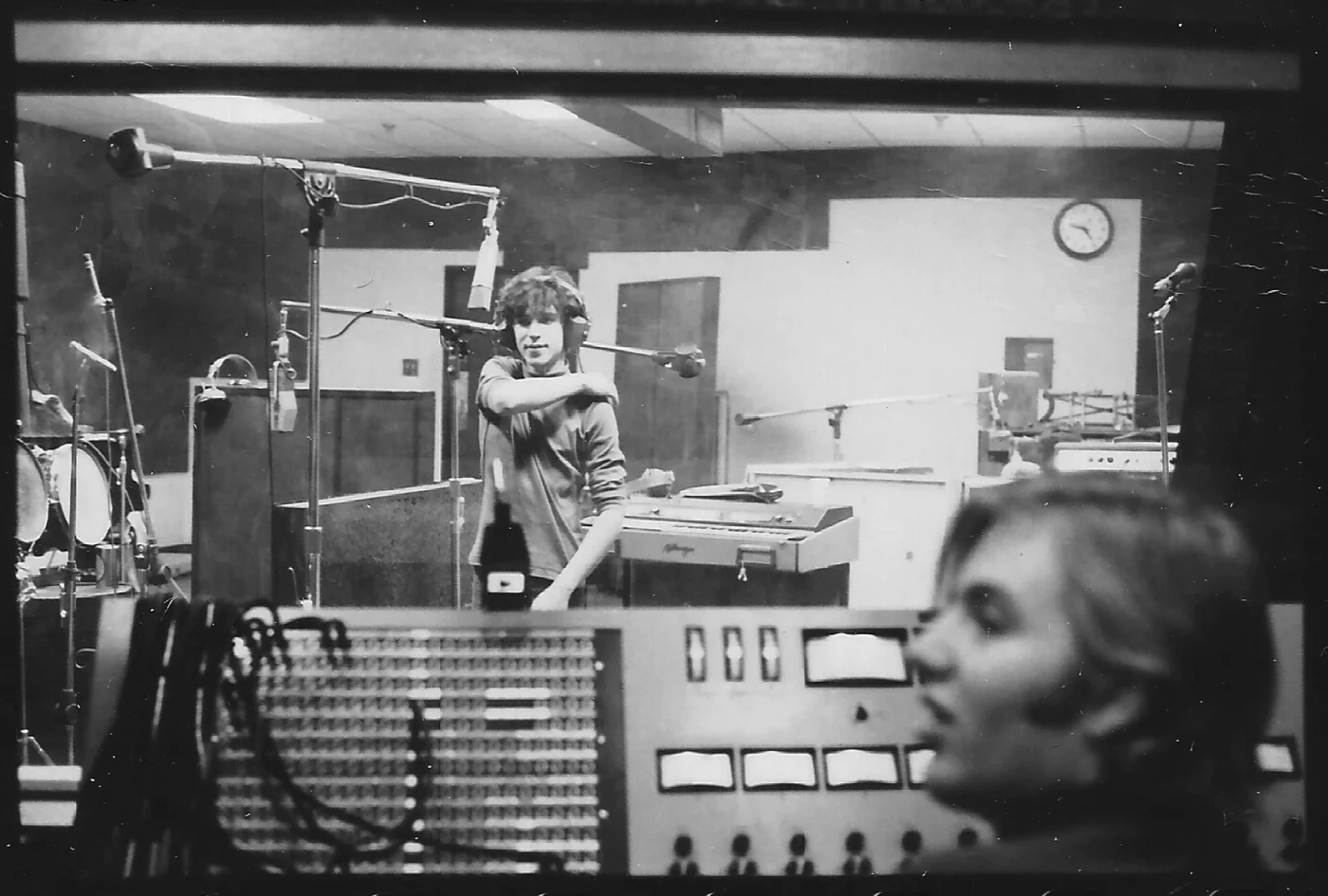
John Townley opened Apostolic Studios in the spring of 1967. He wanted a recording studio where musicians felt comfortable experimenting and could take a more direct role in using the equipment. He later recalled that it was fully booked within three months.
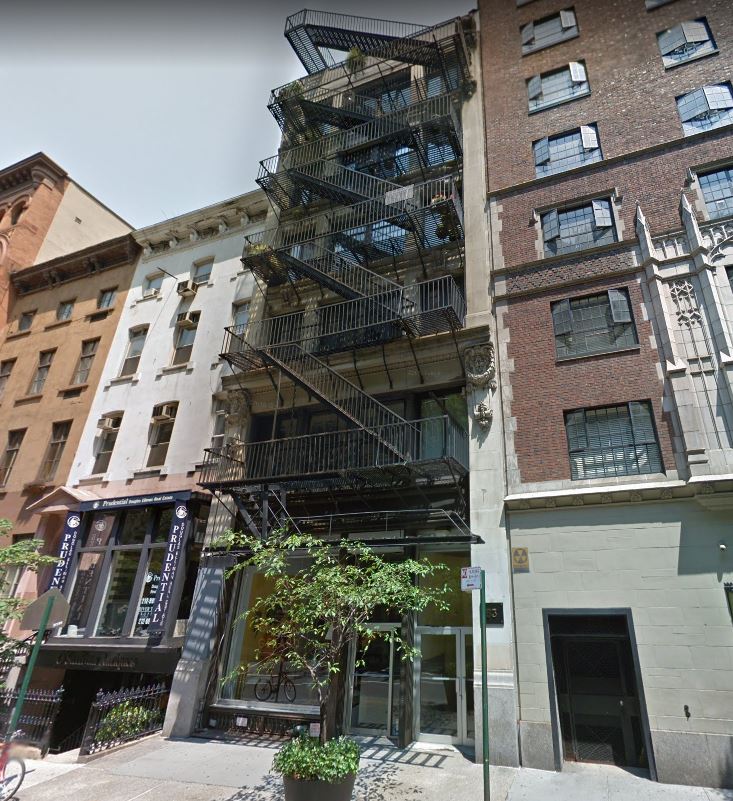
Even getting upstairs had personality. In Townley’s account, visitors encountered a freight-elevator operator in Viking costume and an elevator shaft decorated with psychedelic murals.
Frank Zappa and the Mothers of Invention worked here on Uncle Meat, released in 1969. Zappa’s original liner notes describe musicians building orchestral textures by layering performances on tape. The studio’s technology helped them take their ideas further.
Behind those strange new sounds were people playing, listening, and deciding what to try next.
The Palladium
126–138 East 14th Street
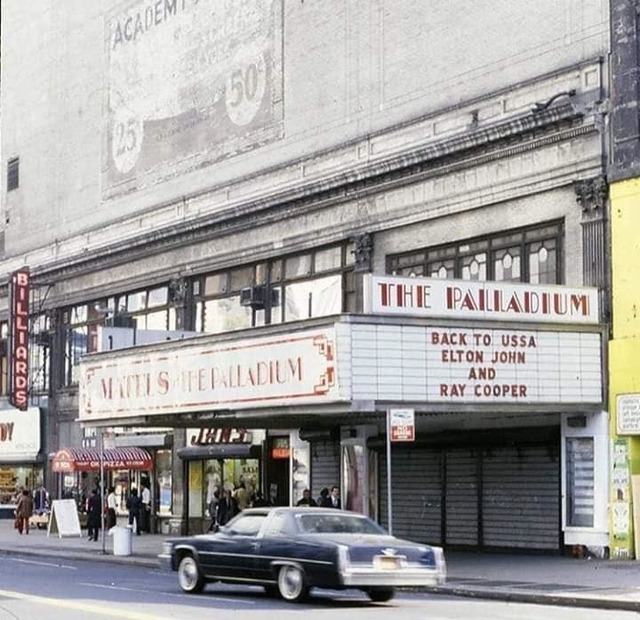
Previously known as the Academy of Music, the venue reopened as the Palladium in September 1976, with a concert by The Band. Its concert history included performances by Patti Smith, the Ramones, and Bruce Springsteen.
In September 1979, the Clash’s Paul Simonon smashed his bass onstage here. Photographer Pennie Smith captured the moment, and her image became the cover of London Calling. A performance on East 14th Street became part of how people around the world would picture the band.
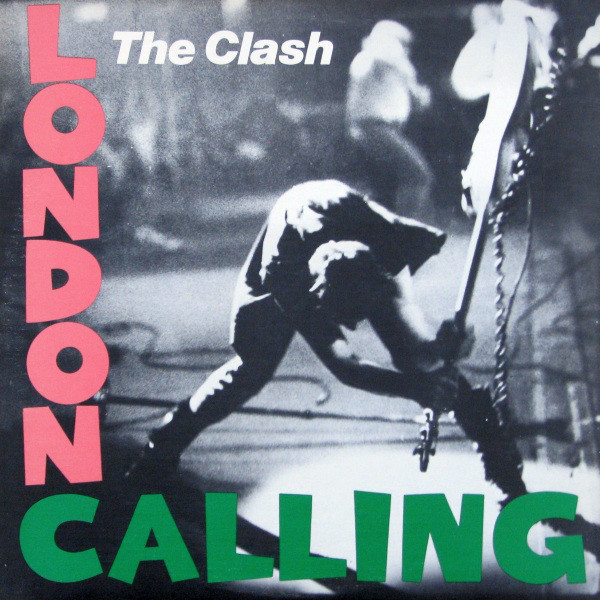
The building later became a nightclub before being demolished and replaced by an NYU dormitory. The photograph survives. The room where it happened is gone.
These histories belong in the conversation about preservation because music needs places to happen. Protecting space for musicians is also an investment in the music that has yet to be made.
Explore the Music Tour on our South of Union Square map to discover these locations and many more, including more incredible live music venues, other trailblazing recording studios, and the homes of some of the great musicians of the 20th century. To help us gain protections to preserve this endangered area, send messages to city officials HERE, and help by speaking up at the upcoming Community Board 2 forum on the proposed South of Union Square Historic District or sending a message in support of landmark designation HERE.
That need for real places feels especially urgent now. AI tools can generate a song from a written prompt. When someone passes off generated vocals or instrumental performances as something they sang or played, they claim work they did not do.
Live music matters more than ever. It lets us witness the craft: a singer finding the breath for a difficult phrase, a musician hearing a change and responding to the person beside them. A live performance cannot prove how a song was written, but it can let us witness the musicianship.
As generated sound becomes easier to produce, that human exchange is worth protecting. The clearest line will be people standing in a room, making music in front of us. Keeping places where that can happen is part of what preservation is for.