
Julia Ward Howe’s Bond Street Beginnings
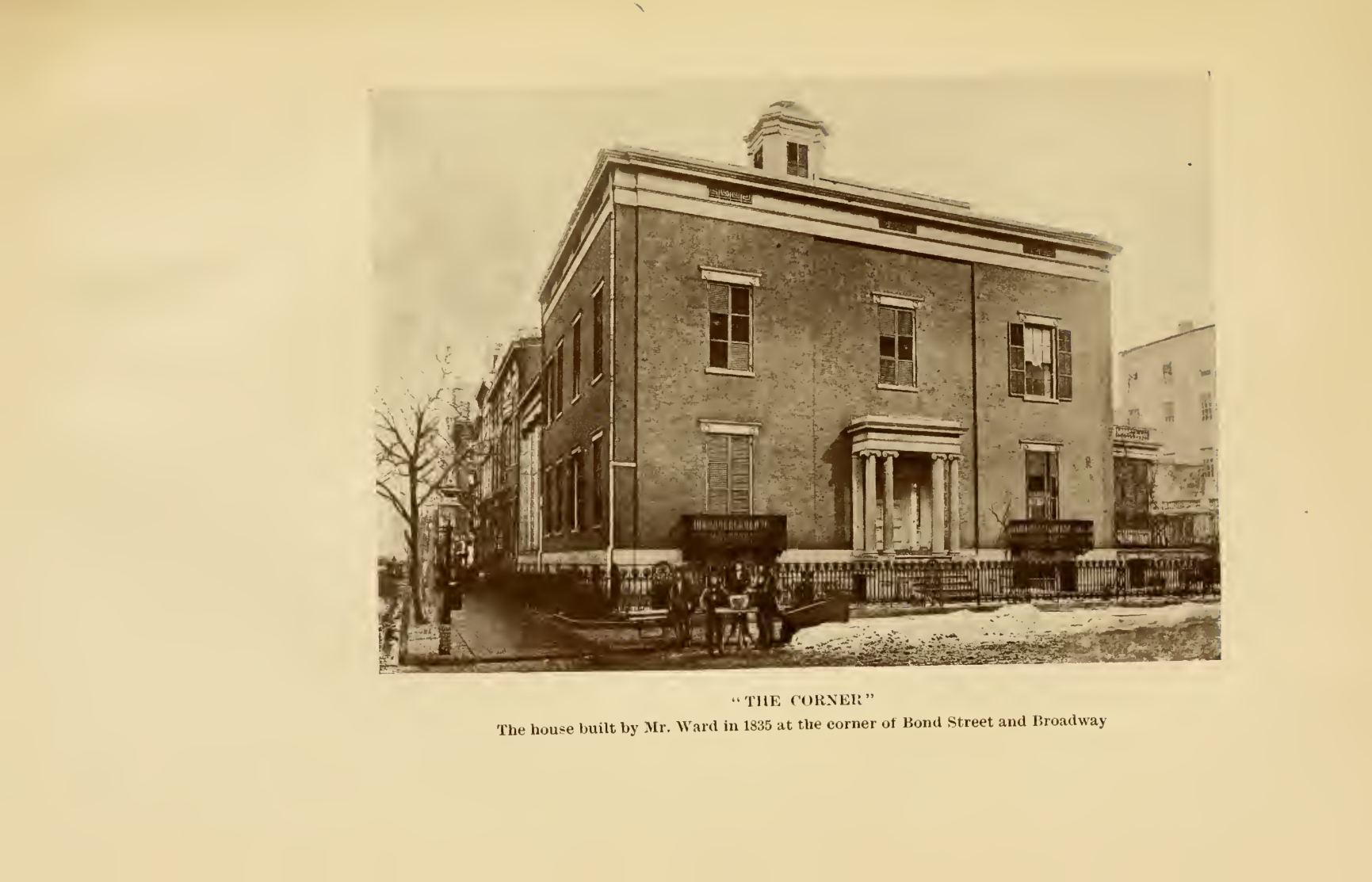
When Julia Ward Howe’s family moved to Bond Street in the 1820s, her father’s friends thought he was moving out of town. The future abolitionist grew up at 16 Bond Street before the family moved to a mansion at Broadway and Bond, in what is now NoHo.
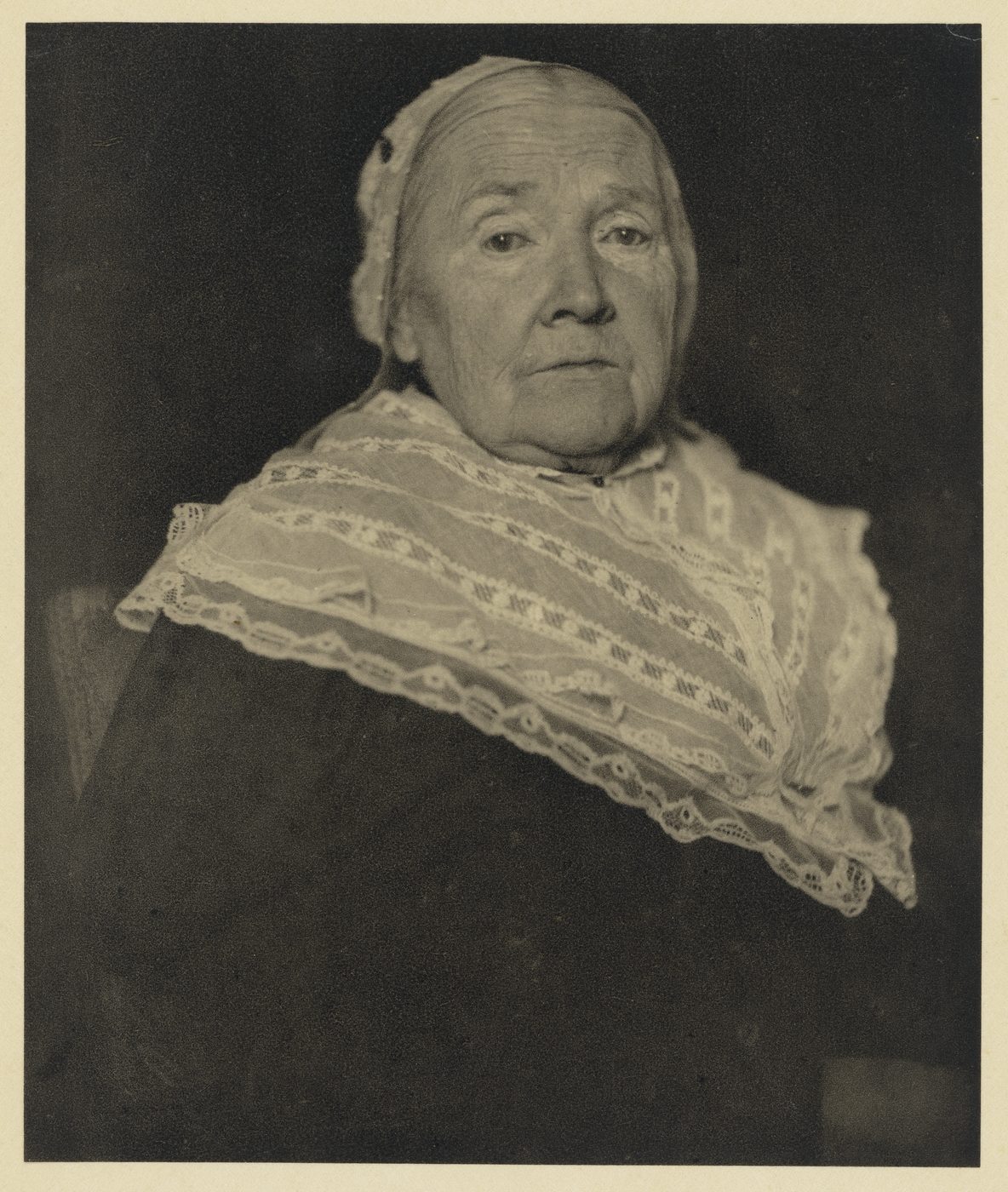
Born in 1819, Howe was raised in a wealthy family with a deeply religious father who restricted her reading and social life. She studied languages, read widely, and began writing poetry.
In 1843, she married physician and abolitionist Samuel Gridley Howe and settled in Boston. He expected her to devote herself to their home and children, and opposed her literary ambitions. She continued writing. Her 1854 poetry collection, Passion-Flowers, drew on the unhappiness of their marriage.
Howe became involved in Boston’s antislavery movement and supported the immediate abolition of slavery. She worked as a writer and editor for The Commonwealth, an antislavery newspaper published by her husband.
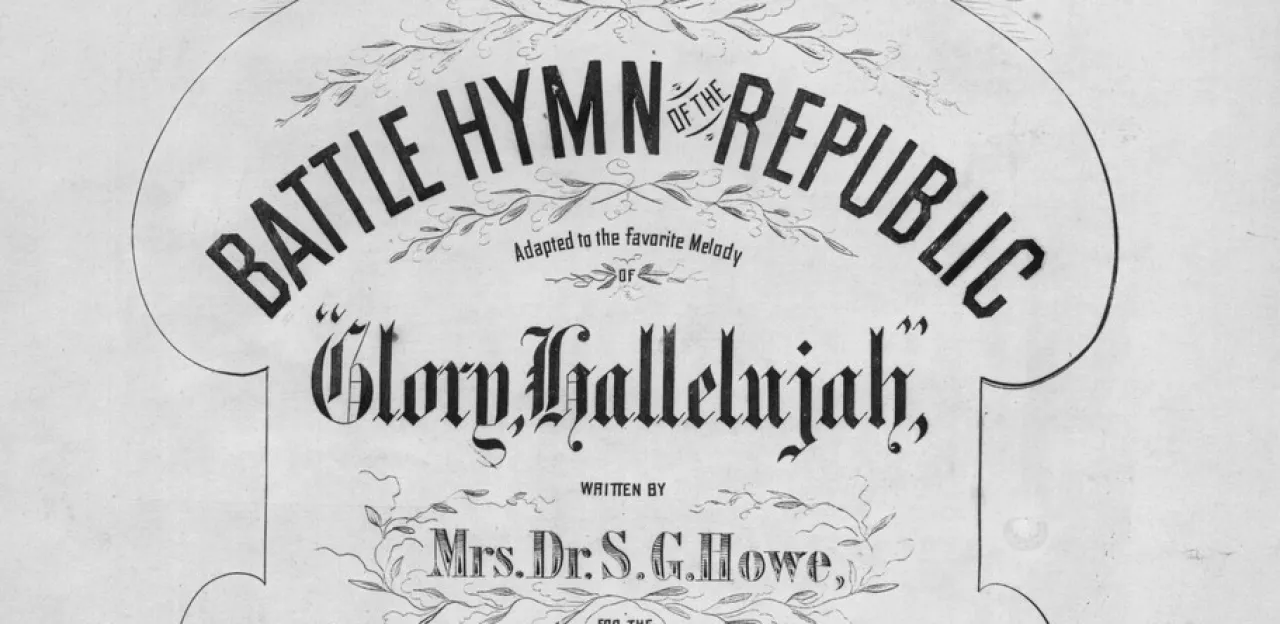
In November 1861, after a visit to Union army camps near Washington, D.C., Howe wrote new lyrics to the tune of “John Brown’s Body.” Published in The Atlantic Monthly in February 1862, “The Battle Hymn of the Republic” became a Union anthem. Its call to “die to make men free” put the fight against slavery into words people could sing.
Howe opposed slavery, but she also held racist views. Her 1860 book, A Trip to Cuba, included racist descriptions of Black Cubans that drew criticism from fellow abolitionists.
After the Civil War, she campaigned for women’s voting rights. In 1869, she helped found the American Woman Suffrage Association, which supported voting rights for Black men while pursuing women’s suffrage. Howe died in 1910, ten years before the ratification of the Nineteenth Amendment.
Explore more neighborhood connections on Village Preservation’s Civil Rights and Social Justice Map.